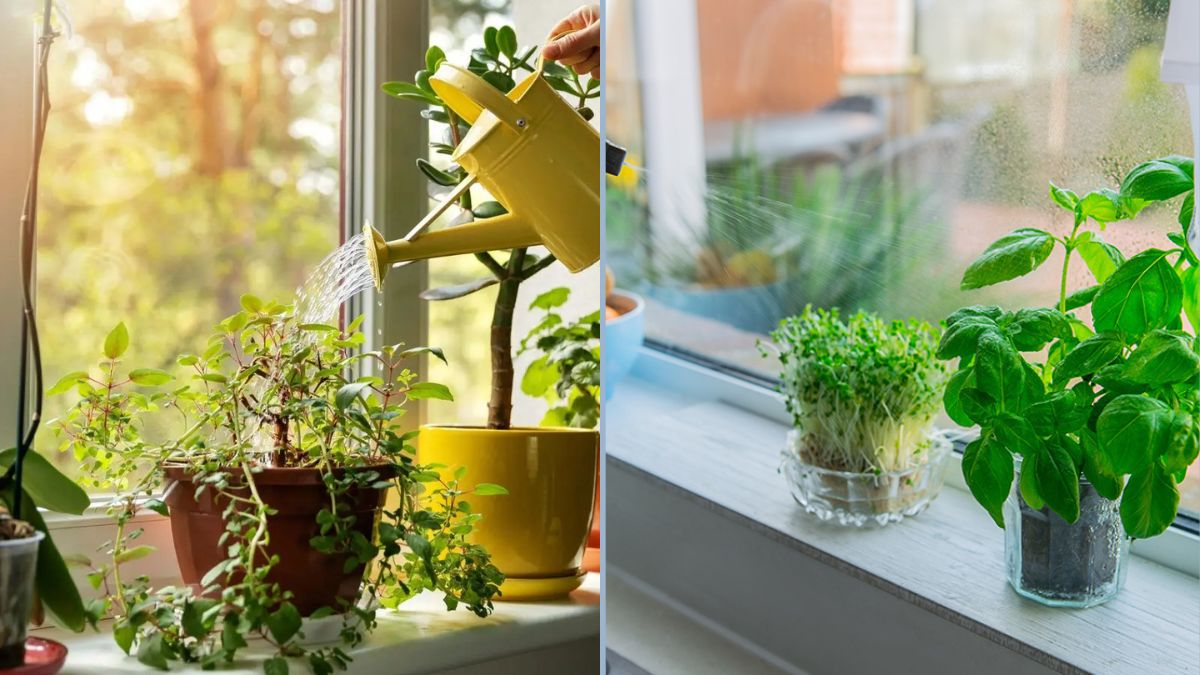
Indoor herb gardening has gained immense popularity due to its accessibility, health benefits, and aesthetic appeal. Fresh herbs such as basil, mint, thyme, rosemary, and parsley enhance culinary experiences while improving indoor air quality. However, indoor cultivation presents unique challenges, particularly pest infestations. Aphids, spider mites, whiteflies, fungus gnats, thrips, and scale insects are common indoor herb garden pests that feed on plant tissues, damage foliage, stunt growth, and reduce overall vitality.
Traditional pest control often relies on chemical pesticides, but these are unsuitable for indoor spaces due to health risks and potential residue on edible herbs. Therefore, maintaining a pest-free indoor herb garden requires careful planning, preventive measures, and eco-friendly interventions. This article explores detailed, non-animal, and chemical-free methods to manage and prevent pests in indoor herb gardens while preserving plant health and productivity.
1. Understanding Common Indoor Herb Garden Pests
Effective pest management begins with identifying the common adversaries:
- Aphids: Tiny, soft-bodied insects that cluster on new growth, extracting sap and secreting sticky honeydew.
- Spider Mites: Microscopic arachnids that form fine webs on leaves and cause yellowing or stippling.
- Whiteflies: Small flying insects that feed on undersides of leaves, causing chlorosis and weakening plants.
- Fungus Gnats: Small, mosquito-like insects whose larvae feed on roots, particularly in overly moist soil.
- Thrips: Tiny, slender insects that scrape leaf surfaces, causing silver streaks and deformation.
- Scale Insects: Hard or soft-bodied insects that attach to stems and leaves, sucking plant sap.
Recognizing these pests early through routine observation allows timely interventions, reducing plant stress and preventing infestations from escalating.
2. Preventive Cultural Practices
a. Proper Sanitation
Maintaining cleanliness is the first line of defense. Remove dead leaves, prune decaying plant parts, and clean pots and trays regularly. Wipe leaves with a damp cloth to remove dust and potential eggs or pests.
b. Quarantine New Plants
Always isolate new plants for at least 1–2 weeks before introducing them into your main herb garden. Inspect for pests, and treat if necessary, using safe plant-based methods.
c. Adequate Spacing
Ensure sufficient spacing between pots to promote air circulation, reduce humidity, and limit pest spread. Crowded conditions favor fungal and insect infestations.
d. Light and Ventilation
Herbs thrive in bright, indirect sunlight. Insufficient light weakens plants, making them more susceptible to pests. Proper ventilation reduces stagnant air that encourages pests like fungus gnats and spider mites.
3. Soil and Water Management
a. Well-Draining Soil
Use high-quality, well-draining potting mixes to prevent root rot and discourage moisture-loving pests. Mix in perlite, vermiculite, or coconut coir for aeration.
b. Controlled Watering
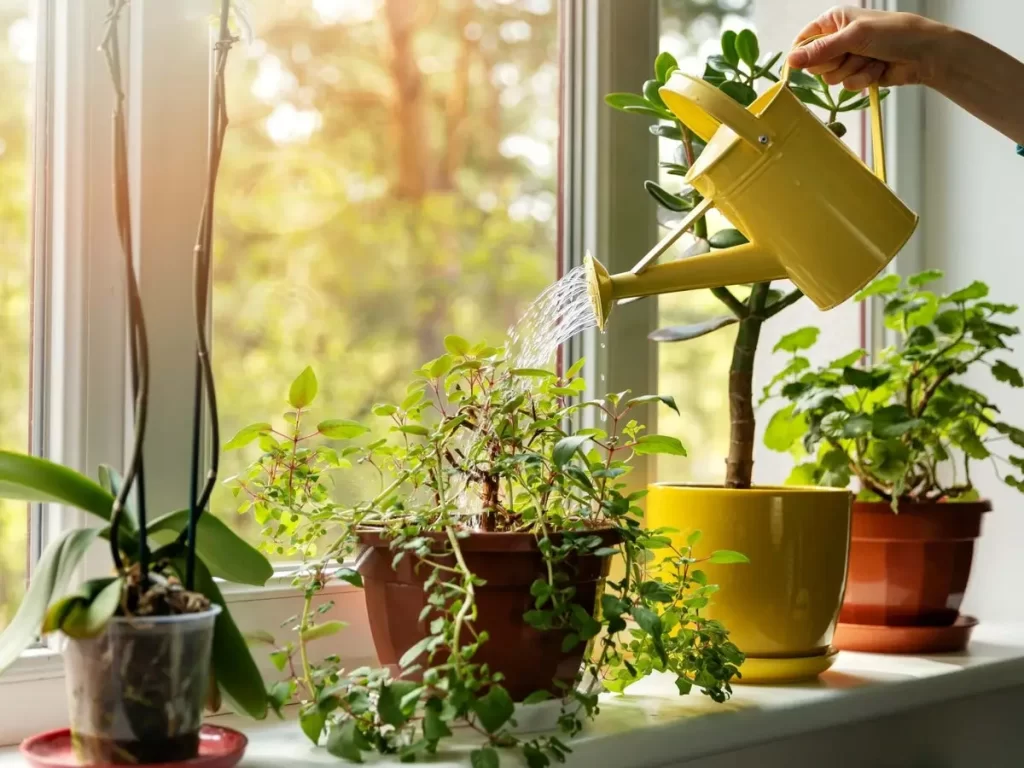
Overwatering is a primary cause of fungus gnat infestations. Water only when the top inch of soil feels dry and avoid waterlogging. Bottom watering is ideal as it limits damp leaf surfaces that attract pests.
c. Sterilized Soil
When starting seeds or repotting herbs, use sterilized or pasteurized soil to eliminate dormant pests and pathogens. Avoid garden soil, which can introduce pests indoors.
4. Physical and Mechanical Controls
a. Handpicking
For visible pests like aphids or scale insects, manually remove insects using a soft brush or cotton swab dipped in water or mild soap solution.
b. Sticky Traps
Yellow sticky traps attract flying pests such as whiteflies and fungus gnats, reducing their population without chemicals.
c. Water Sprays
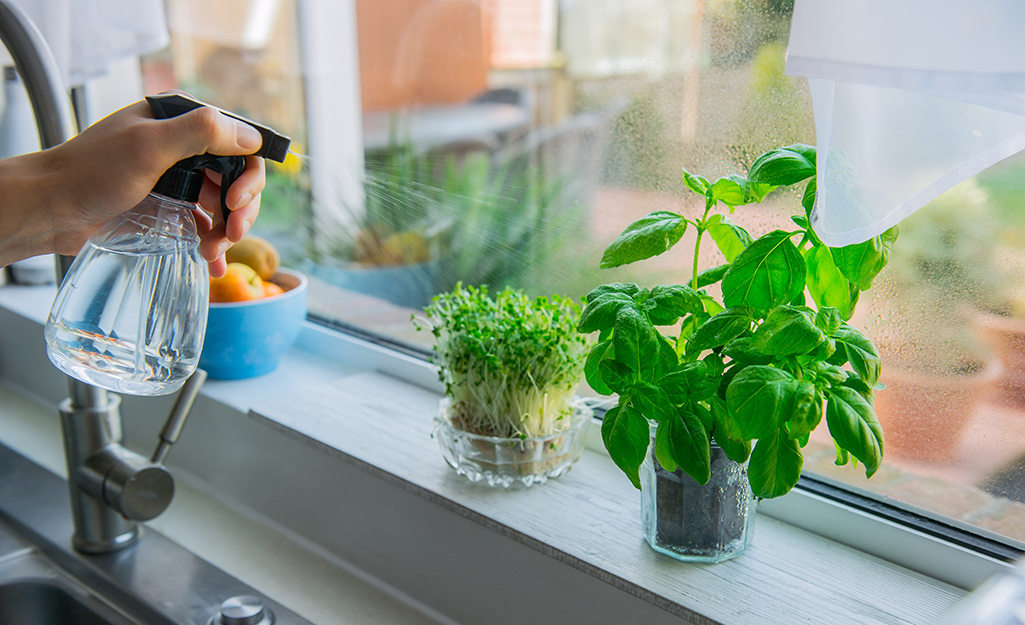
A gentle spray of water dislodges aphids, spider mites, and thrips from leaves. Repeat weekly or as needed for effective control.
d. Pruning
Trim heavily infested leaves or stems to prevent pest spread. Dispose of pruned material away from other plants to avoid reinfestation.
5. Botanical and Plant-Based Pest Control
a. Neem (Azadirachta indica)
Neem oil, derived from the seeds of the neem tree, acts as a natural insecticide and repellent. It disrupts insect feeding, reproduction, and growth. Spray diluted neem oil on leaves and soil every 7–10 days to control aphids, whiteflies, and spider mites.
b. Garlic Extract
Garlic contains sulfur compounds that repel a variety of pests. Crush garlic cloves, steep in water for 24 hours, strain, and spray the solution on herb leaves to deter insects.
c. Chili or Pepper Sprays
Capsaicin-based sprays derived from hot peppers can prevent insect feeding. Blend peppers with water, strain, and spray carefully on plant surfaces.
d. Herbal Infusions
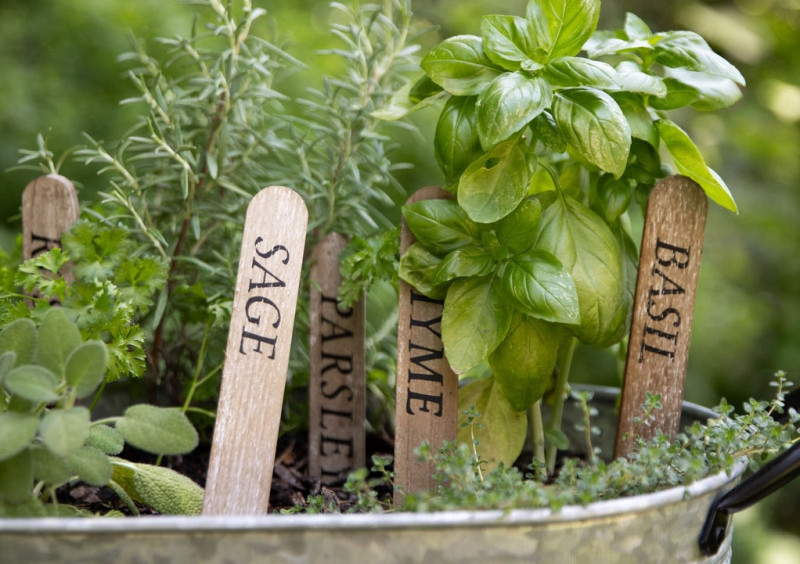
Plant-based infusions from mint, rosemary, or basil themselves can repel certain pests when sprayed lightly on herb leaves.
e. Soap Solutions
Mild, plant-based soaps or castile soap mixed with water can suffocate soft-bodied pests like aphids and mites. Apply carefully to avoid leaf damage, especially on sensitive herbs like basil.
6. Biological Controls for Indoor Settings
While large-scale biological control is often used outdoors, indoor gardens can benefit from safe, plant-friendly biological methods:
- Beneficial Nematodes (Plant-Based Substrate): Some plant-derived nematodes control soil-dwelling pests without chemical or animal-based inputs.
- Predatory Mites: Certain plant-compatible mites can be introduced in enclosed indoor setups to target spider mites and thrips.
- Microbial Solutions: Plant-based compost teas promote beneficial bacteria and fungi that compete with pest populations and enhance herb health.
Note: All biological interventions should be strictly plant-compatible and non-animal based.
7. Companion Planting
Companion planting uses the natural repellent properties of certain herbs or flowers to deter pests:
- Basil near Mint: Repels whiteflies and aphids.
- Chives or Garlic near Parsley: Discourages aphids and spider mites.
- Marigold in Pots: Reduces nematode and fungus gnat pressure through natural compounds.
Companion planting creates a natural defense network while improving garden aesthetics.
8. Organic Fertilization and Soil Health
Healthy herbs resist pests more effectively. Use plant-based fertilizers to maintain soil fertility:
- Compost: Made exclusively from plant residues to enrich soil with nutrients.
- Vermicompost: Only if derived from plant material, boosts microbial activity that suppresses pest growth.
- Green Manure: Incorporate fast-growing herbs like mustard or leguminous plants to enhance soil quality and discourage soil pests.
Healthy roots and foliage reduce susceptibility to both insects and fungal diseases.
9. Monitoring and Early Detection
Consistent observation is key to indoor pest management:
- Check leaves, stems, and soil weekly for early signs of pests.
- Look for discoloration, holes, sticky residue, or webbing.
- Maintain a log of infestations and interventions to identify patterns and predict potential outbreaks.
Early detection allows rapid application of non-toxic, plant-based remedies, preventing large-scale infestations.
10. Integrated Indoor Pest Management (IIPM)
Combining multiple strategies offers the most effective, chemical-free pest control:
- Prevention: Clean pots, quarantine new plants, ensure proper light and ventilation.
- Cultural Practices: Controlled watering, well-draining soil, and pruning.
- Mechanical Measures: Handpicking, sticky traps, water sprays.
- Botanical Remedies: Neem, garlic, chili, herbal sprays.
- Biological Measures: Plant-compatible microbial and predatory agents.
- Monitoring: Regular inspections and record-keeping.
Integrated Indoor Pest Management (IIPM) ensures long-term protection while maintaining herb quality and safety.
Conclusion
Keeping an indoor herb garden pest-free requires a proactive, plant-friendly approach. By integrating cultural practices, mechanical interventions, botanical solutions, companion planting, and proper soil and water management, gardeners can prevent and control pests without relying on chemicals or animal-based inputs. Healthy herbs thrive under attentive care, benefiting from balanced nutrition, proper environmental conditions, and a pest-suppressive ecosystem.
Non-toxic, plant-based pest management is not only safer for human consumption but also environmentally responsible, supporting biodiversity and sustainability. With consistent monitoring, preventive measures, and eco-friendly treatments, indoor herb gardeners can enjoy vibrant, productive, and pest-free green spaces year-round.