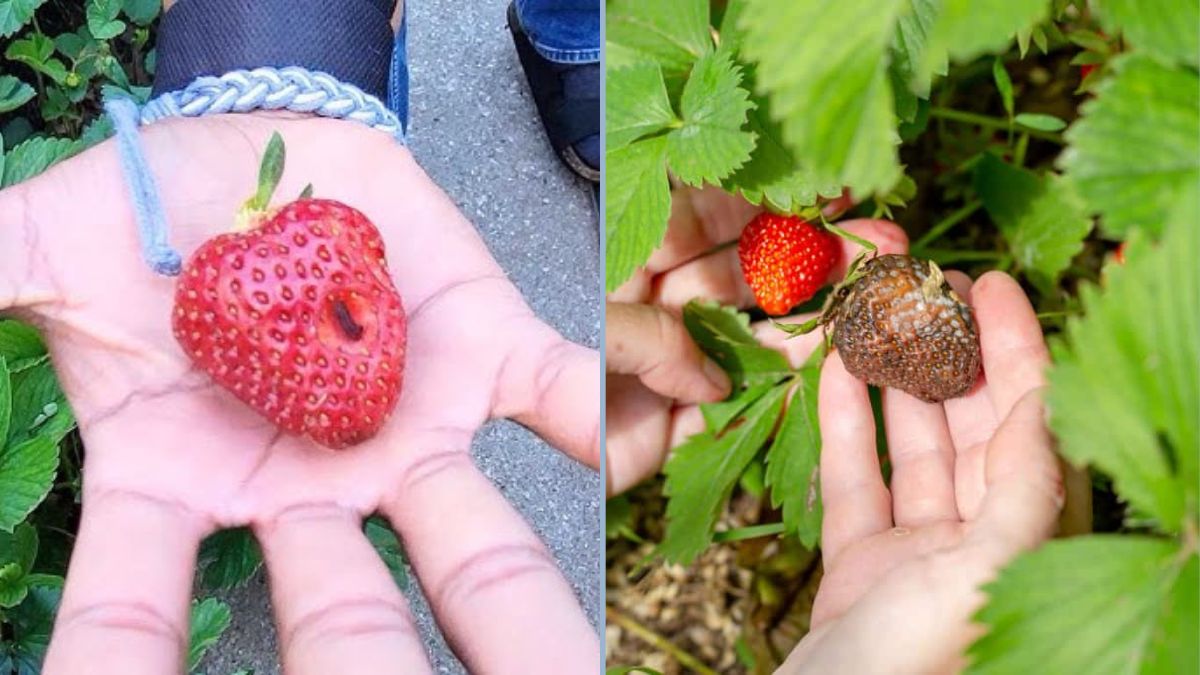
The protection of fruit crops from insect damage is one of the most important challenges in sustainable agriculture. As chemical pesticides increasingly raise concerns about residue, environmental toxicity, and human health risks, the need for natural alternatives has grown substantially. Farmers, researchers, and household gardeners alike are seeking effective ways to repel or manage insects using plant-based, organic, and eco-friendly methods. The following article details a range of natural strategies—focusing entirely on vegetarian options—that can protect fruits while preserving soil quality, biodiversity, and ecological balance.
1. Botanical Sprays and Plant-Based Repellents
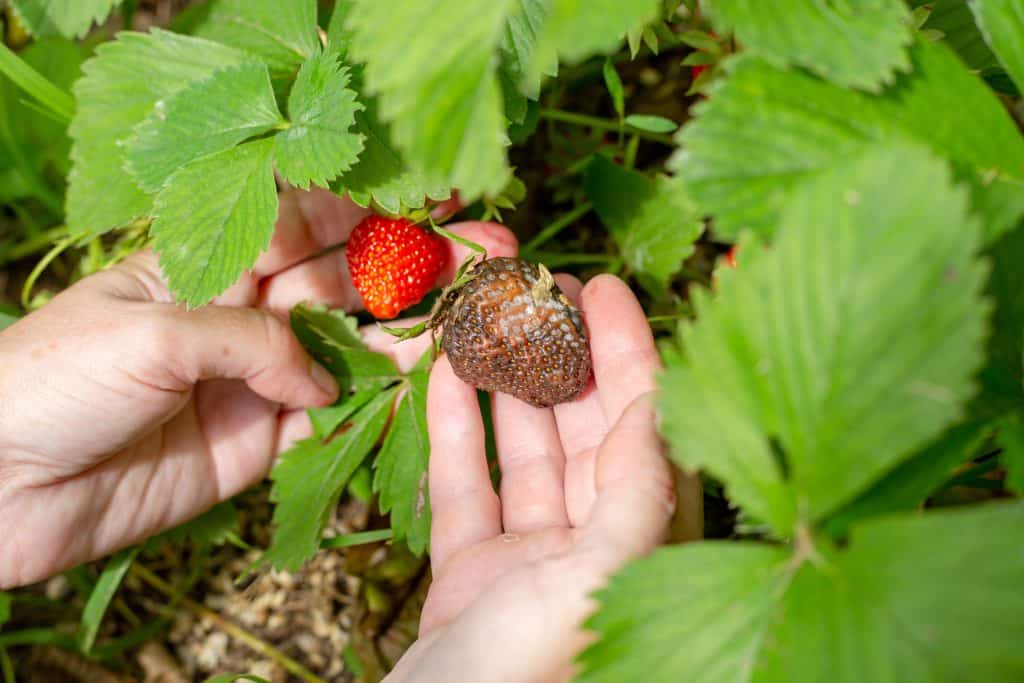
Botanical sprays derived from herbs and plants offer a powerful, chemical-free means of deterring insects. These sprays are safe for consumers, can be prepared inexpensively, and often provide wide-spectrum protection.
a. Neem Extract
Neem (Azadirachta indica) is among the most effective natural pesticides. Neem oil or neem leaf extract disrupts insect feeding and reproduction. Spraying diluted neem oil on fruit trees and plants every 7–10 days can prevent infestations of aphids, mites, fruit borers, and whiteflies. Neem is biodegradable and safe for beneficial insects when applied carefully.
b. Garlic and Chili Spray
A traditional remedy used worldwide, garlic–chili spray acts as both a repellent and an insecticide. To make it, crushed garlic and chili are soaked in water for 24 hours and then filtered. A few drops of mild soap can be added to help the solution adhere to leaves and fruit surfaces. This mixture repels a variety of insects including thrips, caterpillars, fruit flies, and beetles.
c. Turmeric and Ginger-Based Sprays
Turmeric has antifungal and insect-deterrent properties. A solution of turmeric powder and water sprayed on fruit plants can discourage insects while minimizing fungal growth. Ginger extract is another plant-based option known for its pungent aroma and bioactive compounds, which deter certain pests.
2. Physical Barriers and Traps
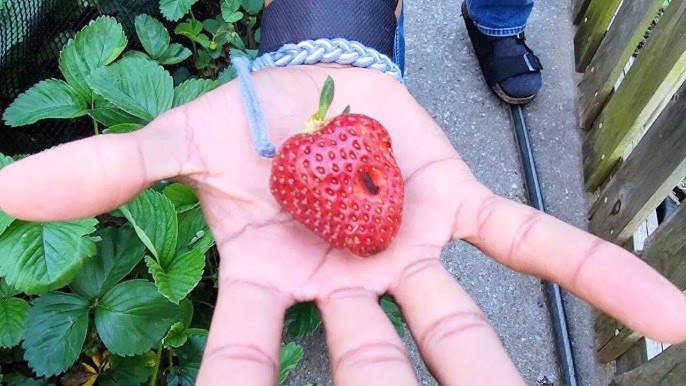
Physical exclusion is one of the most reliable and environmentally neutral methods to protect fruits, particularly in smaller orchards and gardens.
a. Fruit Bagging
Placing breathable paper or cloth bags over developing fruits can prevent insects such as fruit flies, borers, and moths from laying eggs. Bagging is commonly used in crops like guava, apples, mangoes, and peaches. It ensures clean, undamaged fruits and reduces the need for sprays later.
b. Sticky Traps
Using yellow or blue sticky traps can reduce populations of sap-sucking insects like whiteflies, leafhoppers, and aphids. These traps do not involve any animal-derived materials and can be positioned at various heights depending on the target insect.
c. Netting and Row Covers
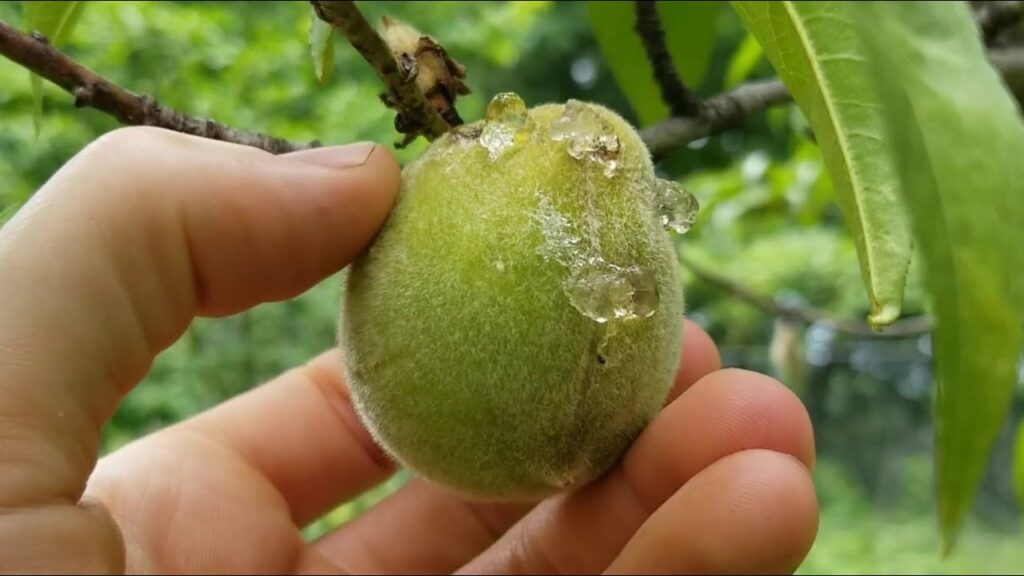
Fine-mesh nets placed over trees or rows of fruit crops physically prevent insects from entering. This method is particularly helpful for smaller trees or berry plants. Regular inspection is necessary to ensure proper ventilation and to remove trapped insects.
3. Companion Planting and Intercropping
Companion planting harnesses the natural repellent power of plants to deter insects. Intercropping not only improves biodiversity but also disrupts pest patterns by making it harder for insects to locate their host plants.
a. Marigold
Marigold (Tagetes spp.) releases a fragrance that repels nematodes, beetles, and some sap-sucking insects. When planted around fruit crops such as papaya, banana, or citrus, marigolds can deter pests naturally.
b. Basil and Mint
Aromatic herbs like basil and mint discourage insects due to their strong essential oils. Planting them around fruit trees or in pots within orchards helps repel fruit flies, gnats, and mealybugs.
c. Lemongrass and Citronella
These plants contain natural insecticidal oils that deter flies and mosquitoes. When grown near fruit trees, they act as living repellents and improve orchard biodiversity.
d. Onion and Allium Family Plants
Plants from the allium family, such as onions, leeks, and chives, release sulfur-rich compounds. Their proximity can disrupt the feeding patterns of certain insects and reduce infestation levels.
4. Organic Mulching and Soil Management
Mulching involves covering the soil with organic materials to improve microbial activity, regulate temperature, and reduce pest access.
a. Straw, Dried Leaves, and Grass Clippings
Natural mulch can create an environment less favorable to certain insects, especially soil-dwelling pests that target fruit tree roots. Mulch also helps retain moisture and improve soil structure.
b. Compost with Plant Residues
Well-prepared plant-based compost introduces beneficial microorganisms that can suppress harmful insects and fungi. Adding compost around fruit trees enhances their health and resilience.
c. Weed Control
Removing weeds around fruit plants minimizes hiding spots and alternate hosts for pests. Natural manual weeding or mulching reduces the spread of insects without the need for harmful chemicals.
5. Soil Amendments and Natural Mineral Sprays
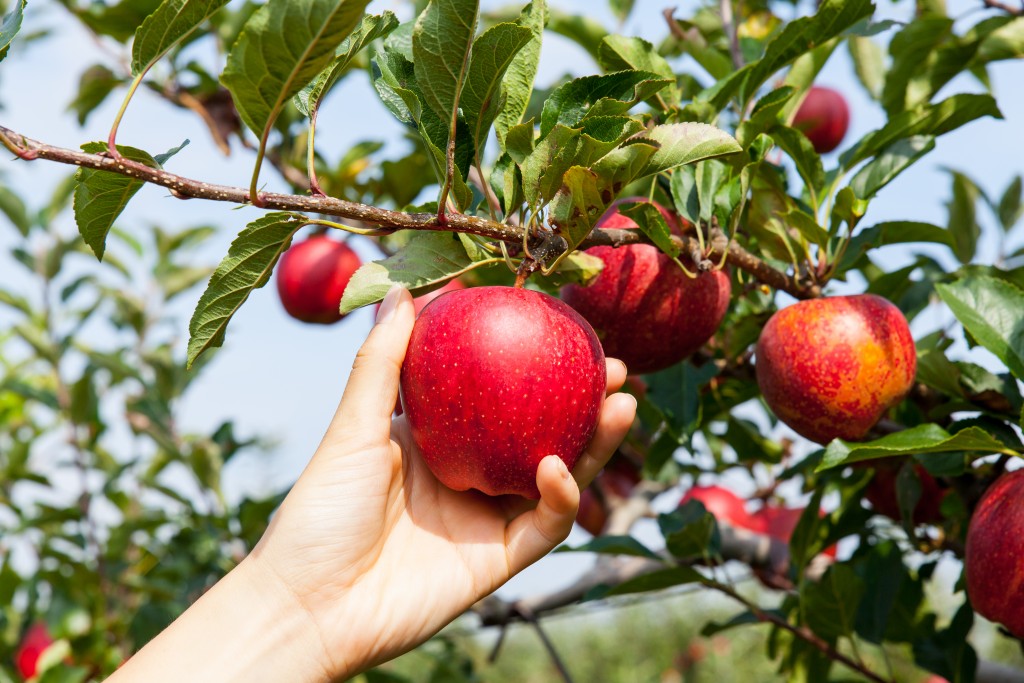
Certain minerals and natural substances prevent insect infestations by acting as barriers or irritants without harming the fruit.
a. Wood Ash
Wood ash (from untreated, plant-based sources) can be sprinkled around the base of trees to repel ants, slugs, and other insects. It also adds potassium and trace minerals to the soil.
b. Diatomaceous Earth (Food-Grade)
Derived from fossilized algae, diatomaceous earth is a fine powder that damages insect exoskeletons. Sprinkling it in a thin layer on plant surfaces or around tree trunks reduces crawling insect populations.
c. Kaolin Clay
Kaolin clay can be mixed with water and sprayed onto fruits and leaves to create a protective film. This layer masks fruit scents, making them less attractive to insects. The residue is easy to wash off before consumption.
6. Biological Control Using Plant-Friendly Organisms
Although animal-based inputs are excluded here, it is still possible to encourage plant-friendly microbiological organisms. Fungal and bacterial agents derived from soil or plants can help suppress harmful insects without involving non-vegetarian solutions.
a. Entomopathogenic Fungi (Plant-Based Cultured Sources)
Several naturally occurring fungi, such as Beauveria bassiana or Metarhizium anisopliae, can be cultured using plant-based mediums. When applied correctly, they infect and weaken pest insects. Their use requires care to avoid harming beneficial insects.
b. Beneficial Bacteria
Some bacteria, like Bacillus subtilis, can be fermented and applied to suppress insect-related diseases by enhancing plant immunity. These are considered vegetarian-friendly when no animal-derived substrates are used.
7. Cultural Practices and Garden Management
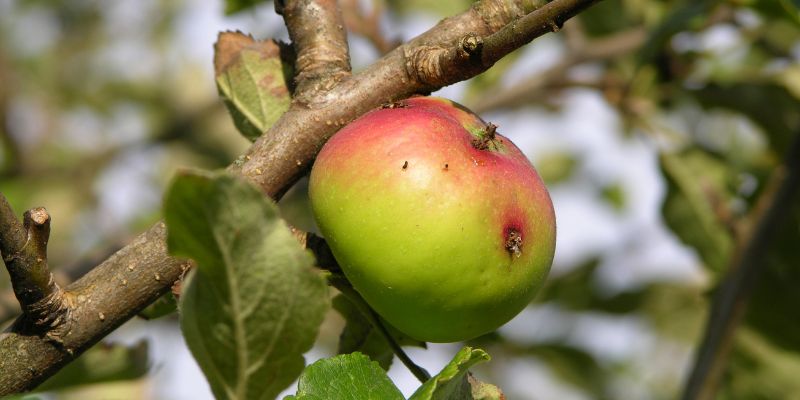
Good farm and garden hygiene significantly reduces insect problems over time. These strategies improve ecosystem balance and minimize the chances of pests multiplying.
a. Pruning and Sanitation
Removing infested leaves, twigs, or fruits prevents insects from spreading. Proper disposal (through composting or controlled burning of plant material only) ensures pests do not re-infest the orchard.
b. Crop Rotation
Rotating fruit crops with non-host plants every season can disrupt the life cycle of insects and reduce their population in the soil.
c. Timely Harvesting
Harvesting fruits as soon as they ripen decreases the window of opportunity for insects to damage them. Leaving overripe fruit on branches or on the ground attracts pests and promotes their reproduction.
8. Natural Oils and Household Ingredients
Natural oils and common ingredients can create safe, plant-based defenses for fruit crops.
a. Soap and Oil Mixtures
A combination of mild vegetable-based soap and plant oils like sunflower or coconut oil can suffocate small insects and larvae. It also creates a thin layer that naturally repels pests.
b. Essential Oils
Oils from eucalyptus, clove, rosemary, or peppermint (all plant-derived) are known to deter insects. A few drops diluted in water and sprayed on trees can provide extra protection, especially during peak pest seasons.
c. Vinegar Solutions
Diluted vinegar, when carefully sprayed on non-sensitive plants, can repel soft-bodied insects. It must be tested on a small area first to avoid leaf burn.
9. Monitoring and Early Detection
Continuous monitoring helps identify pest presence early, making it easier to apply natural solutions before major damage occurs.
- Visual inspection of leaves, stems, and fruits.
- Use of pheromone-free sticky cards to detect adult insects.
- Record keeping to determine seasonal patterns and schedule preventive measures.
10. Integration of Methods (Natural IPM)
Integrated Pest Management (IPM) using natural methods combines multiple practices—botanical sprays, physical barriers, intercropping, mulching, and sanitation. By relying on plant-based ingredients and eco-friendly techniques, farmers can reduce reliance on any single method and maintain long-term protection against insects.
Conclusion
Protecting fruits from insects using natural, non-animal-based methods is both achievable and sustainable. From neem oil to turmeric sprays, companion plants to physical barriers, and soil amendments to essential oils, these strategies emphasize harmony with nature rather than chemical dominance. They not only shield fruits from pests but also enrich biodiversity, preserve soil health, and support cleaner yields for consumers. As the global focus shifts toward safer and environmentally responsible farming practices, these vegetarian-friendly methods represent a promising path for orchardists, gardeners, and researchers seeking truly sustainable solutions.
If you’d like this adapted into a thesis format with sections like introduction, objectives, methodology, or references, just let me know!