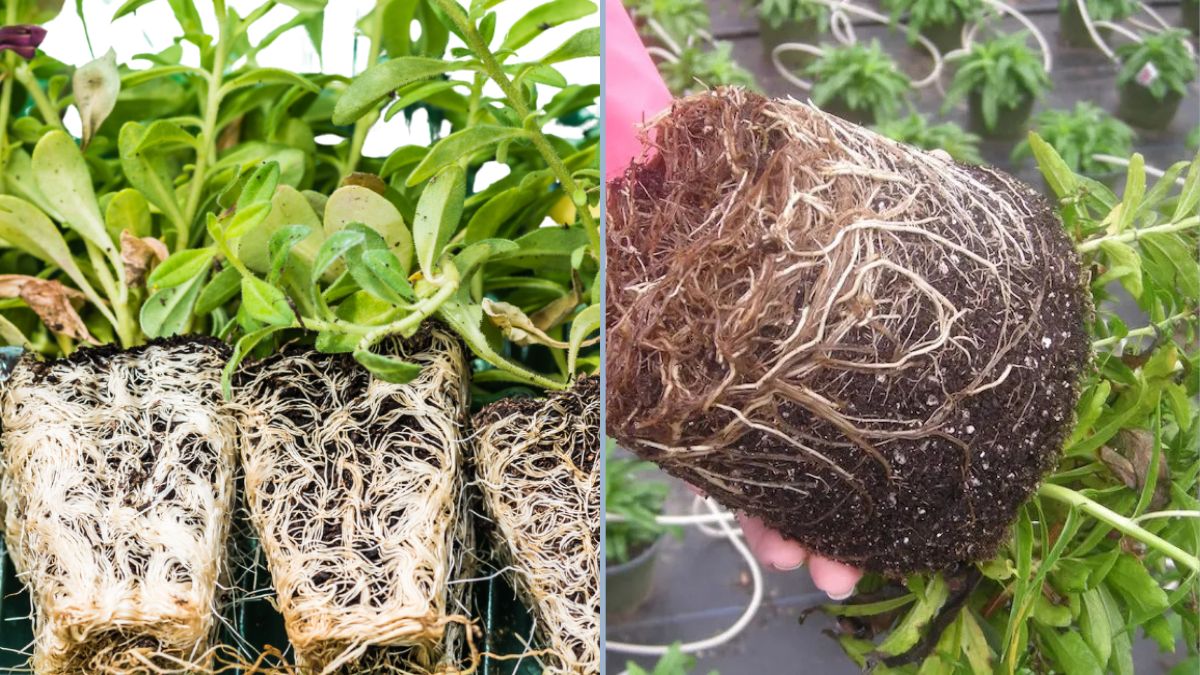
Healthy root systems are the foundation of vigorous plant growth, nutrient uptake, and overall crop productivity. Roots anchor plants, absorb water and essential nutrients, and interact with beneficial soil microbes to support plant resilience. However, many plants fail to reach their full potential due to poor root development caused by compacted soils, nutrient imbalances, pests, or environmental stress.
While chemical fertilizers and synthetic growth stimulants are commonly used to enhance root growth, they can degrade soil health, reduce microbial diversity, and negatively impact long-term productivity. Organic, plant-based approaches offer sustainable alternatives that improve root architecture, increase soil fertility, and promote overall plant vitality.
This article explores comprehensive organic strategies for healthy root development, including soil management, organic amendments, bio-stimulants, and cultural practices—all without using animal-derived inputs.
1. Importance of Healthy Roots

A robust root system provides multiple benefits:
- Nutrient Absorption: Extensive roots maximize uptake of macro- and micronutrients.
- Water Acquisition: Healthy roots improve drought resistance by accessing deeper soil moisture.
- Anchorage: Strong roots stabilize plants, reducing susceptibility to wind or lodging.
- Soil Microbial Interactions: Roots exude compounds that foster beneficial microbial communities, which aid in nutrient cycling and pest resistance.
- Stress Resistance: Plants with well-developed roots recover faster from environmental stress, pest attacks, or pruning.
Understanding these benefits emphasizes why promoting root health should be a priority in organic horticulture and agriculture.
2. Soil Preparation and Management
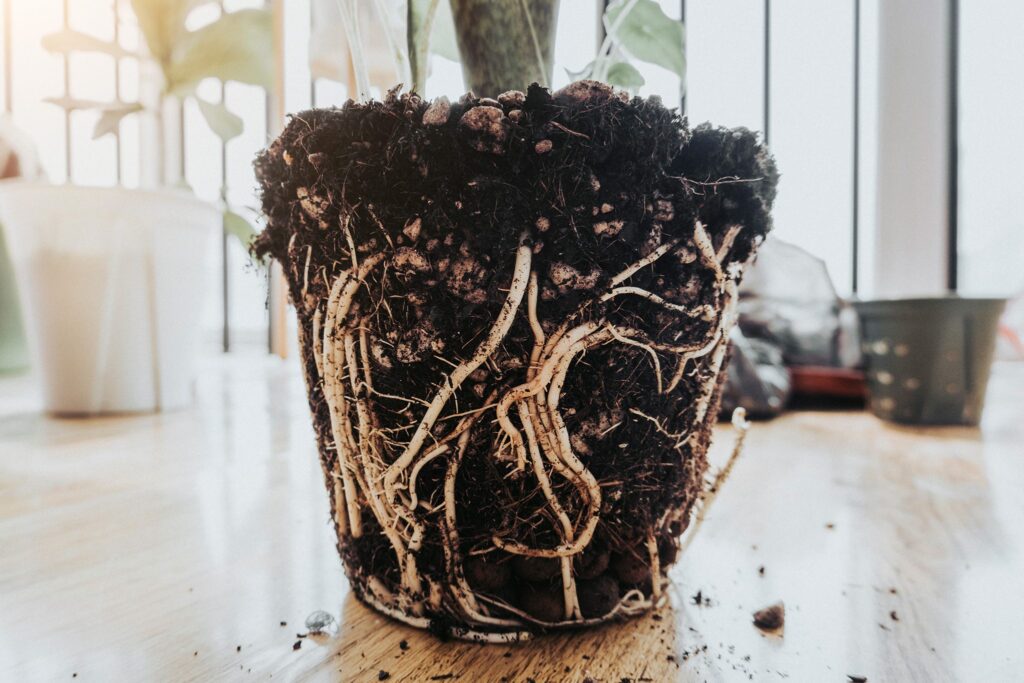
Healthy roots start with a conducive soil environment.
a. Soil Structure
- Use well-aerated, loose, and friable soils to allow roots to expand freely.
- Incorporate plant-based amendments such as coconut coir, peat alternatives, or leaf mold to improve texture and water-holding capacity.
b. pH and Nutrient Balance
- Maintain a neutral to slightly acidic pH (6.0–7.0) for optimal nutrient availability.
- Test soil and amend deficiencies using plant-based mineral supplements, such as rock phosphate or wood ash, to avoid chemical fertilizers.
c. Mulching
- Organic mulches (straw, shredded leaves, or bark chips) protect soil moisture, reduce temperature fluctuations, and promote microbial activity that supports root growth.
d. Avoid Soil Compaction
- Minimize walking or heavy machinery on planting beds to prevent compacted soils, which restrict root penetration and oxygen availability.
3. Plant-Based Organic Amendments
Organic inputs derived from plants enrich soil fertility and stimulate root growth naturally:
a. Compost
- Compost made from vegetable scraps, crop residues, and leaf litter adds essential nutrients, improves soil structure, and enhances microbial diversity.
- Incorporate compost into planting beds before sowing seeds or transplanting seedlings.
b. Green Manures
- Fast-growing cover crops such as mustard, clover, or sunn hemp can be tilled into soil to add organic matter, improve aeration, and promote root proliferation.
c. Plant-Based Biochar
- Biochar improves soil porosity, retains water and nutrients, and provides habitats for beneficial microbes that stimulate root growth.
d. Plant-Derived Fertilizers
- Seaweed extract, compost teas, and fermented plant infusions provide micronutrients and natural growth-promoting compounds that enhance root elongation and branching.
4. Bio-Stimulants for Root Development
Certain plant-based bio-stimulants enhance root growth and resilience:
a. Seaweed Extracts
- Seaweed contains natural cytokinins, auxins, and gibberellins that promote root initiation and elongation.
- Regular foliar sprays or soil drenches stimulate lateral root development and improve nutrient absorption.
b. Humic and Fulvic Acids (Plant-Derived)
- Humic substances enhance nutrient uptake, improve soil structure, and promote root elongation.
- Derived from decomposed plant matter, these acids are safe and compatible with organic systems.
c. Plant-Based Fermented Extracts
- Fermented extracts from comfrey, nettle, or moringa provide natural growth hormones and micronutrients.
- Drenching soil with these extracts stimulates root branching and strengthens seedlings.
5. Cultural Practices for Strong Roots
a. Seedling Management
- Start seeds in loose, sterile, plant-based media to encourage straight, robust roots.
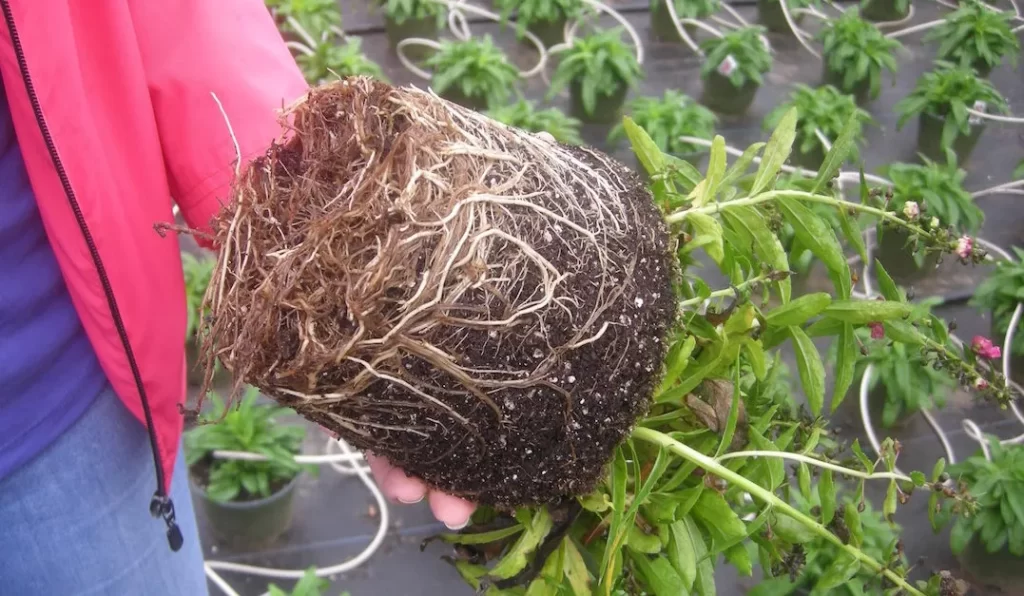
- Avoid root-bound conditions in trays by transplanting seedlings at appropriate sizes.
b. Watering Practices
- Maintain consistent moisture without waterlogging.
- Deep watering encourages roots to grow deeper, improving drought tolerance.
- Avoid frequent shallow watering, which promotes shallow, weak root systems.
c. Pruning and Root Training
- Light root pruning during transplanting encourages lateral root proliferation.
- Gently teasing roots before planting reduces circling and promotes a more fibrous root network.
d. Crop Rotation
- Rotate crops to avoid nutrient depletion and reduce soil-borne pathogens that can compromise root health.
- Use leguminous cover crops to fix nitrogen and support subsequent root growth.
6. Encouraging Beneficial Soil Microorganisms
Roots interact closely with beneficial microbes that enhance growth and nutrient uptake:
a. Mycorrhizal Associations
- Arbuscular mycorrhizal fungi form symbiotic relationships with plant roots, increasing surface area for water and nutrient absorption.
- Introduce plant-based carriers with naturally occurring mycorrhizae to improve root density and resilience.
b. Rhizosphere Microbes
- Compost teas, made exclusively from plant-based compost, enrich soil with bacteria and fungi that protect roots from pathogens and promote elongation.
c. Microbial Diversity
- A diverse microbial population improves soil health, structure, and nutrient cycling, creating an optimal environment for root expansion.
7. Stress Management for Root Health
Healthy roots require minimizing stress factors:
- Temperature: Maintain appropriate indoor or greenhouse temperatures for seedlings and transplants.
- Light: Ensure sufficient light for photosynthesis, which supports root energy demands.
- Pest Prevention: Use companion planting and physical barriers to prevent root-feeding pests.
- Avoid Chemical Stress: Refrain from synthetic fertilizers or pesticides that can harm root development or beneficial soil organisms.
8. Companion Plants for Root Stimulation
Certain plant species enhance soil conditions and indirectly promote root growth in nearby plants:
- Legumes (e.g., clover, vetch): Fix nitrogen, improving fertility for subsequent crops.
- Deep-rooted plants (e.g., mustard or sunflowers): Break up compacted soil and increase aeration.
- Marigold: Releases compounds that suppress root pathogens, supporting healthy root growth.
Strategically interplanting these species improves soil structure and supports strong root development.
9. Early Detection and Maintenance
Monitoring root health ensures early intervention if problems arise:
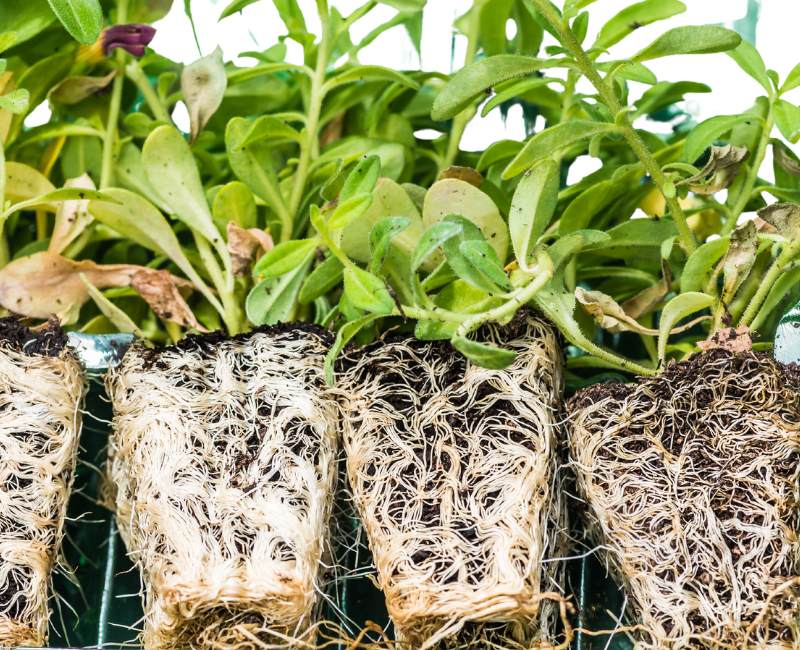
- Inspect seedlings during transplanting for healthy, white, fibrous roots.
- Check for signs of root disease, discoloration, or poor branching.
- Adjust watering, soil, and nutrient management promptly to correct deficiencies.
- Maintain a rotation of plant-based amendments to sustain nutrient balance and microbial diversity.
10. Integrated Organic Approach for Root Development
A holistic approach combines multiple strategies:
- Soil Management: Loose, well-draining soil, pH balance, and mulching.
- Organic Amendments: Compost, green manures, biochar, and plant-based fertilizers.
- Bio-Stimulants: Seaweed extracts, humic/fulvic acids, and fermented plant infusions.
- Cultural Practices: Proper watering, pruning, seedling management, and crop rotation.
- Beneficial Microorganisms: Mycorrhizae and rhizosphere microbes to enhance root proliferation.
- Stress Minimization: Light, temperature, pest control, and avoidance of chemical stressors.
- Companion Planting: Nitrogen-fixing and deep-rooted plants to improve soil structure.
By integrating these plant-based methods, gardeners and farmers can achieve strong, healthy roots that support vigorous, productive plants.
Conclusion
Healthy root systems are critical to plant survival, nutrient uptake, and long-term productivity. Organic, plant-based methods offer sustainable solutions for promoting root development without relying on chemical fertilizers or animal-derived inputs. Through proper soil management, plant-based amendments, bio-stimulants, cultural practices, beneficial microorganisms, stress management, and companion planting, gardeners and farmers can achieve robust root architecture and resilient plants.
These eco-friendly approaches not only enhance root growth but also support overall soil health, biodiversity, and sustainable agriculture practices. By focusing on root health, cultivators ensure plants grow stronger, recover from stress, and reach their full potential, aligning with principles of organic and environmentally responsible gardening.