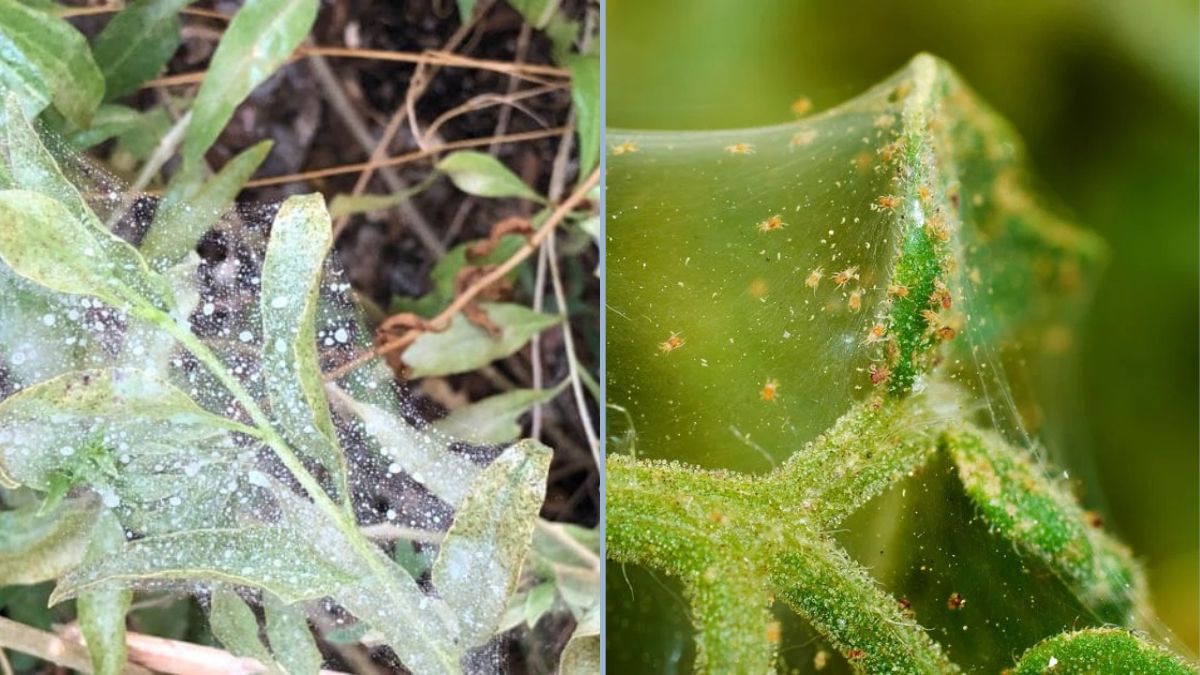
Indoor greens, including lettuce, spinach, kale, arugula, and various herbs, are increasingly cultivated for their health benefits and year-round availability. However, these plants are highly susceptible to pests, with spider mites (Tetranychidae family) being one of the most persistent and damaging. Spider mites are tiny arachnids that feed on plant sap, leading to stippled leaves, yellowing, stunted growth, and in severe cases, plant death. Their rapid reproduction and preference for warm, dry indoor environments make early prevention crucial.
Traditional chemical miticides can be harmful to humans, particularly in enclosed spaces, and may leave residues on edible leaves. Therefore, adopting non-chemical, plant-based, and eco-friendly strategies is essential for maintaining healthy indoor greens. This article provides a comprehensive guide to preventing spider mites using cultural, physical, biological, and botanical methods without any animal-derived inputs.
1. Understanding Spider Mite Biology and Behavior

Spider mites are microscopic, often less than 0.5 mm in size, making them difficult to detect in the early stages. They thrive in:
- Warm temperatures: 24–30°C (75–86°F)
- Low humidity: Dry indoor air accelerates reproduction
- Stressed plants: Overcrowded, under-watered, or nutrient-deficient plants are more susceptible
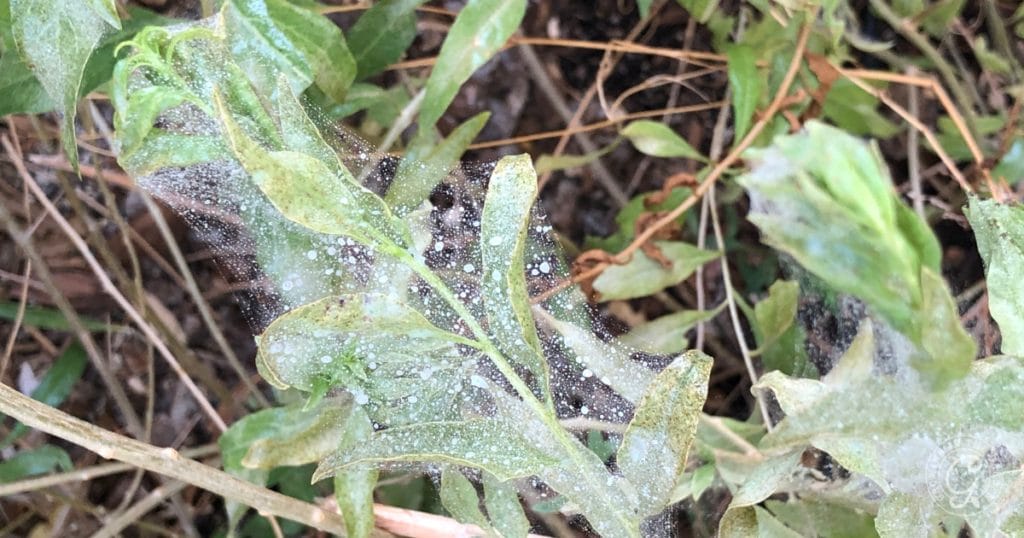
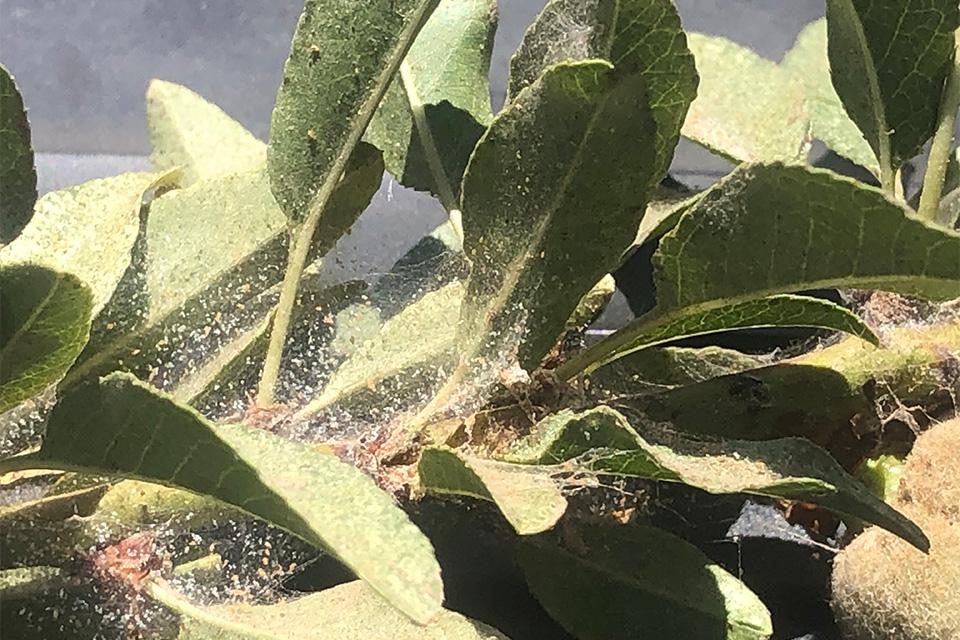
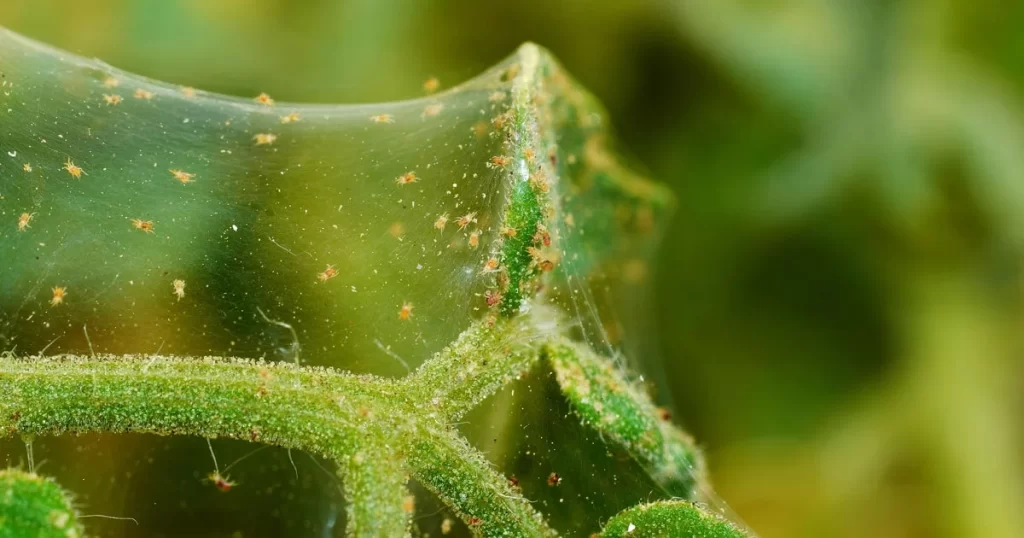
They reproduce rapidly, with females laying hundreds of eggs in fine silk webs that they produce on leaf undersides. Damage includes:
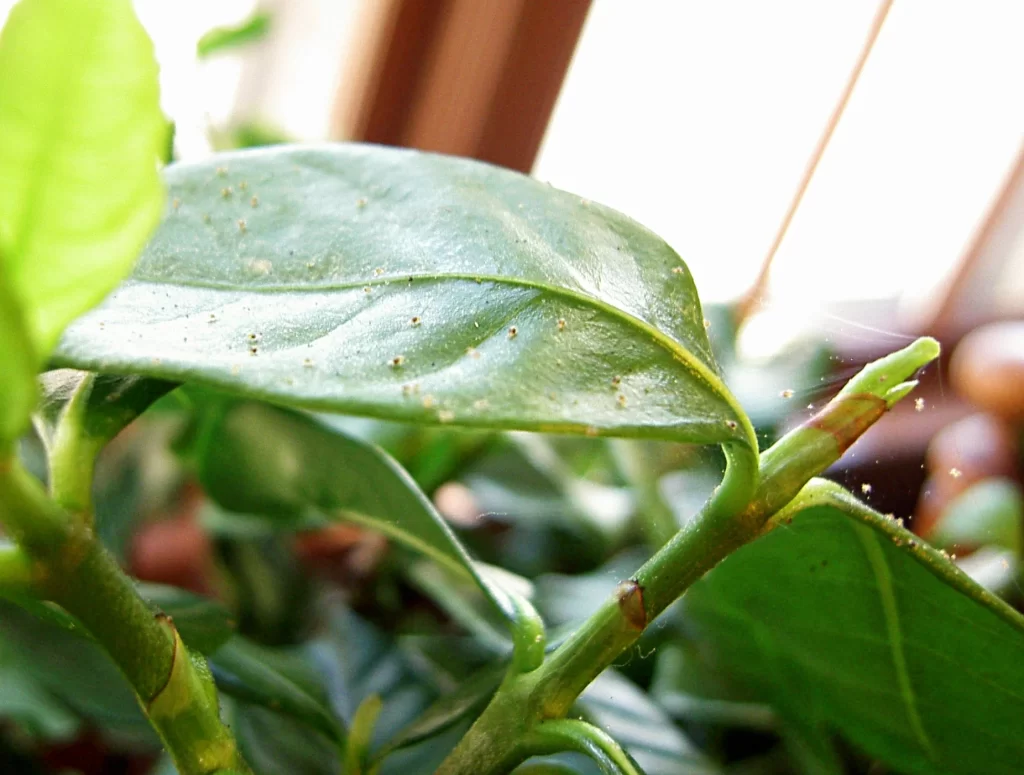
- Yellow or white stippling on leaves
- Webbing, particularly on upper and lower leaf surfaces
- Premature leaf drop
- Reduced growth and flavor quality
Understanding their preferences helps in designing effective prevention strategies.
2. Preventive Cultural Practices
Preventing spider mite infestations starts with good horticultural practices:
a. Sanitation
- Regularly remove dead or damaged leaves, which can harbor mites and their eggs.
- Clean pots, trays, and tools to avoid accidental transfer between plants.
b. Proper Spacing
- Avoid overcrowding plants, as reduced airflow promotes dry microclimates conducive to mite proliferation.
- Allow sufficient distance between pots to ensure ventilation.
c. Environmental Control
- Maintain moderate indoor humidity (50–70%) using humidity trays, pebble trays, or small indoor humidifiers.
- Avoid excessive heat and direct, harsh sunlight that can stress plants.
- Rotate plants occasionally to prevent static microenvironments where mites thrive.
d. Quarantine New Plants
- Isolate new additions for 1–2 weeks to monitor and treat for potential spider mite presence.
- Inspect leaves carefully, particularly undersides, for early signs of mites or webbing.
3. Mechanical and Physical Methods
Physical controls are safe, effective, and immediate:
a. Leaf Sprays
- Regularly spray plants with water to dislodge mites and eggs. Focus on undersides of leaves where they congregate.
- Use a fine mist or gentle stream to avoid damaging delicate leaves.
b. Manual Removal
- Wipe leaves with a damp cloth or sponge to remove mites, especially in early infestations.
- Prune heavily infested leaves to reduce population pressure.
c. Airflow
- Introduce fans or ensure natural ventilation. Spider mites prefer stagnant air; gentle airflow reduces infestation risk.
4. Botanical and Plant-Based Remedies
Plant-derived solutions are effective for prevention and suppression:
a. Neem (Azadirachta indica)
- Neem oil acts as a repellent and growth disruptor for spider mites.
- Apply a dilute neem solution weekly, covering both leaf surfaces and stems.
b. Garlic Extract
- Garlic contains sulfur compounds that deter spider mites and other sap-feeding pests.
- Crush garlic cloves, soak in water for 24 hours, strain, and spray onto leaves.
c. Chili or Pepper Spray
- Capsaicin in chili peppers deters feeding and reproduction.
- Blend peppers with water, strain, and apply carefully to prevent leaf burn.
d. Soap-Based Solutions
- Mild, plant-based soaps or castile soap suffocate mites on contact.
- Spray lightly on affected areas, avoiding excessive application to prevent leaf stress.
e. Herbal Infusions
- Mint, rosemary, or basil infusions repel spider mites naturally.
- Steep leaves in water, strain, and mist over plants weekly as a preventive measure.
5. Soil and Water Management
Healthy plants are more resistant to spider mite attacks:
a. Well-Draining Soil
- Use high-quality potting mix with good aeration. Avoid compacted soil that stresses roots.
b. Controlled Watering
- Maintain consistent moisture without overwatering. Dry soil can stress plants, making them more susceptible to spider mites.
c. Organic Amendments
- Incorporate plant-based compost or green manures to improve soil microbial activity.
- A healthy soil microbiome supports plant vigor and resilience against pests.
6. Companion Planting and Natural Repellents
Certain companion plants can deter spider mites when grown near susceptible indoor greens:
- Basil: Emits volatile compounds that repel spider mites.
- Mint: Its strong aroma discourages pest colonization.
- Marigold: Acts as a barrier and releases compounds that reduce mite attraction.
- Garlic or Chives: Sulfur compounds act as natural repellents.
Companion planting provides a dual benefit: aesthetic appeal and natural pest deterrence.
7. Monitoring and Early Detection
Consistent monitoring is essential:
- Inspect plants twice weekly, paying attention to leaf undersides.
- Use magnifying lenses to detect early mite activity.
- Watch for signs like tiny stippling, yellowing, or webbing.
Early detection allows for timely intervention with non-chemical measures, preventing severe infestations.
8. Integrated Non-Chemical Prevention Strategy
An effective spider mite prevention plan integrates multiple approaches:
- Cultural Practices: Proper sanitation, spacing, humidity, and light.
- Mechanical Controls: Water sprays, manual removal, pruning, and airflow.
- Botanical Treatments: Neem, garlic, chili, soap solutions, and herbal infusions.
- Soil Health: Plant-based compost, green manure, and consistent watering.
- Companion Planting: Basil, mint, marigold, garlic, or chives for natural repellence.
- Monitoring: Regular inspections and early interventions.
This integrated approach maintains healthy, productive indoor greens while avoiding chemical pesticides or animal-derived inputs.
9. Benefits of Non-Chemical Prevention
Preventing spider mites through eco-friendly methods provides several advantages:
- Food Safety: Leaves remain free from chemical residues.
- Environmental Protection: Reduced contamination of soil and water.
- Preservation of Beneficial Microorganisms: Soil and leaf microbiomes remain healthy.
- Sustainability: Supports long-term indoor gardening and urban agriculture.
- Plant Health: Healthy plants are more vigorous, flavorful, and resilient to other stresses.
10. Case Study and Practical Examples
Several gardeners and researchers have successfully implemented these strategies:
- Indoor lettuce beds with basil intercropping experienced a 50% reduction in spider mite incidence compared to unprotected controls.
- Weekly neem and herbal infusions prevented infestations on spinach without impacting plant growth or taste.
- Humidity control and water misting routines significantly reduced mite colonization in indoor herb gardens.
These examples highlight that an integrated, plant-based approach is both practical and effective for indoor greens.
Conclusion
Preventing spider mites on indoor greens requires proactive, integrated management using eco-friendly and plant-based methods. By combining cultural practices, physical interventions, botanical sprays, soil health management, and companion planting, gardeners can maintain healthy, pest-free crops without resorting to chemicals or animal-derived products.
Early detection, consistent monitoring, and preventive care are key to success. Healthy plants, grown under optimal conditions and supported by natural repellents, resist spider mite infestations and recover quickly if minor damage occurs.
This holistic approach ensures safe, productive, and sustainable indoor greens, aligning with the principles of organic and environmentally responsible gardening.