Pest management is one of the most significant challenges in agriculture, horticulture, and home gardening. Insects such as aphids, whiteflies, spider mites, and leaf miners can damage crops and ornamental plants, reducing yield and aesthetic quality. While chemical pesticides are widely used, they often lead to environmental contamination, pest resistance, and harm to beneficial organisms.
An eco-friendly alternative is companion planting, which involves cultivating plants together so that certain species naturally repel pests or attract beneficial organisms that protect neighboring crops. This strategy is particularly valuable for sustainable gardening and organic agriculture, providing protection without using chemical or animal-derived inputs.
This article explores the principles, mechanisms, and practical applications of using companion plants to deter bugs, offering a comprehensive, plant-based approach for pest management.
1. Principles of Companion Planting

Companion planting works on several biological and ecological principles:
- Chemical Repellence: Certain plants release volatile compounds, such as essential oils, that deter herbivorous insects.
- Masking Host Plants: Aromatic plants can camouflage vulnerable crops by masking their scent, making it harder for pests to locate them.
- Attracting Beneficial Insects: Some plants provide nectar or pollen to predatory or parasitic insects, enhancing natural pest control.
- Trap Cropping: Highly attractive plants lure pests away from main crops, reducing damage while offering a controlled target for removal.
Understanding these mechanisms allows gardeners to design planting schemes that reduce insect damage naturally.
2. Common Companion Plants and Their Bug-Deterring Properties
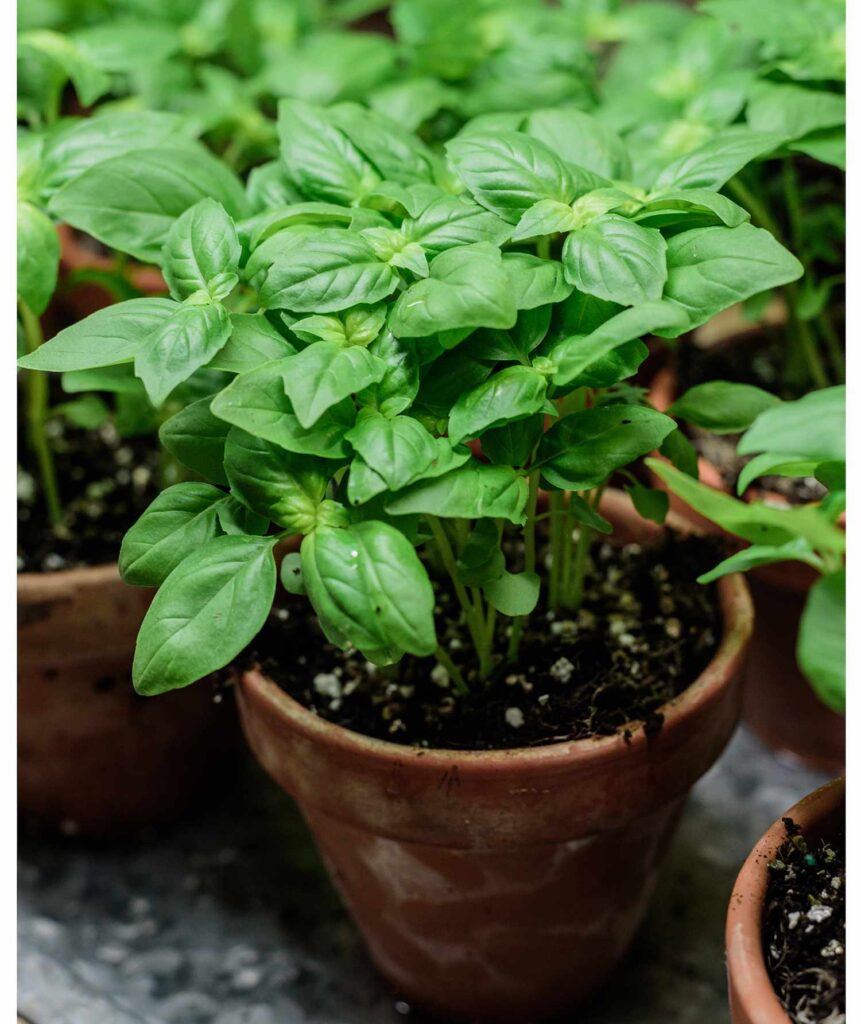
a. Basil (Ocimum basilicum)
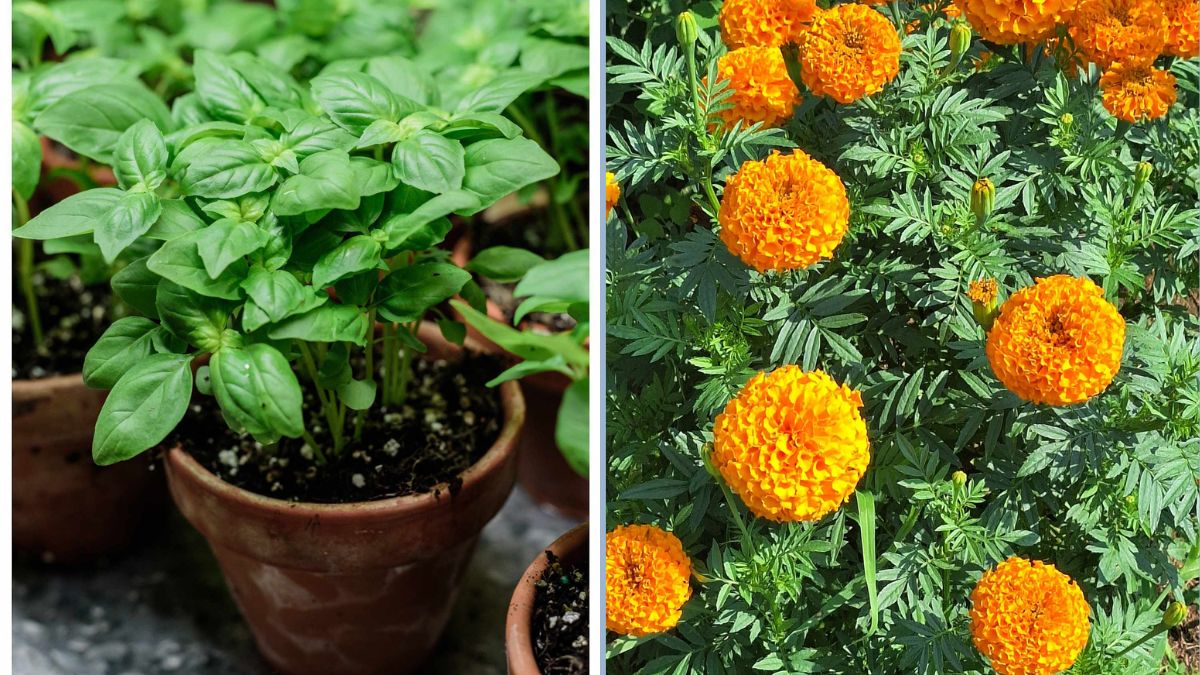
Basil emits strong aromatic compounds such as eugenol and linalool that repel whiteflies, aphids, and spider mites. It is often paired with tomatoes, peppers, or lettuce to reduce insect infestations.
b. Marigold (Tagetes spp.)
Marigolds release thiophenes, natural compounds that deter nematodes and root-dwelling insects. Planting marigolds around vegetables and herbs can reduce pest pressure and enhance soil health.
c. Garlic (Allium sativum)
Garlic produces sulfur-containing compounds that repel aphids, thrips, and caterpillars. Interplanting garlic with roses, tomatoes, and leafy greens provides continuous protection against multiple pests.
d. Chives (Allium schoenoprasum)
Chives emit sulfur compounds similar to garlic and are effective against aphids and leaf miners. They also attract pollinators, contributing to plant health.
e. Nasturtium (Tropaeolum majus)
Nasturtiums act as trap crops for aphids and whiteflies. Planting them near cabbages, kale, or broccoli diverts pests from the main crops while offering colorful aesthetic value.
f. Mint (Mentha spp.)
Mint’s strong aroma repels ants, aphids, and flea beetles. Planting mint around herb gardens can reduce pest movement while enhancing the aroma and flavor of nearby crops.
g. Rosemary (Rosmarinus officinalis)
The resinous leaves of rosemary deter cabbage moths, carrot flies, and other leaf-feeding insects. It is suitable for planting alongside carrots, beans, or other susceptible crops.
h. Lemon Balm (Melissa officinalis)
Lemon balm emits volatile oils that repel mosquitoes, thrips, and aphids. It grows well alongside lettuce, tomatoes, and other garden vegetables.
3. How Companion Plants Work
a. Chemical Signaling
Many aromatic plants produce volatile organic compounds that interfere with insect sensory systems. For example, basil and mint release compounds that disrupt aphid host-finding behavior, reducing infestation levels.
b. Physical Barriers
Dense or spiny companion plants can form physical barriers that restrict pest access. Nasturtiums, for example, spread low across the soil, preventing pests from reaching susceptible crops.
c. Ecosystem Support
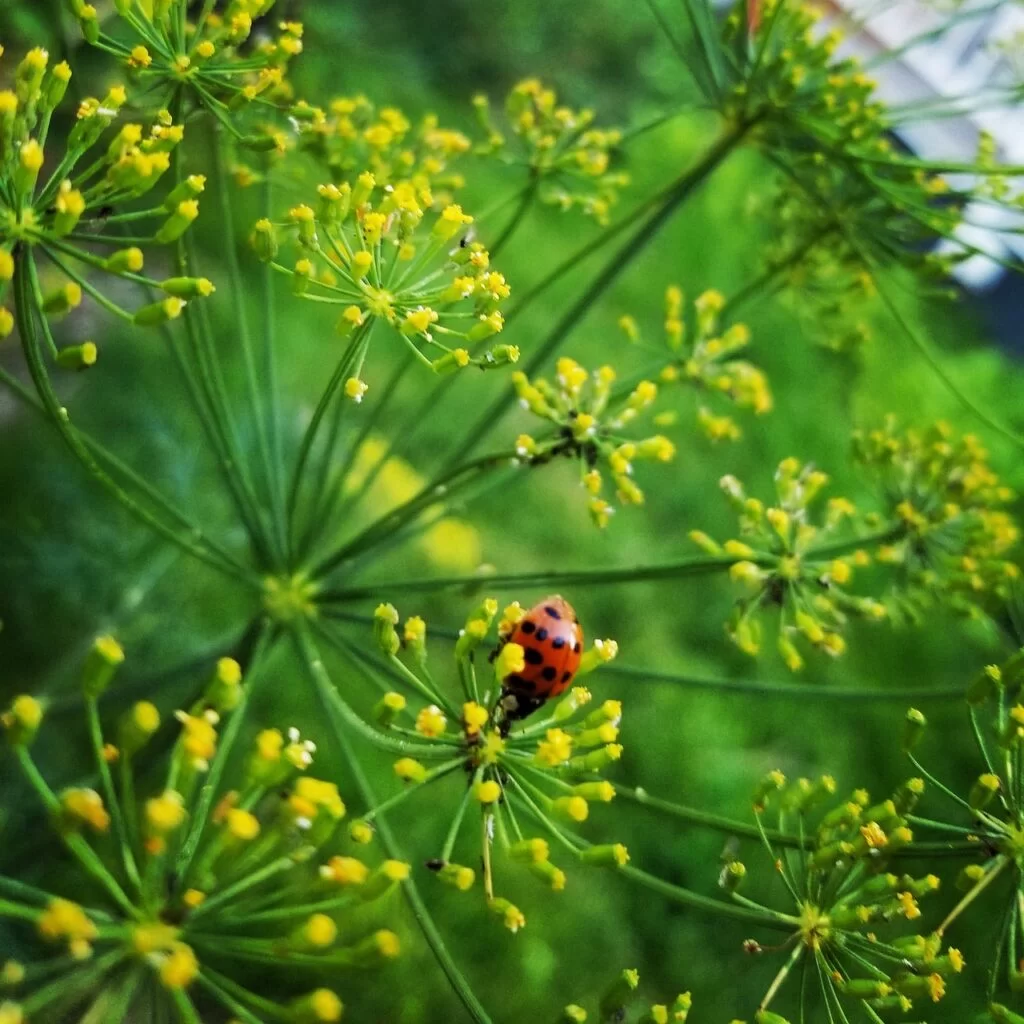
Some companion plants provide nectar and pollen to beneficial insects, such as ladybugs, lacewings, and predatory wasps, which prey on harmful pests. By supporting these allies, gardeners reduce pest populations naturally.
d. Trap Cropping
Plants like nasturtium or mustard attract pests preferentially, drawing them away from the main crops. This allows gardeners to monitor pest populations and remove the trap crops when infestations are high.
4. Practical Strategies for Using Companion Plants
a. Intercropping
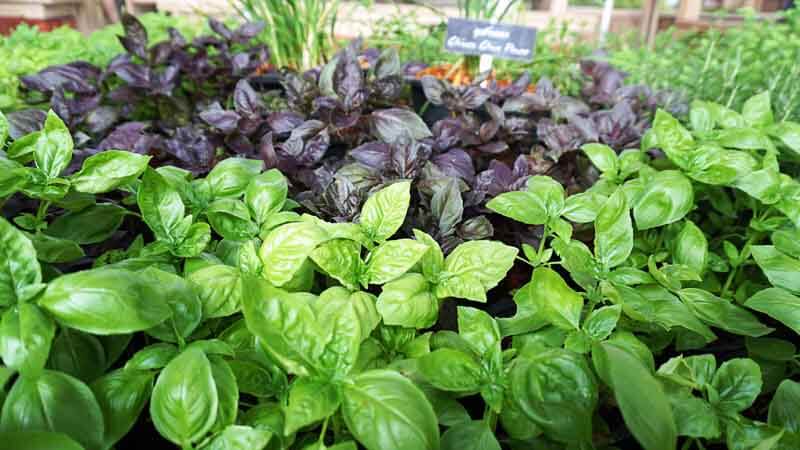
Plant bug-repellent species directly among susceptible crops. For example, basil interplanted with tomatoes or chives among lettuce disrupts insect movement and reduces attack rates.
b. Border Planting
Use aromatic or repellent plants as borders around vegetable beds, herb gardens, or ornamental plant clusters. Marigold, garlic, and rosemary borders provide a protective perimeter that limits pest infiltration.
c. Succession Planting
Rotate companion plants in succession to maintain continuous protection. For example, alternating basil and marigold every season ensures persistent volatile compound presence and deters pests throughout the growing cycle.
d. Container Gardening
In small indoor or balcony gardens, plant repellent companions in the same pots or adjacent containers. Herbs such as mint, basil, and chives protect sensitive herbs like parsley, thyme, and cilantro from pests.
e. Mixed Planting
Combine multiple repellent species to target a broader range of pests. For instance, pairing garlic, mint, and marigold in a vegetable patch can repel aphids, whiteflies, and root nematodes simultaneously.
5. Benefits Beyond Pest Control
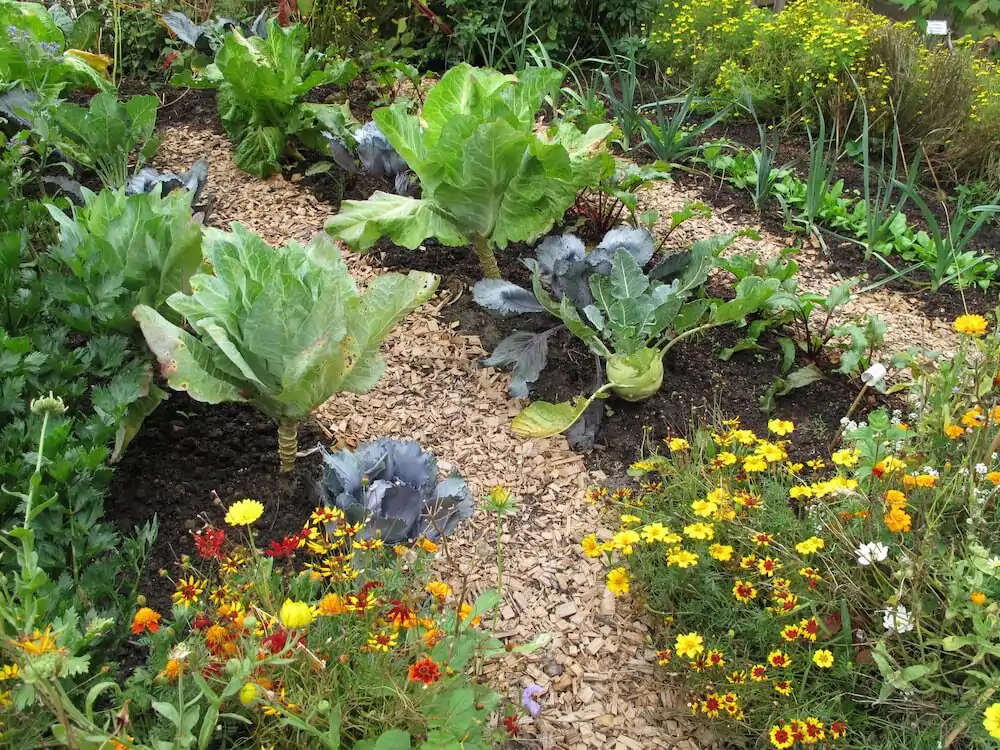
Companion planting provides several additional advantages:
- Enhanced Biodiversity: Intercropping increases plant variety, supporting beneficial insects and soil microbes.
- Improved Soil Health: Some companion plants, like marigold and mustard, release compounds that suppress soil-borne pests and pathogens.
- Pollinator Attraction: Flowers like nasturtium and marigold attract bees and other pollinators, improving fruit set in crops like tomatoes and peppers.
- Aesthetic Value: Companion plants add color, texture, and fragrance, enhancing the overall appeal of gardens.
- Reduced Chemical Dependence: Using companion plants decreases reliance on synthetic pesticides, aligning with organic and sustainable gardening principles.
6. Case Studies and Evidence
Several studies support the effectiveness of companion planting:
- Tomatoes and Basil: Intercropping basil with tomatoes reduced whitefly populations by up to 60% in controlled trials.
- Marigold Borders: Fields with marigold borders had fewer nematode infestations and healthier root systems in adjacent vegetables.
- Nasturtium as Trap Crop: Nasturtium diverted aphids from brassicas, lowering damage and supporting biological pest control.
These findings illustrate that companion plants are not merely supplemental—they are central to a holistic, eco-friendly pest management strategy.
7. Considerations and Limitations
While companion planting is highly effective, it requires planning:
- Compatibility: Ensure companion plants do not compete excessively for water, nutrients, or light.
- Growth Habits: Low-growing plants like mint or nasturtium may need containment to prevent aggressive spreading.
- Monitoring: Companion planting reduces pest populations but does not eliminate them entirely. Regular inspection and early intervention remain critical.
- Local Conditions: The effectiveness of certain companions may vary with climate, soil type, and pest species.
Understanding these factors allows gardeners to design effective companion planting schemes.
8. Integrated Plant-Based Pest Management
Companion planting works best when integrated with other non-chemical strategies:
- Cultural Practices: Proper spacing, crop rotation, and sanitation reduce pest breeding sites.
- Mechanical Controls: Handpicking, water sprays, and sticky traps can manage early infestations.
- Botanical Sprays: Neem oil, garlic, or chili sprays can supplement repellent effects of companion plants.
- Soil Health: Plant-based compost, green manures, and mulches improve plant vigor, reducing susceptibility to insect attacks.
This integrated approach creates a robust, chemical-free ecosystem where plants and beneficial organisms thrive, and pest populations remain under control.
Conclusion
Using companion plants to deter bugs is an effective, sustainable, and eco-friendly strategy for protecting crops, herbs, and ornamental plants. By leveraging natural chemical repellents, physical barriers, trap cropping, and ecosystem support, gardeners can minimize insect damage without relying on chemical pesticides or animal-based inputs.
Companion planting enhances biodiversity, supports pollinators, improves soil health, and contributes to aesthetic and culinary value. While it requires thoughtful planning, monitoring, and integration with other plant-based management practices, its benefits make it a cornerstone of sustainable gardening and organic agriculture.
Incorporating companion plants into gardens and agricultural systems provides a practical, low-risk, and environmentally responsible solution for deterring bugs while promoting healthy, productive plants year-round.