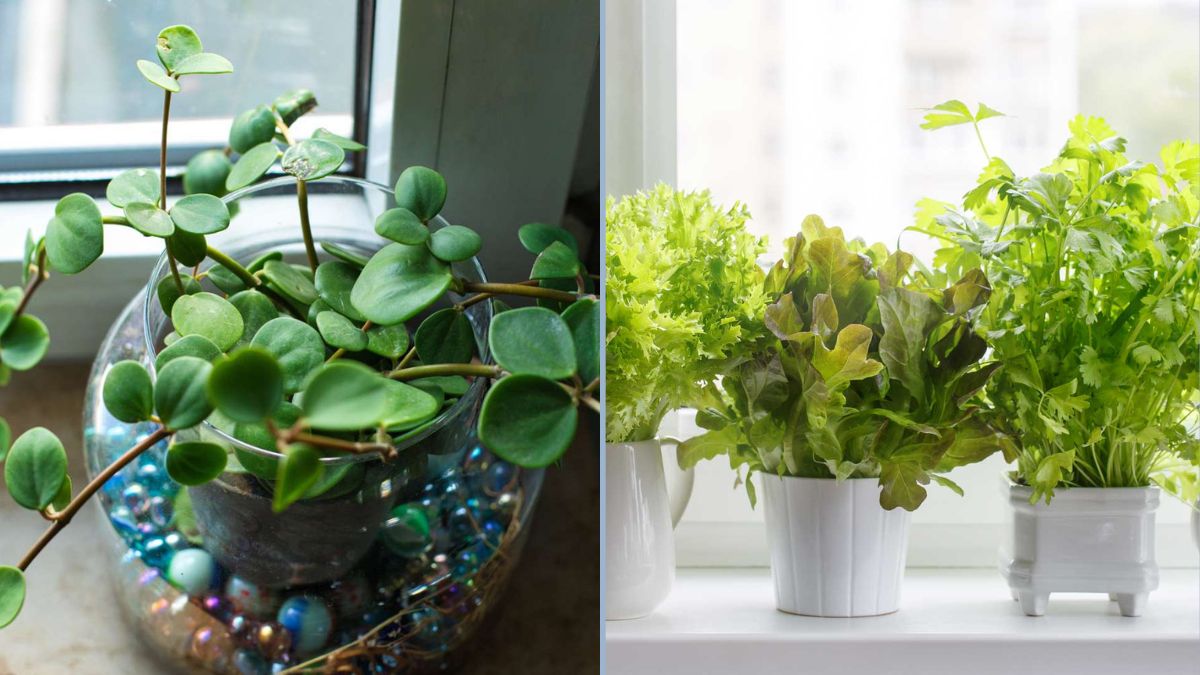
As climate variability increases and seasonal temperatures fluctuate, gardeners are increasingly exploring ways to grow nutritious greens indoors. Cold-resistant greens—plants naturally tolerant to cooler temperatures—offer a unique opportunity to enjoy fresh, leafy vegetables year-round. When grown indoors, these greens can thrive even in winter or temperate climates, providing a reliable source of vitamins, minerals, and fiber while enhancing indoor air quality and aesthetic appeal.
This article explores methods for cultivating cold-resistant greens indoors, including plant selection, environmental management, soil and container strategies, watering and fertilization practices, and long-term maintenance—all without using non-vegetarian products.
Understanding Cold-Resistant Greens
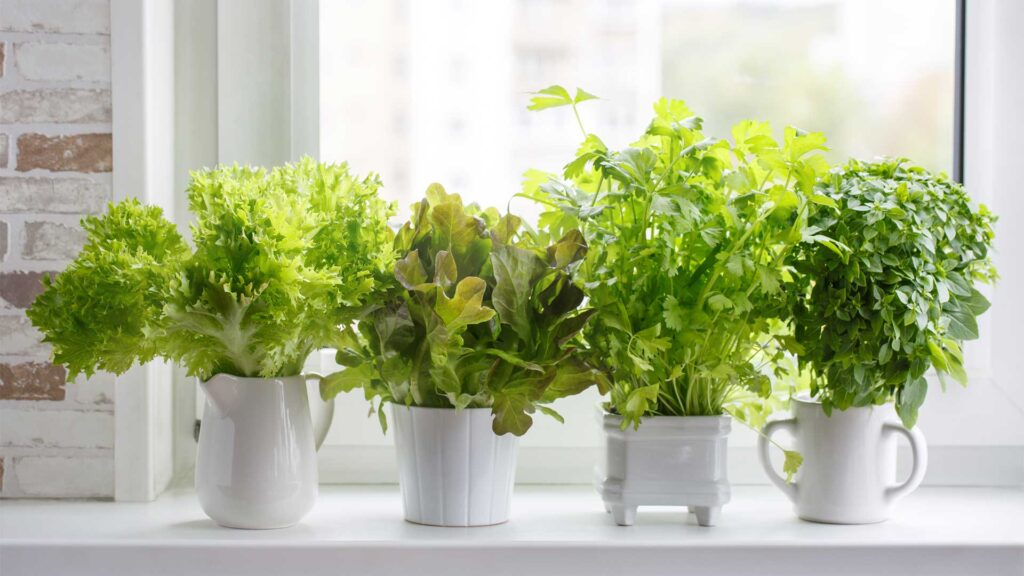
Cold-resistant greens are varieties that can withstand lower temperatures without wilting, yellowing, or suffering frost damage. Many of these plants are naturally adapted to temperate climates and can continue to grow at indoor temperatures ranging from 10–18°C (50–65°F).
Benefits of Cold-Resistant Greens
- Extended growing season: Can be cultivated indoors year-round
- Nutritional value: Rich in vitamins A, C, K, calcium, and iron
- Low maintenance: Hardy plants require minimal care and tolerate cooler indoor conditions
- Aesthetic and environmental value: Improve indoor air quality and add greenery to living spaces
Examples of cold-resistant greens include kale, spinach, arugula, mustard greens, and Swiss chard.
Selecting Suitable Cold-Resistant Greens for Indoor Growth
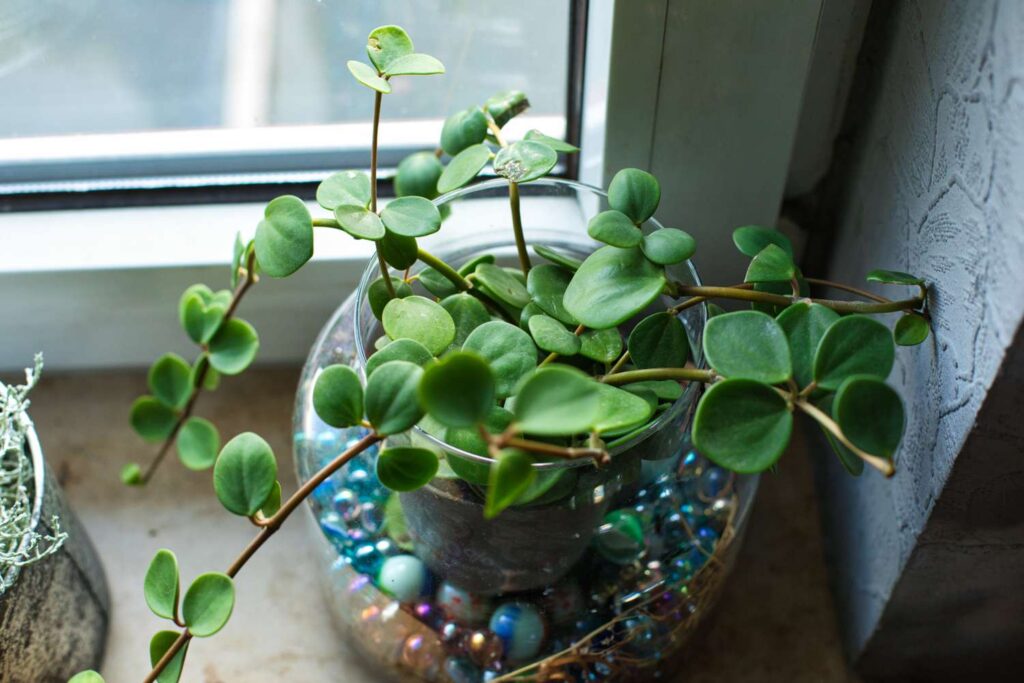
Choosing the right varieties is key to a successful indoor garden. Cold-tolerant plants are robust, often fast-growing, and can survive lower light and temperature conditions.
Recommended Cold-Resistant Greens
- Kale:
- Thrives in cool conditions
- Nutrient-rich, particularly high in vitamins K and A
- Varieties: Curly kale, Lacinato (Dinosaur) kale
- Spinach:
- Grows well in moderate sunlight
- Ideal for salads, sautéing, or smoothies
- Varieties: Bloomsdale, Baby spinach
- Arugula (Rocket):
- Fast-growing with a peppery flavor
- Tolerates temperatures down to 7°C (45°F)
- Easy to grow in small pots
- Mustard Greens:
- Robust leaves with slight spiciness
- Can tolerate fluctuating indoor temperatures
- Adds variety to salads and cooking
- Swiss Chard:
- Bright stems and nutrient-dense leaves
- Tolerates cooler indoor environments
- Offers both aesthetic and culinary appeal
- Microgreens (Broccoli, Kale, Radish):
- Ideal for small indoor spaces
- Harvestable within 10–14 days
- Packed with concentrated nutrients
Ideal Indoor Conditions for Cold-Resistant Greens
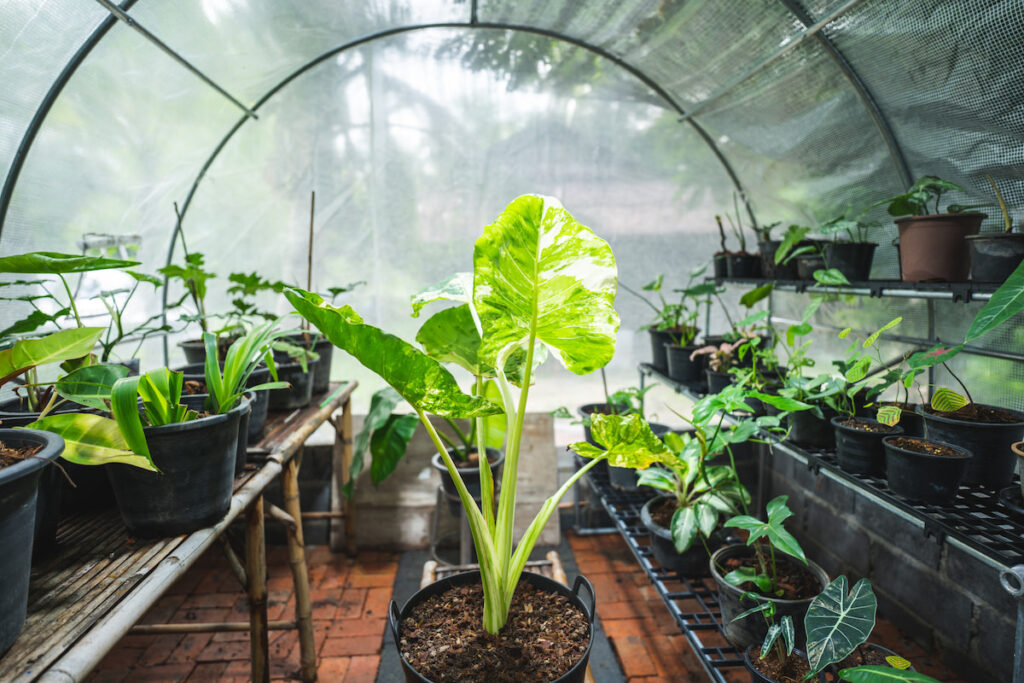
Even though these plants tolerate cooler temperatures, indoor growth requires careful environmental management to ensure optimal health.
1. Temperature
- Most cold-resistant greens grow best between 10–18°C (50–65°F)
- Avoid placing plants near heaters or drafty windows to prevent stress
- Cooler night temperatures simulate natural conditions and enhance leaf flavor in kale and spinach
2. Light
- Leafy greens require 10–14 hours of light daily for healthy growth
- Natural sunlight: Place plants near south- or east-facing windows
- Artificial lighting: Full-spectrum LED grow lights can supplement or replace natural light
- Rotate containers to ensure even exposure
3. Humidity
- Indoor heating or dry air can affect leaf texture
- Maintain 40–60% humidity using pebble trays, grouping plants, or gentle misting
- Avoid over-saturating leaves, which can encourage fungal growth
4. Air Circulation
- Proper airflow prevents mold, mildew, and stagnant air
- Small fans on low settings can help circulate air without chilling plants
Containers and Soil Selection
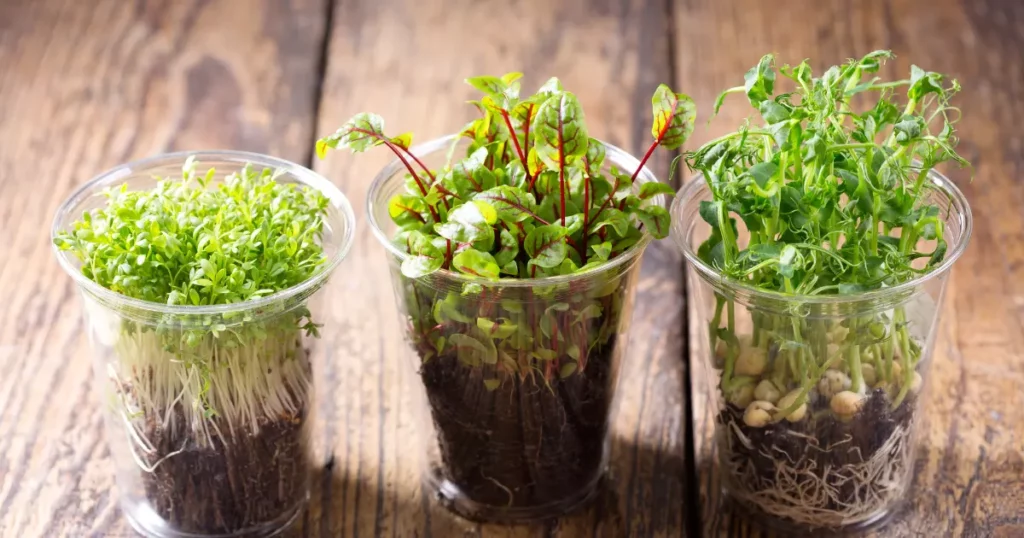
Containers
- Choose pots or trays with adequate drainage holes
- Shallow containers suit microgreens or lettuces; deeper containers are ideal for kale, spinach, and chard
- Self-watering containers help regulate soil moisture
Soil
- Use plant-based, organic potting mixes with good drainage
- Ingredients such as coconut coir, peat-free compost, perlite, and vermiculite are excellent
- Avoid animal-derived fertilizers like bone meal or fish emulsion
Watering and Moisture Management
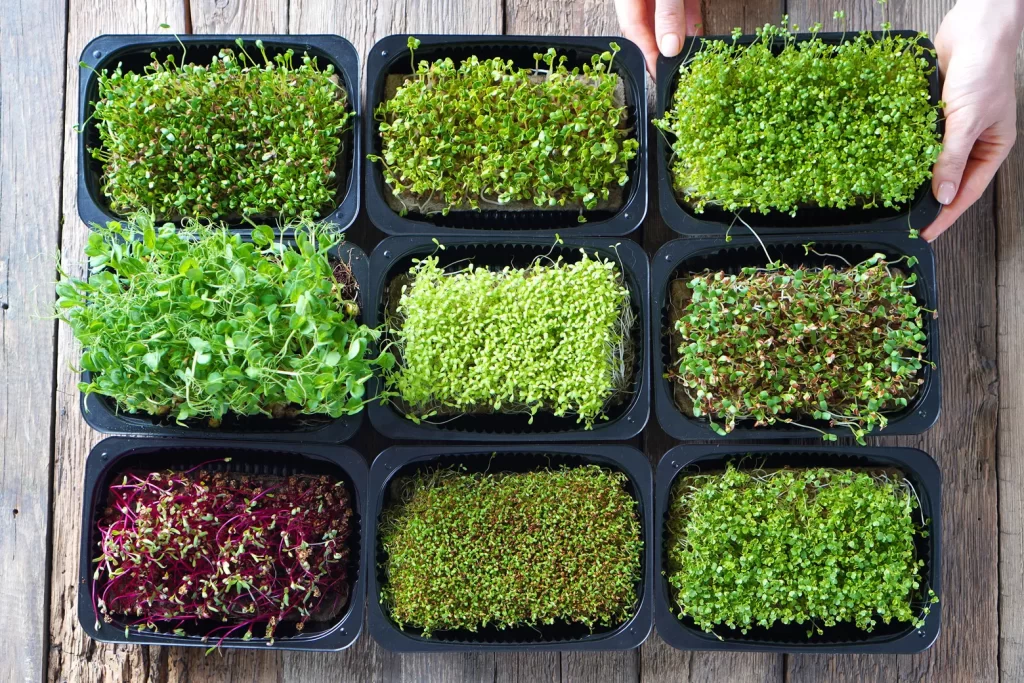
Cold-resistant greens require careful watering. Overwatering can lead to root rot, while under-watering stresses the plant and reduces leaf quality.
Watering Tips
- Check soil moisture before watering; soil should feel slightly dry at the top
- Water with room-temperature water to avoid shocking roots
- Use bottom watering for microgreens or shallow trays to encourage strong root systems
- Mulch lightly with dried leaves or coconut coir to retain moisture
Fertilization Practices
Even cold-resistant greens benefit from nutrients during indoor cultivation. Using plant-based fertilizers ensures ethical, sustainable growth.
Options
- Compost teas: Provide nitrogen and trace minerals
- Seaweed extracts: Enhance leaf color and improve resistance to stress
- Liquid plant fertilizers: Derived from legumes or plant residues
Apply lightly every 2–3 weeks, adjusting frequency based on growth stage. Avoid excessive fertilization, which may cause leaf burn or alter taste.
Lighting Techniques for Winter or Low-Light Conditions
- Place plants near windows with maximum natural light
- Supplement with LED grow lights when daylight hours are short
- Maintain a distance of 12–18 inches between light and foliage
- Provide 10–14 hours of light daily, adjusting for species
Proper lighting compensates for shorter days and ensures vibrant, healthy leaves.
Harvesting Cold-Resistant Greens Indoors
Correct harvesting ensures a continuous supply of fresh leaves and encourages healthy regrowth.
Methods
- Cut-and-come-again: Remove outer leaves while allowing inner leaves to grow
- Microgreens: Harvest at 2–3 inches for maximum flavor and nutrition
- Kale and chard: Pick mature leaves gradually to maintain production
Harvesting every 7–14 days promotes tender leaves and prevents overcrowding.
Pest and Disease Management
Indoor environments are less prone to pests than outdoor gardens, but vigilance is still necessary.
Common Indoor Challenges
- Aphids
- Whiteflies
- Fungus gnats
Plant-Based Control Methods
- Regular inspection of leaves and stems
- Neem oil sprays or garlic-chili water solutions
- Avoid overwatering and ensure proper airflow
- Maintain cleanliness in pots, trays, and surrounding areas
These measures prevent infestations while avoiding chemical or animal-derived pesticides.
Space Optimization for Indoor Gardening
Indoor gardening often requires creative use of limited space.
Strategies
- Vertical gardening: Use shelves or tiered trays
- Stacked containers: Maximize surface area without crowding
- Hanging planters: Ideal for trailing greens or small spaces
- Succession planting: Sow seeds every 1–2 weeks for uninterrupted harvest
Efficient use of space ensures a continuous supply of fresh leaves throughout the year.
Benefits of Indoor Cold-Resistant Greens
Indoor cultivation offers multiple advantages:
- Nutritional: Provides vitamin-rich, fresh greens year-round
- Environmental: Reduces reliance on store-bought produce and transportation
- Aesthetic: Enhances indoor spaces with greenery
- Psychological: Supports mental well-being and mindfulness
- Sustainable: Encourages plant-based, ethical living practices
These benefits make indoor cold-resistant greens ideal for modern, ethical households and research-oriented cultivation projects.
Common Mistakes to Avoid
- Placing plants near cold drafts or heating vents
- Overwatering in low-light conditions
- Using soil with poor drainage
- Neglecting humidity requirements
- Overcrowding containers
Correcting these mistakes ensures healthy, long-lasting growth.
Conclusion
Growing cold-resistant greens indoors is a practical and rewarding solution for year-round access to fresh, nutrient-rich vegetables. By carefully selecting hardy species, providing appropriate temperature, light, humidity, and airflow, and using plant-based soils and fertilizers, indoor gardeners can cultivate a thriving green oasis even in winter.
Attention to watering, pest management, harvesting, and space optimization further ensures continuous productivity. Indoor cultivation of cold-resistant greens not only supports nutrition and wellness but also promotes sustainable, ethical, and environmentally conscious gardening practices.
With proper planning and care, indoor cold-resistant greens can provide fresh, vibrant leaves throughout the year, making indoor gardening a viable and enjoyable practice for homes, apartments, and research projects alike.