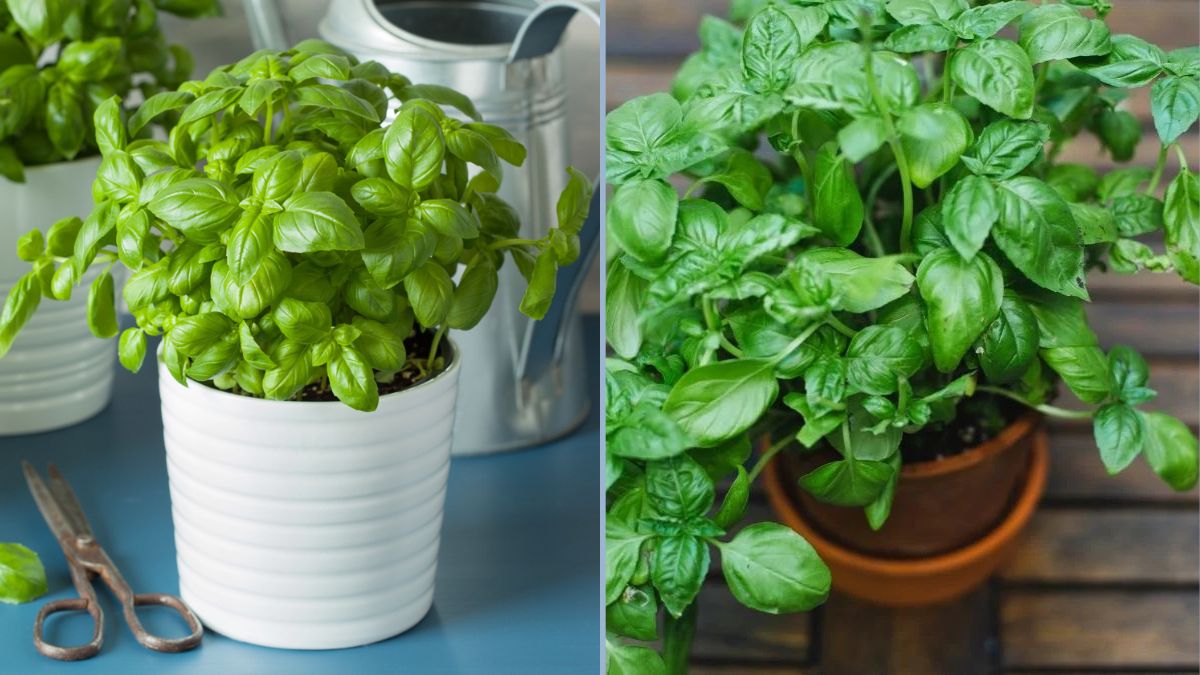
Basil (Ocimum basilicum) is one of the most versatile and aromatic herbs in the kitchen, prized for its culinary, medicinal, and aesthetic qualities. Its vibrant green leaves and distinctive fragrance enhance a variety of dishes, from fresh salads and sauces to teas and garnishes. Growing basil indoors year-round offers the advantage of having fresh, pesticide-free leaves at your fingertips regardless of season or climate. With the right conditions, careful care, and sustainable practices, basil can thrive in small indoor spaces while providing a continuous harvest.
This article explores detailed strategies for cultivating basil indoors throughout the year, including plant selection, environmental conditions, container and soil choices, watering and fertilization, pest management, propagation, and harvest techniques—all using vegetarian and eco-friendly methods.
1. Understanding Basil and Its Growth Requirements
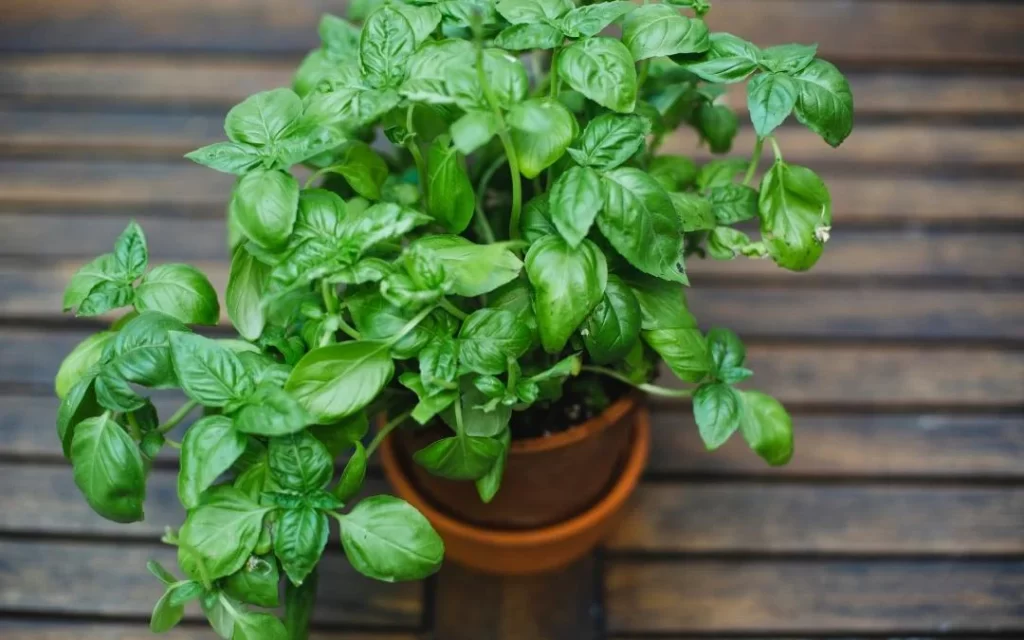
Basil is a warm-weather herb that originates from tropical and subtropical regions. It prefers temperatures between 18–30°C (65–86°F) and abundant sunlight. Indoors, creating conditions that mimic its natural habitat ensures robust growth.
Key Requirements
- Light: 10–14 hours of bright, indirect or direct light daily
- Temperature: Consistently warm, avoiding drafts and sudden drops
- Humidity: Moderate (40–60%) to prevent leaf curling and dryness
- Air Circulation: Gentle airflow to reduce the risk of fungal diseases
By understanding basil’s growth preferences, indoor gardeners can provide optimal conditions for year-round cultivation.
2. Selecting Basil Varieties for Indoor Growth
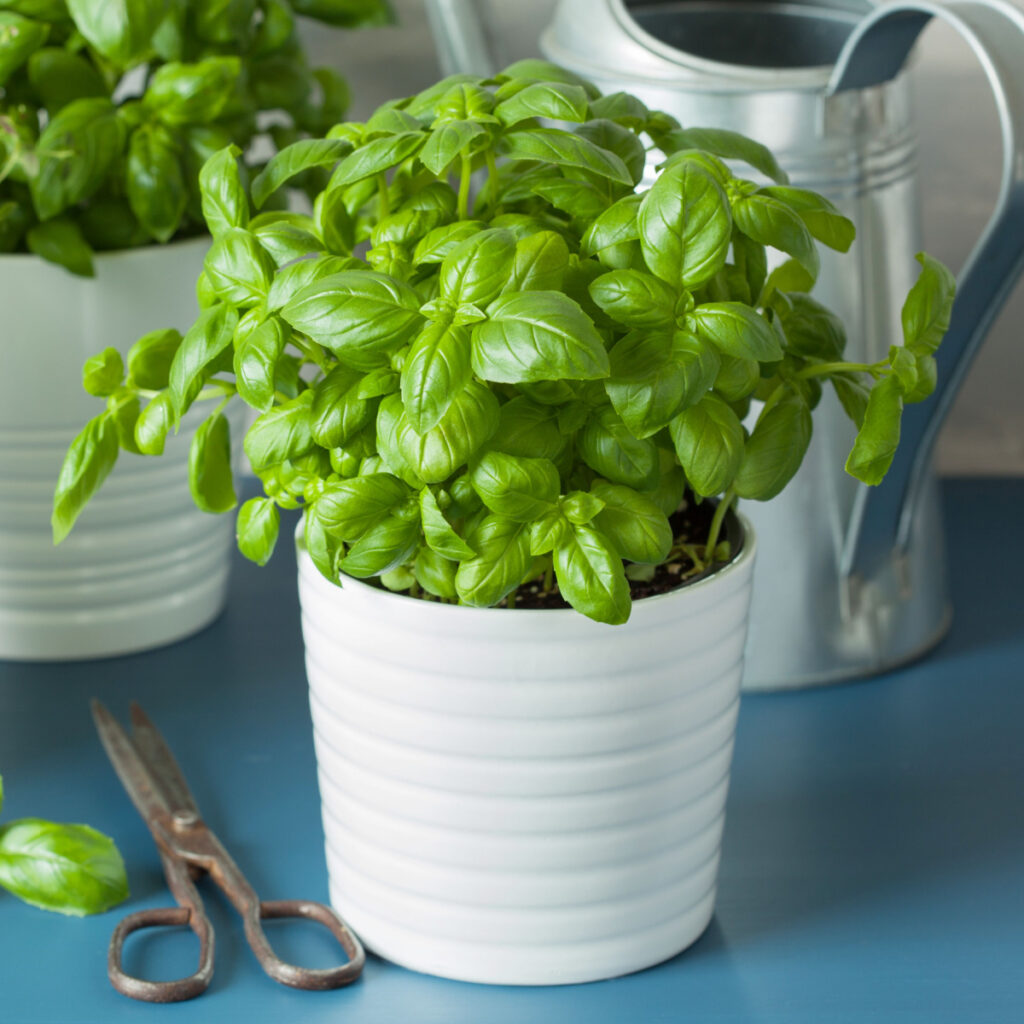
Several basil varieties adapt well to indoor conditions, each offering unique flavors and culinary uses.
Popular Indoor Varieties
- Sweet Basil: Classic variety used in Italian cuisine; mild, aromatic flavor
- Genovese Basil: Ideal for pesto; tender, dark green leaves
- Lemon Basil: Citrus-scented, adds a fresh twist to salads and teas
- Thai Basil: Spicy, anise-flavored leaves for Asian dishes
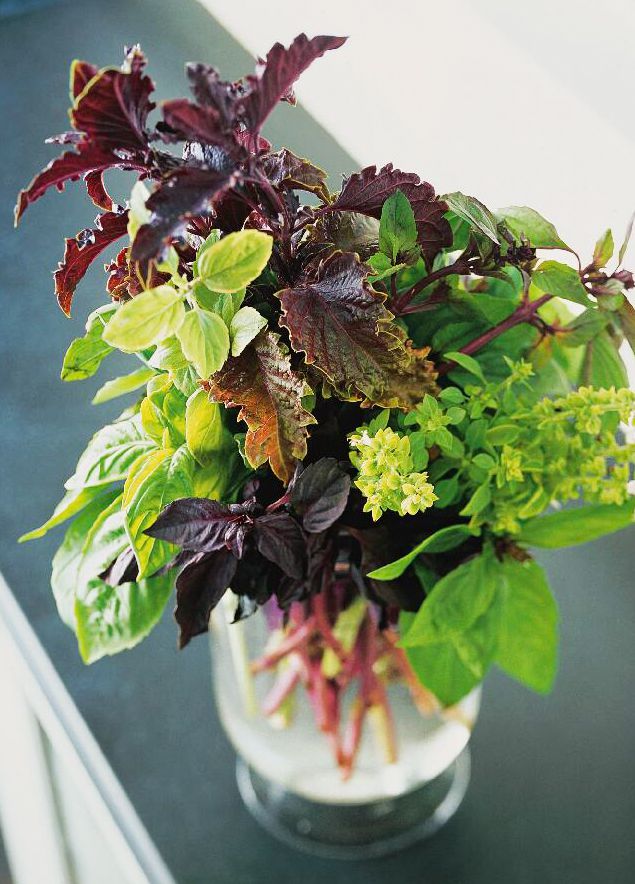
- Purple Basil: Vibrant purple leaves for ornamental and culinary purposes
Selecting one or more varieties based on taste, culinary needs, and growth habits allows gardeners to enjoy diversity and maintain continuous harvests.
3. Ideal Indoor Conditions for Year-Round Growth
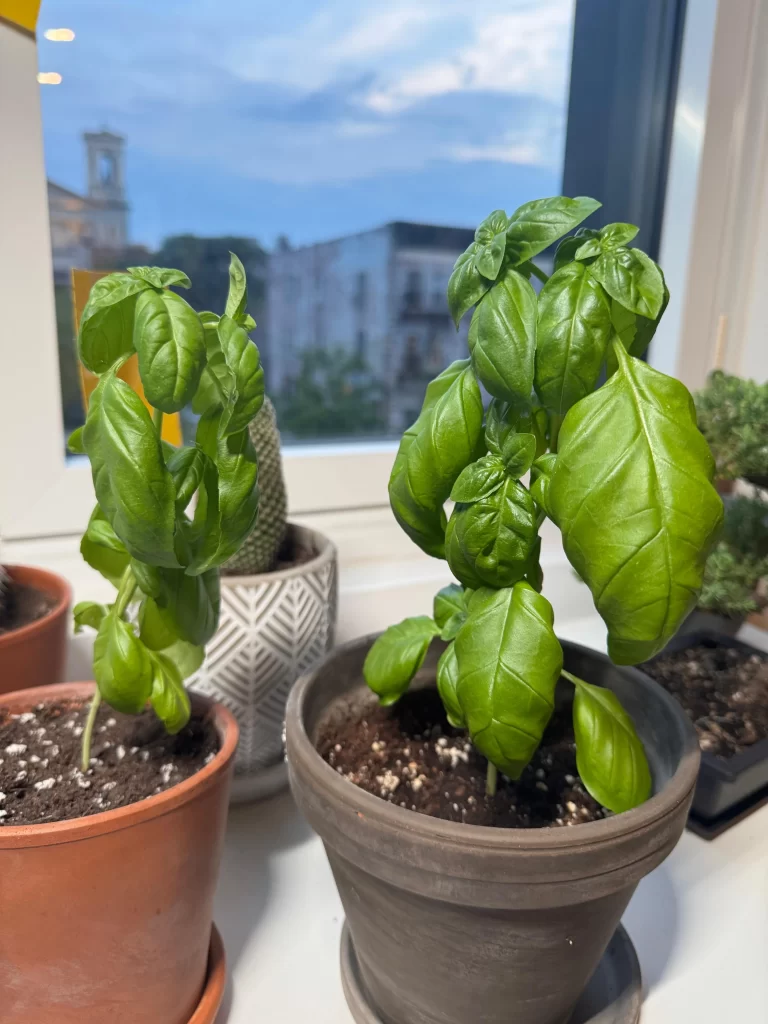
Creating a stable indoor environment is essential for basil’s health and productivity.
Light Requirements
- Place basil near south- or east-facing windows for maximum sunlight.
- If natural light is insufficient, supplement with full-spectrum LED grow lights for 12–14 hours per day.
- Rotate pots weekly to ensure even light exposure and prevent leggy growth.
Temperature and Humidity
- Maintain daytime temperatures of 20–25°C (68–77°F) and nighttime temperatures no lower than 15°C (59°F).
- Moderate humidity can be achieved with pebble trays, grouping pots together, or occasional misting.
Air Circulation
- Avoid stagnant air; gentle airflow helps prevent fungal growth and encourages strong stems.
- Use small fans on low settings if necessary.
4. Container and Soil Considerations
Containers
- Use pots with adequate drainage holes to prevent waterlogging.
- Small to medium-sized pots (6–12 inches) suit most indoor varieties.
- Consider self-watering pots to maintain consistent moisture without overwatering.
Soil
- Use plant-based, organic potting mixes rich in compost, coconut coir, perlite, or vermiculite.
- Avoid animal-based fertilizers such as bone meal or fish emulsion.
- Top-dress soil with shredded leaves or compost every 4–6 weeks to replenish nutrients.
Healthy, well-drained soil promotes strong root development and vibrant foliage.
5. Watering Strategies
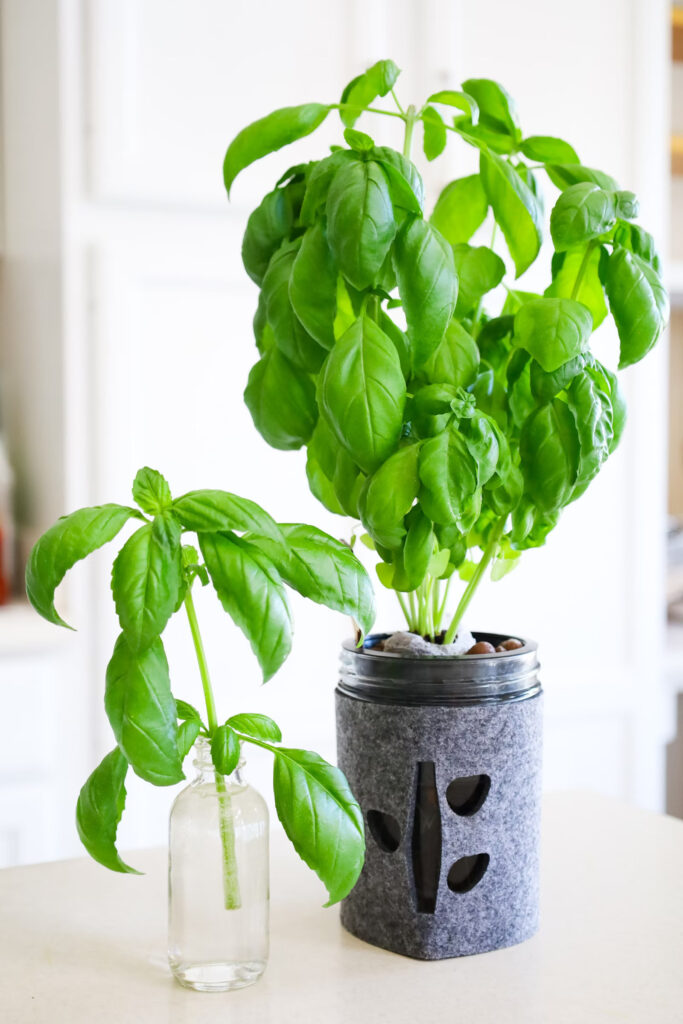
Basil is sensitive to both overwatering and underwatering. Proper moisture management ensures vigorous growth.
Best Practices
- Water when the top 1–2 inches of soil are dry.
- Use room-temperature water to prevent root shock.
- Avoid wetting leaves excessively to reduce the risk of fungal diseases.
- Mulch lightly with coconut coir or dried leaves to retain soil moisture.
Adjust watering frequency based on season: more frequent in warmer months, less during cooler periods.
6. Fertilization for Continuous Growth
Year-round basil cultivation requires steady nutrient supply. Plant-based fertilizers provide essential nutrients while maintaining ethical gardening practices.
Recommended Fertilizers
- Compost tea: Rich in nitrogen, phosphorus, and potassium
- Seaweed extract: Enhances leaf color, aroma, and growth
- Plant residue liquid fertilizers: Promote steady development without animal products
Apply lightly every 2–3 weeks, adjusting strength according to plant size and growth rate. Over-fertilization can lead to leaf burn or altered flavor.
7. Pruning and Harvesting Techniques
Pruning basil promotes bushy growth, encourages branching, and maximizes harvest potential.
Pruning Tips
- Pinch off the top 2–3 sets of leaves regularly to encourage lateral growth.
- Remove flower buds as they appear to prevent bitterness and extend leaf production.
- Use sharp, clean scissors or fingers to minimize stem damage.
Harvesting Guidelines
- Harvest outer leaves first, leaving inner leaves to continue growing.
- Micro-harvesting ensures continuous production without stressing the plant.
- Regular harvesting every 7–10 days encourages vigorous regrowth.
8. Propagation for Year-Round Supply
Propagation allows gardeners to expand their indoor basil garden and maintain a steady supply of fresh leaves.
Propagation Methods
- Stem Cuttings
- Cut 4–6 inch stems just below a leaf node.
- Place in water until roots form (7–14 days), then transplant into soil.
- Seed Sowing
- Sow seeds in shallow trays or small pots.
- Keep soil consistently moist until germination (5–10 days).
- Thin seedlings to prevent overcrowding and ensure robust growth.
- Layering
- Bend a low stem to touch soil, encourage rooting, and then separate as a new plant.
Propagation ensures a sustainable, continuous indoor basil garden without relying on purchased plants.
9. Pest and Disease Management
Indoor basil can occasionally face pest or disease challenges. Plant-based strategies are effective and safe.
Common Issues
- Aphids, spider mites, and whiteflies
- Fungal infections such as downy mildew or powdery mildew
Vegetarian-Friendly Solutions
- Inspect leaves and stems regularly
- Use neem oil sprays or garlic-chili water solutions
- Maintain good airflow and avoid waterlogged soil
- Remove affected leaves promptly
Early intervention prevents serious infestations and ensures healthy growth.
10. Seasonal Adjustments for Indoor Cultivation
Even indoors, adjusting care according to seasonal changes optimizes basil yield.
Winter
- Supplement light due to shorter days
- Reduce watering frequency as growth slows
- Maintain moderate humidity to counter dry indoor air
Summer
- Provide partial shading during peak sunlight hours
- Water more frequently to compensate for high temperatures
- Monitor for increased pest activity
Spring and Autumn
- Moderate watering and fertilization
- Rotate plants to maximize light exposure
- Continue pruning and harvesting to maintain growth
11. Benefits of Year-Round Indoor Basil Cultivation
- Culinary: Fresh leaves for sauces, salads, teas, and garnishes
- Nutritional: Rich in vitamins A, C, K, and antioxidants
- Aesthetic: Adds greenery and fragrance to indoor spaces
- Sustainable: Reduces reliance on store-bought basil and packaging
- Educational: Offers hands-on experience with plant care, propagation, and environmental management
By cultivating basil year-round indoors, gardeners enjoy multiple practical, ecological, and sensory benefits.
12. Common Mistakes to Avoid
- Overwatering or underwatering
- Allowing stems to flower prematurely, which reduces leaf quality
- Insufficient light leading to leggy growth
- Overcrowding pots or containers
- Using animal-based fertilizers instead of plant-based solutions
Avoiding these mistakes ensures healthy plants and consistent harvests.
Conclusion
Growing fresh basil indoors year-round is achievable with proper planning, care, and attention to environmental conditions. By selecting suitable varieties, providing adequate light, warmth, and humidity, using plant-based soil and fertilizers, and practicing regular pruning and harvesting, gardeners can enjoy a continuous supply of vibrant, aromatic leaves.
Propagation through stem cuttings, seeds, or layering ensures sustainability, while plant-based pest management and disease control maintain ethical and environmentally friendly practices. Seasonal adjustments and careful indoor management allow basil to flourish regardless of outdoor conditions, transforming even small spaces into productive, fragrant indoor gardens.
A year-round indoor basil garden offers not only culinary and nutritional benefits but also aesthetic appeal, sustainability, and educational opportunities, making it an ideal addition to any home or research project focused on ethical, plant-based gardening.