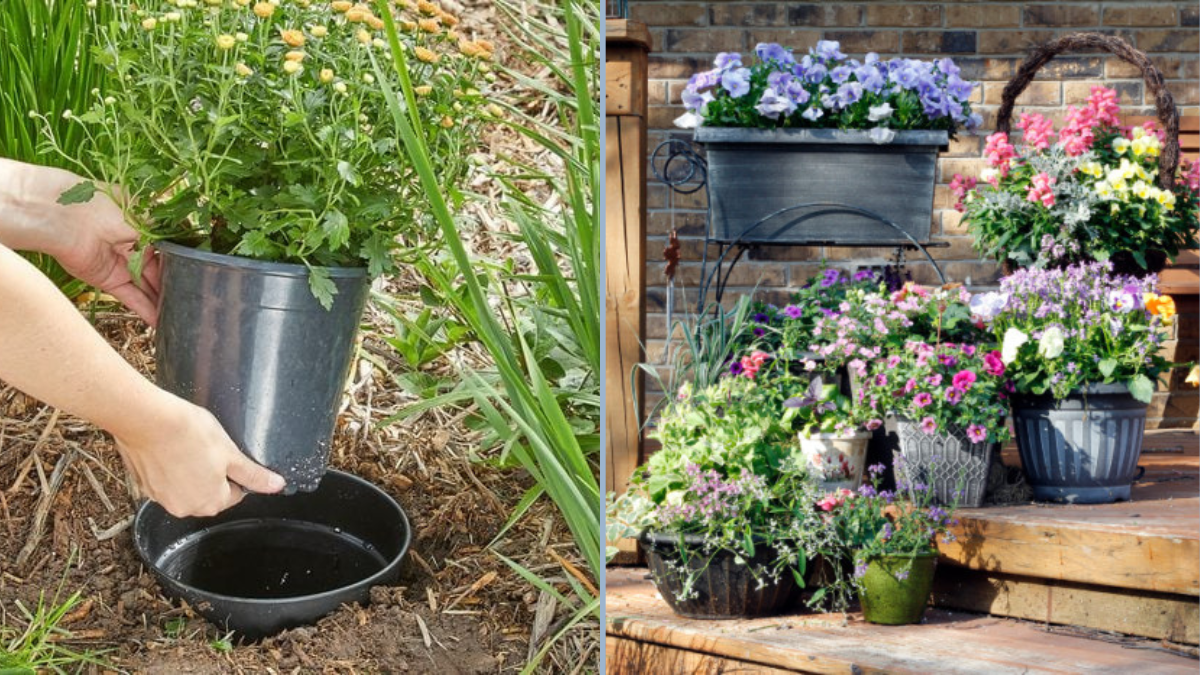
Maintaining a garden during winter can feel overwhelming, especially for people with limited time. Cold temperatures, shorter days, and frost pose challenges to plants and soil health. However, with the right strategies, even the busiest individuals can keep their winter gardens thriving with minimal effort. This article presents practical, time-saving, and eco-friendly winter gardening hacks that require little maintenance and avoid the use of non-vegetarian products like bone meal or fish-based fertilizers. These tips focus on plant protection, soil care, container gardening, planning, and efficient techniques suitable for both new and experienced gardeners.
1. Choose Hardy, Low-Maintenance Winter Plants
The first step to a stress-free winter garden is selecting plants that naturally withstand low temperatures. Cold-hardy varieties minimize the need for constant care and monitoring. Some ideal choices include:
- Kale and Spinach – These leafy greens tolerate frost and grow well with minimal sunlight.
- Swiss Chard and Mustard Greens – These vegetables add vibrant color and continue producing through chilly conditions.
- Garlic and Onions – These crops can be planted before winter and take care of themselves underground.
- Perennials like Thyme, Oregano, and Rosemary (hardy varieties) – These herbs require almost no maintenance during colder months.
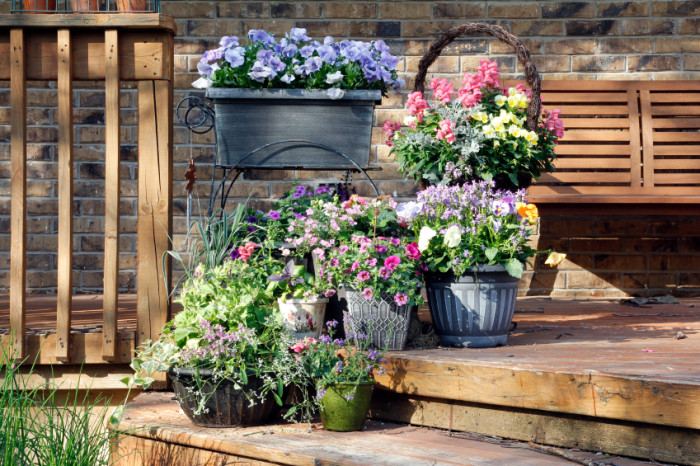
- Pansies and Violas – Winter-blooming flowers that add life to the garden without daily care.
By choosing plants suited to your climate zone, you reduce the workload while ensuring steady growth.
2. Use Mulch as a Natural Insulator
Mulching is one of the most effective hacks for winter gardening. It:
- Retains soil moisture
- Regulates temperature
- Protects roots from freezing
- Suppresses weeds naturally
Instead of animal-based mulch products, use organic vegetarian alternatives such as:
- Shredded leaves
- Straw
- Wood chips
- Coconut coir
- Pine needles
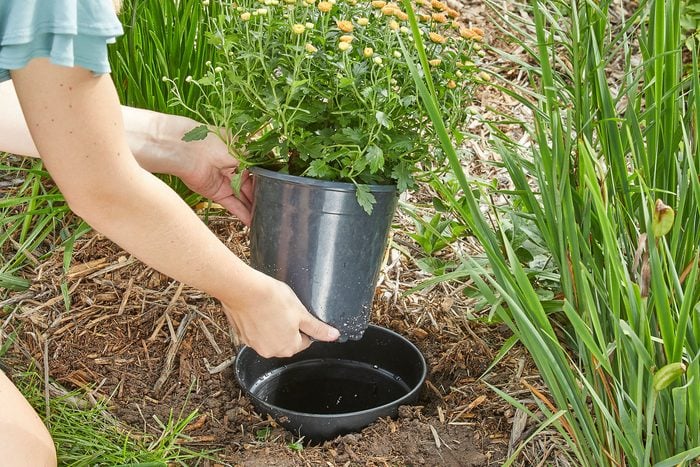
Spread 2–4 inches around the base of your plants. Once applied, mulch requires almost no maintenance throughout the season.
3. Create Simple DIY Cold Frames and Covers
Protecting plants from frost doesn’t always require expensive equipment. Busy gardeners can build quick and affordable plant covers using materials available at home:
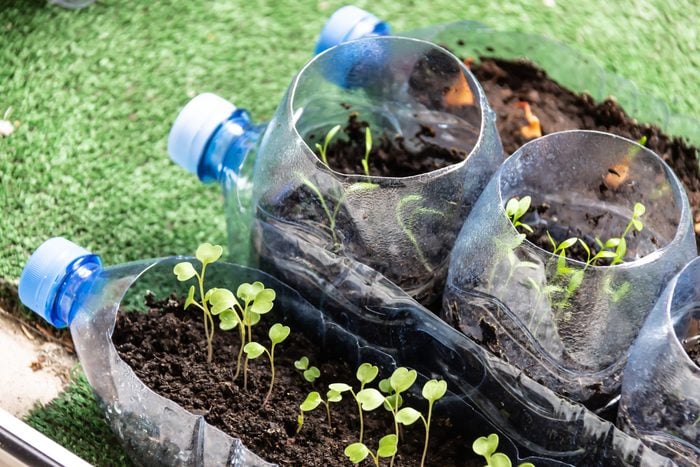
- Plastic bottles cut in half work as mini protective domes.
- Transparent storage bins can be inverted over plants to trap warmth.
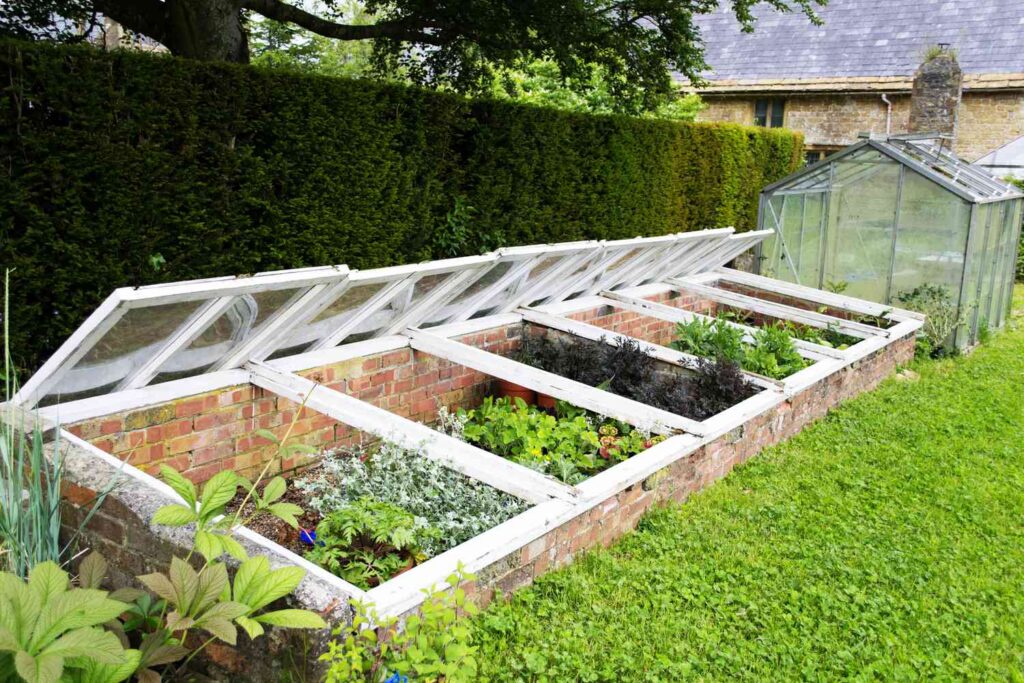
- Old windows or clear plastic sheets can be used to create cold frames.
- Row covers made from fabric or burlap provide insulation while allowing airflow.
These low-cost methods are easy to set up and require no daily attention.
4. Opt for Raised Beds and Containers
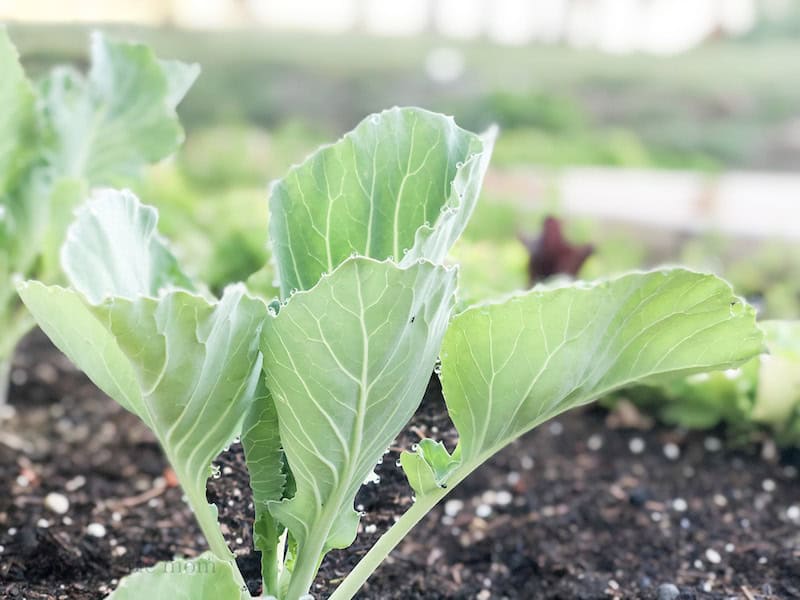
Raised beds and container gardens are ideal for busy people since they reduce weeding, improve drainage, and warm up faster than ground soil.
Benefits of raised beds and containers:
- Less exposure to frost
- Easier to monitor
- Portable options allow relocation to warmer spots
- Require less watering during winter
- Perfect for patios, balconies, and small yards
Use biodegradable pots or wooden planters for eco-friendly gardening and better insulation.
5. Use Compost as a Winter Superfood
Winter soil often becomes compacted and nutrient-deficient. Instead of using non-veg fertilizers, rely on plant-based compost. Add compost before winter sets in or apply it as a top dressing around crops. Suitable compostable materials include:
- Vegetable peels
- Tea leaves
- Coffee grounds
- Shredded paper and cardboard
- Dry leaves and straw
Composting nourishes plants slowly and improves soil structure, with no need for frequent watering or feeding.
6. Water Efficiently and Strategically
During winter, overwatering can harm plants more than help them. Busy gardeners can follow a few time-saving watering practices:
- Water in the morning so moisture absorbs before freezing nighttime temperatures.
- Use a watering can instead of a hose to control quantity.
- Check soil moisture with your finger before watering; moist soil means no action is needed.
- Install a drip irrigation system if you want a set-and-forget solution.
Avoid watering leaves—focus on the base of the plant to prevent fungal growth.
7. Reuse Household Items for Frost Protection
You don’t need to buy new supplies to protect your garden. Many everyday items can serve as plant insulators:
- Cardboard boxes
- Reusable cloth bags
- Woven baskets
- Jute sacks
- Old towels or bedsheets
Tie loose covers gently so they don’t blow away in wind. These quick covers are perfect for sudden frost warnings.
8. Try Indoor Window Gardening
For extremely cold regions or minimal maintenance needs, indoor gardening is a practical alternative. Many plants thrive on windowsills or under indoor lights:
- Aloe vera
- Basil, mint, parsley
- Baby lettuce or microgreens
- Succulents and small ferns
Use pots with drainage trays and water once a week. Indoor gardens are nearly weather-proof and ideal for people short on time.
9. Plan Ahead with Perennial and Evergreen Plants
Instead of replanting every season, choose plants that return year after year and need little attention in winter:
- Lavender
- Sedum
- Hellebores
- Evergreen shrubs
- Hardy ornamental grasses
Once established, these plants survive cold with minimal pruning or watering.
10. Use Natural Windbreaks
Wind damage is common in winter. Instead of artificial barriers, use natural and plant-based materials like:
- Bamboo panels
- Shrub hedges
- Wooden fences
- Trellises wrapped in jute
These reduce wind exposure and prevent plants from drying out or breaking.
11. Simplify Garden Maintenance with Smart Scheduling
Busy people can follow the “once-a-week check” approach:
- Inspect for frost damage
- Remove damaged leaves
- Check for pests hiding in mulch or stems
- Water if the soil has dried out
Spending 15–20 minutes weekly is enough to keep the garden in good health.
12. Start Seeds Indoors in Recyclable Trays
Late winter is ideal for starting seeds indoors. Instead of purchasing new trays, use:
- Egg cartons
- Paper cups
- Toilet paper rolls
- Coconut husk pots
Once seedlings grow, they can be transplanted outdoors in early spring.
13. Harvest Smartly and Store Efficiently
Some crops like kale, chard, spinach, and herbs can be harvested slowly throughout winter. Cut only the outer leaves, allowing the plant to continue growing. Store fresh produce in breathable cloth bags to extend shelf life.
14. Use Sun Traps and Reflective Techniques
Sunlight is limited in winter, but you can maximize its use:
- Place containers near walls that reflect heat
- Paint wooden planter boxes white to reflect light
- Use south-facing windows for warmth and light
- Lay flat stones near plant bases to trap daytime heat
These tricks require no extra upkeep once set up.
15. Keep Tools and Supplies Ready
Winter weather can make gardening tedious if tools are scattered. Create a small storage station:
- Store gloves, pruners, and watering cans in a basket or shed
- Keep mulch and compost covered and nearby
- Label seeds and containers for quick use
Staying organized saves time and avoids unnecessary effort.
16. Focus on Prevention Instead of Repair
A proactive approach reduces the need for emergency fixes:
- Remove weeds before winter begins
- Trim dead stems in late autumn
- Apply mulch early to lock in soil warmth
- Cover beds before frost warnings start
This way, the garden largely takes care of itself.
Conclusion
Winter gardening does not need to be time-consuming. With smart plant selection, natural insulation methods, container use, and minimal maintenance routines, anyone with a busy schedule can maintain a healthy and attractive winter garden. Avoiding non-veg options also encourages sustainable, eco-friendly practices that promote soil health without relying on animal-based fertilizers. These quick hacks minimize daily effort while maximizing seasonal protection, making winter gardening not only manageable but also enjoyable.