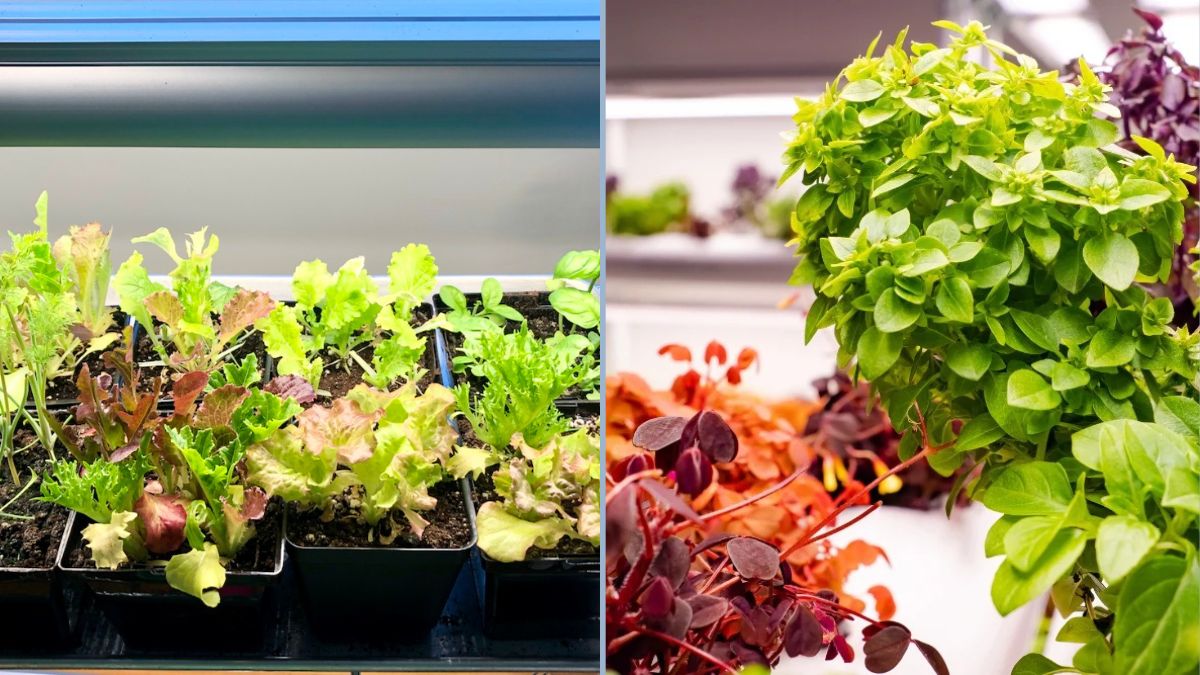
In today’s world, where space constraints and climate variability affect traditional gardening, indoor salad gardens have emerged as a practical, sustainable, and nutritious solution. Growing salad greens indoors allows gardeners, students, and enthusiasts to enjoy fresh, healthy produce year-round, regardless of seasonal changes. With proper planning, suitable plant selection, and attention to environmental needs, an indoor salad garden can provide a continuous harvest while enhancing indoor aesthetics and air quality.
This article offers detailed, plant-based strategies for maintaining a successful indoor salad garden throughout the year, including plant selection, growing conditions, soil management, watering strategies, lighting solutions, and maintenance tips.
1. Choosing the Right Salad Greens for Indoor Gardening
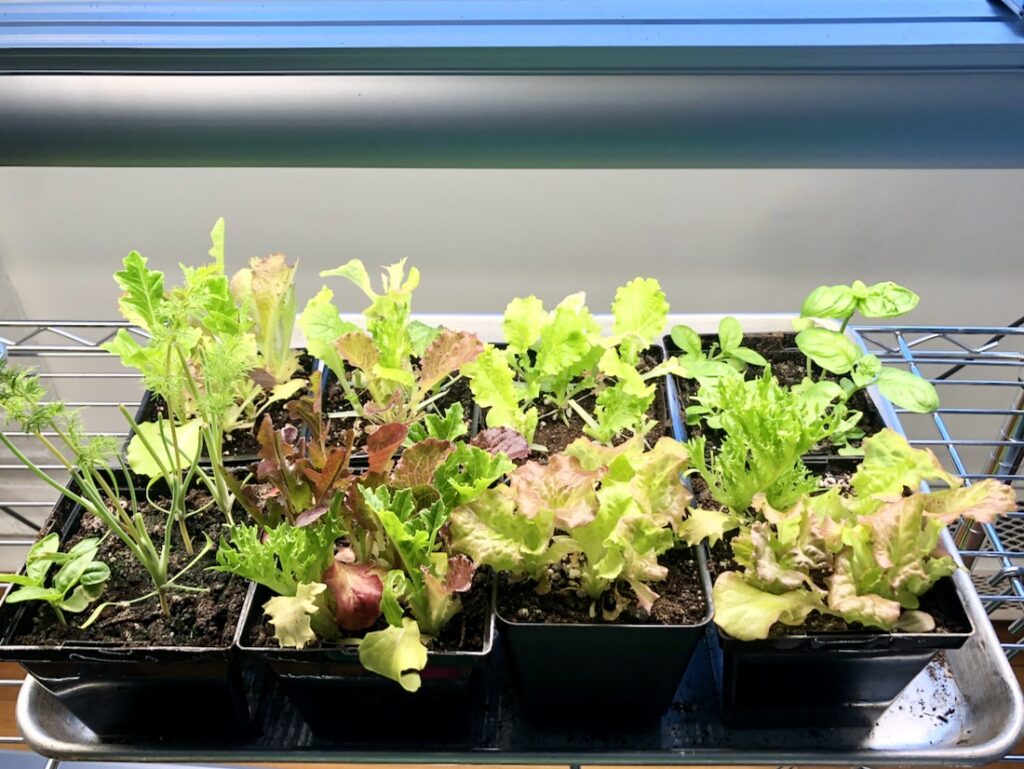
Not all salad greens are equally suited to indoor environments. Some species thrive in controlled conditions, whereas others may struggle without outdoor light or airflow.
Recommended Indoor Salad Greens:
- Lettuce Varieties: Romaine, Butterhead, Leaf lettuce
- Spinach: Smooth-leaf and baby spinach
- Arugula (Rocket): Fast-growing with peppery flavor
- Kale: Baby kale varieties adapt well indoors
- Swiss Chard: Bright-colored stems and high nutritional content
- Microgreens: Radish, broccoli, and mustard greens
These leafy greens are hardy, grow quickly, and require minimal space. Microgreens are particularly efficient for small apartments or limited indoor spaces, providing high nutritional value in as little as 10–14 days.
2. Ideal Growing Environment for Year-Round Indoor Salad Gardens
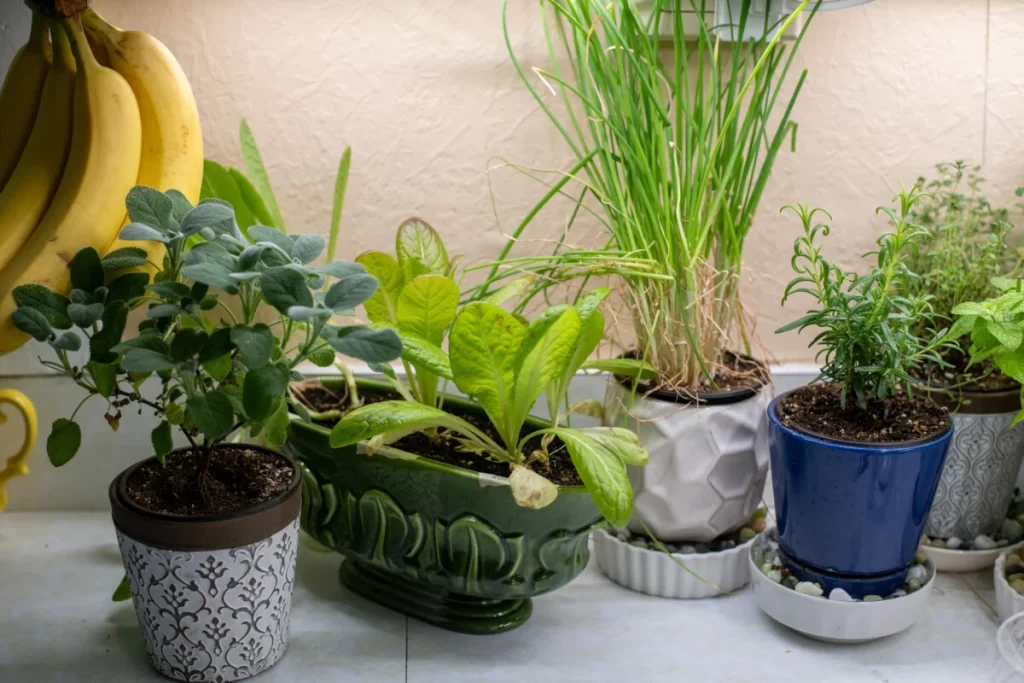
Indoor salad gardens succeed when environmental factors such as temperature, light, humidity, and air circulation are carefully managed.
Temperature
Most salad greens prefer a moderate temperature range of 18–24°C (65–75°F). Avoid placing plants near heat sources such as radiators or fireplaces, as excessive heat can cause bolting or leaf burn.
Light
Salad greens require 10–14 hours of light daily for optimal growth. Options include:
- Natural sunlight: South- or east-facing windows work best
- Artificial light: Full-spectrum LED grow lights are energy-efficient and provide adequate light intensity
- Rotation: Rotate trays or pots to ensure even light distribution
Humidity
Leafy greens grow best in moderate humidity (40–60%). Indoor heating can dry out the air, so consider:
- Grouping plants together
- Placing shallow water trays nearby
- Occasional misting with room-temperature water
Air Circulation
Proper airflow reduces fungal growth and encourages sturdy leaves. Small fans on low settings can gently circulate air around plants.
3. Selecting Containers and Soil
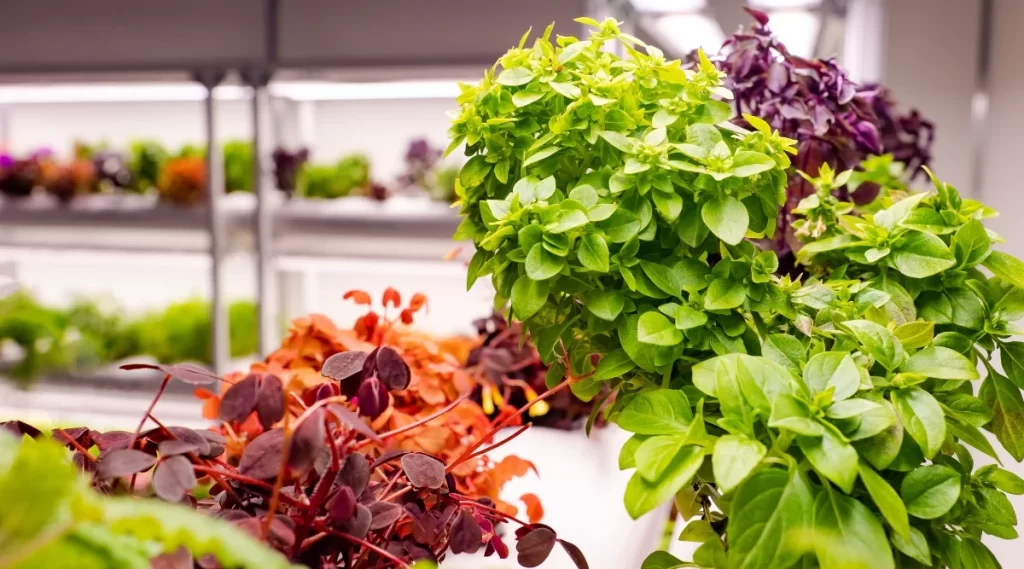
The choice of containers and soil affects drainage, root growth, and overall plant health.
Containers
- Shallow trays: Ideal for microgreens and lettuce
- Deep pots: Suitable for kale, Swiss chard, or spinach
- Self-watering containers: Reduce watering frequency and prevent water stress
Ensure containers have adequate drainage holes to prevent waterlogging.
Soil
Use plant-based, organic potting mixes that are light, nutrient-rich, and well-draining. Ingredients such as coconut coir, peat-free compost, perlite, vermiculite, and composted leaves are excellent choices. Avoid soil mixes containing animal-derived fertilizers such as bone meal or fish emulsion to maintain a fully vegetarian setup.
4. Watering Strategies
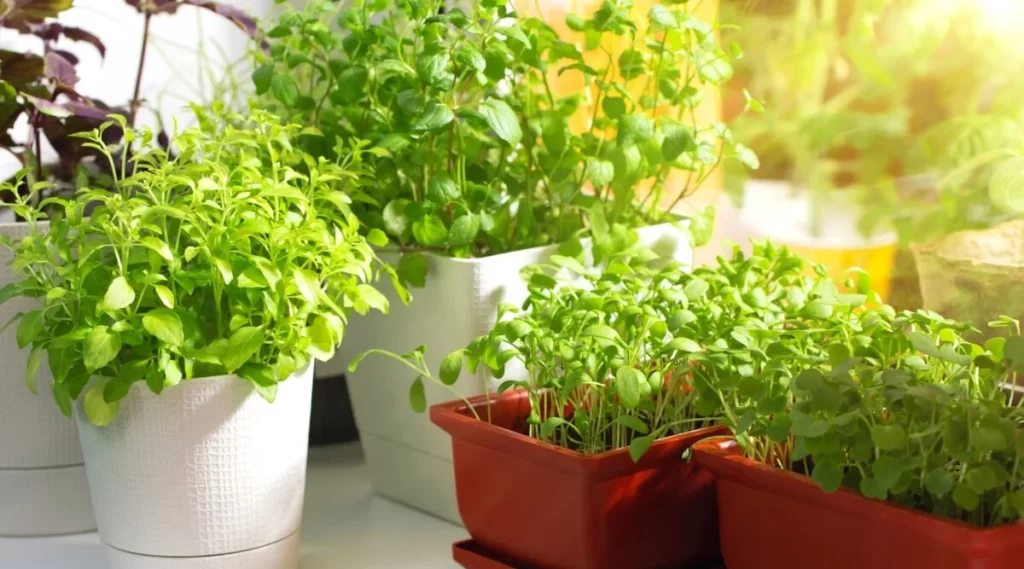
Proper watering is crucial for year-round indoor salad gardens. Overwatering can lead to root rot, while under-watering causes stress and bitterness in leaves.
Best Practices
- Water when the top 1–2 inches of soil feel dry
- Use room-temperature water to avoid shocking roots
- Consider bottom watering by placing trays in shallow water to allow roots to absorb moisture naturally
- Mulch lightly with dried leaves or coconut coir to reduce evaporation and maintain consistent soil moisture
5. Fertilization and Nutrient Management
Indoor salad greens require consistent nutrient availability. Use plant-based fertilizers to promote growth without introducing non-vegetarian elements.
Options Include:
- Compost teas: Rich in nitrogen and minerals
- Seaweed extract: Boosts growth and enhances leaf color
- Liquid plant fertilizers: Derived from legumes or plant residues
Apply diluted solutions weekly or every two weeks depending on plant size and growth rate. Avoid excessive fertilization, which can harm roots and alter leaf taste.
6. Maximizing Space for Year-Round Growth
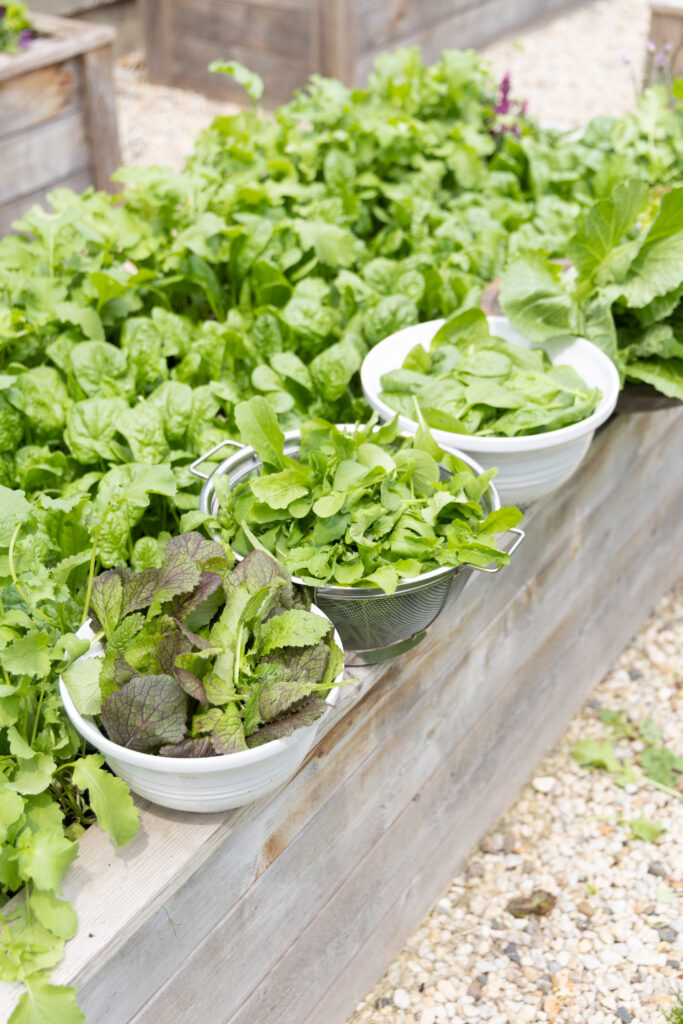
Space optimization is essential for indoor gardening, especially in apartments or small areas.
Techniques:
- Vertical gardening: Use shelves or stacked trays to grow multiple layers of greens
- Hanging planters: Ideal for trailing greens or small containers
- Hydroponics: Soil-free systems can maximize yield in compact spaces
- Succession planting: Sow seeds every 1–2 weeks for a continuous harvest
By planning growth in stages, gardeners can ensure fresh leaves are always available without overcrowding containers.
7. Seasonal Adjustments for Year-Round Indoor Gardening
Although the garden is indoors, environmental adjustments are necessary as seasons change.
Winter Adjustments
- Extend artificial light hours due to reduced daylight
- Increase humidity near heaters
- Monitor soil moisture carefully as evaporation decreases
Summer Adjustments
- Provide shading if sunlight becomes too intense
- Increase watering slightly due to higher temperatures
- Maintain airflow to prevent fungal infections
Maintaining flexibility allows indoor salad gardens to flourish regardless of outdoor climate.
8. Pest and Disease Management
Even indoors, salad greens can face pests such as aphids, whiteflies, or fungus gnats. Plant-based strategies are effective, safe, and ethical.
Prevention and Control
- Inspect new plants before introduction
- Use neem oil sprays or garlic-chili water solutions
- Maintain clean trays and containers
- Avoid overwatering to prevent fungal growth
By addressing problems early, gardeners can prevent significant loss without using chemical pesticides.
9. Harvesting Techniques for Continuous Supply
Proper harvesting encourages regrowth and prolongs productivity.
Leafy Greens
- Cut-and-come-again: Snip outer leaves while allowing inner leaves to continue growing
- Microgreens: Harvest when seedlings reach 2–3 inches
- Regular trimming: Prevents bolting and encourages tender, flavorful leaves
Harvesting every 7–14 days ensures a constant supply of fresh greens and maintains plant health.
10. Benefits of Year-Round Indoor Salad Gardens
Indoor salad gardens offer multiple advantages beyond fresh produce:
- Nutritional: Provides high levels of vitamins A, C, K, folate, and fiber
- Environmental: Reduces carbon footprint by minimizing store-bought greens
- Aesthetic: Adds greenery and liveliness to indoor spaces
- Psychological: Promotes stress relief and mindfulness
- Sustainability: Encourages plant-based, eco-friendly living practices
These benefits make indoor salad gardening an ideal choice for modern, ethical, and health-conscious lifestyles.
11. Additional Tips for Success
- Label containers for different varieties to track growth and care needs
- Rotate crops every few months to prevent soil depletion
- Keep records of watering, lighting, and fertilization schedules for consistency
- Incorporate companion plants like basil or chives to naturally deter pests and enhance growth
By combining careful planning, observation, and sustainable practices, indoor gardeners can achieve consistent, year-round yields.
Conclusion
Creating a year-round indoor salad garden is both rewarding and practical. By selecting suitable greens, providing ideal indoor conditions, using plant-based soils and fertilizers, and maintaining proper watering, lighting, and harvesting routines, gardeners can enjoy fresh, nutritious salad leaves throughout the year.
With attention to seasonal adjustments, pest management, and space optimization, an indoor salad garden can flourish in any climate, supporting health, sustainability, and ethical plant-based living. This approach demonstrates that with planning and care, home-grown salads are accessible, abundant, and environmentally responsible—truly a modern solution to year-round fresh produce.