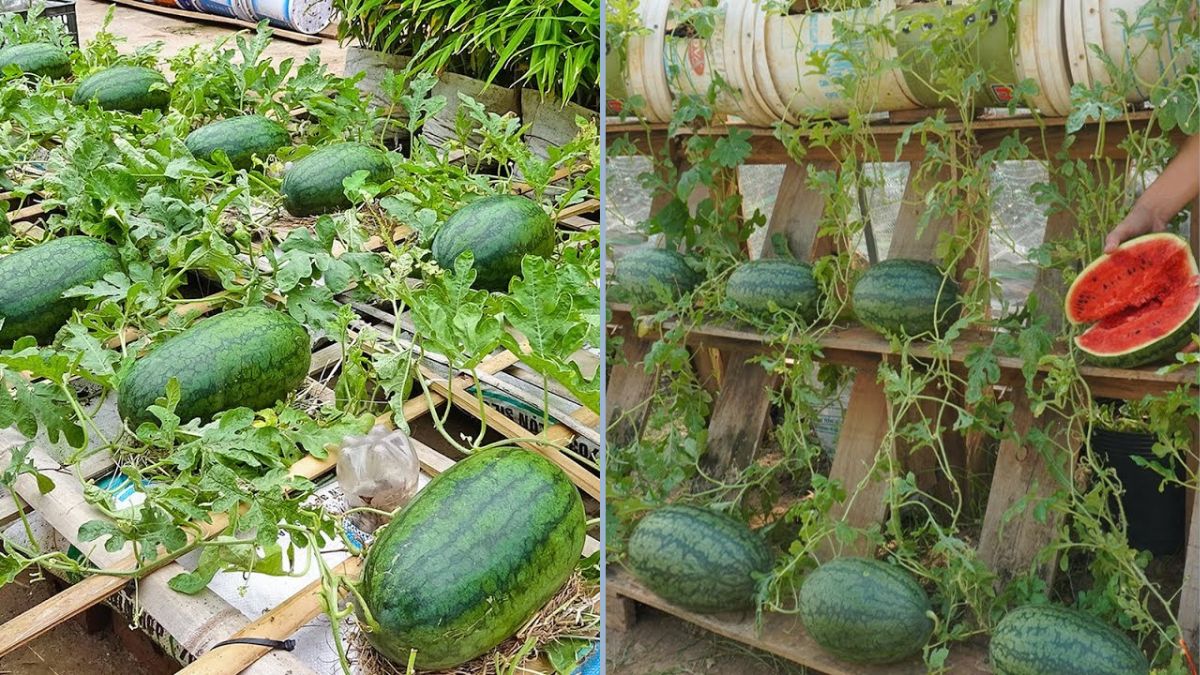
Watermelon is one of the most loved fruits in the world, especially during the summer months. Its sweet, juicy flesh and refreshing taste make it a favorite for both children and adults alike. But what if you could grow watermelons at home that are not only larger than average but also incredibly sweet? There’s a method that most people—even experienced gardeners—don’t know about. Using this technique, you can produce watermelon fruits that are bigger, juicier, and more flavorful than those typically found in markets. In this comprehensive guide, we’ll dive into the step-by-step process of growing extraordinary watermelons and reveal why this method is so effective.
Why This Watermelon Growing Method Is Different
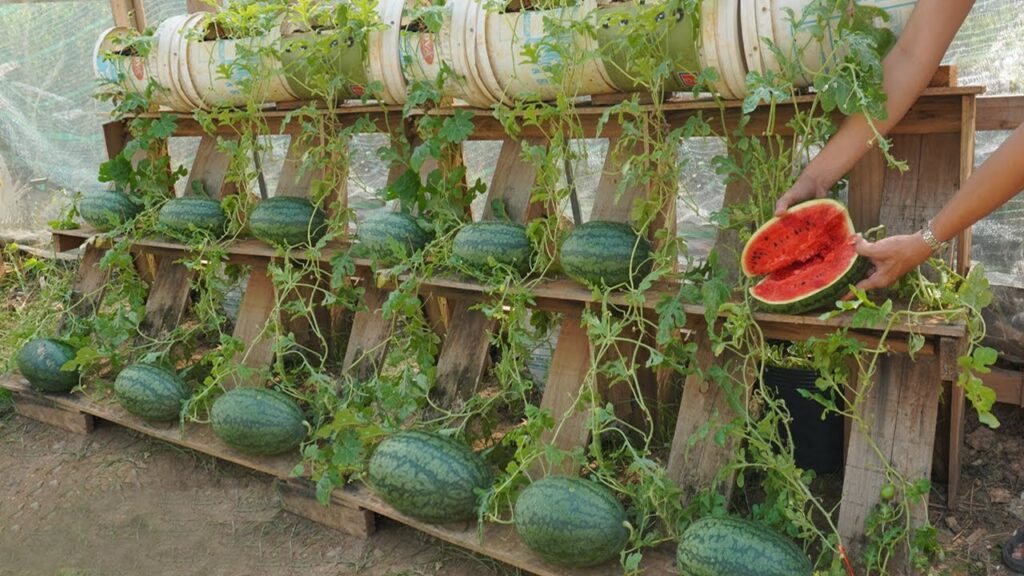
Traditional watermelon cultivation often results in fruits that are average in size and sweetness because it relies heavily on standard soil, natural rainfall, and conventional fertilizers. This lesser-known method focuses on controlled nutrition, careful pruning, and ideal planting techniques, which maximize fruit size and sugar content.
The advantages of this method include:
- Larger fruits: Proper pruning and nutrition direct energy into fewer but bigger watermelons.
- Sweeter taste: Optimized soil and feeding increase sugar accumulation.
- Stronger plants: Healthy root systems and foliage make plants more resistant to pests and diseases.
- Predictable harvests: By controlling growth conditions, you can plan when your watermelons will be ready.
Step 1: Choosing the Right Watermelon Variety
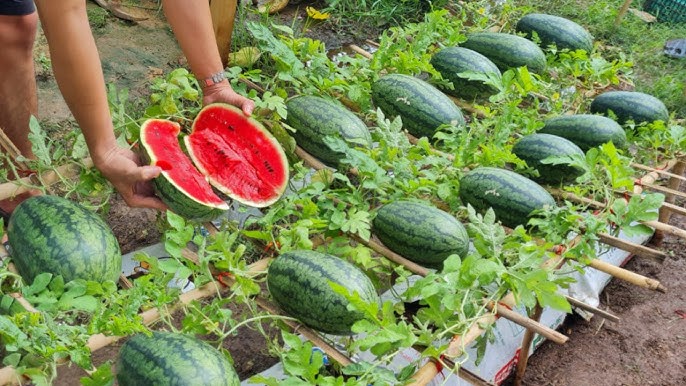
The first step to a massive, sweet watermelon is choosing the right variety. Not all watermelons are created equal.
Recommended varieties for large, sweet fruits:
- Sugar Baby: Small to medium-sized but intensely sweet.
- Crimson Sweet: Classic variety with large, sweet fruits and excellent resistance to disease.
- Jubilee or Carolina Cross: Known for exceptionally large watermelons, some exceeding 50–60 pounds.
- Charleston Gray: Produces large, high-quality fruits with excellent flavor.
Select certified seeds from reputable suppliers to ensure quality and disease resistance.
Step 2: Preparing the Planting Area
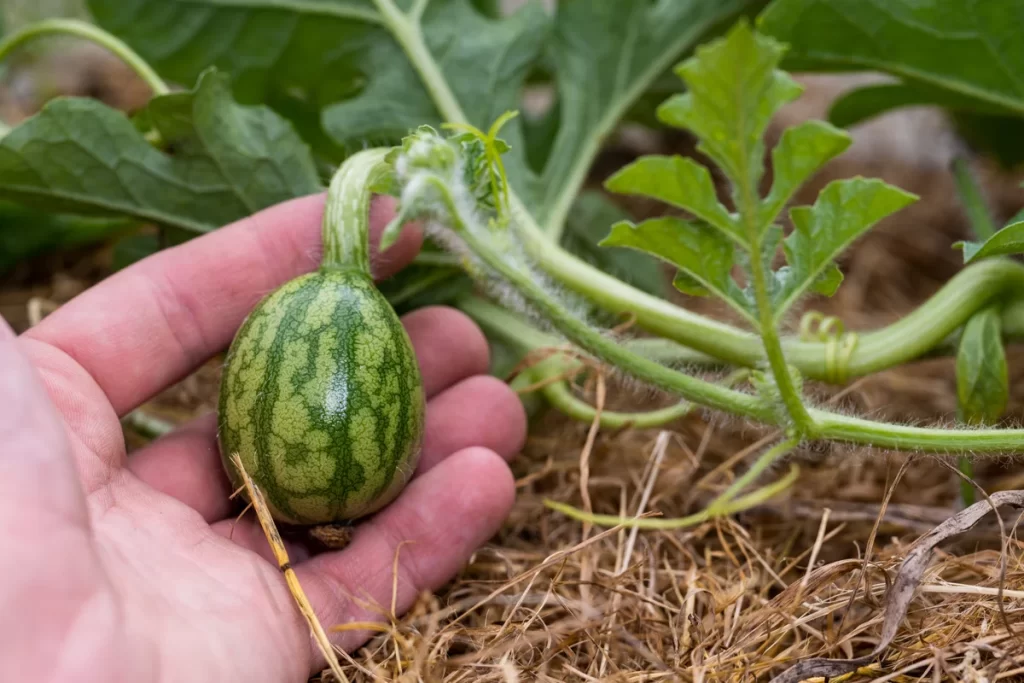
Watermelon thrives in warm, sunny conditions with well-draining soil. The secret to enormous, sweet fruits starts with soil preparation.
Steps for soil preparation:
- Choose a sunny location: Watermelons need at least 8 hours of direct sunlight daily.
- Soil requirements: Sandy loam with high organic matter is ideal. Avoid heavy clay that retains too much water.
- Soil enrichment: Mix compost or well-rotted manure into the soil to provide essential nutrients.
- pH level: Maintain slightly acidic to neutral soil, around 6.0–7.0.
Pro tip: Create small mounds or raised beds for each plant. This improves drainage, warms the soil faster, and encourages strong root development.
Step 3: Germinating the Seeds
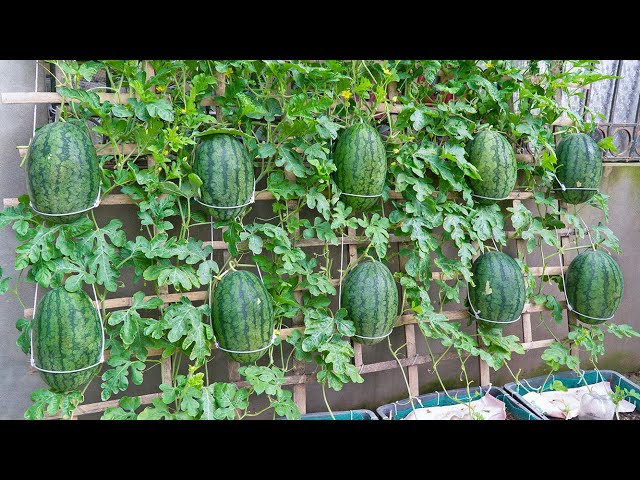
Starting seeds properly gives watermelons a head start and ensures vigorous plants.
Seed germination process:
- Soak seeds in lukewarm water for 12–24 hours to speed up germination.
- Plant seeds in small trays or biodegradable pots with loose soil.
- Keep trays in a warm location, ideally 70–85°F (21–29°C).
- Seeds typically germinate in 5–10 days.
After seedlings develop 2–3 true leaves, they are ready for transplanting.
Step 4: Transplanting Seedlings
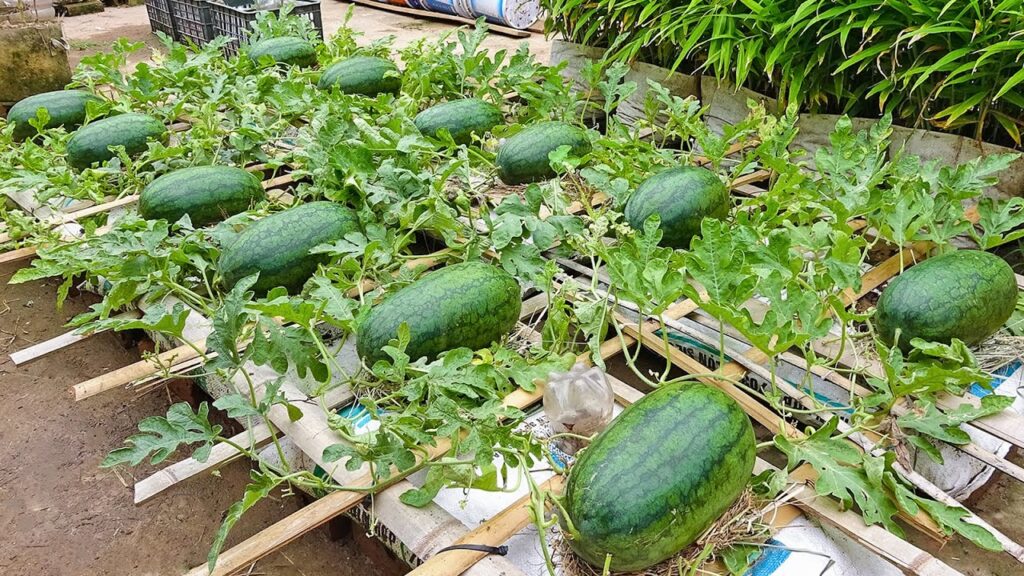
Transplanting is a critical step in ensuring big, sweet watermelons.
Transplanting steps:
- Space plants 5–6 feet apart in all directions for maximum growth.
- Water deeply before transplanting to reduce stress.
- Plant seedlings slightly deeper than they were in trays to encourage strong root development.
- Mulch around the base to conserve moisture and reduce weed growth.
Pro tip: Avoid damaging the roots during transplanting. Watermelons thrive when roots are undisturbed and allowed to expand freely.
Step 5: Controlled Watering for Sweetness
One of the secrets to sweeter watermelon is controlled watering. Too much water dilutes sugars, while too little stresses the plant.
Watering guidelines:
- Water deeply once or twice a week, depending on weather.
- Reduce watering as fruits mature to concentrate sugars.
- Keep leaves dry to prevent fungal diseases.
Mulching helps retain soil moisture while regulating temperature, which is crucial for uniform fruit growth.
Step 6: Fertilizing Strategically
Proper fertilization is key to producing giant, sweet watermelons.
Fertilizer strategy:
- Use nitrogen-rich fertilizer during early growth to encourage strong vine and leaf development.
- Once flowers appear, switch to a fertilizer higher in potassium and phosphorus. This promotes flowering, fruit set, and sweetness.
- Foliar sprays with micronutrients like magnesium and calcium can improve fruit quality.
Pro tip: Avoid excessive nitrogen during fruiting. Too many leaves compete for energy, resulting in smaller, less sweet fruits.
Step 7: Pruning and Training the Vines
Pruning is a game-changer in maximizing watermelon size. This is one of the steps most gardeners overlook.
Pruning steps:
- Remove smaller or weak flowers early in the season.
- Focus on 2–3 strong fruits per vine. Limiting fruit load allows the plant to channel nutrients into fewer fruits, making them larger and sweeter.
- Trim excess leaves near the fruit to improve sunlight penetration and air circulation.
Training vines: Guide them along mounds or supports to avoid sprawling too much. Proper spacing prevents nutrient competition and disease.
Step 8: Pollination for Maximum Yield
Watermelons require pollination for fruit set. Proper pollination ensures full-sized, well-formed fruits.
Pollination tips:
- Encourage bees in the garden by planting flowers nearby.
- For greenhouse or indoor cultivation, gently transfer pollen using a small brush.
- Check flowers daily and remove unpollinated or damaged blooms to save plant energy.
Good pollination is directly linked to fruit size, shape, and sweetness.
Step 9: Protecting Against Pests and Diseases
Even with the best care, watermelon plants are vulnerable to pests and diseases.
Common issues and prevention:
- Aphids and mites: Spray with neem oil or insecticidal soap.
- Fungal diseases: Powdery mildew can be prevented with proper spacing, airflow, and watering practices.
- Fruit rots: Avoid overhead watering and ensure soil drainage is adequate.
Regular inspection and early intervention prevent minor problems from affecting fruit quality.
Step 10: Timing the Harvest
Harvesting at the right time ensures maximum sweetness and flavor.
Signs your watermelon is ready:
- The tendril closest to the fruit dries and turns brown.
- The underside of the watermelon turns a creamy yellow color.
- The fruit sounds hollow when tapped lightly.
Cut the fruit from the vine with a sharp knife, leaving a small portion of stem attached to extend shelf life.
Step 11: Storage and Enjoying Your Watermelon
Once harvested, watermelons can be stored at room temperature for short periods or in a cool, dry place for longer storage. Proper handling ensures you enjoy the full sweetness and texture.
Serving tips:
- Chill slightly before cutting for maximum refreshment.
- Slice, cube, or blend into smoothies for versatile enjoyment.
- Share with friends and family—the fruits of your meticulous care are worth celebrating!
Step 12: Why This Method Produces Exceptional Results
This little-known watermelon growing method works because it addresses every factor affecting fruit size and sweetness:
- Proper soil and mounds: Encourage strong roots and nutrient absorption.
- Strategic fertilization and watering: Promote both growth and sugar accumulation.
- Pruning and fruit limitation: Channel energy into fewer, bigger fruits.
- Pollination and care: Ensure well-formed, sweet fruits.
By combining these steps, gardeners can produce watermelons that surpass supermarket standards in both size and flavor.
Final Thoughts
Growing giant, sweet watermelons doesn’t have to be complicated. With this method, you can maximize fruit size, enhance sweetness, and enjoy a more controlled, predictable harvest. Unlike traditional methods, this approach focuses on quality over quantity, ensuring every fruit you grow is a treat.
Whether you have a backyard, a greenhouse, or just a small garden plot, following this step-by-step guide allows anyone to grow extraordinary watermelons. By carefully managing soil, water, nutrients, pruning, and pollination, you can achieve fruits that are bigger, sweeter, and juicier than anything you’ve tasted before.
This method proves that sometimes the secret to amazing gardening results isn’t about working harder—it’s about working smarter. Start today, and you’ll soon be enjoying watermelons that are the envy of every gardener in your neighborhood.