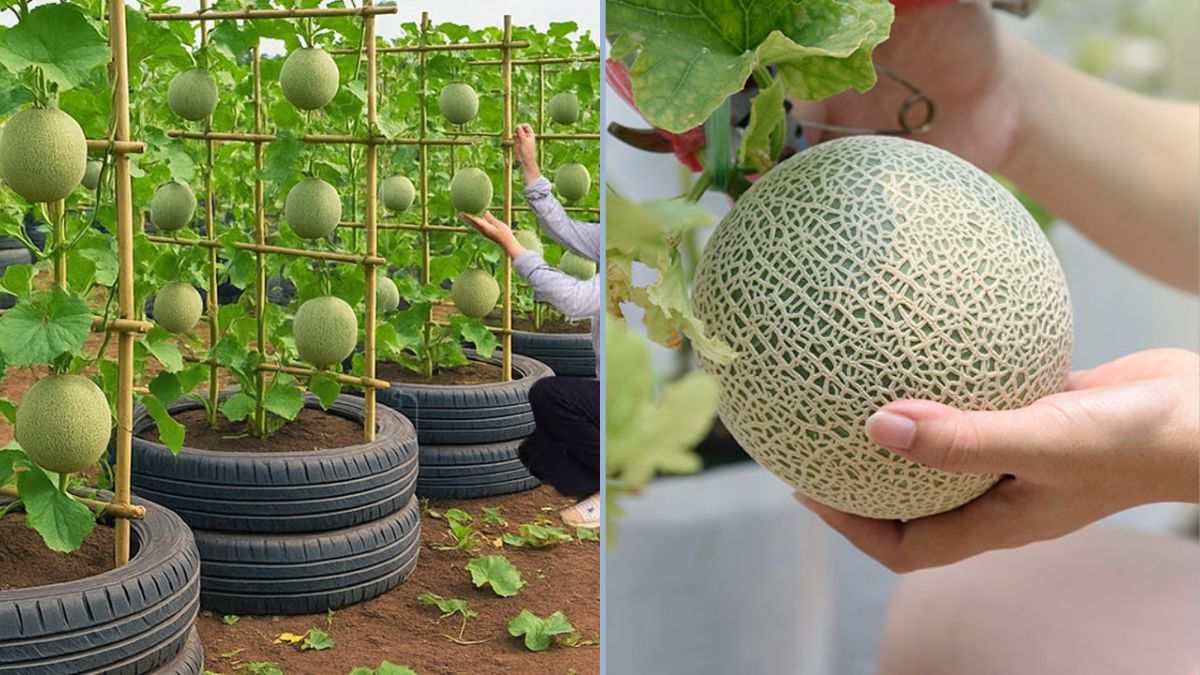
Most gardeners have a soft spot for innovation—especially when it involves saving money, reducing waste, and producing delicious homegrown food. If you have old tires lying around, don’t send them to the landfill just yet. With a little creativity, you can repurpose them into productive planters perfect for growing cantaloupes. This approach is practical, space-saving, and surprisingly effective. In this post, we’ll explore why using old tires works so well, how to prepare them, planting tips, care routines, and creative variations to help you get started.
Why Use Old Tires in the Garden?
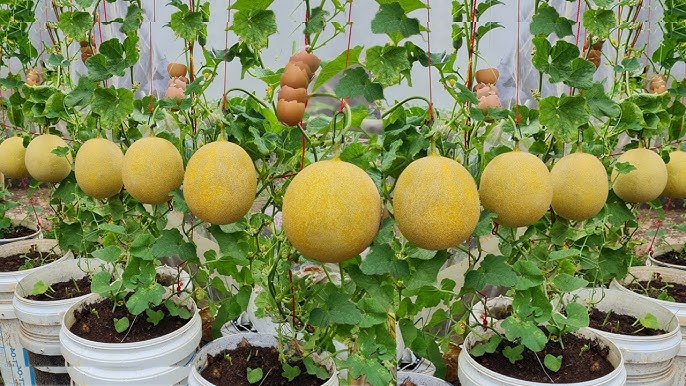
Old tires are durable, widely available, and naturally shaped to contain soil. Rather than becoming waste, they can serve as convenient planters that offer multiple gardening benefits:
- Recycling and Sustainability
Rubber tires take hundreds of years to decompose in landfills. Repurposing them reduces environmental impact and gives them a second life. - Heat Retention
The dark rubber absorbs heat during the day and radiates it back to the soil overnight. Cantaloupes are heat-loving plants, so this temperature boost encourages faster growth and earlier fruiting. - Defined Growing Space
Tires help contain soil and reduce weed competition. They create a raised-bed effect, which is excellent for drainage and root development. - Cost-Effective Solution
You don’t need to buy pots or raised beds—the tires you already have (or can find cheaply) are perfectly adequate. - Mobility and Customization
Tires are stackable, paintable, and movable. You can transform them into attractive garden features with minimal effort.
Are Tires Safe for Growing Food?
A common concern is whether tires leach harmful chemicals into the soil. Studies show that tires break down very slowly, and any leaching tends to be minimal, especially when growing fruiting crops like cantaloupes (where the edible part doesn’t come into direct contact with the soil).
To add an extra layer of safety, many gardeners:
- Line the interior with landscape fabric.
- Paint or seal the tires with non-toxic exterior paint.
- Avoid growing root crops in them.
For melons, the setup is considered low-risk and highly practical.
Preparing Old Tires for Planting
Before planting, take a few steps to clean and prep your tires so they’re garden-ready.
1. Choose the Right Tires
Standard car tires are ideal, but tractor or truck tires can provide more surface area. Ensure the tires are intact and free from oil, nails, or severe damage.
2. Clean Them Thoroughly
Scrub with soapy water and rinse to remove dirt, grime, and road contaminants. Let them dry in the sun.
3. Placement
Set your tires in a sunny location—cantaloupes need at least six hours of direct sunlight daily. Place them directly on soil, gravel, or grass.
4. Add a Base Layer (Optional)
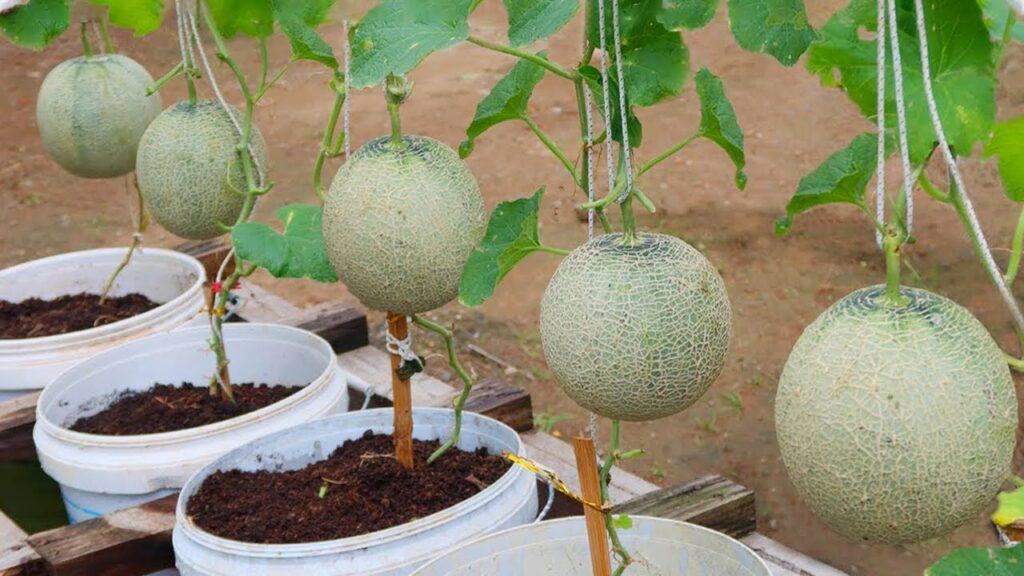
To prevent soil loss from the bottom:
- Layer newspaper, cardboard, or landscape fabric.
- Some gardeners add a few inches of wood chips or compost.
5. Fill With Quality Soil
Use a loose, fertile mix. A great recipe:
- 50% garden soil
- 25% compost
- 25% coconut coir or peat moss
- A handful of organic fertilizer or aged manure
Fill the tire to just below the upper rim to allow room for mulch.
Planting Cantaloupes in Tires
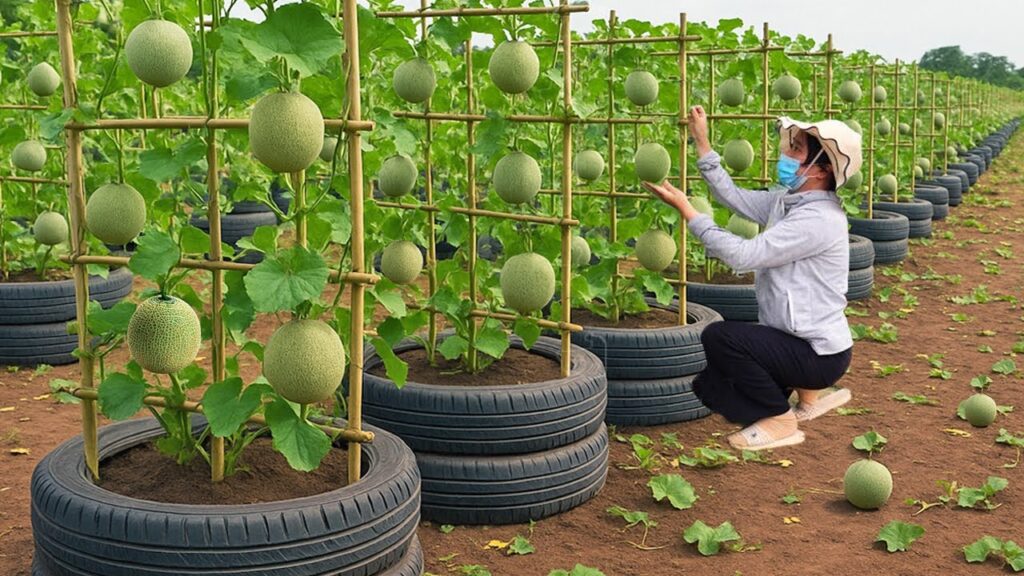
Here’s how to set your crop up for success:
1. Seeds or Seedlings?
Both are suitable. Seeds may take slightly longer but are cost-effective. If starting early in the season, seedlings give you a head start.
2. Planting Depth and Spacing
- For seeds: Plant 2–3 seeds about 1 inch deep in the center of the tire mound.
- Once seedlings emerge, thin to the strongest plant.
- For transplants: Plant one healthy seedling per tire.
3. Mulch and Protection
Mulch helps retain moisture and keep soil warm. Use straw, shredded leaves, or wood chips. Cover young seedlings with a cloche or row cover if nights are still cool.
Caring for Cantaloupes in Tires
1. Sunlight
Full sun is critical. Tires amplify warmth, so ensure the location isn’t shaded by buildings or trees.
2. Watering
Cantaloupes need consistent moisture, especially during flowering and fruit development.
- Water deeply when the top inch of soil is dry.
- Drip systems or slow soaker hoses work well.
- Avoid overhead watering to prevent mildew.
As fruits near ripening, slightly reduce water to concentrate sweetness.
3. Fertilization
Use balanced organic fertilizer early on, then switch to higher-phosphorus feeding once flowering begins.
- Good options: compost tea, fish emulsion, or well-rotted manure.
- Avoid over-fertilizing with nitrogen, which leads to leafy vines but few fruits.
4. Pest and Disease Management
Watch for:
- Aphids
- Cucumber beetles
- Powdery mildew
- Squash bugs
Neem oil, insecticidal soap, and proper spacing can help minimize damage. Removing lower leaves and watering at soil level helps prevent fungal diseases.
Supporting the Vines and Fruits
Cantaloupe vines like to spread. Depending on your garden layout, you can:
Option 1: Let Them Sprawl
Let vines spill over the sides of the tire onto the ground. Place straw or cardboard beneath developing fruits to prevent rot.
Option 2: Use Vertical Supports
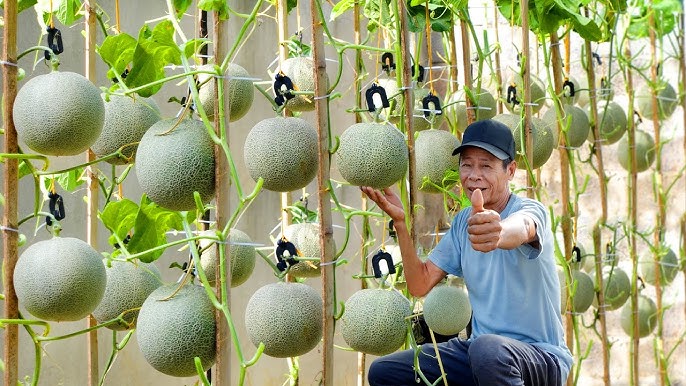
Train vines upward on a trellis, fence, or arch. For fruits hanging off the ground, create slings using mesh, old cloth, or pantyhose to cradle them.
Stacked Tires: Extra Depth & Elevation
If you want deeper soil or better drainage, stack two or three tires. This works well in cooler climates where added warmth is beneficial. Taller stacks can also give you cascading vines—a beautiful effect in smaller yards.
Harvesting Your Cantaloupes
You’ll know your melons are ready when:
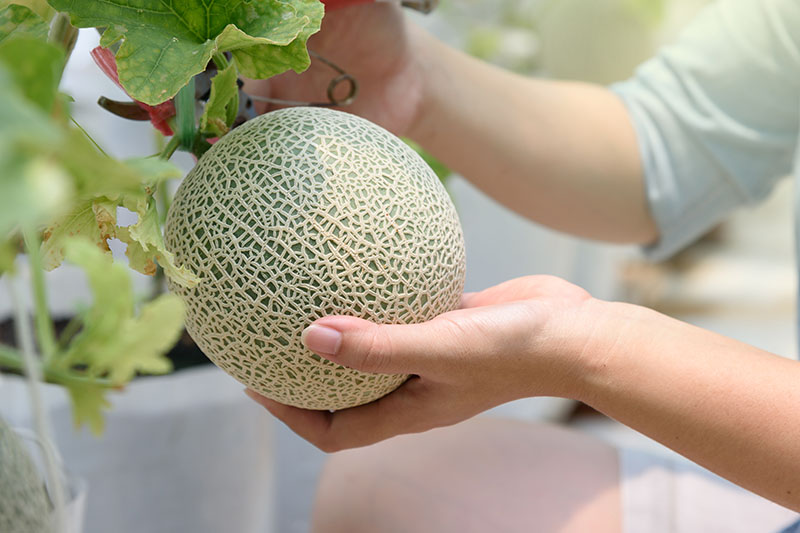
- The skin changes from greenish to tan or yellowish.
- The stem separates easily with a gentle tug.
- A sweet fragrance is noticeable near the blossom end.
Harvest promptly to avoid pest damage or over-ripening.
Creative Variations and Tips
Here are a few additional ideas to make the setup work even better:
- Paint Tires: Use outdoor-safe paint to brighten up your garden and reduce heat absorption if you’re in a hotter climate.
- Vertical Tire Towers: Stack tires and plant different crops in each layer—cantaloupe on top for trailing vines.
- Companion Plants: Consider flowers like marigolds around the tire perimeter to deter pests.
- Mix and Match: Try growing another melon variety or squash nearby for variety.
Advantages Over Traditional Ground Growing
Many gardeners find tire-based growing offers noticeable benefits:
- Better Drainage: Standing water is rare in raised tire beds.
- Warmer Soil: Perfect for warm-season crops.
- Weed Control: Less competition for nutrients and water.
- Space Efficiency: Great for patios, gravel areas, or unused corners.
If your soil quality is poor or rocky, tire planters are an easy solution.
Environmental Note
While using tires as planters isn’t appropriate for every crop or climate, growing cantaloupes in them is one of the most practical upcycling uses. Rather than discarding tires or struggling with poor soil conditions, this method promotes self-sufficiency and resourcefulness.
Final Thoughts
Growing cantaloupes in old tires is more than a garden hack—it’s an example of sustainable thinking paired with smart design. You’re turning waste into opportunity, conserving resources, and reaping the reward of fresh, sweet melons grown right at home.
Whether you have a large garden or just a sunny patch of yard, this method is flexible and rewarding. With just a little setup, proper soil, and attentive care, your old tires can transform into thriving melon beds bursting with life and flavor.
So next time someone asks what to do with used tires, you’ll know the answer: “Grow cantaloupes this way—and don’t throw them away!”
If you’d like, I can also format this into HTML, add SEO keywords, or tailor it for a specific platform—just let me know!