
Growing your own herbs and spices at home is not only rewarding but also ensures that your kitchen always has fresh, organic ingredients. Among the most versatile and flavorful plants are ginger, garlic, and lemongrass. They are staples in many cuisines, packed with health benefits, and surprisingly easy to grow at home—even if you only have a small balcony or a garden corner.
In this guide, we’ll explore step-by-step instructions for growing ginger, garlic, and lemongrass at home, including planting, care, and harvesting tips. By the end of this post, you’ll know how to create a small home herb garden that keeps your dishes flavorful and your pantry stocked.
Why Grow Ginger, Garlic, and Lemongrass at Home?
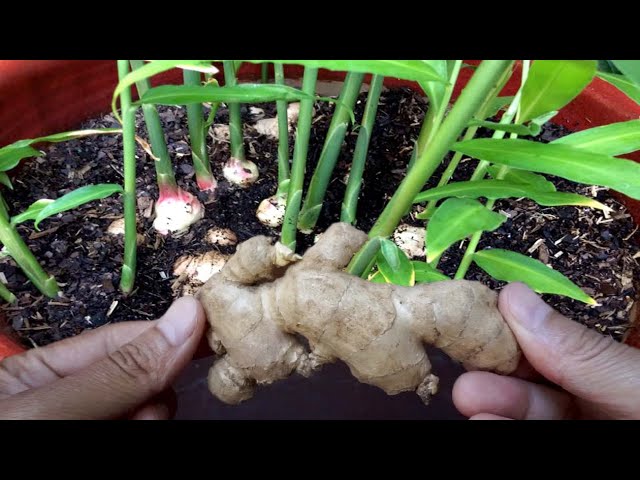
- Freshness and Flavor: Home-grown ginger, garlic, and lemongrass have far superior flavor compared to store-bought ones.
- Health Benefits:
- Ginger: Anti-inflammatory, aids digestion, boosts immunity.
- Garlic: Supports heart health, immune system, and acts as a natural antibiotic.
- Lemongrass: Rich in antioxidants, aids digestion, and adds a refreshing citrusy aroma.
- Sustainability: Reduces reliance on packaged herbs, minimizes food waste, and promotes eco-friendly gardening.
- Easy Maintenance: These plants are hardy, require minimal care, and can grow in pots, containers, or garden beds.
Section 1: Growing Ginger at Home
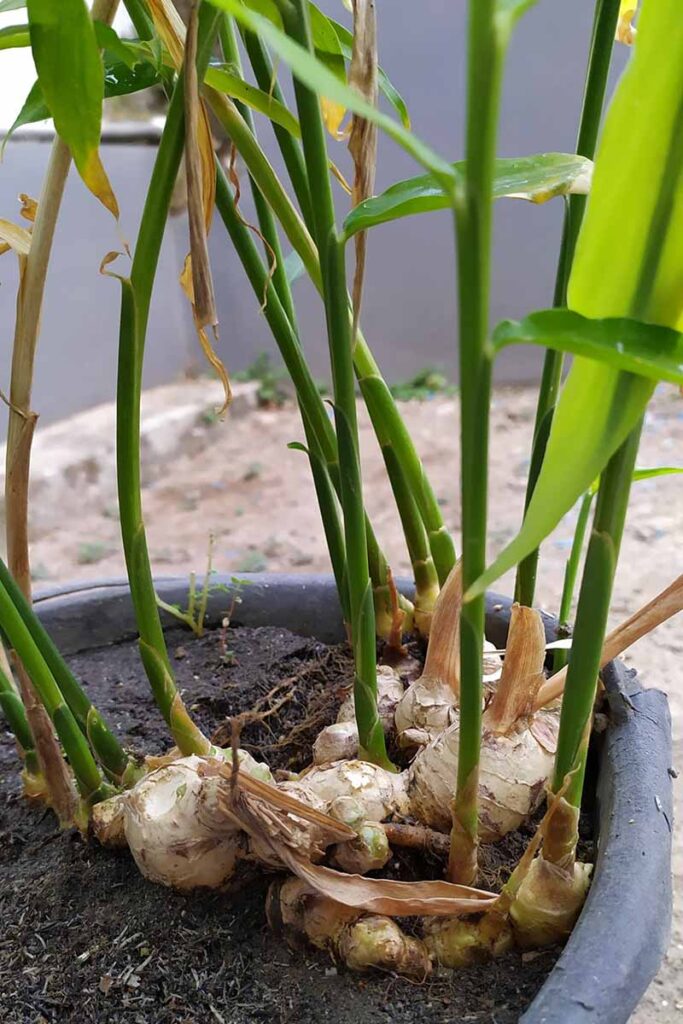
1. Selecting Ginger for Planting
Choose healthy ginger rhizomes from either the store or your pantry:
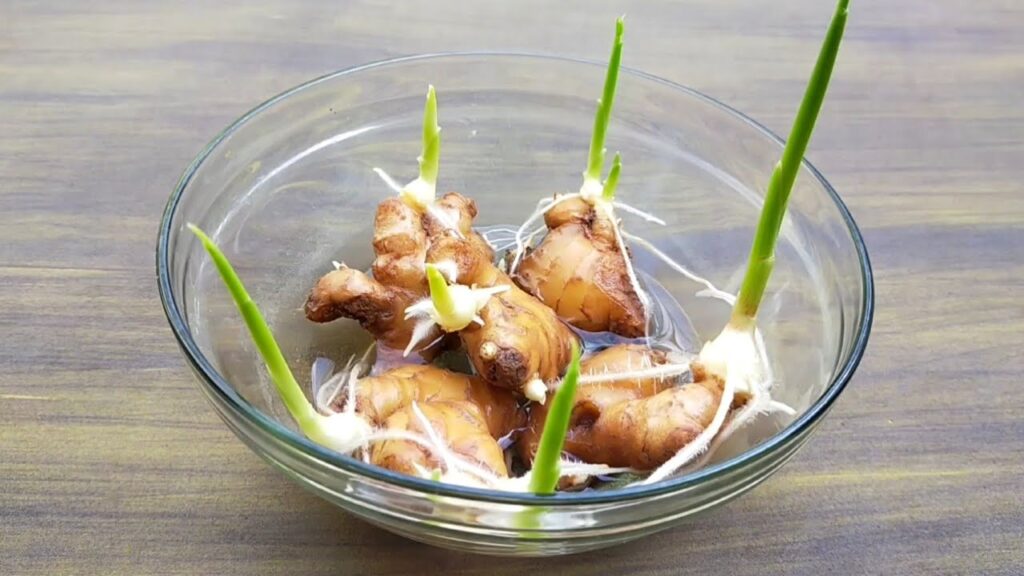
- Look for plump, firm rhizomes with visible “eyes” or growth buds.
- Avoid rhizomes that are shriveled, moldy, or dried out.
2. Preparing the Ginger
- Cut the rhizome into smaller pieces, each containing at least one eye.
- Let the cut pieces dry for 1–2 days to reduce the risk of rotting.
3. Planting Ginger
- Container/Garden Bed: Choose a wide, shallow container (at least 12 inches deep) or a loose, well-draining garden bed.
- Soil: Use rich, loamy soil with compost or organic matter. Ginger prefers slightly acidic to neutral soil (pH 5.5–6.5).
- Planting Depth: Place rhizome pieces 2–3 inches deep with the eyes facing upward.
- Spacing: If planting multiple pieces, leave 6–8 inches between them.
4. Care and Maintenance
- Watering: Keep the soil consistently moist but not soggy. Overwatering can cause root rot.
- Sunlight: Ginger thrives in partial shade. Too much direct sun can scorch the leaves.
- Fertilization: Feed with organic compost or liquid fertilizer every 3–4 weeks for optimal growth.
5. Harvesting Ginger
- Ginger is typically ready for harvest 8–10 months after planting.
- Harvest by gently digging around the base to remove rhizomes.
- You can also harvest young ginger (green ginger) after 3–4 months for milder flavor.
Section 2: Growing Garlic at Home
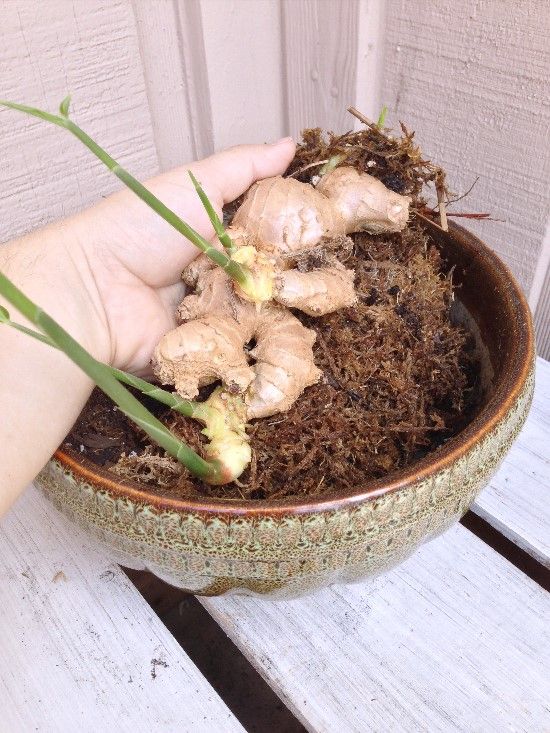
1. Choosing Garlic for Planting
- Select large, healthy garlic cloves from organic or disease-free bulbs.
- Avoid small or damaged cloves as they may produce weak plants.
2. Preparing Garlic Cloves
- Separate the bulb into individual cloves.
- Keep the papery skin intact to protect the clove during planting.
3. Planting Garlic
- Container/Garden Bed: Garlic grows well in pots or raised garden beds. Ensure good drainage.
- Soil: Loamy, fertile soil with compost works best. Garlic prefers slightly acidic to neutral pH (6.0–7.0).
- Planting Depth: Plant cloves 2 inches deep, pointed side up.
- Spacing: Leave 4–6 inches between cloves for proper bulb development.
4. Care and Maintenance
- Watering: Water moderately; garlic does not like waterlogged soil.
- Sunlight: Full sun (6–8 hours per day) promotes bulb growth.
- Fertilization: Apply balanced organic fertilizer every 4–6 weeks.
- Mulching: Use straw or dried leaves to maintain moisture and suppress weeds.
5. Harvesting Garlic
- Garlic takes 6–8 months to mature.
- Harvest when the leaves start turning yellow and dry.
- Carefully lift the bulbs from the soil, let them cure in a dry, ventilated area for 2–3 weeks.
Section 3: Growing Lemongrass at Home
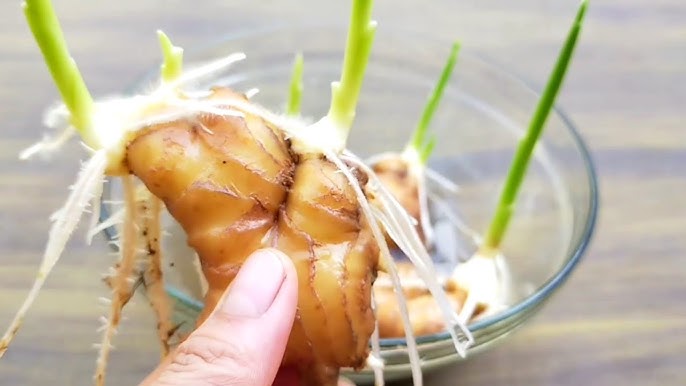
1. Selecting Lemongrass Stalks
- Choose fresh stalks with firm bases and green leaves.
- Store-bought stalks with roots can be used directly, or propagate new plants from stalks by placing them in water until roots form.
2. Planting Lemongrass
- Containers: Use deep pots (12–15 inches) to accommodate root growth.
- Soil: Well-draining loamy soil with compost works best.
- Planting Method: Plant stalks 1–2 inches deep, covering the root portion with soil. Space plants 8–10 inches apart if using multiple stalks.
3. Care and Maintenance
- Watering: Keep soil consistently moist, especially during hot weather.
- Sunlight: Full sun promotes strong stalk growth.
- Fertilization: Feed with compost or organic fertilizer every 4–6 weeks to encourage vigorous growth.
4. Harvesting Lemongrass
- Lemongrass can be harvested 3–4 months after planting.
- Cut stalks close to the base as needed for cooking.
- Leaves can continue growing for multiple harvests, making it a renewable home herb.
Section 4: Tips for a Thriving Home Herb Garden
- Use Quality Soil and Compost: Nutrient-rich soil encourages healthy roots and strong growth.
- Adequate Sunlight: Ginger prefers partial shade, while garlic and lemongrass thrive in full sun. Adjust placement accordingly.
- Consistent Watering: Avoid waterlogging but ensure the soil doesn’t dry out. Mulching can help retain moisture.
- Pest Control: Watch for aphids, mites, or fungal issues. Use organic sprays like neem oil or soapy water.
- Regular Pruning: Trim dead leaves and remove weak growth to encourage healthier plants.
- Vertical Supports: If space is limited, use trellises for ginger leaves and lemongrass stalks to keep them upright.
Benefits of Growing Ginger, Garlic, and Lemongrass at Home
- Fresh Ingredients: Always have organic, fresh herbs ready for cooking.
- Health Benefits: Natural source of antioxidants, vitamins, and immunity-boosting compounds.
- Cost Savings: Reduce grocery bills by growing your own herbs.
- Eco-Friendly: Minimal packaging and chemical use, plus composting kitchen waste reduces waste.
- Satisfaction: Watching plants grow from seeds or stalks to harvestable herbs is incredibly rewarding.
Conclusion
Growing ginger, garlic, and lemongrass at home is both practical and satisfying. By following these steps—from selecting quality planting material, preparing the soil, and maintaining proper care, to harvesting—you can create a thriving home herb garden even with limited space.
With patience and consistent care, you’ll enjoy fresh, flavorful, and nutrient-rich herbs year-round. Not only will this improve your cooking, but it will also bring the joy of gardening and a touch of nature right into your home.
Start today and experience the satisfaction of cooking with ingredients you grew yourself!
SEO & Social Media Hashtags:
#HomeGarden #GrowYourOwnHerbs #GingerAtHome #GarlicAtHome #LemongrassGarden #OrganicGardening #UrbanFarming #HealthyCooking #DIYHerbGarden