
Summer is here, and with it comes soaring temperatures that can make gardening feel like a challenge. If you’ve been hesitant to grow chayote during hot weather, don’t worry—this resilient vine can be propagated successfully with the right techniques, even under the blazing sun. Chayote (Sechium edule), also known as vegetable pear or choko, is a versatile, fast-growing plant that thrives in warm climates. In this guide, we’ll explore everything you need to know to propagate chayote easily, ensuring a healthy and productive harvest regardless of the heat.
Why Chayote Is Perfect for Warm Climates
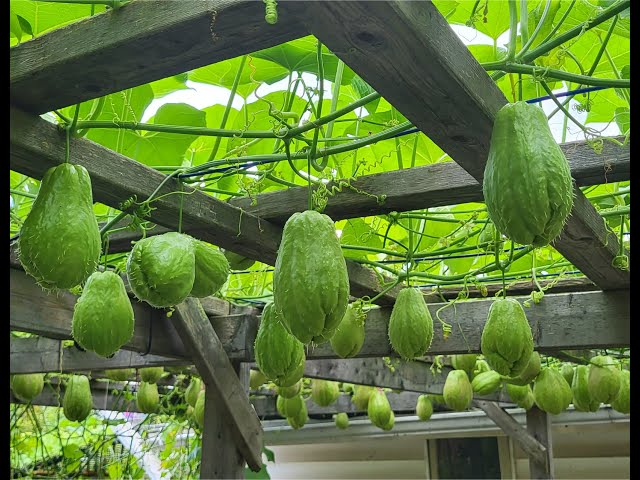
Chayote is native to Mesoamerica, a region known for its tropical and subtropical conditions. This means it’s naturally adapted to warmer weather, making it an ideal crop for gardeners dealing with hot summers. The plant prefers well-draining soil, moderate watering, and plenty of sunlight, which are conditions often abundant during hot seasons. With proper care, chayote can produce fruits for months, providing a nutritious and refreshing addition to your meals.
Moreover, chayote is incredibly versatile in the kitchen. Its tender flesh can be cooked in stews, sautéed with spices, or eaten raw in salads. By propagating your own chayote, you not only ensure a continuous supply but also save money while enjoying the satisfaction of growing your own food.
Step 1: Choosing the Right Chayote Fruit for Propagation
The first step in propagating chayote is selecting a healthy fruit. Look for a chayote that is:
- Firm and mature: Avoid soft or overripe fruits, as they may not sprout properly.
- Free from blemishes or diseases: Spots, mold, or signs of rot can affect germination.
- Fresh: Fresher chayote tends to produce stronger vines and better yields.
Once you’ve chosen the right fruit, you can start the propagation process. The beauty of chayote is that it doesn’t require seeds; the fruit itself can sprout roots and shoots when given the right conditions.
Step 2: Preparing Your Chayote for Planting
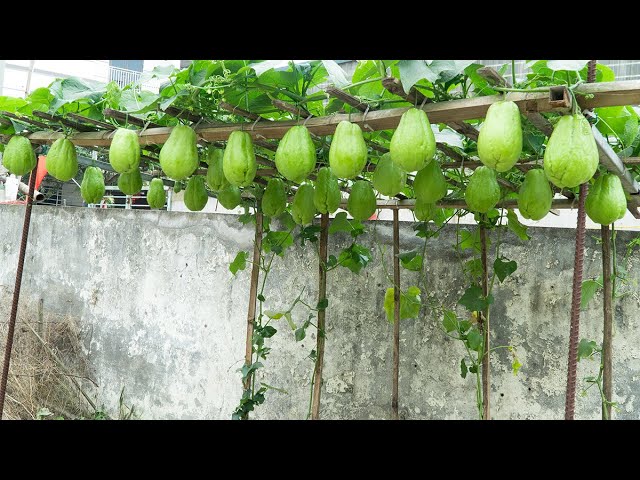
Before planting, it’s essential to prepare your chayote correctly. Here’s how:
- Soak the Chayote: Place the fruit in a bowl of water for 24 to 48 hours. This helps soften the skin and encourages root formation. Make sure the water is at room temperature to avoid shocking the fruit.
- Check for a Sprout: Most chayotes will begin to sprout naturally after a few days. If your chayote has a visible growth point, it’s a good sign that it’s ready to plant.
- Prepare the Soil: Choose a pot or garden spot with well-draining soil rich in organic matter. A mix of compost, sand, and garden soil works perfectly. Chayote thrives in slightly acidic to neutral pH levels (6.0–7.0).
Step 3: Planting Your Chayote

Planting chayote is straightforward, but some care is needed to ensure it survives the heat:
- Positioning: Plant the chayote with the pointed end down and the wider end slightly above the soil. This ensures that the growing tip is exposed to sunlight and can develop shoots.
- Spacing: If planting multiple fruits, allow at least 1–2 meters (3–6 feet) between plants. Chayote vines grow vigorously and require space to climb.
- Watering: Water thoroughly after planting. Chayote likes moist soil but is prone to rot if overwatered, especially in hot weather. Water early in the morning or late in the afternoon to reduce evaporation.
Step 4: Providing Support for Vine Growth
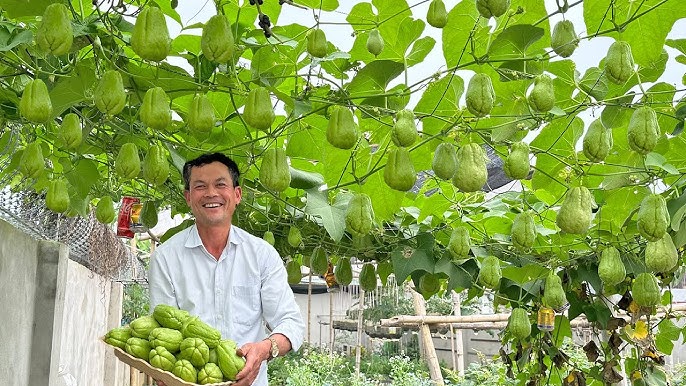
Chayote is a climbing vine, which means it needs support to grow vertically. Providing a trellis or sturdy structure ensures that the plant doesn’t sprawl on the ground, which can lead to pests and diseases. Some tips include:
- Use bamboo poles, wooden stakes, or metal trellises.
- Tie the vine gently as it grows to prevent breakage.
- Ensure the support structure is tall enough (at least 2–3 meters or 6–10 feet) to accommodate vigorous growth.
Vertical growth also helps with airflow, reducing the risk of fungal infections—a common problem during hot and humid conditions.
Step 5: Caring for Chayote in Hot Weather

High temperatures can stress plants, so proper care is essential:
- Mulching: Apply a thick layer of organic mulch around the base to retain moisture and keep the roots cool. Straw, dry leaves, or compost works well.
- Regular Watering: Keep the soil consistently moist but not waterlogged. Deep watering once or twice a week is better than frequent shallow watering.
- Fertilization: Feed your chayote with balanced organic fertilizer every 3–4 weeks. Nitrogen encourages leafy growth, while phosphorus and potassium promote root development and fruiting.
- Shade Protection: During extreme heat waves, provide temporary shade using shade cloth or light netting to prevent leaf scorching.
Step 6: Dealing with Common Challenges
Even heat-loving plants like chayote can face challenges in hot weather:
- Pests: Aphids, mites, and whiteflies may appear. Use natural repellents like neem oil or insecticidal soap.
- Diseases: Powdery mildew and root rot are common in warm, humid conditions. Ensure proper spacing and avoid overwatering.
- Heat Stress: If leaves start curling or turning yellow, provide extra water and partial shade during the hottest hours.
By staying attentive and taking preventive measures, you can keep your chayote healthy and productive throughout the summer.
Step 7: Harvesting Chayote
Chayote is typically ready to harvest 4–6 months after planting. Signs that the fruit is ready include:
- A firm texture with a smooth surface
- Light green color (depending on the variety)
- Size between 10–20 cm (4–8 inches)
Harvest regularly to encourage continuous fruiting. Gently twist or cut the fruit from the vine to avoid damaging the plant. Chayote can be stored in a cool, dry place for several weeks, making it convenient for daily use or cooking in batches.
Step 8: Enjoying the Fruits of Your Labor
Growing chayote from a single fruit is rewarding. Not only do you get fresh produce, but you also experience the satisfaction of nurturing a plant through hot weather. The versatility of chayote allows you to experiment in the kitchen, from simple stir-fries to hearty soups, pickles, and salads.
Additionally, propagating chayote is sustainable and cost-effective. Instead of buying multiple seeds or seedlings, one fruit can produce an entire vine, making it a practical choice for home gardeners.
Conclusion
Hot weather doesn’t have to stop you from growing chayote. By choosing a healthy fruit, preparing it properly, planting with care, and providing adequate support and water, you can propagate chayote easily—even under the summer sun. With patience, attention, and a little know-how, you’ll enjoy a thriving vine and bountiful harvest.
Whether you’re an experienced gardener or a beginner, propagating chayote is a satisfying and productive endeavor. So, embrace the heat, grab a fresh chayote, and watch your garden flourish!