
Cashew is more than just a delicious nut in my village—it’s a livelihood, a tradition, and a seasonal celebration. With its unique growth pattern and economic value, cashew cultivation has become an integral part of our community’s agricultural identity. From planting the saplings to harvesting and processing the nuts, every step carries the wisdom of generations.
This blog post takes you through our village’s traditional and practical approach to cashew farming—from cultivation methods to harvesting and processing—offering insights that can help both beginners and enthusiasts understand how cashews go from trees to the snacks we love.
Why Cashew Cultivation Matters in Village Life
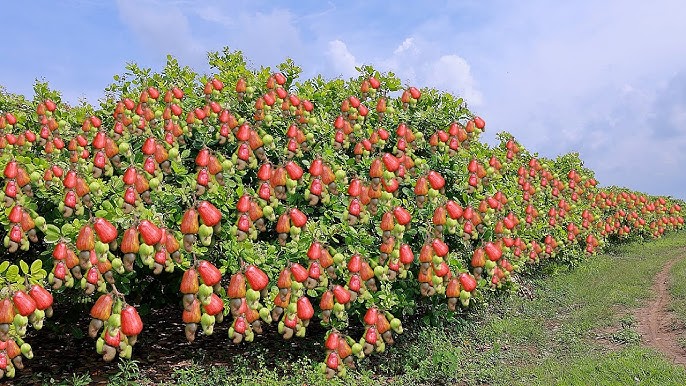
Cashew trees thrive particularly well in tropical and coastal regions. They require relatively low maintenance, adapt to challenging soil conditions, and generate steady income. For many families in my village, cashew season brings work opportunities, community gatherings, and produce that supports local trade.
Beyond economic value, cashew trees provide:
- Shade for crops and livestock
- Erosion control with deep roots
- Fodder and firewood from branches
- Cashew apple for beverages and animal feed
Climate and Soil: Natural Suitability
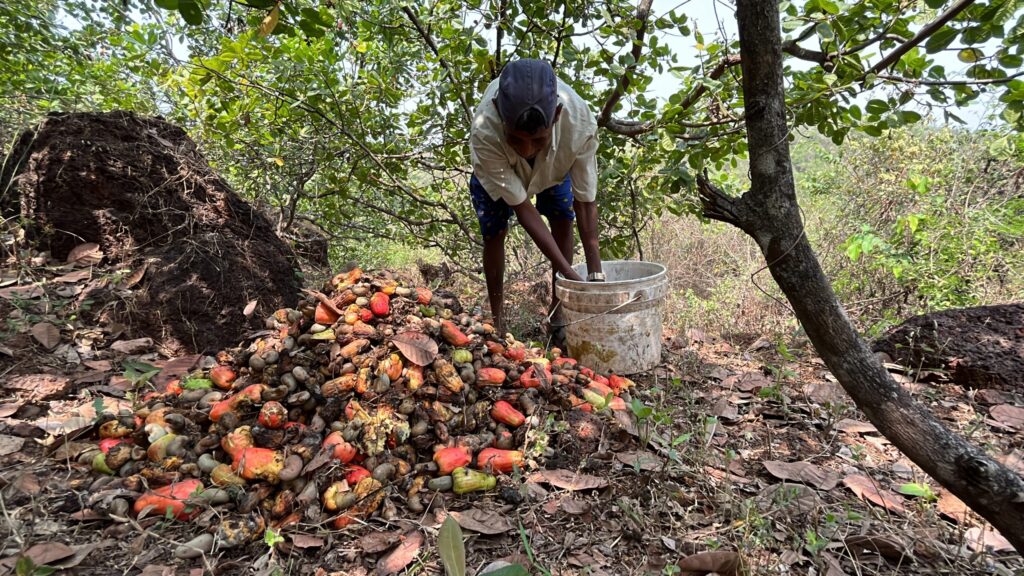
Our village has the ideal conditions for cashew cultivation:
- Temperature: 25°C to 35°C
- Rainfall: 600–1200 mm annually
- Elevation: Up to 1000 meters
- Soil Type: Sandy loam, red laterite, or well-drained gravelly soil
Cashew trees do not tolerate waterlogging, so slightly sloping land is preferred. Surprisingly, they can grow even in nutrient-poor soils, though growth improves significantly with care and organic inputs.
Choosing and Preparing Cashew Land

Before planting, the land is cleared of bushes and stones. In our village, the fields are often prepared during the post-monsoon season when the soil is soft and workable.
Pit Preparation:
- Pits are dug 2–3 feet deep.
- Size: Typically 60×60×60 cm.
- The soil is mixed with organic matter—such as compost, cow dung, or dry leaf manure.
- In some areas, wood ash is added to improve potassium content.
Spacing depends on the variety and terrain:
- Traditional varieties: 8–10 meters apart
- High-density planting: 5×4 meters
- Ultra-density systems: 4×4 meters
Planting Cashew Trees: Seeds vs. Grafts
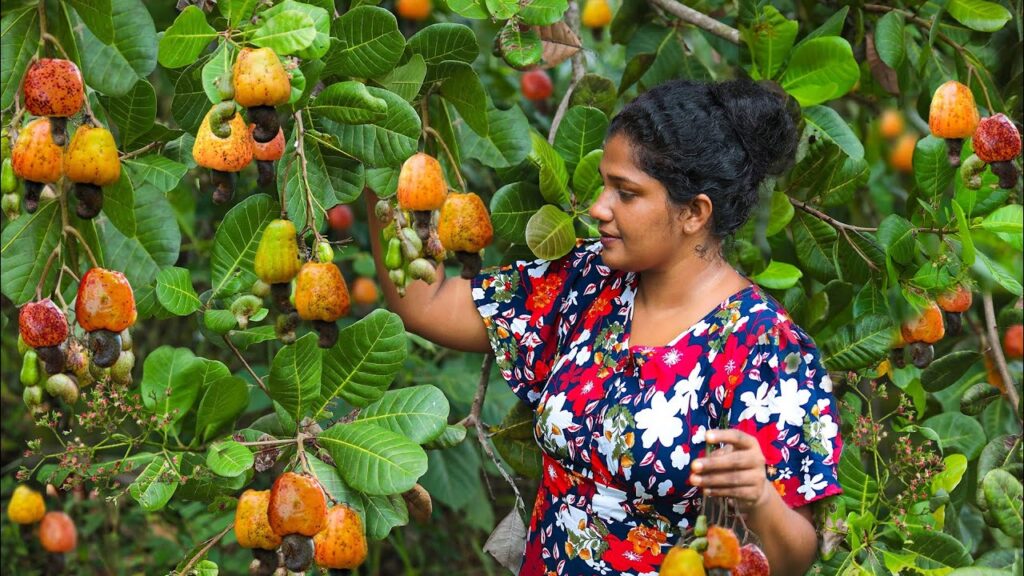
In earlier days, our farmers planted seeds directly into the soil. However, modern practices now favor grafted saplings, which give higher yields and fruit earlier.
Seed Planting:
- Seeds are sown during the onset of monsoon.
- 2-3 seeds per pit ensure at least one strong seedling.
- Thinning is done after germination.
Grafted Saplings:
- Air-layered or softwood grafts from high-yielding trees are planted.
- These begin producing nuts as early as 3 years, compared to 5–7 years for seed-grown trees.
Some popular high-yielding cashew varieties include:
- VRI-3
- Vengurla-7
- Ullal-1
- Goa-11
- BPP-4
Early Care and Maintenance
To improve early establishment, our farmers follow simple but effective practices:
- Mulching: Dry leaves, straw, and coconut husks retain soil moisture.
- Watering: Young plants receive water during dry spells. Mature trees mostly survive on rainfall.
- Weeding: Regular hand weeding ensures no competition for nutrients.
- Fertilization:
- Year 1: 10–15 kg compost + 50g NPK per plant
- Gradually increased as the tree grows
- Pruning: Side branches are removed to maintain a single straight trunk during the early years.
Integrated Pest and Disease Management

Cashew trees are relatively hardy but can suffer from:
- Tea mosquito bugs
- Stem borers
- Dieback disease
- Powdery mildew
Our village relies heavily on natural and organic management:
- Spraying neem oil and cow urine mixtures
- Applying wood ash around roots
- Removing dead branches to stop fungal spread
- Maintaining good airflow between plants
Flowering and Fruiting Stage
Cashew trees typically begin flowering after 2–3 years in grafted varieties and 4–5 years in seed-grown ones. Flowering occurs during the dry months when humidity is low—often between December and February.
Blossom Features:
- Flowers appear in panicles.
- A mix of male and bisexual flowers bloom.
- Pollination occurs via bees, ants, wind, and insects.
After pollination, the cashew apple and nut begin to form. The nut sits at the end of the pseudo-fruit (the cashew apple), making the plant one of the most unique in the agricultural world.
Harvest Season in the Village
Harvest time brings excitement and activity. Depending on the region, it typically falls between March and May.
Signs of Maturity:
- Cashew apples turn yellow, red, or pink.
- Nuts become grayish-brown.
- Fruits start dropping naturally.
Harvesting is done by:
- Collecting fallen apples and nuts from the ground
- Gently plucking mature apples with attached nuts
- Avoiding damage to both parts during collection
It’s common to gather entire families for the harvest, turning it into a seasonal celebration.
Processing the Cashew Nuts
The cashew apple is separated from the nut manually. The apples are used for:
- Juice and sherbet
- Wine or feni (in some regions)
- Pickles or animal feed
The nuts undergo several steps before the edible kernel is obtained.
Step 1: Drying
Raw nuts are sun-dried for 2–3 days to reduce moisture.
Step 2: Roasting
There are two traditional roasting methods:
- Drum roasting over fire
- Sand roasting in open pits
Roasting helps loosen the shell and evaporate caustic cashew nut shell liquid (CNSL).
Step 3: Shelling
After cooling, nuts are cracked open using hand tools or knives. Women in the village often do this expertly.
Step 4: Peeling
The thin brown skin covering the kernel is removed after a brief heating or steaming session.
Step 5: Grading
Kernels are sorted based on size, shape, and color into categories like:
- W180 (King size)
- W210
- W240
- Splits
- Brokens
Step 6: Packing
The final cashews are dried again, then packed in airtight containers or vacuum-sealed bags.
Cashew Apple Uses in the Village
Though often discarded in commercial farms, cashew apples are valued in our village:
- Juice and syrup
- Fermented wine or liquor
- Chutneys and pickles
- Animal feed and compost
Even the leftover pulp nourishes animals or enriches soil.
Economic Importance
Cashew farming provides seasonal income for many families. Villagers earn money by:
- Selling raw nuts
- Producing roasted kernels
- Making cashew apple wine
- Trading byproducts like CNSL (used in paints and lubricants)
With minimal input costs and high returns, cashew remains one of the most profitable plantation crops in the region.
Sustainable and Organic Practices
Our traditional techniques emphasize nature-friendly farming:
- Mulching with fallen leaves
- Rainwater harvesting near roots
- Manual weeding over chemical sprays
- Using cow dung and compost over synthetic fertilizers
These practices ensure long-term soil health and consistent yields.
Challenges in Cashew Cultivation
Farmers do face hurdles, such as:
- Climate changes affecting flowering
- Pest outbreaks
- Labor shortages during harvest
- Market price instability
However, community cooperation and traditional methods help tackle these issues effectively.
Modern Techniques Being Adopted
Though our roots are traditional, some farmers now incorporate:
- Drip irrigation for young trees
- High-yielding dwarf varieties
- Intercropping with legumes, pineapple, or pepper
- Solar dryers for nuts
- Farmer cooperatives for better pricing
These enhancements improve productivity without sacrificing heritage.
Conclusion: A Tradition Rooted in Nature
Cashew cultivation in my village is more than agriculture—it’s a rhythm that connects seasons, families, and generations. From planting the saplings to processing the nuts over fire pits, every step combines tradition, skill, and respect for nature.
Whether you’re looking to start a cashew plantation or simply understand how these prized nuts reach your table, the village model offers valuable lessons in sustainability, patience, and resourcefulness.