Pumpkins are not just a symbol of autumn—they’re versatile, nutritious, and a staple in many cuisines worldwide. From soups and pies to roasted seeds and even decorative displays, pumpkins serve multiple purposes. However, purchasing pumpkins from supermarkets can be expensive, especially during peak season.
What if you could grow your own pumpkins at home and enjoy large, healthy fruits without spending a fortune? With the right method, pumpkin cultivation can be surprisingly simple, productive, and even fun. This blog explores a practical method for growing pumpkins, allowing you to reap a bountiful harvest and never worry about buying pumpkins again.
Why Grow Pumpkins at Home?
1. Cost-Effective
Pumpkins can be costly, particularly organic or large varieties. By growing your own, you reduce expenses while gaining multiple harvests from a single planting season.
2. Freshness and Quality
Homegrown pumpkins are fresher and more flavorful than store-bought ones. You control the growing conditions, soil quality, and pesticides, resulting in healthier fruits.
3. Nutritional Benefits
Pumpkins are rich in vitamins A and C, fiber, and antioxidants. They support eye health, immunity, and digestion. Growing your own ensures these nutrients are at their peak.
4. Sustainability
Cultivating pumpkins reduces reliance on commercial supply chains, lowering your environmental footprint and promoting eco-friendly gardening.
5. Gardening Enjoyment
Pumpkin cultivation is rewarding. Watching seeds transform into sprawling vines and eventually fruiting plants is fulfilling and educational for families and children.
Understanding Pumpkin Growth
Before planting, it’s important to understand how pumpkins grow:
- Vining Plants: Pumpkins are trailing vines that can spread several feet.
- Warm-Season Crop: They thrive in temperatures between 70–90°F (21–32°C).
- Soil Requirements: Well-draining, nutrient-rich soil with a pH of 6.0–6.8 is ideal.
- Fruiting Period: Pumpkins usually take 90–120 days to mature, depending on the variety.
- Pollination: Bees and insects play a crucial role in pollinating pumpkin flowers, which is necessary for fruit formation.
Understanding these factors helps you plan space, care, and timing for a successful harvest.
Step-by-Step Guide to Growing Pumpkins
Step 1: Select the Right Variety
Choose a pumpkin variety based on your goals:
- Large Pumpkins: Great for pies, soups, and Halloween displays.
- Small or Mini Pumpkins: Perfect for decoration or small-scale cooking.
- Fast-Maturing Varieties: Ideal for regions with shorter growing seasons.
Popular varieties include ‘Sugar Pie’, ‘Jack O’Lantern’, and ‘Cinderella’ pumpkins.
Step 2: Prepare the Soil
Pumpkins thrive in loose, fertile soil. Follow these steps:
- Clear the planting area of weeds and debris.
- Dig the soil to a depth of 12–15 inches.
- Mix in compost or aged manure to enrich nutrients.
- Ensure the soil drains well to prevent root rot.
Step 3: Planting Seeds
- Direct Sowing: Plant seeds 1 inch deep in small mounds spaced 3–5 feet apart. Mounds improve drainage and give roots room to expand.
- Seedlings: Start seeds indoors 3–4 weeks before the last frost. Transplant when seedlings have 2–3 true leaves and outdoor temperatures are consistently warm.
Step 4: Watering
Pumpkins need consistent moisture, especially during flowering and fruiting. Follow these guidelines:
- Water deeply once or twice a week.
- Avoid wetting the leaves to reduce the risk of fungal diseases.
- Mulch around the base to retain soil moisture and regulate temperature.
Step 5: Fertilization
Pumpkins are heavy feeders. A good fertilization schedule includes:
- Nitrogen-rich fertilizer during early growth to promote vine development.
- Phosphorus and potassium fertilizer during flowering and fruiting to enhance blossom and fruit size.
- Avoid over-fertilizing with nitrogen once fruits set, as it can reduce fruit quality.
Step 6: Pollination Assistance
If natural pollinators are scarce, hand pollination ensures fruit formation:
- Use a small brush to transfer pollen from male flowers to female flowers.
- Female flowers are distinguished by a tiny fruit at the base.
- Early morning is the best time for pollination.
Step 7: Pruning and Care
- Remove weak or overcrowded vines to direct energy to fruit development.
- Monitor for pests such as squash bugs, cucumber beetles, and aphids.
- Use organic sprays or manual removal to manage infestations.
Harvesting Pumpkins
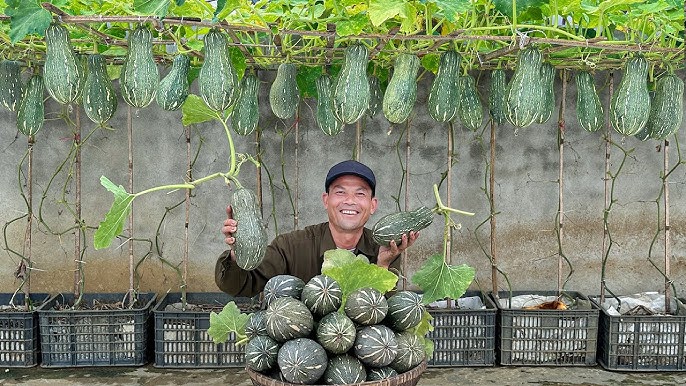
- Timing: Harvest when the fruit’s skin is hard, and color is fully developed.
- Method: Cut the pumpkin from the vine with a sharp knife, leaving a 2–4 inch stem attached to prolong shelf life.
- Storage: Keep pumpkins in a cool, dry place. Properly stored pumpkins can last 2–3 months.
Benefits of This Method
- Cost Savings: Stop buying pumpkins seasonally.
- Large, Sweet Fruits: Proper care ensures flavorful, healthy pumpkins.
- Sustainable Gardening: Reuses space efficiently and reduces dependence on supermarkets.
- Educational Value: Fun for children and beginners to learn about plant growth cycles.
- Culinary Variety: Enjoy fresh pumpkin in pies, soups, roasted dishes, and even seeds.
Common Mistakes to Avoid
- Planting Too Early or Late: Frost can damage seedlings; hot weather can stress young plants.
- Overcrowding: Insufficient space reduces fruit size and yield.
- Inconsistent Watering: Uneven moisture can cause misshapen fruits or splitting.
- Neglecting Pollination: Without proper pollination, flowers will not produce fruits.
- Ignoring Pests and Diseases: Regular monitoring and preventive care are essential.
Creative Tips for Growing Pumpkins
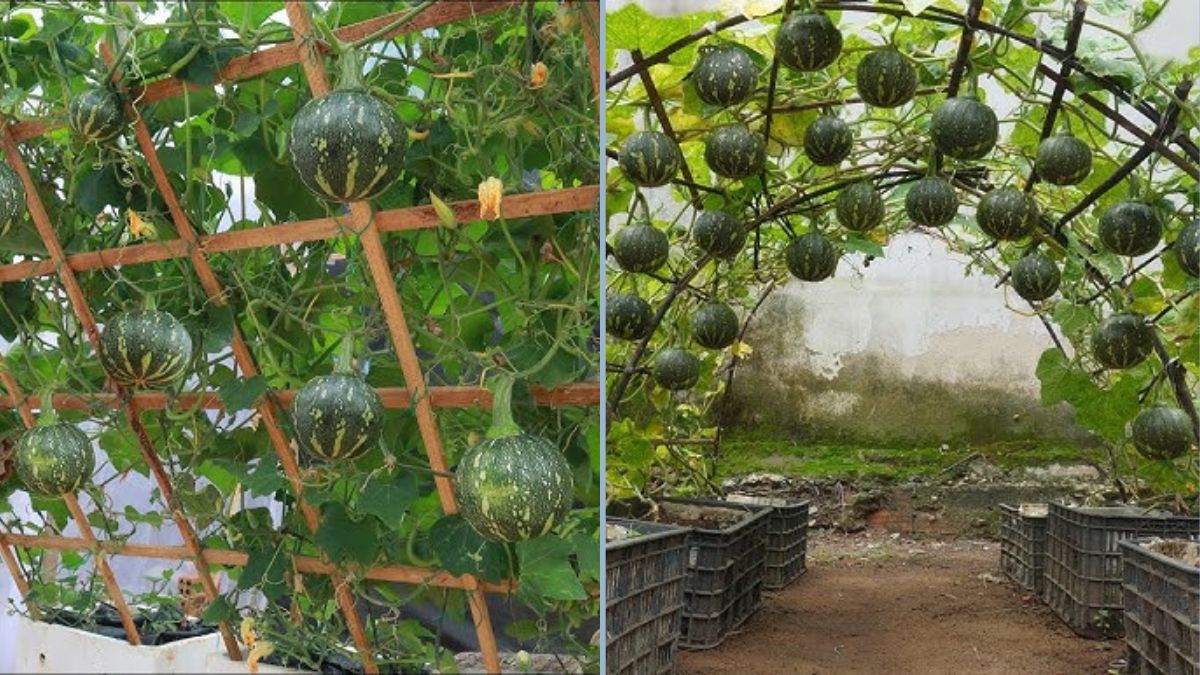
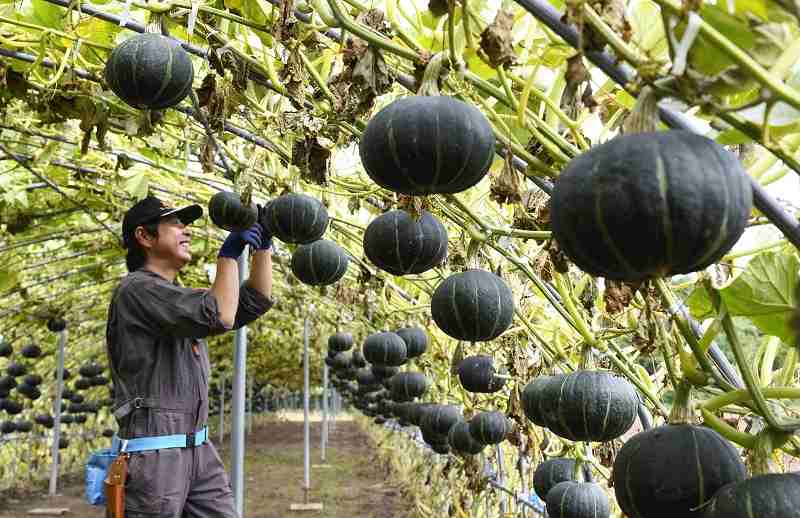
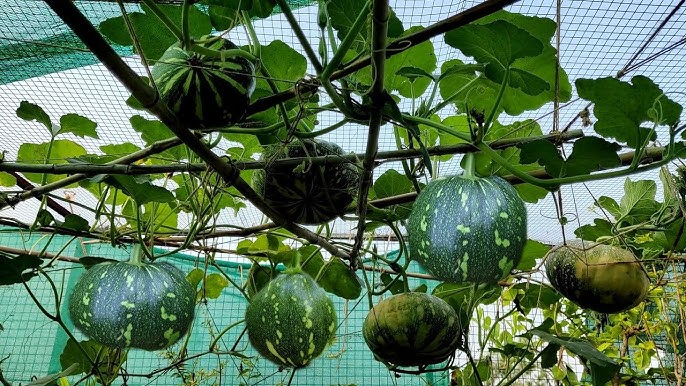
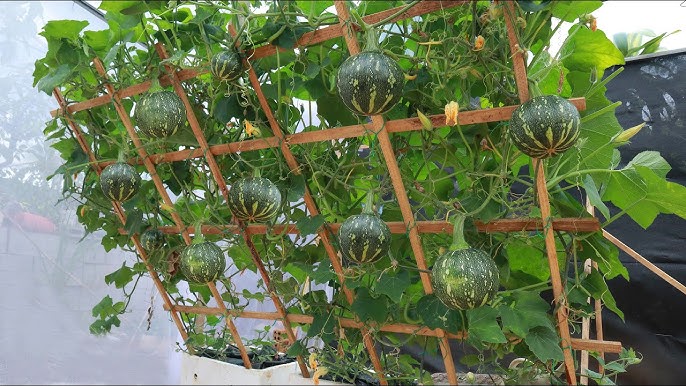
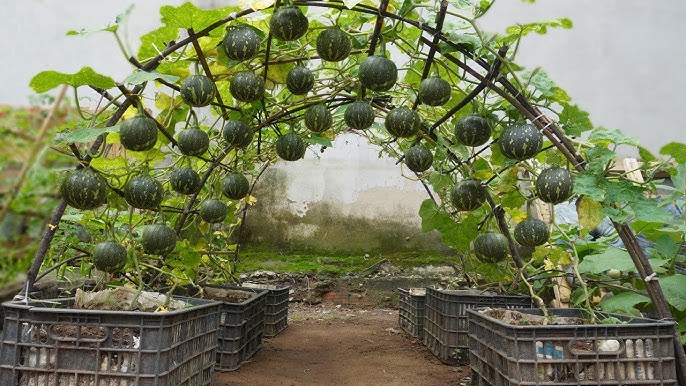
- Vertical Gardening: Train vines up trellises for smaller spaces.
- Companion Planting: Grow pumpkins alongside corn or beans for natural pest control and soil enrichment.
- Organic Mulching: Use straw or dried leaves to reduce weeds and retain moisture.
- Succession Planting: Plant seeds every few weeks for a continuous harvest.
Culinary and Decorative Uses
- Cooking: Pumpkins can be used in soups, pies, roasted dishes, and stews.
- Snacks: Roast seeds for a nutritious snack.
- Decor: Large pumpkins are perfect for autumn decorations and Halloween carving.
- Animal Feed: Excess fruits can be fed to livestock or composted.
Conclusion
Growing pumpkins at home using this method is both practical and rewarding. With proper soil preparation, careful watering, pollination, and pest management, you can enjoy large, sweet pumpkins straight from your garden. Not only does this save money, but it also ensures fresher, healthier fruits with superior flavor compared to supermarket options.
Whether you have a large backyard or a small balcony garden, pumpkins can be adapted to your space. By following these steps, you can cultivate a thriving pumpkin patch and enjoy the satisfaction of homegrown produce.
Say goodbye to buying pumpkins and hello to fresh, bountiful fruits you grew yourself! With patience, care, and attention to detail, your garden can become a source of delicious and nutritious pumpkins year after year.