
Garlic is one of the most beloved and widely used ingredients in kitchens around the world. Beyond its distinctive flavor and aroma, garlic is also known for its medicinal properties, cultural significance, and versatility in cooking. While most people buy bulbs at the store, growing garlic at home is surprisingly simple. In fact, you don’t need to be a gardening expert—you can grow garlic successfully by using just the base of the bulb.
The method of planting garlic by its base is quick, easy, and highly effective, making it ideal for beginners as well as experienced gardeners looking for a low-maintenance crop. This article explores everything you need to know about this technique: why it works, how to do it, tips for care, and ways to harvest a healthy, flavorful garlic crop.
Why Grow Garlic at Home?
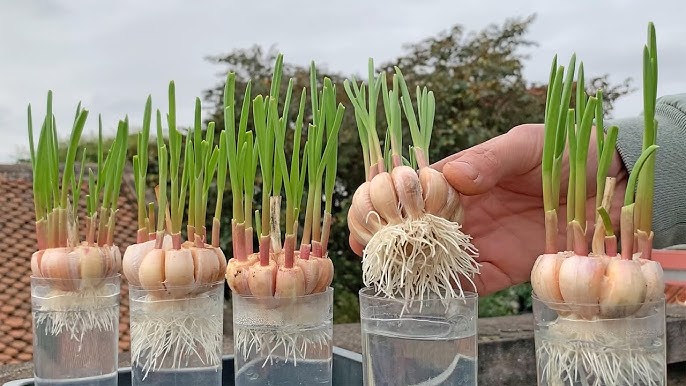
Before diving into the technique, it’s worth noting the benefits of cultivating your own garlic:
- Freshness: Homegrown garlic has a richer flavor compared to store-bought varieties that may have been stored for months.
- Health Benefits: Garlic is packed with antioxidants, vitamins, and compounds like allicin, which support heart health, boost immunity, and may even reduce inflammation.
- Cost-Effective: A single garlic bulb can yield many new bulbs, making it a smart investment.
- Sustainability: Growing garlic reduces reliance on imported crops and helps you eat locally.
- Satisfaction: Watching garlic sprout and eventually harvesting your own bulbs is deeply rewarding.
Now let’s get into the step-by-step process of planting garlic by its base.
Understanding the Garlic Base
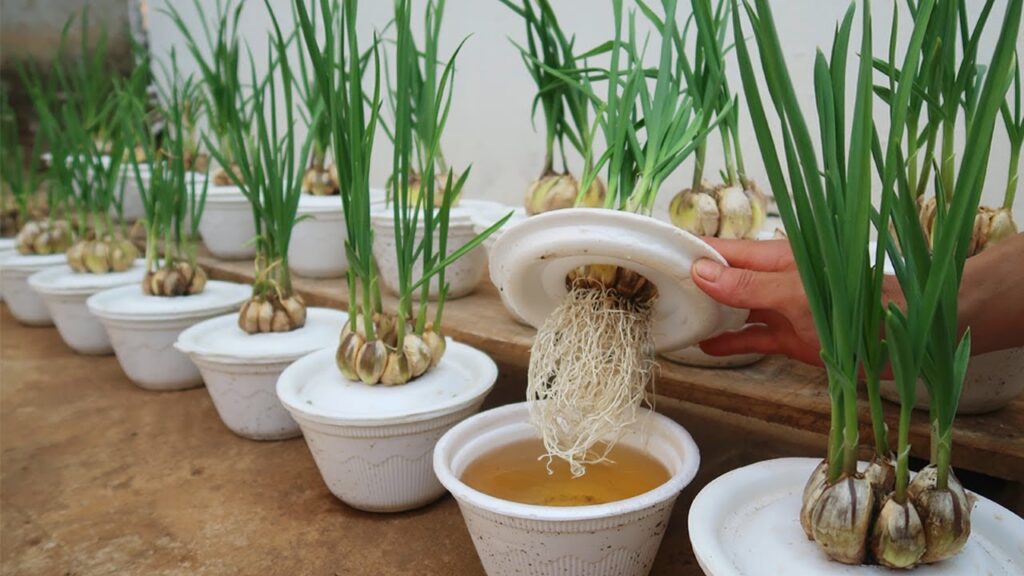
Garlic grows from cloves, but the base of the bulb is the real powerhouse of growth. The base is the flat, bottom section of the bulb where roots naturally emerge. When placed in soil, the base quickly develops a root system, anchoring the plant and supplying nutrients for new shoots.
This method is sometimes overlooked in favor of clove planting, but it works just as well and can be faster in some cases. Using the base ensures a strong root system and increases your chances of growing robust garlic plants.
Step-by-Step Guide: Growing Garlic by Planting the Base
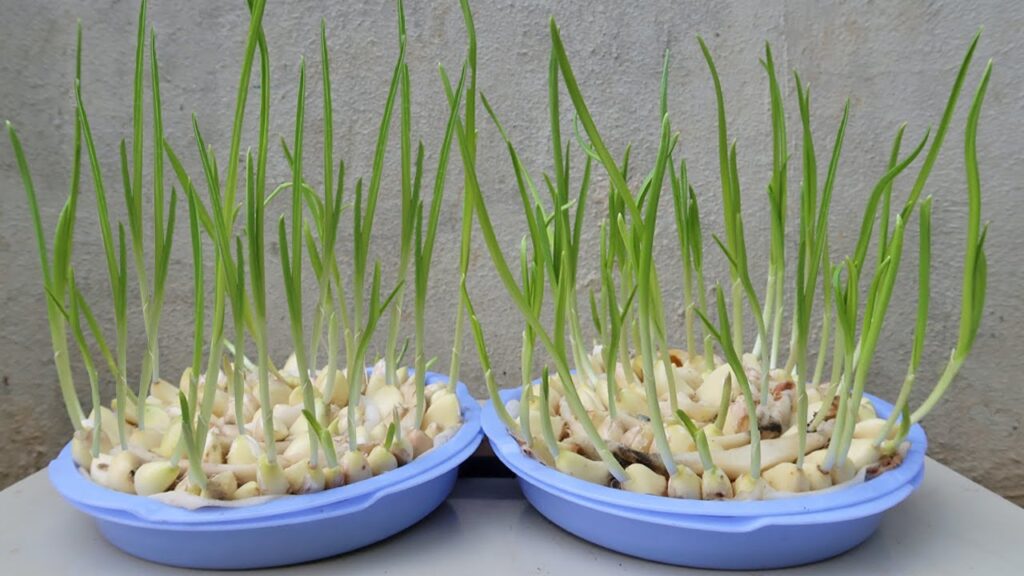
1. Select Healthy Garlic Bulbs
Start with fresh, healthy garlic. Organic bulbs are best since conventional ones may be treated with chemicals to prevent sprouting. Avoid bulbs that are shriveled, moldy, or overly soft.
2. Identify and Prepare the Base
Turn the bulb upside down. The flat side is the base—this is where the roots grow. If you’re planting directly from the bulb, gently separate the cloves but leave the basal plate (the bottom part of the bulb) intact.
3. Choose the Right Planting Spot
Garlic loves sunlight, so choose a location that receives at least 6–8 hours of direct sunlight daily. The soil should be well-draining and rich in organic matter. Raised beds, garden plots, or deep pots work equally well.
4. Prepare the Soil
Loosen the soil to a depth of 8–10 inches. Mix in compost or aged manure for added nutrients. Garlic thrives in slightly acidic to neutral soil with a pH between 6.0 and 7.0.
5. Plant the Garlic Base
Place the garlic base in the soil with the flat side down and pointed side up (if cloves are attached). Cover it with about 2 inches of soil. Space each planting 4–6 inches apart to give roots room to spread.
6. Watering

Water the soil immediately after planting to help the roots establish. Garlic prefers moist but not waterlogged conditions. Consistent watering is key, especially during dry spells.
7. Mulching
Apply a layer of straw, shredded leaves, or grass clippings over the soil. Mulch helps retain moisture, suppress weeds, and protect young shoots from extreme temperatures.
Caring for Garlic Plants
Garlic is relatively low-maintenance, but a little attention goes a long way.
- Watering Schedule: Water deeply once or twice a week. Reduce watering as harvest time approaches to prevent bulbs from rotting.
- Weeding: Keep the area free of weeds, which compete for nutrients.
- Fertilizing: Apply a nitrogen-rich fertilizer during the early growth stages. Later, switch to a balanced fertilizer to promote bulb development.
- Pest Management: Garlic is naturally pest-resistant, but keep an eye out for onion thrips and fungal issues. Crop rotation helps prevent soil-borne diseases.
Harvesting Garlic
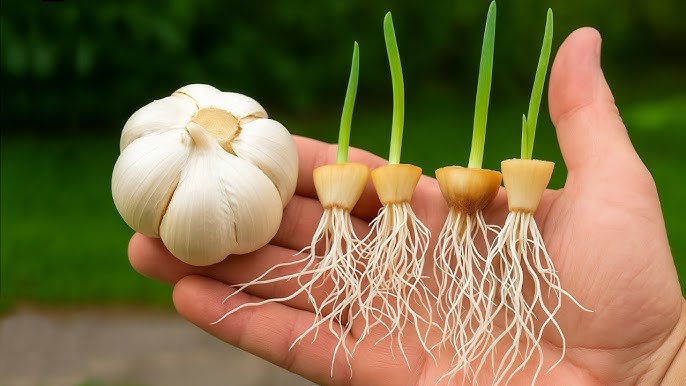
The most exciting part of the process is harvesting your garlic. But how do you know when it’s ready?
- Signs of Maturity: Garlic is usually ready 7–8 months after planting. Look for yellowing leaves that start to dry out from the bottom up.
- Harvest Carefully: Use a garden fork or spade to gently lift bulbs from the soil. Avoid tugging by hand, which can damage the bulbs.
- Curing: Lay harvested garlic in a dry, shaded area with good airflow for 2–3 weeks. Curing strengthens the bulbs and extends storage life.
Growing Garlic Indoors
Don’t have a garden? No problem! Garlic can be grown indoors in containers. Simply:
- Use a pot with good drainage.
- Plant the garlic base in potting soil.
- Place the container near a sunny window or under a grow light.
- Harvest garlic greens as they grow for fresh seasoning, or wait several months for bulb development.
Indoor garlic may not produce bulbs as large as outdoor crops, but it’s perfect for small spaces and year-round gardening.
Common Mistakes to Avoid
Even though garlic is forgiving, beginners often make simple mistakes. Here are some to avoid:
- Overwatering: Too much water causes bulb rot.
- Planting Too Shallow: If the base is not deep enough, roots won’t anchor properly.
- Ignoring Sunlight: Garlic needs full sun to thrive.
- Harvesting Too Early: Premature harvesting results in small, underdeveloped bulbs.
- Skipping Mulch: Mulch is crucial for temperature regulation and moisture retention.
Culinary and Health Uses of Homegrown Garlic
Once harvested, your garlic can be used in endless ways:
- Cooking: Add it to sauces, stir-fries, soups, and roasted dishes.
- Pickling: Garlic cloves can be pickled for a tangy treat.
- Medicinal Use: Garlic tea, extracts, or raw garlic are often used for immune support.
- Preservation: Store bulbs in a cool, dry place. Properly cured garlic can last for months.
Garlic in Culture and Tradition
Garlic isn’t just food—it carries cultural weight. In many traditions, garlic symbolizes protection, strength, and resilience. From folklore about warding off evil spirits to its role in Mediterranean diets, garlic has earned its place as a staple of both cuisine and culture. Growing it at home connects you to centuries of tradition while providing a practical food source.
Conclusion
Growing garlic by planting the base is one of the simplest and most rewarding gardening projects you can try. With minimal effort, you’ll enjoy a harvest of fresh, flavorful bulbs that elevate your cooking and contribute to a healthier lifestyle.
This quick and easy method is perfect for beginners, apartment dwellers, or seasoned gardeners looking to maximize their space and time. By following a few basic steps—choosing healthy bulbs, preparing the soil, and caring for your plants—you can transform a humble garlic base into a thriving crop.
So next time you see a bulb of garlic in your kitchen, don’t just cook with it—plant it, and let your garden flourish with this timeless crop.