
In recent years, innovative gardening techniques have revolutionized how we grow vegetables at home. One of the most practical and sustainable methods is using plastic bottles as planters. This technique not only reduces waste but also allows urban gardeners to grow crops in small spaces such as balconies, patios, or rooftops.
Among the vegetables that thrive in this setup, kohlrabi stands out. Known for its crisp texture, mild sweetness, and nutrient-rich profile, kohlrabi can be grown effectively in plastic bottles. When grown correctly, the fruits are large, flavorful, and perfect for salads, roasting, and cooking.
In this guide, we will walk you through everything you need to know about growing kohlrabi in plastic bottles, from preparation to harvest, ensuring a successful and bountiful yield.
Why Grow Kohlrabi in Plastic Bottles?
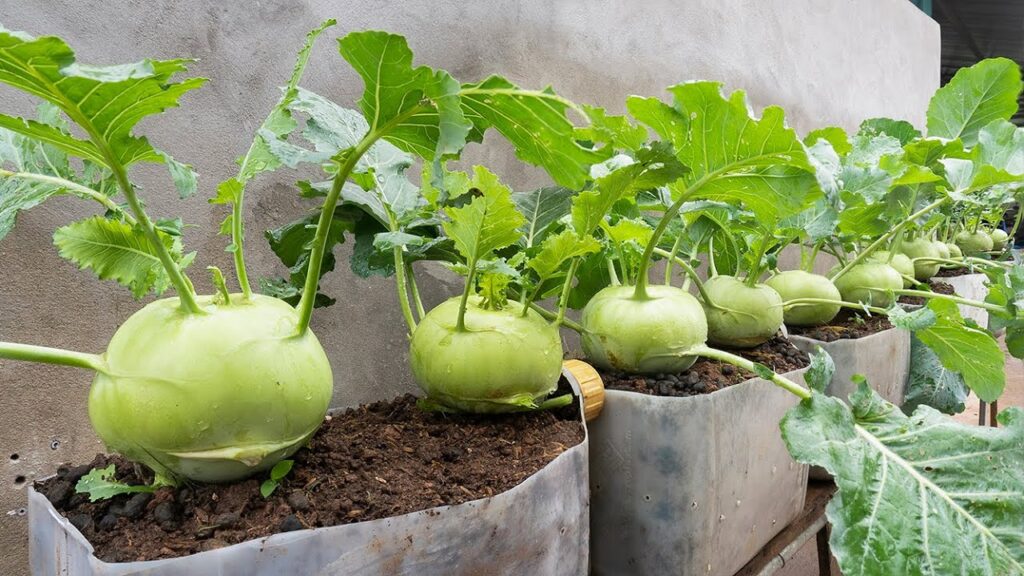
1. Eco-Friendly Gardening
Plastic bottles are abundant and often discarded after a single use. Repurposing them as planters reduces plastic waste while creating functional gardening solutions.
2. Space-Saving Solution
Urban gardening often faces space constraints. Vertical arrangements of plastic bottles allow you to grow multiple kohlrabi plants in a small area without compromising on yield.
3. Improved Drainage and Root Health
Plastic bottles can be modified with drainage holes to prevent waterlogging. Elevated bottles also reduce soil-borne diseases, ensuring healthier roots and bulbs.
4. Mobility
Bottles are lightweight and easy to move. You can adjust sunlight exposure, protect plants from extreme weather, and manage watering with greater convenience.
Understanding Kohlrabi
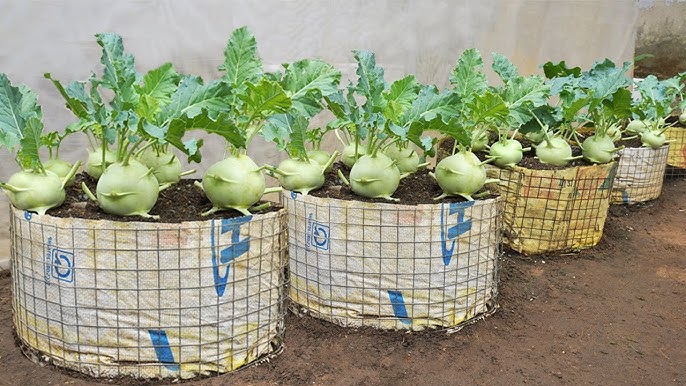
Before planting, it’s essential to understand the growth habits of kohlrabi:
- Cool-Season Crop: Kohlrabi grows best in temperatures between 60–75°F (16–24°C).
- Edible Bulb: The swollen stem above the ground is the part that’s consumed.
- Growth Duration: Typically matures in 55–70 days depending on variety.
- Propagation: Can be grown from seeds or seedlings.
By understanding its growth pattern, you can ensure maximum yield and quality in a bottle-garden setup.
Materials Needed
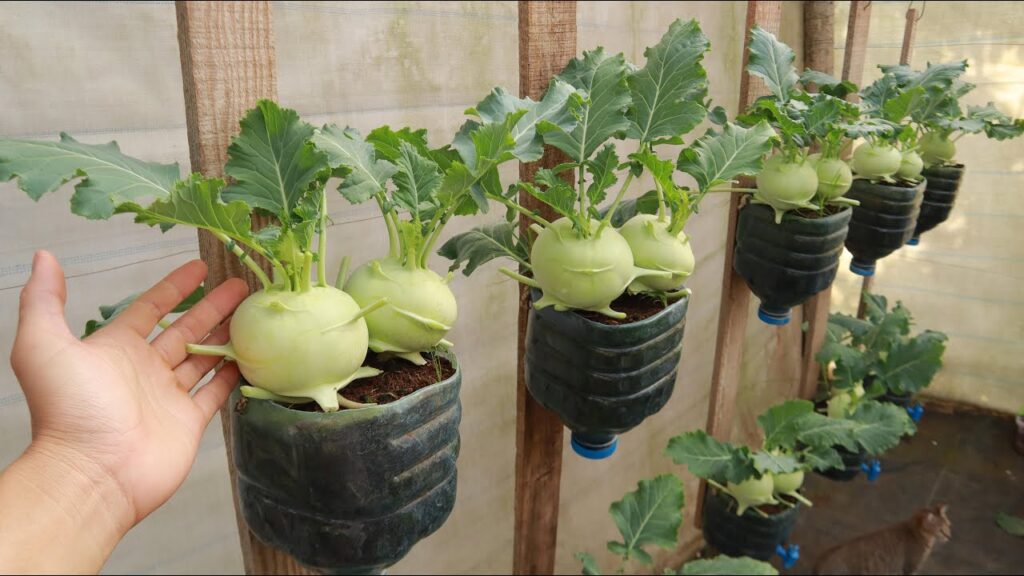
To start growing kohlrabi in plastic bottles, you will need:
- Plastic bottles – 1.5 to 2 liters works best.
- Potting soil – A mix of garden soil, compost, and sand for drainage.
- Kohlrabi seeds or seedlings – Choose varieties suited to your climate.
- Scissors or utility knife – To cut the bottle and create openings.
- Watering can – For consistent watering.
- Optional: Fertilizer – Slow-release or balanced NPK fertilizers for optimal growth.
Step-by-Step Guide to Growing Kohlrabi in Plastic Bottles
Step 1: Prepare the Bottle
- Cut the top of the bottle off, leaving enough height for soil and root growth.
- Make 3–4 drainage holes at the bottom to prevent waterlogging.
- Optionally, cut a small window on the side for easy observation and harvesting.
Step 2: Add Soil and Fertilizer
- Place a layer of small stones or gravel at the bottom for extra drainage.
- Fill the bottle with a mixture of soil and compost, leaving about 1–2 inches from the top.
- Mix in slow-release fertilizer if desired.
Step 3: Planting Seeds or Seedlings
- If using seeds, sow 2–3 seeds per bottle, ¼ inch deep.
- If using seedlings, transplant carefully, ensuring the base of the plant is in contact with soil.
- Water gently to settle the soil.
Step 4: Positioning the Bottles
Place the bottles in a sunny location, as kohlrabi needs at least 6 hours of sunlight daily. South-facing balconies or windowsills work well for urban setups.
Step 5: Watering and Maintenance
- Water consistently, keeping the soil evenly moist but not waterlogged.
- Mulch the top with straw or dry leaves to retain moisture and prevent weeds.
- Thin seedlings if multiple seeds were planted, leaving the strongest plant to grow.
Fertilizing Kohlrabi in Bottles

- Apply a nitrogen-rich fertilizer during the early growth stage to encourage bulb formation.
- Switch to a balanced fertilizer as the plant matures to support large, sweet bulbs.
- Avoid over-fertilizing, as excessive nitrogen can lead to leafy growth rather than bulb development.
Managing Pests and Diseases
Even in bottles, kohlrabi is susceptible to common pests:
- Aphids: Spray with neem oil or mild soap solution.
- Flea Beetles: Use floating row covers or natural deterrents.
- Cabbage Worms: Handpick larvae to prevent damage.
Proper drainage and sunlight exposure help reduce fungal issues and maintain plant health.
Harvesting Kohlrabi
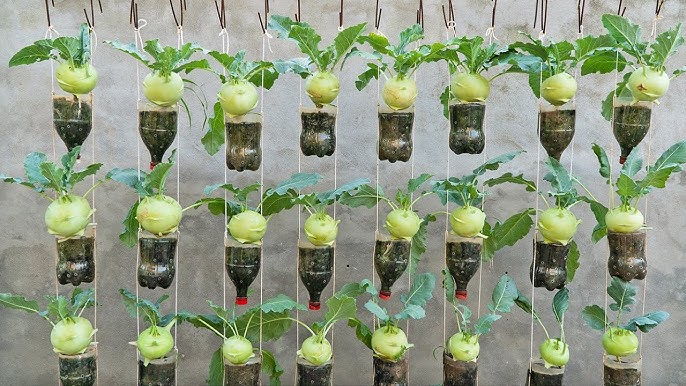
Kohlrabi grown in plastic bottles can produce large, sweet bulbs if cared for properly.
- Timing: Harvest when bulbs reach 2–3 inches in diameter for optimal flavor and texture.
- Method: Pull gently from the soil or bottle. Cut leaves, leaving 1–2 inches above the bulb.
- Storage: Keep bulbs in a cool, dry place for up to two weeks.
Regular harvesting encourages the plant to produce new shoots and maximizes overall yield.
Advantages of Growing Kohlrabi in Plastic Bottles
- Accessibility: Perfect for urban dwellers and apartment gardening.
- Cost-Effective: Reduces reliance on store-bought vegetables.
- Eco-Friendly: Reuses plastic bottles that would otherwise become waste.
- Space-Saving: Ideal for vertical gardening setups.
- Flavorful Produce: Fresh, homegrown kohlrabi is sweeter and crisper than supermarket varieties.
Tips for Maximizing Yield
- Succession Planting: Sow seeds every 2–3 weeks to ensure a continuous harvest.
- Sunlight: Rotate bottles periodically for even light distribution.
- Watering: Avoid letting the soil dry completely, but don’t overwater.
- Support: For larger bulbs, use stakes or ties to prevent leaning.
- Harvest Timing: Don’t wait too long—overgrown bulbs may become tough.
Culinary Uses of Kohlrabi
Kohlrabi is versatile and can be used in numerous dishes:
- Raw: Slice thinly for salads or coleslaw.
- Roasted: Toss with olive oil, garlic, and herbs.
- Steamed or Sautéed: Perfect for stir-fries or vegetable medleys.
- Soups and Stews: Adds natural sweetness and crunch.
- Leaves: Nutrient-rich and edible—great in sautés or soups.
Growing kohlrabi in bottles ensures a fresh supply for all these culinary uses.
Conclusion
Growing kohlrabi in plastic bottles is a practical, eco-friendly, and space-efficient gardening technique. Not only does it recycle waste, but it also produces large, sweet, and healthy bulbs perfect for home cooking.
With proper care, consistent watering, and attention to sunlight, your bottle-grown kohlrabi can yield a bountiful harvest that keeps your kitchen stocked all season. This method is ideal for urban gardeners, beginners, and anyone looking to grow fresh, nutritious vegetables without relying on the supermarket.
So, next time you finish a plastic bottle, don’t throw it away—repurpose it into a thriving mini-garden. With a little patience and attention, you can enjoy fresh, homegrown kohlrabi straight from your balcony or windowsill.