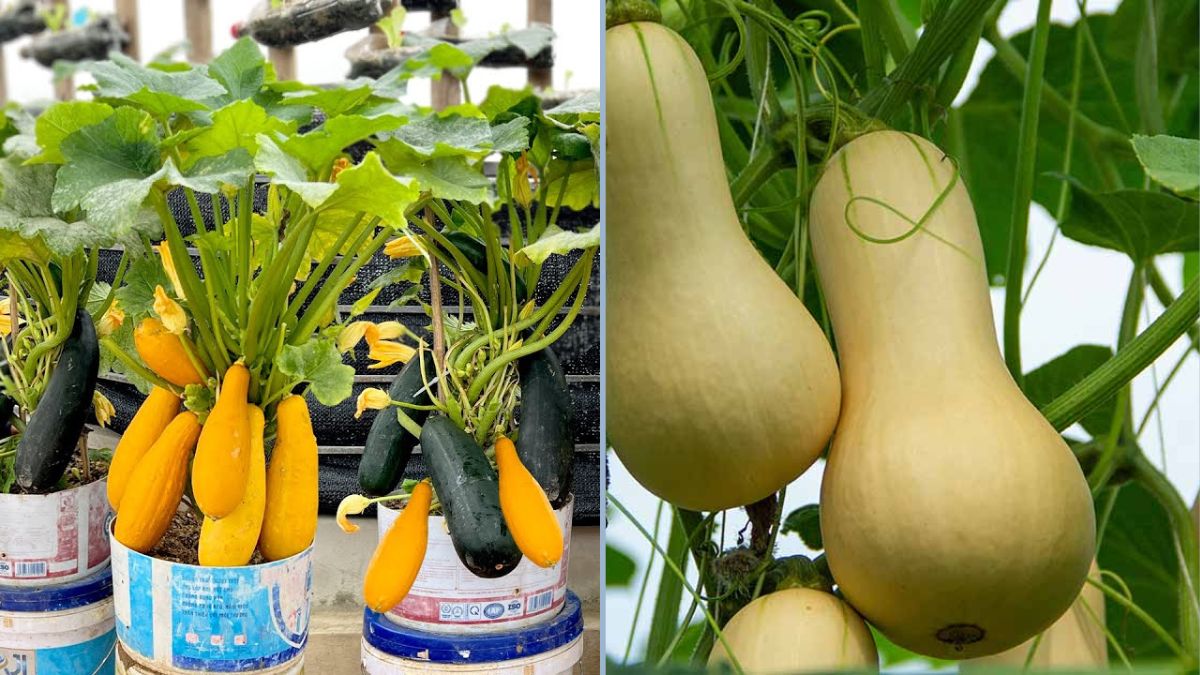
When it comes to growing squash—whether zucchini, yellow crookneck, pattypan, acorn, or delicata—gardeners often expect big yields. Squash plants are famously productive, but many growers still struggle with inconsistent harvests, small fruits, pest invasions, or plants that fizzle out mid-season. If you’ve ever wondered how some gardeners manage basket after basket of healthy squash, the answer usually comes down to strategy—not luck.
Today, we’re revealing five “secret” tips seasoned growers rely on for maximizing yields, improving plant health, and extending the harvest season. These methods aren’t complicated, but they make all the difference when applied consistently. Whether you grow in raised beds, containers, or a full backyard garden, these proven strategies can help you produce more squash than ever before.
Secret Tip #1: Feed the Soil, Not Just the Plant
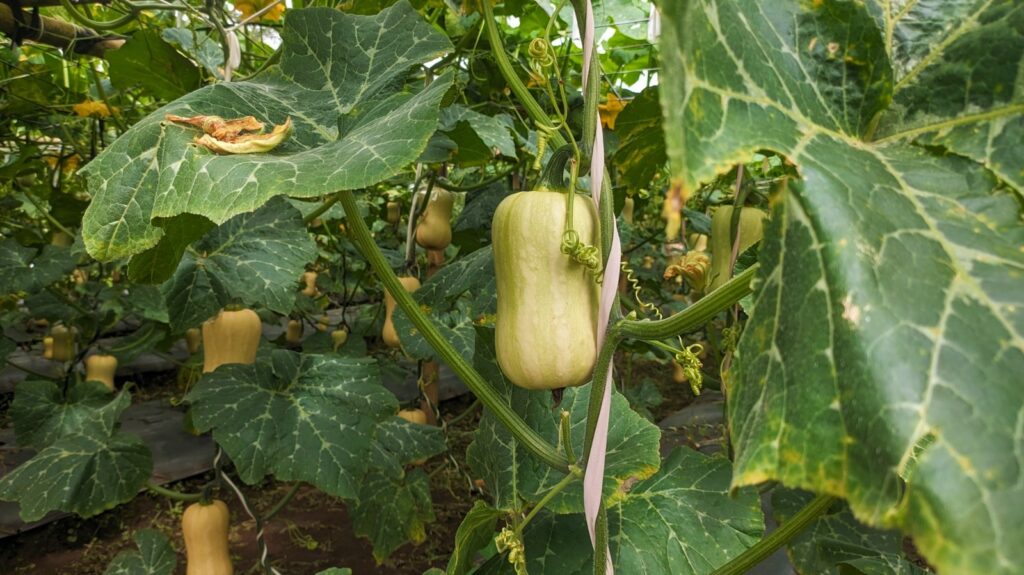
Healthy squash starts with nutrient-dense soil. These plants are heavy feeders, and while they can grow in a variety of conditions, they won’t produce well without consistent nourishment.
Start with a Strong Foundation
Before planting, enrich the soil with:
- Well-rotted compost or manure
- Worm castings
- A balanced organic fertilizer (such as 5-5-5 or 4-6-3)
Mix amendments deeply into the top 8–12 inches of soil. Squash roots spread widely and thrive in loose, rich ground.
Side-Dress Throughout the Season
Many gardeners forget this crucial step. For long-term production, add fertilizer every 3–4 weeks. Here are some slow-release and liquid feed favorites:
- Compost tea or fish emulsion for foliage and root health
- Bone meal for flowering and fruit formation
- Seaweed extract for micronutrients and plant resilience
If you’re growing in containers, feeding becomes even more important since nutrients wash out quickly. Regular top-ups ensure your plants don’t stall during peak fruiting.
Secret Tip #2: Boost Your Pollination Success
One of the biggest hidden reasons for poor squash harvests is inadequate pollination. Squash plants produce separate male and female flowers, and without pollinators—or gardener intervention—those baby squash never develop.
Attract Pollinators Naturally
To invite bees and beneficial insects, plant pollinator-friendly flowers nearby, such as:
- Marigolds
- Zinnias
- Nasturtiums
- Borage
- Lavender
Avoid using chemical pesticides that can deter bees or harm them.
Hand Pollinate for Insurance
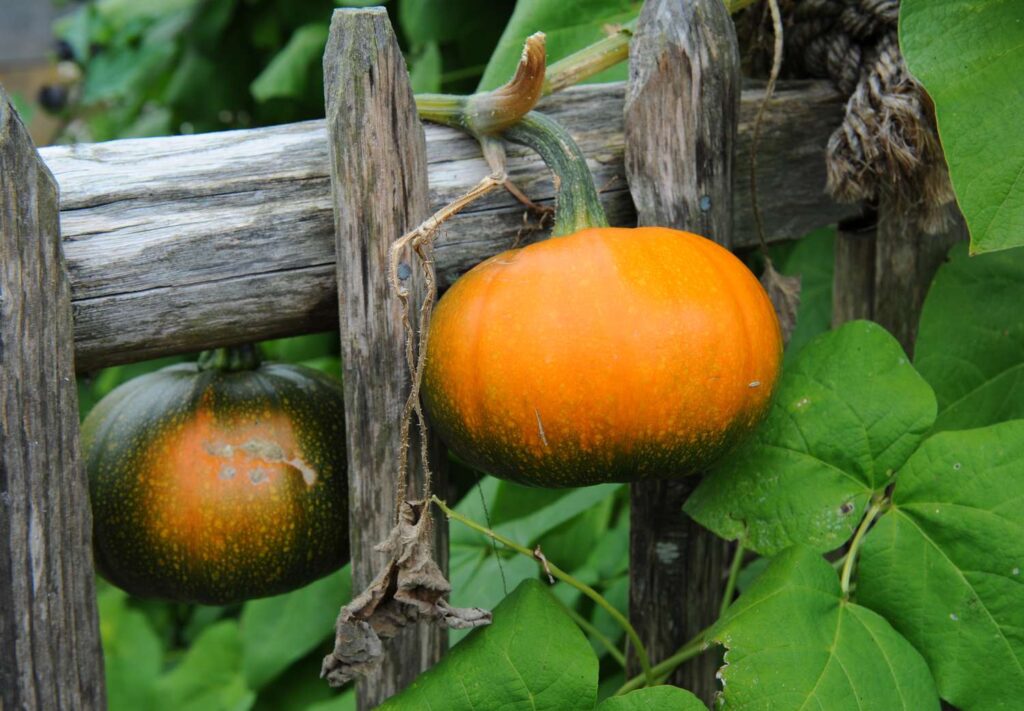
If you don’t see many bees, or you’re growing in a patio or greenhouse environment, hand pollination is incredibly effective. Here’s how:
- Identify a male flower (thin stem behind the blossom).
- Find a female flower (small bulge that looks like a baby squash).
- Use a small paintbrush—or remove the male flower and gently rub the pollen onto the female stigma.
Do this during morning hours when blossoms are open. This alone can double or triple your yield!
Secret Tip #3: Master Watering and Mulching
Water stress is one of the top causes of blossom drop, poor fruit set, and small squash. These plants don’t want soggy roots, but they absolutely demand consistent moisture.
Water the Right Way
- Apply deep, slow watering 2–4 times per week depending on climate.
- Focus at the base of the plant, not the leaves.
- Avoid allowing soil to dry out completely.
In containers, daily watering may be needed during hot spells.
Don’t Skip the Mulch
Mulching locks in moisture, prevents weeds, and protects against soil-borne diseases. Top choices include:
- Straw or hay
- Shredded leaves
- Grass clippings (untreated)
- Pine needles or wood chips
Aim for 2–4 inches around each plant, but keep mulch slightly away from the stem to prevent rot.
Secret Tip #4: Prune, Train, and Give Them Space
Many people don’t realize squash can benefit from pruning and training, especially in compact gardens. Cramped plants invite disease, limit airflow, and reduce fruit production.
Space to Thrive
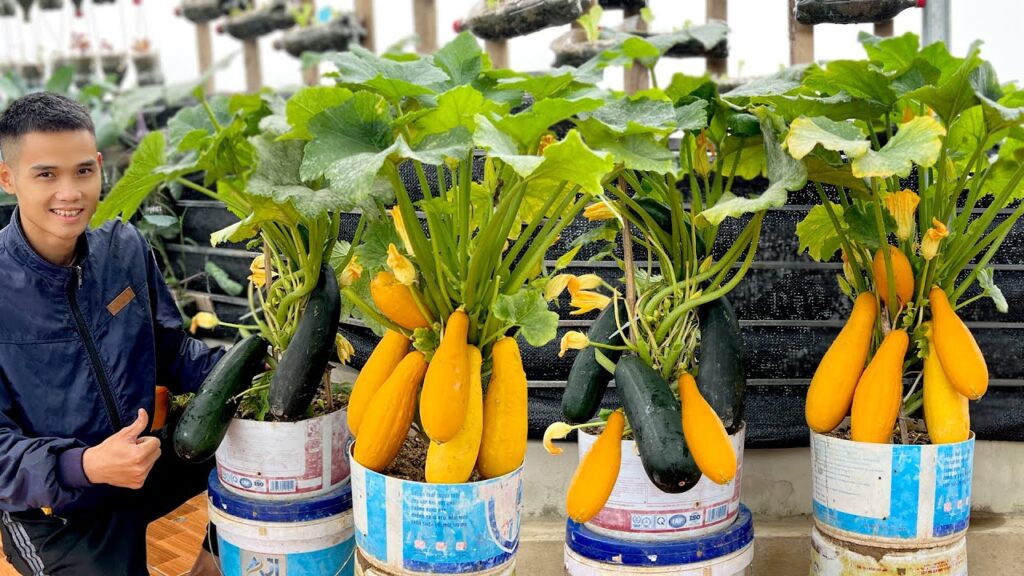
Squash plants need room for leaves, roots, and airflow. Even bush varieties require about 3 feet of horizontal space. For vining types, trellises save room and support healthier growth.
Train Vining Squash
If you’re working with limited space, use:
- A sturdy trellis
- A-frame structure
- Fence panel
- Tomato cage
This improves airflow, reduces fungal problems, and keeps fruit off the ground.
Prune Strategically
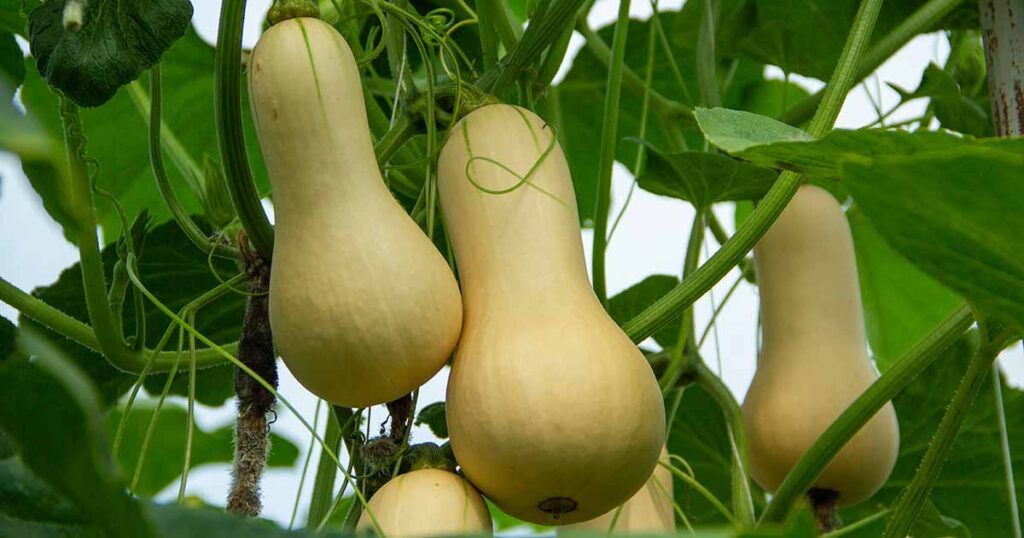
You don’t have to hack your plant down—just remove:
- Yellowing or diseased leaves
- Older leaves shading developing fruits
- Foliage obstructing air circulation
A healthier plant puts more energy into blossoming and fruiting.
Secret Tip #5: Stay Ahead of Pests and Disease
Squash plants attract their fair share of troublemakers—squash bugs, vine borers, aphids, mildew, and more. A strong defense is far more effective than a desperate rescue later.
Daily Inspections Matter
Check under leaves and around stems. Early detection gives you options like:
- Hand-picking bugs and egg clusters
- Removing infested leaves
- Applying controls before infestations explode
Natural Pest Control Options
- Neem oil for aphids and soft-bodied insects
- Insecticidal soap for mites and young pests
- Diatomaceous earth to deter crawling insects
- Floating row covers for vine borers (remove during flowering)
Prevent Diseases
Powdery mildew is common, especially in humid areas. To prevent it:
- Water at soil level, not overhead
- Avoid overcrowding plants
- Remove infected leaves quickly
- Consider spraying diluted milk or baking soda solutions
Healthy plants resist disease better and bounce back faster if issues arise.
Bonus Tip: Harvest Early and Often
Here’s a bonus secret experienced gardeners swear by: the more you pick, the more the plant produces. Leaving squash to grow oversized tells the plant to slow down or stop making new fruit.
Follow These Harvest Guidelines:
- Pick zucchini and yellow squash at 6–8 inches long
- Harvest pattypan when the size of a fist or smaller
- For baby squash, pick even earlier for tenderness
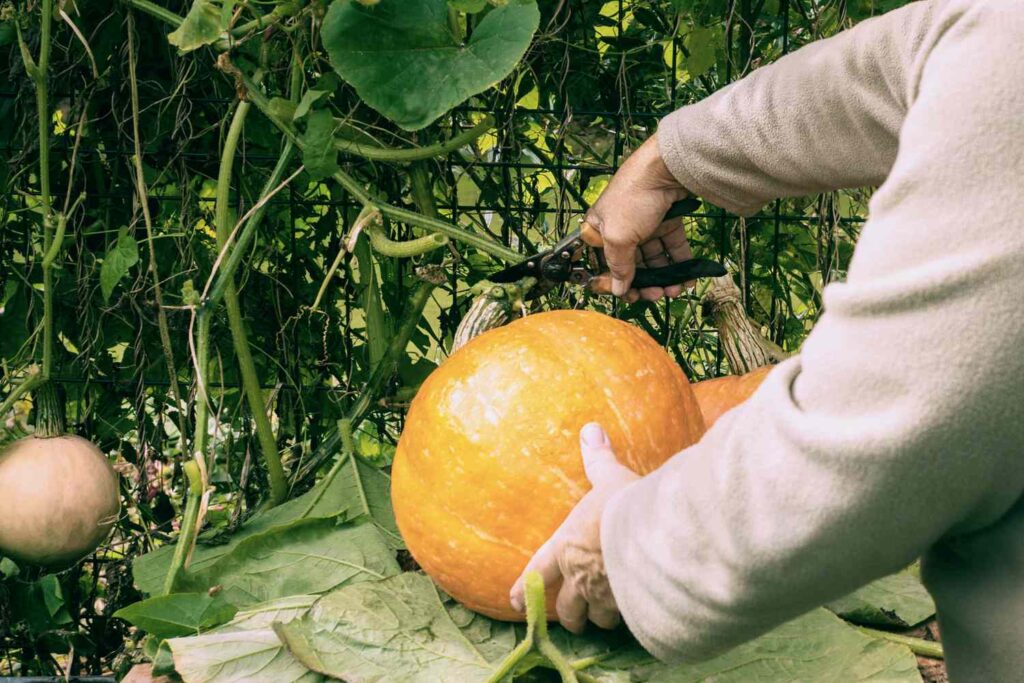
- Use scissors or pruners to avoid damaging stems
Frequent harvesting keeps plants motivated and productive all season long.
Extending the Harvest Season
Want squash production to last longer than expected? These tricks help extend your yields well into late summer—or even fall:
- Succession plant every 3–4 weeks during the season
- Start seeds indoors for backup plants
- Protect late-season squash from early frost with covers
- Remove diseased vines quickly to prevent spread
Late-season planting works great for fast-maturing varieties like zucchini and yellow squash.
Final Thoughts: More Squash, Less Stress
A bigger and better squash harvest isn’t about luck, climate, or expensive equipment. It comes from small, thoughtful steps that compound over time. By focusing on feeding the soil, ensuring pollination, mastering water and mulch, managing plant structure, and staying ahead of pests, you’ll dramatically boost your success.
Even gardeners with limited space, containers, or challenging weather can grow impressive amounts of squash when these tips are applied consistently.
So, whether you’re a first-time grower or a seasoned gardener looking to improve results, these five secrets—plus the bonus tip—will help you grow stronger plants, larger harvests, and tastier squash all season long.
Ready to put these secrets to work in your garden? Your biggest harvest yet might be just a season away!