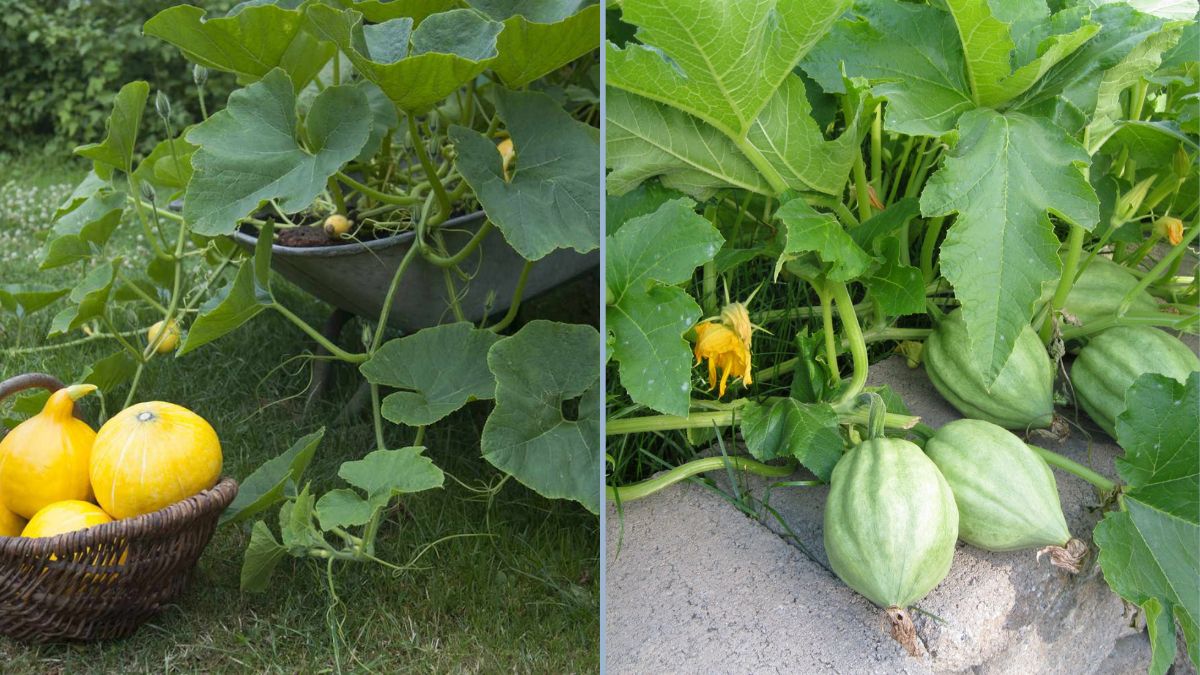
Growing food in small spaces has exploded in popularity, and for good reason. Whether you’re an urban gardener with a tiny patio, a homesteader experimenting with container crops, or someone who loves the idea of fresh produce without digging up the yard, the question often comes up: Can you really grow squash in 5-gallon buckets?
At first glance, squash sounds like a plant that needs sprawling garden beds, rich soil, and ample yard space to thrive. But the reality might surprise you. With the right setup, strategic planning, and a bit of attentive care, you can produce impressive squash harvests using nothing more than a 5-gallon bucket. Let’s take a deep dive into how this works and why it’s more achievable than you might imagine.
Why Try Growing Squash in 5-Gallon Buckets?
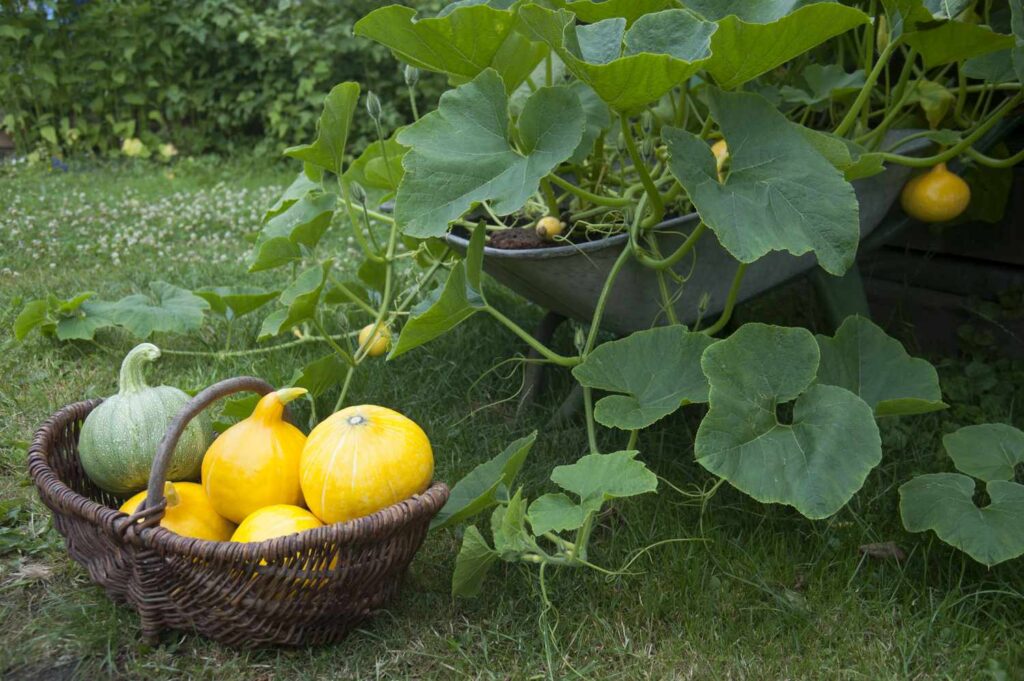
Squash plants—especially varieties like zucchini and yellow summer squash—are known for producing abundantly. However, they’re also heavy feeders with extensive root systems. The idea of growing them in a bucket may seem unrealistic, but 5 gallons is a sweet spot for container gardening, offering enough root depth and soil volume when managed correctly.
Here are some compelling reasons to give it a try:
- Space Efficiency: Even a patio, balcony, or driveway can become a mini squash garden.
- Mobility: Containers can be moved to optimize sunlight, avoid storms, or reduce pest pressure.
- Soil Control: You decide the soil quality, meaning fewer weeds, better nutrition, and reduced disease risk.
- Versatility: Both bush and vining varieties can work with the right support and container setup.
If you’ve ever thought you needed a large backyard to grow squash, think again—these buckets can be shockingly effective.
Choosing the Right Squash Variety
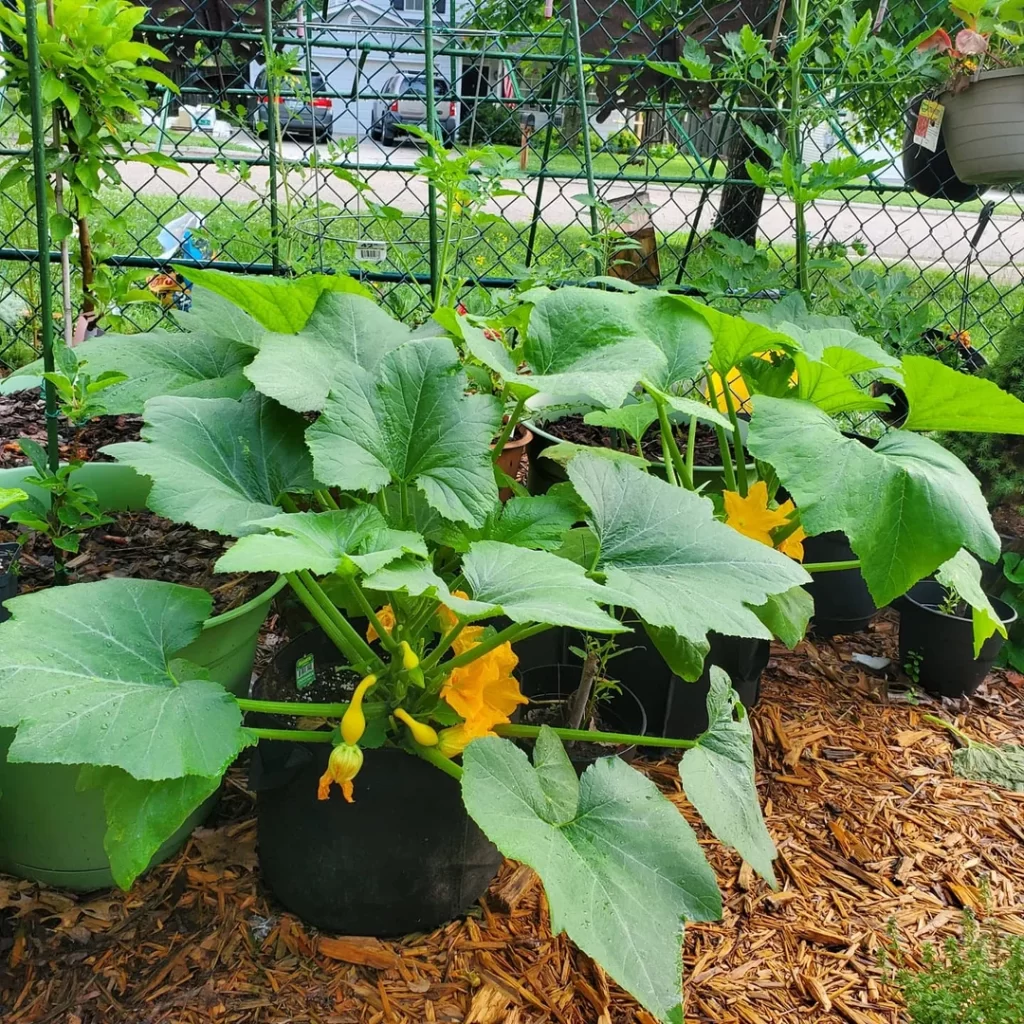
Not all squash are equally suited to container life. While winter squash and long-vining varieties can be grown this way with creativity, bush-type plants and compact growers yield the best results.
Top Container-Friendly Varieties Include:
- Bush Zucchini: Compact habit, high production.
- Patio Yellow Squash: Bred for smaller spaces.
- Eight Ball Zucchini: Round fruits and minimal sprawl.
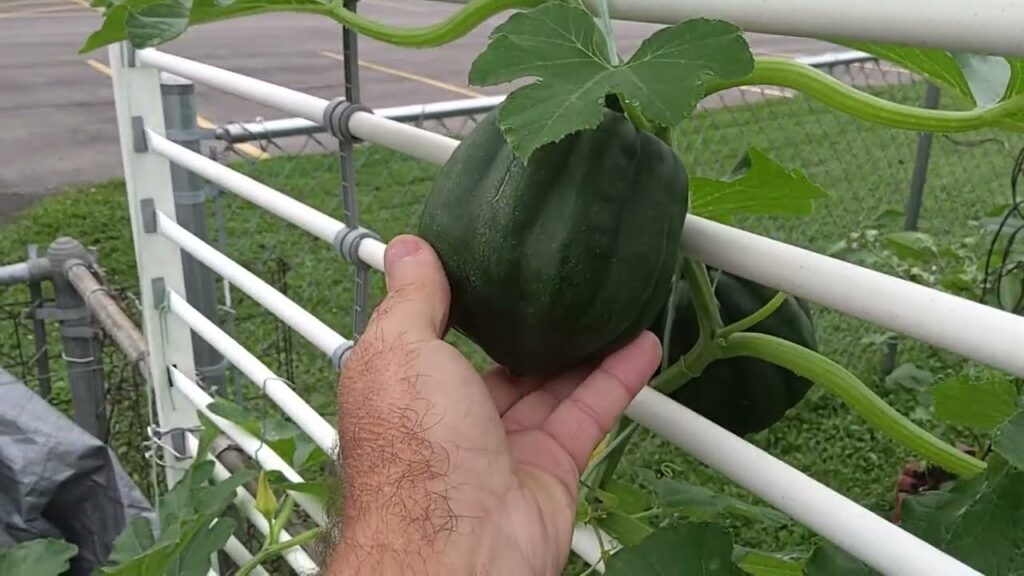
- Bush Delicata or Bush Acorn: Great for small winter squash options.
Look for keywords like bush, patio, container, or compact when choosing seeds or seedlings. The variety you choose sets the tone for productivity and ease of care.
Selecting and Preparing the 5-Gallon Bucket
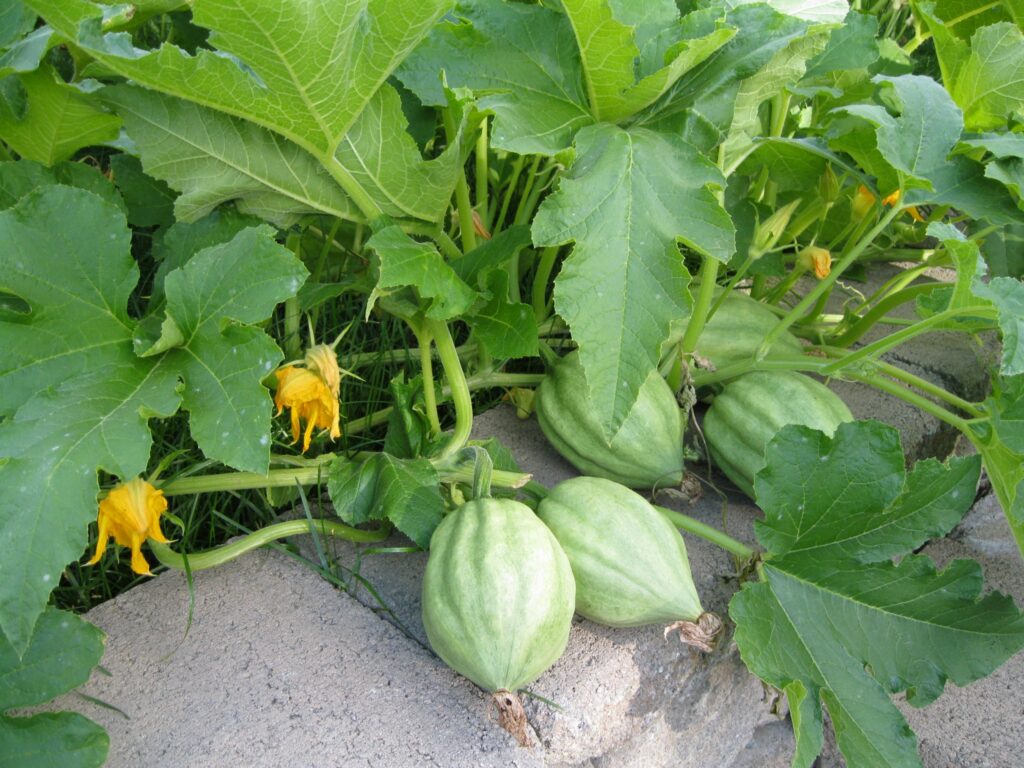
A 5-gallon bucket can double as an affordable planter if prepared correctly. Whether you use a hardware store bucket, a recycled food-grade container, or a decorative alternative, a few modifications are essential.
1. Add Drainage Holes
Healthy roots require oxygen. Drill 6–10 holes in the bottom—about ½ inch wide—to allow excess water to escape. Optionally, add a few holes around the lower sides for improved airflow.
2. Create a Drainage Layer
Dropped stones, gravel, or broken terracotta pieces at the base help prevent waterlogging. This is optional but useful in humid or rainy regions.
3. Choose the Right Soil Mix
Garden soil alone is too heavy for containers. Instead, use a mix designed for healthy drainage and nutrient retention. A tried-and-true blend is:
- 50% high-quality potting mix
- 25% compost (homemade or bagged)
- 25% coconut coir or peat moss
- A handful of perlite or vermiculite for extra aeration
Squash are heavy feeders, so enriching the soil at the start sets them up for success.
4. Elevate the Bucket
Set the bucket on bricks, pot feet, or a pallet to improve drainage and airflow underneath. This helps avoid mold, root rot, and insect homes.
Planting Your Squash: Seeds vs. Seedlings
Squash grows quickly and doesn’t love transplant shock, but both seeds and seedlings can work well.
Planting from Seeds:
- Sow 2–3 seeds directly into the bucket.
- Plant 1 inch deep and space slightly apart.
- Once seedlings are 3–4 inches tall, thin to the strongest one.
Planting Seedlings:
Select a healthy start and plant it level with the soil surface. Avoid burying the stem too deeply to prevent rot.
Light, Temperature, and Placement
For squash to thrive, place your bucket in a location with 6–8 hours of direct sunlight daily. Morning sun is especially beneficial, as it helps dry dew and discourages fungal issues.
If you’re gardening on a balcony or spot with partial shade, consider moving the bucket periodically or using reflective surfaces like white walls or light gravel to boost light exposure.
Ideal temperatures range from 65°F to 85°F (18°C to 29°C). In cooler climates, buckets have the advantage of being movable—meaning you can shuffle them into sun traps or near warm walls.
Watering: The Make-or-Break Factor
Squash in containers rely entirely on you for hydration. Unlike ground soil, buckets dry out quickly, especially in warm weather.
Tips for Proper Watering:
- Water deeply and consistently.
- Check moisture daily—stick a finger about 2 inches into the soil.
- Avoid letting the soil stay soggy or dry out completely.
- Mulch the surface with straw, leaves, or shredded wood to retain moisture.
Self-watering bucket setups can also be a game-changer if you’re going out of town or forgetful.
Fertilizing for Strong Growth
Since nutrients in containers wash out faster, supplemental feeding is essential.
Here’s a simple fertilizing schedule:
- At planting: Mix in a slow-release organic fertilizer.
- Early growth (2–3 weeks in): Apply fish emulsion or compost tea weekly.
- Flowering stage: Use a balanced or slightly higher-phosphorus fertilizer to encourage bloom and fruit set.
Don’t overdo it—too much nitrogen leads to lush leaves but few squash.
Support, Space, and Training
Even compact varieties benefit from thoughtful pruning or support. Squash leaves can sprawl across patios and shade nearby plants if left unchecked.
Options to Manage Growth:
- Use a cage or small trellis for vining or semi-bush varieties.
- Train vines upward to save ground space.
- Prune lower leaves for airflow and prevent disease.
- Rotate the bucket occasionally to distribute sun evenly.
Pest and Disease Management
Container gardening can drastically reduce pest pressure, but it doesn’t eliminate threats entirely. Common squash issues include:
- Squash vine borers
- Aphids
- Squash bugs
- Powdery mildew
Simple Prevention Steps:
- Inspect leaves regularly.
- Use row covers early in the season.
- Remove any affected foliage promptly.
- Spray neem oil or insecticidal soap when needed.
- Avoid overcrowding plants.
Healthy plants in well-drained containers are tougher and more productive.
Pollination and Fruit Production
Squash plants produce both male and female flowers. In outdoor settings, pollinators like bees usually do the work, but in a balcony or indoor/outdoor setup, hand pollination may be necessary.
To hand pollinate:
- Identify a male flower (thin stem) and female flower (with a small squash-like bulge).
- Use a small brush or gently rub the male flower’s center with the female.
- Perform this early in the morning when flowers are open.
This simple step can dramatically increase yields in container environments.
Harvesting: When and How
Most summer squash varieties are ready to pick when they reach 6 to 8 inches in length, though round types and specialty varieties vary.
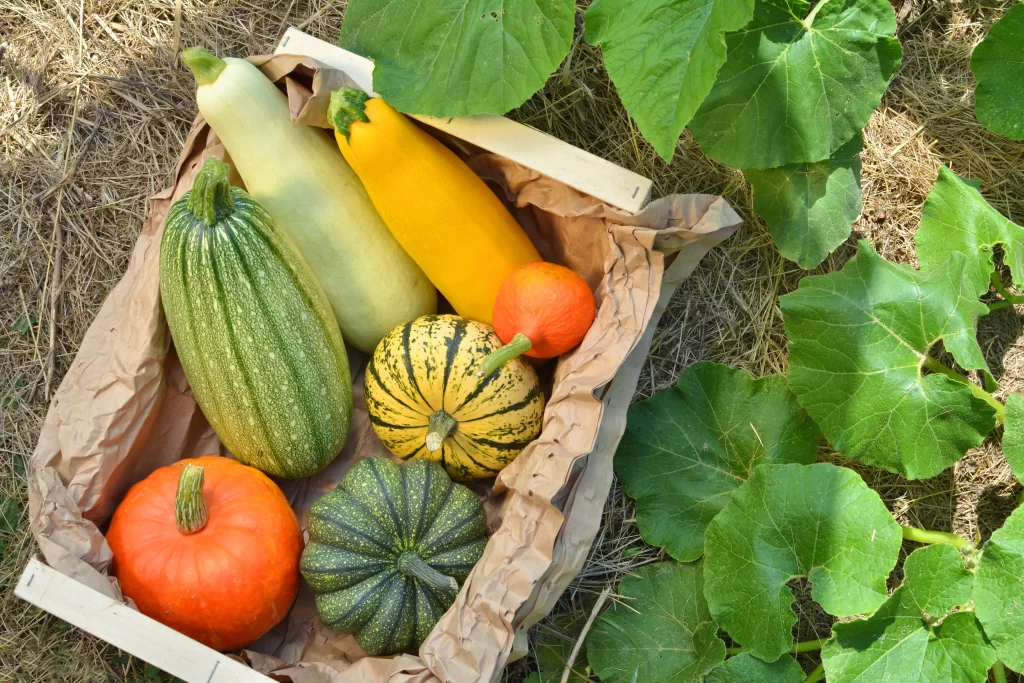
Whether you’re growing zucchini, pattypan, or crookneck squash, earlier harvesting encourages more fruiting. Use scissors or pruners to avoid damaging stems.
Winter squash like acorn or delicata take longer and are ready when skins harden and vines begin to dry.
Expected Yields: What’s Realistic?
A single squash plant in a 5-gallon bucket can easily produce 5 to 15 fruits in a season, sometimes more with good care. Summer squash varieties especially tend to surprise growers with their productivity.
Smaller varieties will yield more consistently, while larger hard squash may produce fewer but still worthwhile fruits.
Final Thoughts: Is It Really Possible?
Absolutely—growing squash in 5-gallon buckets isn’t just possible, it’s surprisingly effective when done right. The keys are:
- Quality soil
- Adequate sunlight
- Consistent watering
- Fertilization
- Proper variety choice
- Pest vigilance
What once seemed like a gardening “myth” has become a proven strategy for container growers and small-space gardeners everywhere.
So if you’ve ever looked at a bucket and wondered, “Could I really grow squash in there?”—the answer is a confident yes. With a little effort and creativity, your 5-gallon container can produce an unbelievable squash harvest right from your deck, doorstep, or balcony.