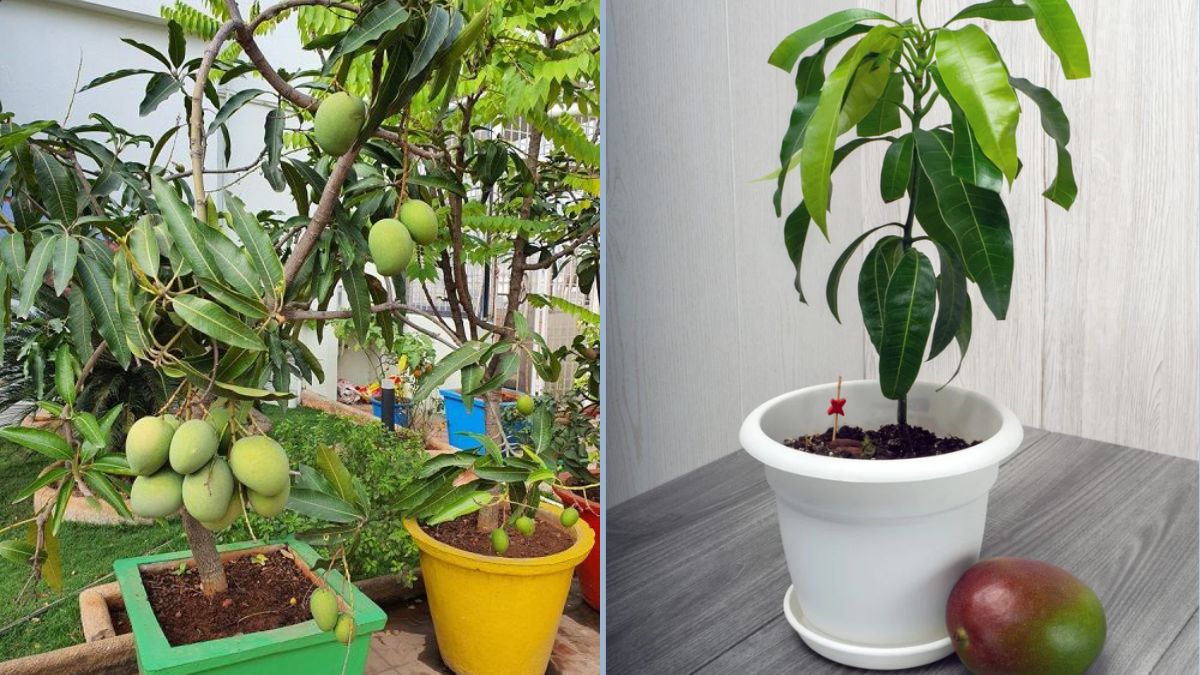
Mango — it’s the king of fruits. Its sweet, juicy flesh transports you to tropical bliss. What if you could start that journey right from the seed of your grocery mango and watch it grow into a tree? In this post, I’ll walk you through how to grow a mango tree from seed — from germination all the way to harvest.
Whether you’re in Nashik, Maharashtra, or anywhere else with a warm climate, this is your roadmap to planting a mango seed and nurturing it into a thriving tree (and maybe even harvesting fruit one day).
1. Why Grow a Mango Tree from Seed?
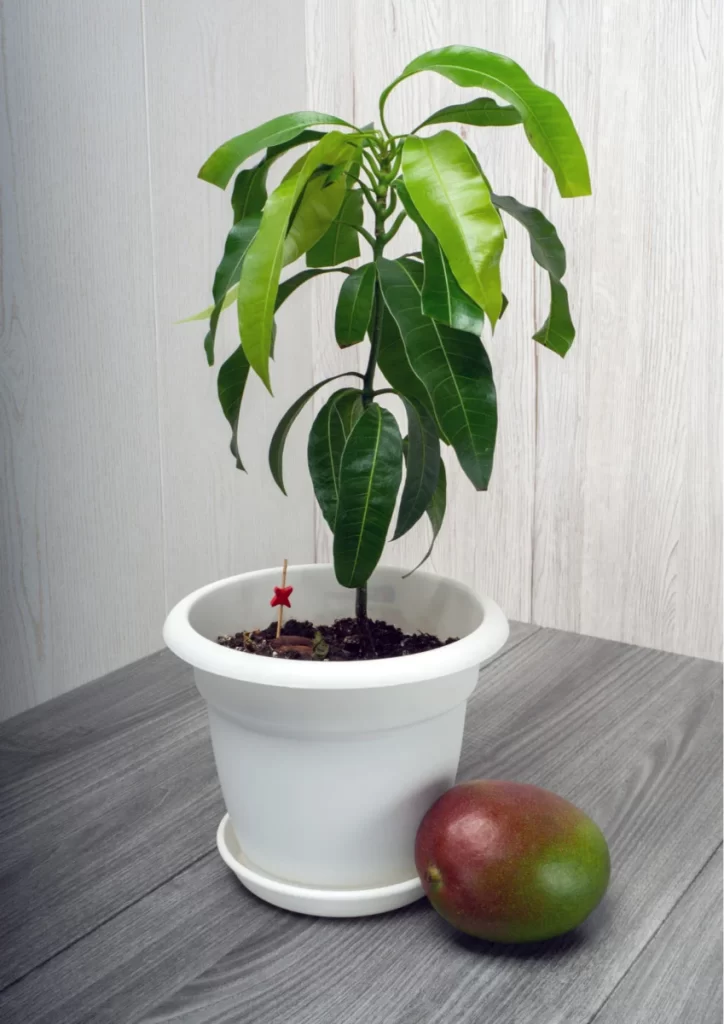
Growing a tree from seed can be deeply satisfying: you eat the mango, save the seed, and begin a journey of growth. It’s a fun project for gardeners because:
- You repurpose what would otherwise be waste.
- You witness the plant’s life cycle from the very beginning.
- Even if it takes years to fruit, the tree becomes a durable, beautiful plant in your yard.
That said — a caveat: many mango trees grown from seed may not bear fruit for many years, and if they do, the fruit may differ from the parent variety. But if you’re growing just for the joy of growing, that’s perfectly fine. If you’re aiming for a guaranteed crop, grafted trees might be a more predictable route.
2. Gather Your Supplies & Choose the Right Seed
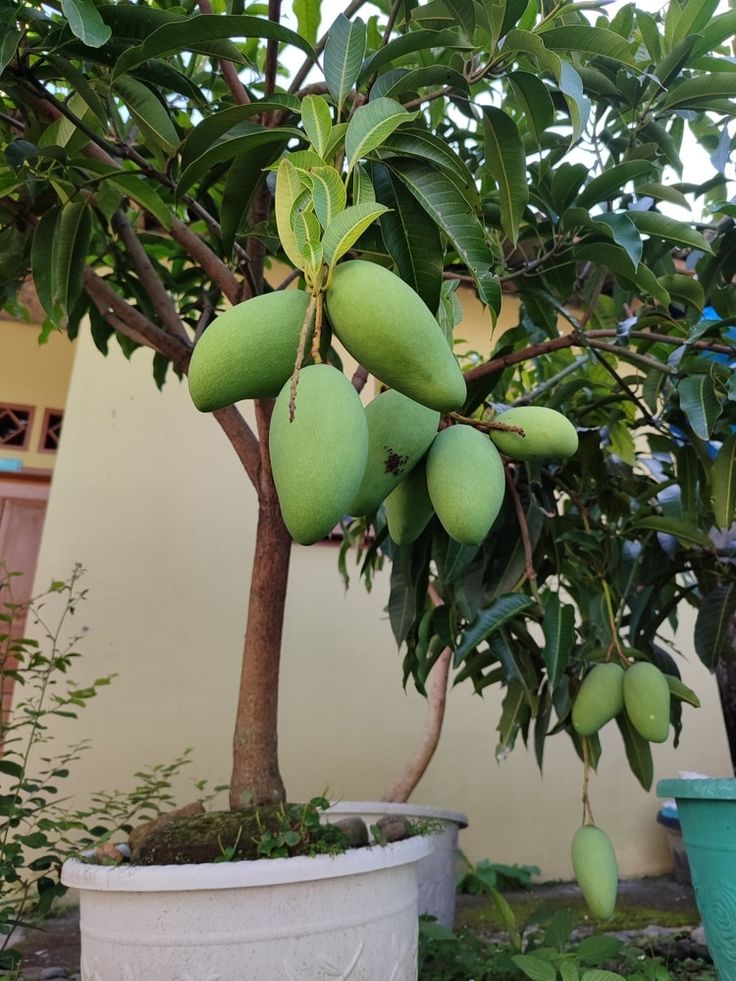
You’ll need:
- A ripe mango (pick one you enjoyed eating, preferably from a healthy tree).
- A pot (if germinating indoors or for the first stage).
- Well-draining potting soil or garden soil (with sand or grit if your soil is heavy).
- Tools to open the mango pit (knife, scissors).
- A plastic bag or paper towel (optional for germination).
Choosing the seed:
The quality of the seed influences your success. If possible, use a seed from a “polyembryonic” variety — these can produce seedlings true to the parent plant. Many store-bought mangoes are hybrids, meaning the seed may not produce identical fruit. Still, the experiment is rewarding!
3. Removing the Seed and Getting It Ready to Germinate
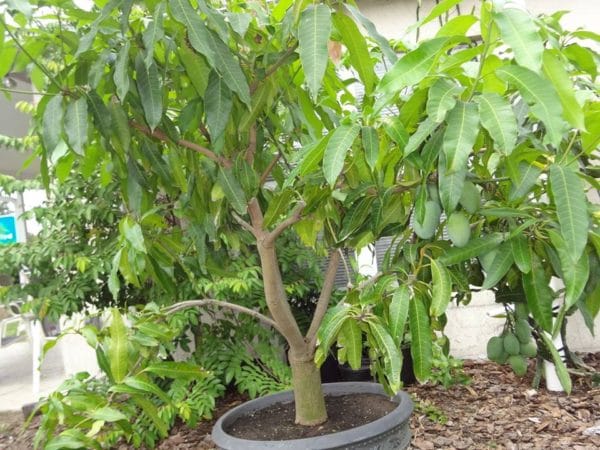
- Cut and eat the mango (the fun part!). Remove as much flesh as possible from the pit.
- Open the hard husk carefully with a knife or strong scissors.
- Extract the inner seed — it looks like a large bean.
- Clean it well, removing any leftover fruit. Let it dry for a few hours or overnight.
- Optional: Soak the seed in water for 24 hours or wrap it in a damp paper towel inside a plastic bag for faster germination.
Using the “paper towel + bag” method often encourages sprouting within days.
4. Germination: Watch the Root and Shoot Appear
This is where patience pays off. The seed needs warmth, moisture, and some time.
- Keep it warm — around 25 °C (77 °F) is ideal.
- Maintain moisture, but don’t over-soak. Too much water can cause rot.
- In 1–3 weeks, you’ll likely see a root emerge, followed by a green shoot.
Once the shoot appears and roots develop, it’s time to plant your seedling in soil.
5. Potting & Early Growth (Seedling Stage)
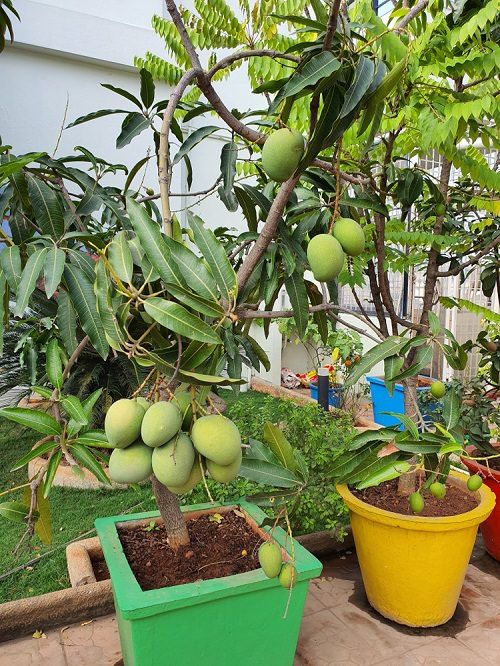
If you’re starting indoors or in a container:
- Choose a pot with good drainage.
- Use a mix of potting soil with sand or perlite for good aeration.
- Plant the seed with the sprout just above the soil surface.
- Place it in a bright spot with indirect sunlight at first.
- Gradually introduce it to full sun over a week or two.
- Water when the top inch of soil feels dry — not before.
- Once the seedling is established, feed lightly with a balanced fertilizer every few weeks.
Within a few months, you’ll notice those classic long, glossy mango leaves unfurling.
6. Transplanting Outdoors or into a Larger Pot
When your plant reaches about 30–60 cm (1–2 ft) tall and looks sturdy, it’s ready for transplanting.
Outdoor planting (warm climates):
- Choose a sunny, open spot with good drainage.
- Dig a hole twice the width of the root ball.
- Plant the tree so that the root collar is at ground level.
- Water well after planting.
- Apply mulch around the base (but keep it away from the trunk).
Container planting:
If you’re in a cooler region, or just want to control size:
- Use a large pot (at least 20–30 liters).
- Ensure excellent drainage.
- Move it to a sunny location outdoors during summer and indoors during cold months.
Container trees may not fruit as heavily as ground-planted ones, but they can still thrive beautifully.
7. Care, Growth & What to Expect
Growth phase:
Mango trees grow in bursts called “flushes.” You’ll see periods of rapid leaf production followed by resting phases. Focus on developing a strong trunk and balanced branches during the early years.
Fertilizing:
- For the first year, use a balanced NPK fertilizer every 2–3 months.
- Once mature, reduce nitrogen and increase potassium and phosphorus to encourage flowering and fruiting.
Watering:
- Water deeply but infrequently once the tree is established.
- Avoid water-logging; mango roots dislike sitting in soggy soil.
- During flowering and fruiting, maintain consistent moisture.
Pruning:
- Remove dead or crossing branches.
- Prune lightly after harvest or growth flushes to shape the canopy.
- Avoid heavy pruning, which can delay flowering.
Pests & Diseases:
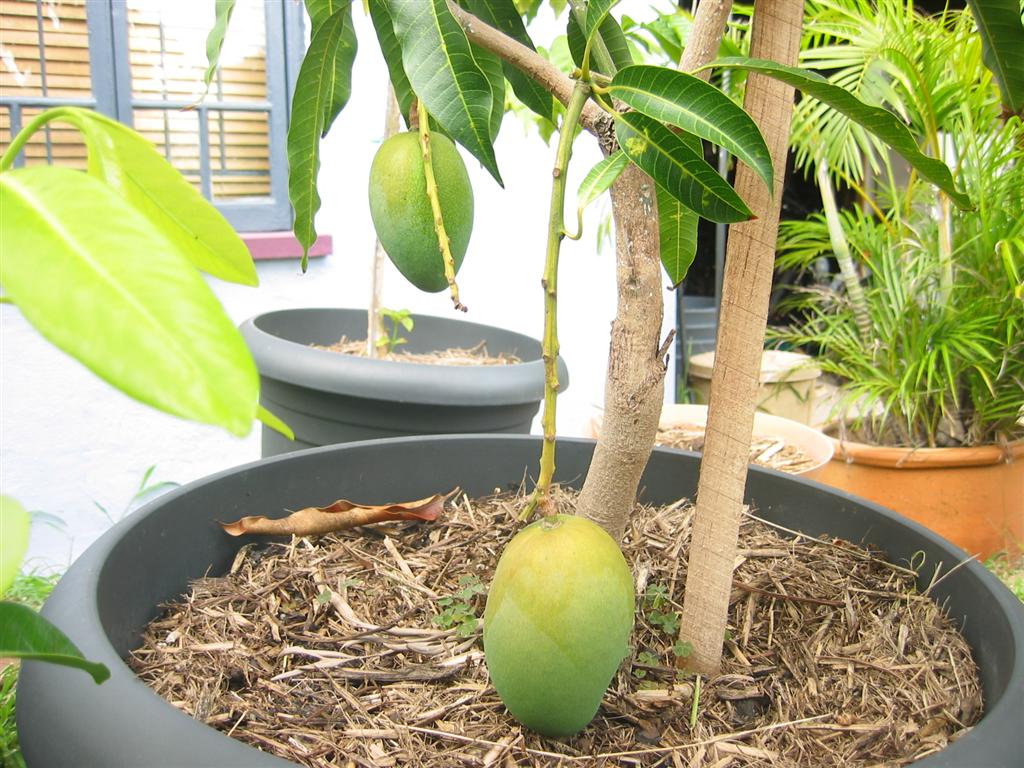
Common issues include leaf spot, powdery mildew, and scale insects.
To prevent them:
- Maintain good airflow between branches.
- Keep the soil well-drained.
- Use organic neem oil or soap sprays for pests.
8. Patience: When Will You Get Fruit?
Here’s the truth: trees grown from seed often take 5–10 years to bear fruit.
And sometimes, the fruit may differ slightly from the parent mango.
That said, each tree is unique — and the joy of finally seeing your seedling flower and fruit makes the wait worthwhile. If you want earlier or more predictable fruit, consider grafting a branch from a known variety onto your seed-grown tree.
9. Harvesting & Enjoying Your Mango Tree
When your mango tree matures, it will produce small clusters of flowers, usually during the dry season.
Pollination happens naturally through insects or wind, and fruits form soon after.
Harvesting tips:
- Mangoes usually take 3–5 months from flowering to ripen.
- Harvest when the fruit changes color, emits a sweet fragrance, and feels slightly soft to touch.
- Ripen harvested mangoes indoors at room temperature.
Once your tree starts producing, you can expect annual harvests for decades with proper care.
10. Growing Mango in Nashik / Maharashtra Conditions
If you’re in Nashik or nearby areas, here are some regional pointers:
- Mango trees love full sunlight. Choose a location that receives at least 8 hours of sun daily.
- Winters can get cool in Nashik — protect young saplings from frost using jute sacks or plastic covers.
- The soil is often clay-rich, so add compost and sand to improve drainage.
- During hot summers, mulch the base to retain moisture.
- During monsoon, ensure excess water drains away easily.
Mango varieties that perform well in western India include Alphonso, Kesar, Langra, and Dasheri. If your seed came from one of these, you’re in luck — these are well-adapted to your climate.
11. Step-by-Step Recap
- Eat a ripe mango and save the pit.
- Open the husk carefully and remove the seed.
- Clean, soak, and germinate the seed.
- Once sprouted, plant it in soil.
- Provide warmth, sunlight, and moderate watering.
- Transplant to a permanent spot when strong enough.
- Feed, prune, and protect it as it grows.
- Wait patiently for flowering and fruiting.
- Harvest and enjoy your home-grown mangoes!
12. Final Thoughts
Growing a mango tree from seed is more than a gardening project — it’s an adventure in patience and care.
It teaches you the rhythm of nature, the value of consistency, and the magic of nurturing life from something as small as a seed.
Even if your tree takes years to fruit, every new leaf and branch will remind you that you created something living and lasting. So next time you enjoy a mango, don’t toss that seed — plant it. Someday, you might be eating fruit from a tree you grew with your own hands.
Would you like me to format this post for your blog (with SEO-friendly subheadings, meta description, and keywords for “grow mango from seed”)?
That version will be optimized for Google ranking while keeping it natural and readable.