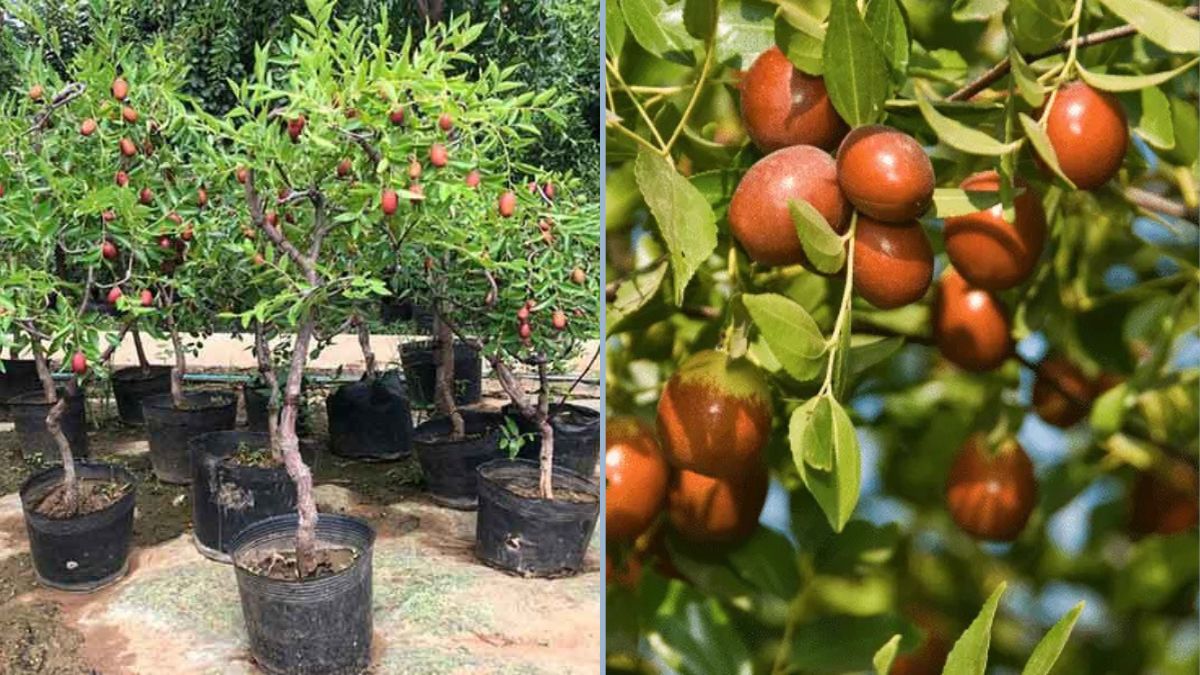
If you’re looking for a fruit tree that’s easy to grow, resilient, and highly rewarding, the jujube tree (Ziziphus jujuba), often known as the Chinese date, should be at the top of your list. Famous for its sweet, chewy fruits packed with vitamins and antioxidants, the jujube tree thrives in a wide range of climates and soils.
The best part? You can easily grow it from seeds right at home — with the right preparation, patience, and a few simple steps. In this comprehensive guide inspired by “How To Grow Jujube Tree From Seeds – Simple Work At Home and Easy Way, 100% Growing Fast”, we’ll show you how to grow jujube trees successfully from seed — the easy way — and ensure fast, healthy growth.
1. What Is a Jujube Tree?
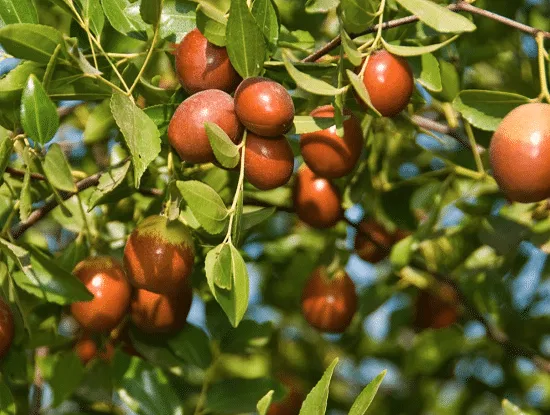
The jujube tree, also known as the red date or Chinese date, is a small deciduous tree native to southern Asia, particularly China and India. It’s been cultivated for over 4,000 years for both its nutritional and medicinal value.
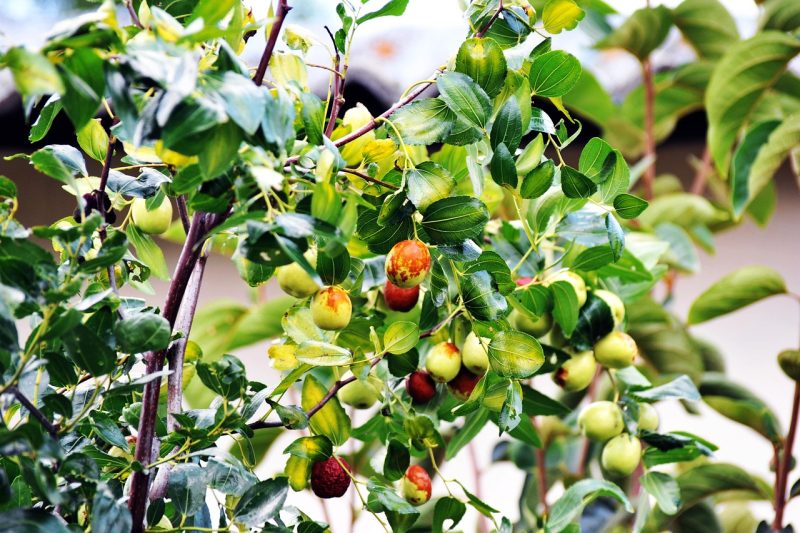
Jujube fruits are small, round to oval, and green when immature, turning reddish-brown as they ripen. The texture is similar to that of an apple when fresh, and when dried, they resemble dates — sweet, chewy, and rich in natural sugars.
The tree itself is hardy, drought-tolerant, and well-suited to warm climates, but it can also survive light frost. It’s a great choice for home gardeners who want low-maintenance fruit trees with high yields.
2. Why Grow Jujube Trees at Home?
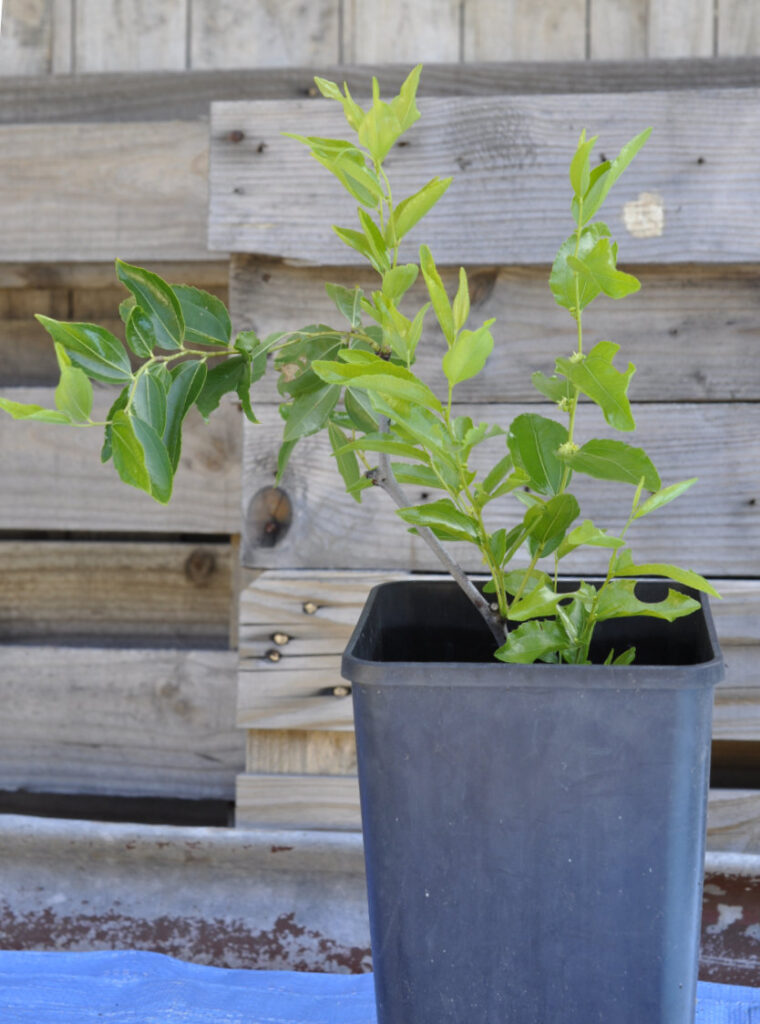
Growing a jujube tree from seed at home offers several advantages:
- Simple to grow: Seeds germinate well with basic preparation.
- Drought-tolerant: Perfect for hot, dry regions where other fruit trees may struggle.
- Nutritious fruit: Packed with vitamin C, antioxidants, fiber, and minerals.
- Beautiful and fragrant: Jujube trees bloom with small, yellowish flowers that attract bees and pollinators.
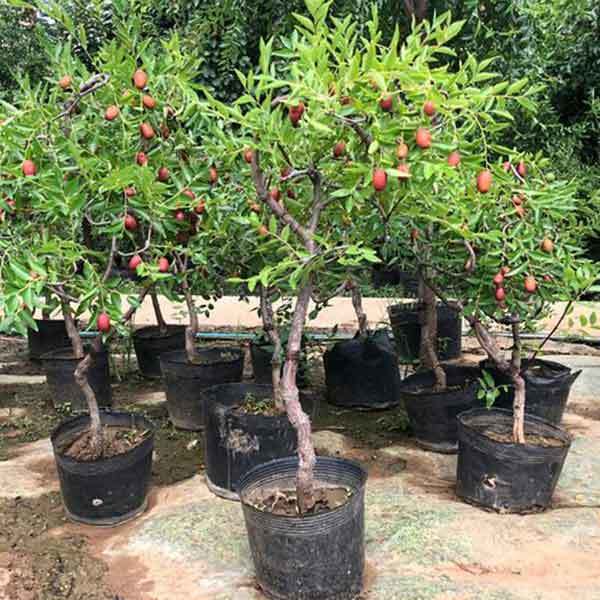
- Compact and manageable: Ideal for home gardens or even large pots.
It’s one of the most forgiving fruit trees you can grow, and starting from seeds adds an extra layer of satisfaction to your gardening journey.
3. Collecting and Preparing Jujube Seeds
Step 1: Choose Fully Ripe Fruits
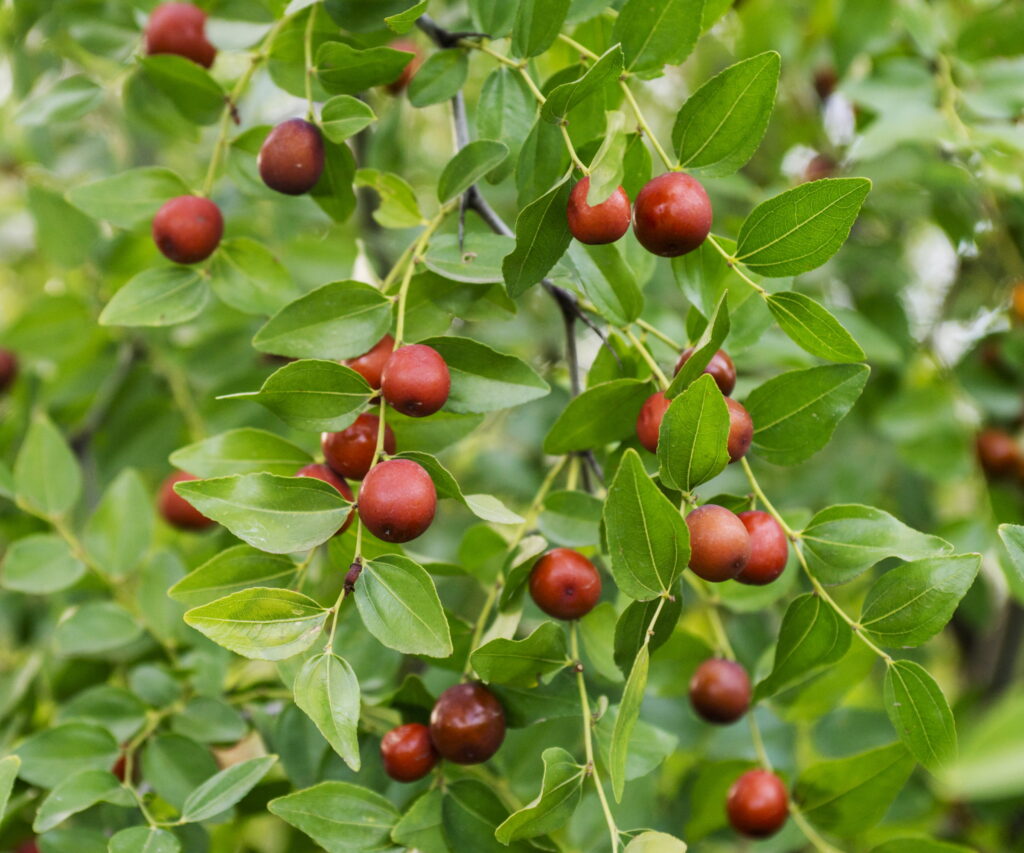
Select ripe jujube fruits that are deep reddish-brown and slightly wrinkled. These are mature and contain viable seeds. Avoid unripe green fruits, as their seeds are often immature.
Step 2: Extract the Seeds
- Gently cut open the fruit and remove the hard inner pit (similar to a date seed).
- Clean the pit thoroughly under running water to remove all pulp residues.
- Let the seeds air dry for 1–2 days in a shaded area.
Step 3: Crack the Hard Shell (Optional but Recommended)
Jujube seeds have a tough outer shell that can delay germination. To speed up the process:
- Carefully crack the outer shell using a nutcracker or pliers.
- Avoid damaging the inner kernel.
- You can also lightly sand the shell or soak it in warm water for 24 hours to soften it.
This step dramatically increases your germination success rate — the key to “100% growing fast.”
4. Pre-Germination: The Stratification Process
Like many fruit seeds, jujube seeds benefit from a short cold stratification period. This simulates winter dormancy and helps break seed dormancy.
How to Stratify Jujube Seeds:
- Wrap the cleaned seeds in a moist paper towel or cotton cloth.
- Place them inside a plastic bag or airtight container.
- Keep them in the refrigerator (not freezer) for 3–4 weeks.
- Check weekly to ensure the paper towel remains slightly moist.
After this period, the seeds are ready for planting and should germinate more quickly.
5. Planting Jujube Seeds at Home
Now it’s time to plant your prepped seeds and watch them grow. Here’s how:
Materials You’ll Need:
- Small pots or seed trays
- Good-quality potting mix (well-draining and nutrient-rich)
- Spray bottle or watering can
- Clear plastic cover or wrap (optional for humidity control)
Planting Steps:
- Fill your pots with potting mix — ideally a mix of 40% garden soil, 40% compost, and 20% sand for good drainage.
- Make a small hole about 1 inch (2.5 cm) deep.
- Place one seed per pot and gently cover with soil.
- Water lightly — just enough to keep the soil moist, not soggy.
- Cover the pots with a clear plastic cover or plastic wrap to create a mini greenhouse effect.
- Place them in a warm, sunny location with temperatures between 25°C–30°C (77°F–86°F).
Germination typically takes 3–6 weeks, depending on temperature and seed preparation. Once you see small green shoots, remove the plastic cover to allow airflow and prevent mold.
6. Caring for Jujube Seedlings
Your jujube seedlings need consistent care during their first few months. Here are the essentials:
Light:
Place seedlings where they can get at least 6 hours of sunlight daily. If growing indoors, a south-facing window or a grow light works perfectly.
Water:
Water sparingly but consistently. The soil should remain slightly moist but never waterlogged. Overwatering can cause root rot.
Fertilizing:
Feed young plants every 3–4 weeks with a balanced organic liquid fertilizer or compost tea. Once the plant reaches about 12 inches tall, reduce feeding frequency.
Temperature:
Jujubes love warmth. Keep them above 20°C (68°F) for optimal growth. Avoid cold drafts or sudden temperature changes.
7. Transplanting the Young Jujube Tree
When your jujube seedling reaches about 8–12 inches (20–30 cm) in height and has developed several leaves, it’s ready to move to a larger pot or directly into the garden.
Transplanting Tips:
- Choose a sunny spot with well-draining soil.
- Dig a hole twice as wide as the root ball.
- Carefully remove the seedling from its pot without disturbing the roots.
- Place it in the hole and fill it with soil, pressing gently to eliminate air pockets.
- Water deeply after planting.
- Apply a 2–3 inch mulch layer (straw, wood chips, or compost) to retain moisture.
Jujube trees grow quickly under warm conditions — hence the “100% growing fast” promise. Within a few months, you’ll notice strong, upright growth and developing branches.
8. Long-Term Care for Jujube Trees
Once established, jujube trees are remarkably low-maintenance. Follow these guidelines for continued success:
Watering:
- Mature trees are drought-tolerant, needing only occasional deep watering during dry periods.
- Avoid overwatering, as jujubes prefer slightly dry soil once established.
Fertilizing:
- Apply organic compost or well-rotted manure once a year in spring.
- Avoid excessive nitrogen fertilizers, which encourage foliage over fruit.
Pruning:
- Prune lightly in late winter or early spring to remove dead or crossing branches.
- Shape the tree to allow light penetration and airflow.
Pests and Diseases:
Jujube trees are naturally resistant to most pests, but watch for:
- Aphids (control with neem oil)
- Fruit flies (use traps or organic sprays)
- Powdery mildew (ensure good air circulation and avoid overwatering)
With regular care, your tree will grow vigorously and begin to flower and fruit in about 3–4 years.
9. Harvesting and Enjoying Your Jujube Fruits
Once mature, your jujube tree will reward you with abundant fruit from late summer through autumn. The fruits start green, turn yellowish, and finally develop a reddish-brown color when ripe.
You can enjoy them:
- Fresh: Crisp like apples, mildly sweet and refreshing.
- Dried: Chewy, date-like texture and caramel-like flavor.
- In teas or syrups: Great for soothing and energizing drinks.
- In baking: Adds natural sweetness to muffins, bread, and energy bars.
A single mature tree can yield 50–100 pounds of fruit each year under ideal conditions.
10. Health Benefits of Jujube Fruits
Jujube fruits aren’t just tasty — they’re incredibly nutritious and medicinally valuable. They contain:
- Vitamin C: Boosts immunity and skin health.
- Antioxidants: Protect cells from oxidative stress.
- Dietary Fiber: Supports digestion and gut health.
- Triterpenoids and flavonoids: Help reduce inflammation and promote relaxation.
In traditional medicine, jujubes are often used to improve sleep, reduce anxiety, and support overall vitality.
11. Final Tips for Fast and Successful Growth
To ensure your jujube tree grows quickly and healthily:
- Always use ripe, viable seeds.
- Pre-soak and stratify seeds before planting.
- Keep the soil warm, slightly moist, and well-drained.
- Provide ample sunlight — jujubes love the sun!
- Be patient — good things take time, but jujubes reward your efforts richly.
With proper care, your jujube tree can live and produce for 50 years or more, making it one of the best long-term additions to any home garden.
Conclusion
Growing a jujube tree from seeds is truly simple, satisfying, and fun — a “100% easy and fast” way to bring nature’s sweetness into your backyard. With just a few fruits, a little patience, and the right care, you can raise a strong, fruitful tree that provides healthy, delicious harvests year after year.
From seed to fruit, the jujube tree symbolizes growth, resilience, and abundance — proof that with the simplest efforts at home, you can grow something truly extraordinary.