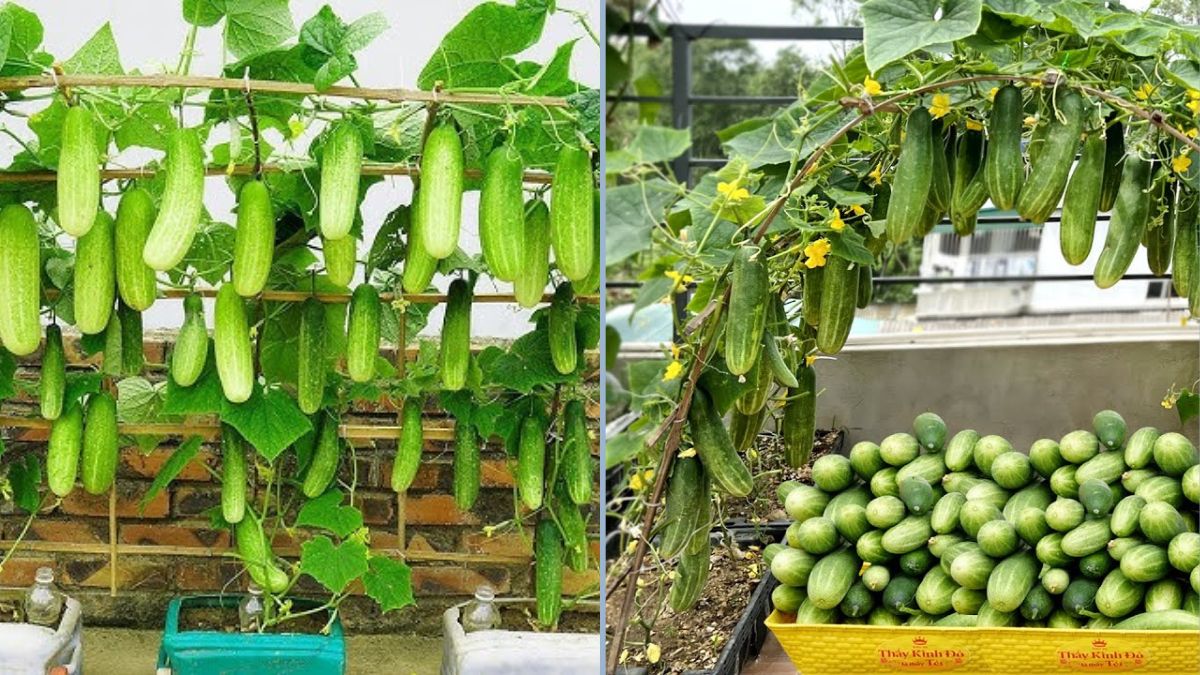
If you’ve ever dreamed of harvesting fresh, crunchy cucumbers straight from your own garden in just one month, you’re in the right place. Cucumbers are fast-growing, high-yield vegetables that thrive with a bit of care and the right techniques.
In this guide, inspired by the popular YouTube video “Secrets of Growing Cucumbers With Many Fruits, From A to Z, Harvest After Only 1 Month,” we’ll uncover step-by-step methods — from seed to harvest — to help you get more cucumbers in less time.
Whether you’re planting on a balcony, terrace, or backyard, these easy-to-follow tips will make sure your cucumber vines are loaded with fruits.
Why Cucumbers Are Perfect for Quick Gardening
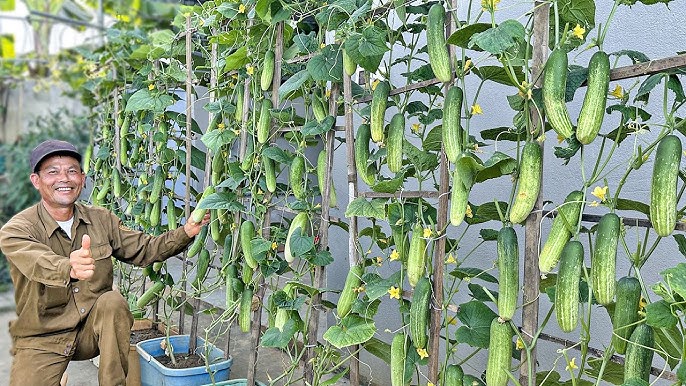
Cucumbers (Cucumis sativus) are part of the gourd family and are loved for their refreshing taste, versatility, and health benefits. They are:
- Rich in water and nutrients: Great for hydration and detox.
- Fast-growing: Under optimal conditions, you can harvest your first fruits in as little as 30–40 days.
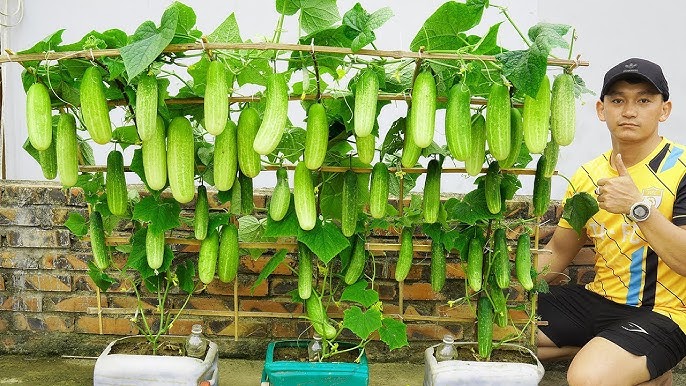
- Perfect for small spaces: With a trellis or vertical support, even a small pot can yield a surprising amount.
- Cost-effective: Home-grown cucumbers are fresher, cheaper, and chemical-free.
The key lies in following the right “A to Z” growing method — covering everything from seed selection to feeding and pruning for maximum productivity.
Step 1: Choose the Right Variety
For quick and abundant harvests, choose early-maturing cucumber varieties. Some of the best types for small gardens and containers are:
- Mini or pickling cucumbers – harvest in about 30 days.
- Bush cucumber varieties – compact plants ideal for containers.
- Hybrid F1 cucumbers – disease-resistant and high-yielding.
Read the seed packet carefully — look for words like “early harvest,” “fast-growing,” or “compact.”
Step 2: Prepare the Perfect Growing Medium
Cucumbers love loose, fertile, and well-draining soil. If you’re planting in containers or grow bags, use this ideal potting mix:
- 40% garden soil or loam
- 30% compost or well-rotted cow dung
- 20% cocopeat (to retain moisture)
- 10% sand or perlite for drainage
Mix well and fill your pot or raised bed. The container should be at least 12–16 inches deep for good root development.
Before sowing, moisten the soil evenly — cucumbers germinate faster in warm, slightly damp soil.
Step 3: Seed Preparation & Sowing
Cucumber seeds are quick to germinate, but a little pre-soak helps them sprout even faster.
How to prepare seeds:
- Soak the seeds in warm water for 6–8 hours.
- Wrap them in a damp cloth and keep overnight until they begin to swell.
Sowing process:
- Make small holes about 1–1.5 cm deep.
- Sow 2–3 seeds per hole.
- Cover lightly with soil and water gently.
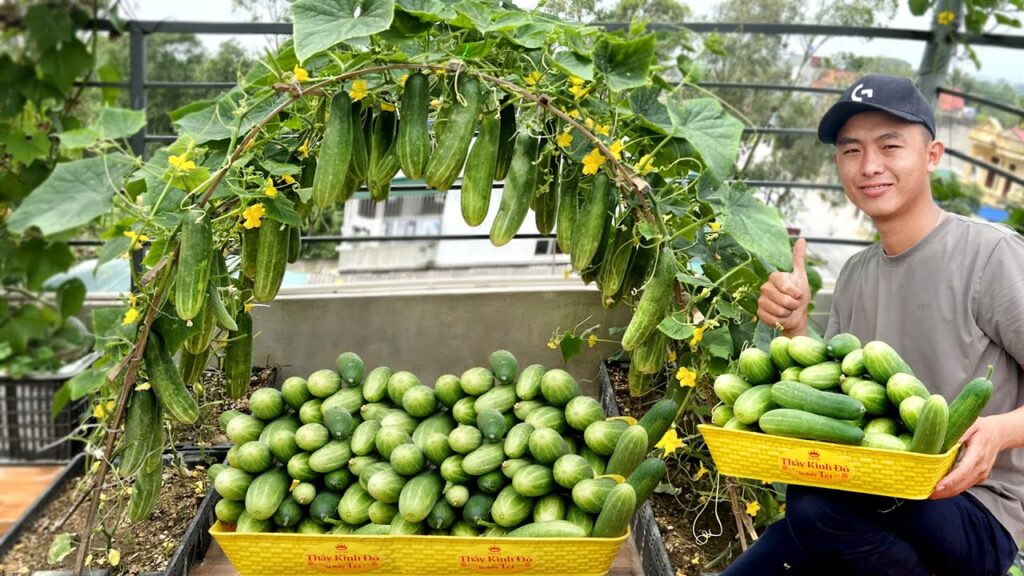
Germination usually occurs within 3–5 days in warm weather.
Once the seedlings have 2–3 true leaves, thin them — keep only the healthiest one per spot or pot.
Step 4: Provide Sunlight and Warmth
Cucumbers love sun and warmth. Place the containers where they’ll receive 6–8 hours of sunlight daily.
The ideal growing temperature is 22–32°C (72–90°F). Below 18°C, cucumbers grow slowly, and above 35°C, flowering may drop.
If you live in a cooler region, start your seeds indoors and move them outside once temperatures rise.
Step 5: Watering the Right Way
Cucumbers have shallow roots and high water needs. Irregular watering causes bitter fruits and poor growth.
Here’s the ideal watering schedule:
- Daily watering during warm weather.
- Morning watering is best — keeps plants hydrated all day.
- Avoid waterlogging; ensure proper drainage.
- Mulch around the base (with dry leaves or straw) to retain moisture.
Consistent moisture helps the plant grow faster and encourages steady fruiting.
Step 6: Feeding for Fast Growth & High Yield
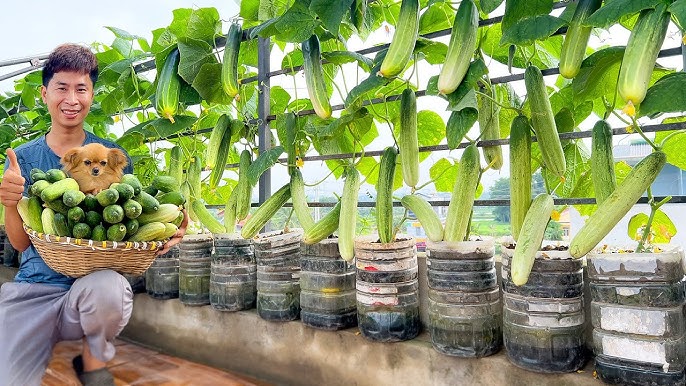
Cucumbers are heavy feeders. Regular fertilization boosts growth and fruit count.
Use this simple feeding plan:
1. At planting time:
Mix compost or organic fertilizer into the soil.
2. After 10–15 days:
Add a liquid fertilizer like compost tea, banana peel tea, or diluted fish emulsion.
3. Every 2 weeks:
Feed with organic potassium-rich fertilizer (bananas, wood ash, or store-bought liquid fertilizer).
Potassium and phosphorus help with flowering and fruiting, while nitrogen supports leaf growth.
Step 7: Support & Training
To grow more cucumbers in a small space, train your plants vertically.
- Use a trellis, net, or bamboo poles for climbing.
- Tie the vines gently with soft thread as they grow.
- Prune off lower leaves and weak side shoots to improve airflow.
Vertical growth allows better sunlight exposure, reduces diseases, and keeps the fruits clean and straight.
Step 8: Encourage More Flowers and Fruits
One of the biggest secrets to heavy cucumber yield is encouraging more female flowers, which turn into fruits.
Here’s how:
- Ensure balanced nutrition — too much nitrogen causes excessive leaves and fewer flowers.
- Maintain consistent watering.
- Hand-pollinate if bees are scarce — use a small brush to transfer pollen from male to female flowers.
- Pinch off the main vine tip once the plant reaches about 2 feet tall — this encourages side shoots that produce more flowers.
Step 9: Pest & Disease Management
Cucumbers can sometimes face issues like aphids, whiteflies, or powdery mildew. Keep your plants healthy with natural remedies:
- Spray neem oil every 7–10 days.
- Avoid overhead watering to reduce fungal problems.
- Keep the area around plants clean and weed-free.
A healthy plant resists pests naturally and produces more fruit faster.
Step 10: Harvesting Cucumbers in 1 Month
Here’s the most exciting part — harvesting in just one month!
- Early-maturing varieties can be ready for harvest 25–35 days after transplanting.
- Harvest when the cucumbers are firm, green, and about 10–15 cm long (for pickling types) or larger for slicing varieties.
- Pick regularly every 2–3 days — frequent harvesting encourages the plant to produce more fruits.
Use scissors or a knife to cut the fruit rather than pulling it off, to avoid damaging the vine.
Step 11: Extend the Harvest
Want your cucumber plant to keep producing for weeks? Follow these extra tips:
- Keep feeding lightly every 10 days.
- Remove overripe cucumbers immediately.
- Water consistently — never let the soil dry completely.
- Prune yellow or diseased leaves regularly.
A healthy vine can continue producing for 2–3 months if maintained properly.
Troubleshooting Common Problems
| Problem | Cause | Solution |
|---|---|---|
| Flowers dropping | Temperature stress or lack of pollination | Hand-pollinate and ensure stable watering |
| Bitter taste | Irregular watering or heat stress | Keep soil moist and provide shade in hot afternoons |
| Yellow leaves | Nutrient deficiency or overwatering | Use compost tea and check drainage |
| Few fruits | Too much nitrogen or lack of sunlight | Reduce leaf fertilizers and ensure full sun |
Bonus Tip: Banana Peel Fertilizer for Fruiting
One of the easiest natural tricks to increase cucumber yield is using banana peel fertilizer.
How to make it:
- Soak banana peels in water for 2–3 days.
- Strain and use the liquid to water your plants once a week.
Banana peels are rich in potassium and phosphorus, perfect for boosting flowering and fruit development.
Health Benefits of Home-Grown Cucumbers
Apart from being delicious, cucumbers are a nutrition powerhouse. They contain:
- 95% water — perfect for hydration.
- Electrolytes that balance body fluids.
- Vitamin C and antioxidants that boost immunity.
- Fiber for digestion and weight control.
Freshly picked cucumbers taste better, last longer, and are pesticide-free — a win for both your body and the planet!
Final Thoughts
Growing cucumbers with many fruits — and harvesting in just a month — is not a mystery. It’s all about choosing the right variety, maintaining consistent care, and feeding wisely.
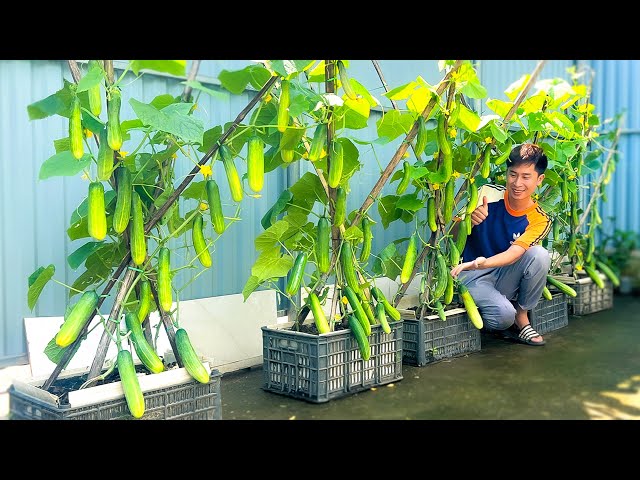
With just a few containers, a sunny spot, and these A-to-Z secrets, you can transform even a small balcony into a mini cucumber farm.
Remember the key principles:
- Rich, well-drained soil.
- Daily sunlight and steady watering.
- Organic feeding every 2 weeks.
- Regular harvesting to keep plants productive.
Follow these steps, and soon you’ll be enjoying crisp, juicy cucumbers — grown by you, harvested in a month, and bursting with flavor.