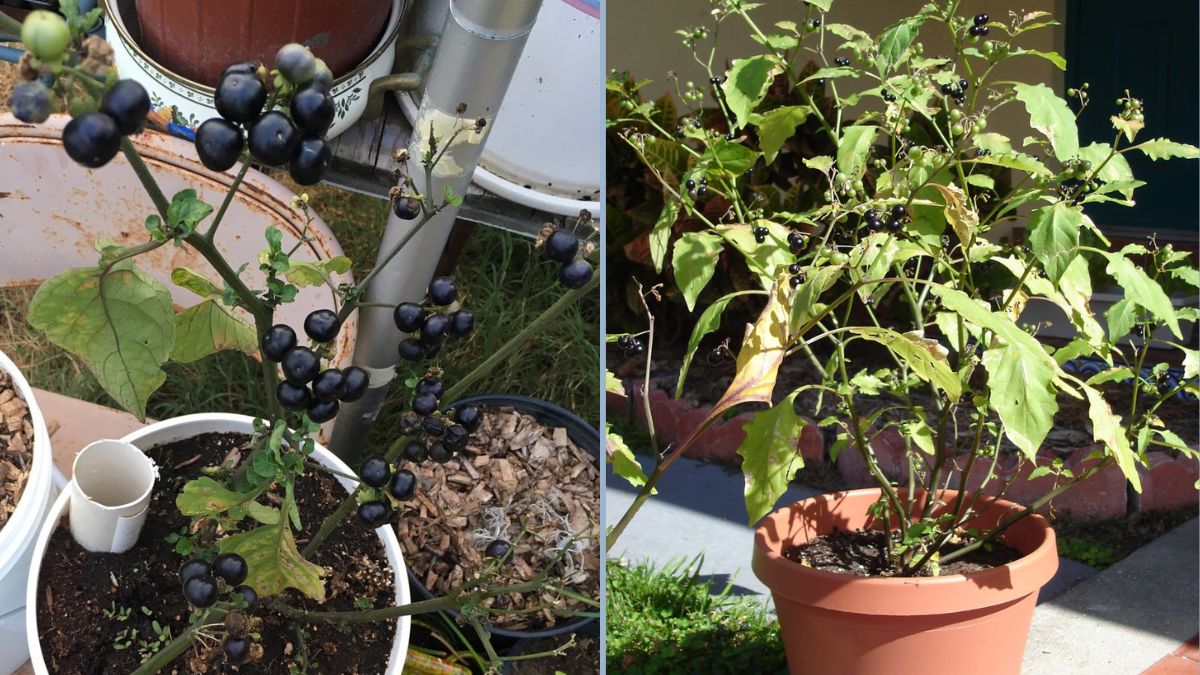
Huckleberries, often celebrated as the “wild jewels of the forest,” are small, flavorful berries that thrive in the cool mountainous regions of North America. With their deep purple hue, tangy sweetness, and rich nutritional profile, these berries have become a prized fruit for gardeners and foragers alike. While huckleberries naturally grow in the wild, cultivating them in your backyard can be a rewarding experience for those who appreciate patience, care, and a taste of nature’s finest produce.
This article explores, in detail, how to successfully grow huckleberries in your backyard — from understanding the plant’s unique needs to harvesting and using your berries in wholesome, plant-based ways.
1. Understanding Huckleberries
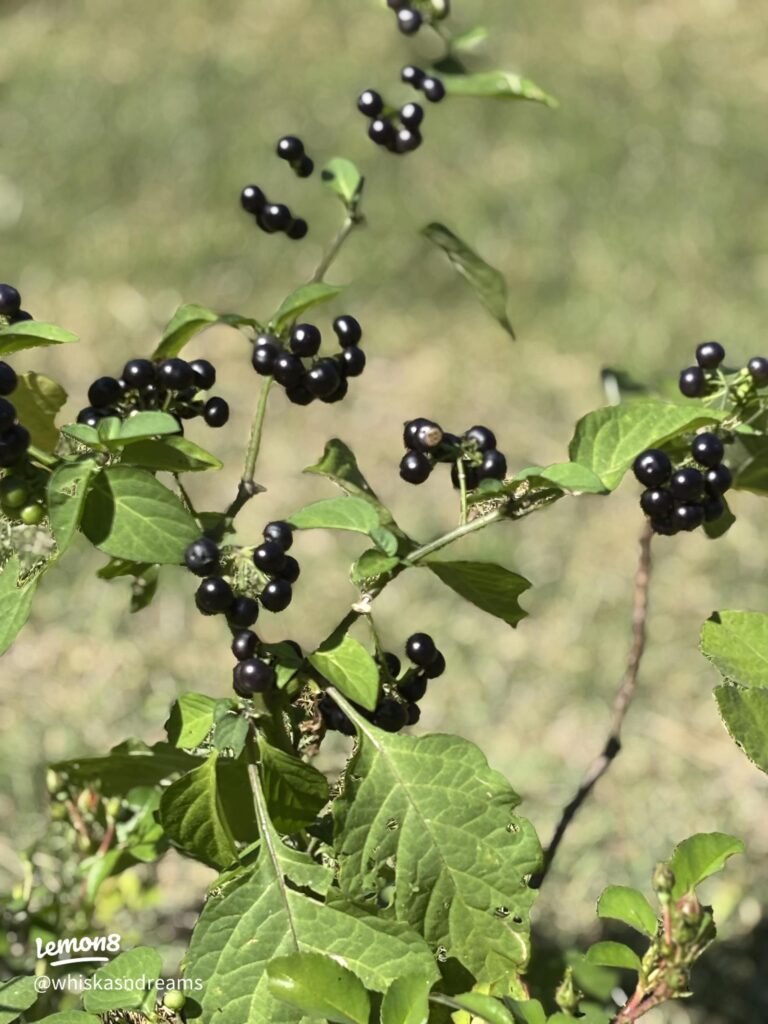
Before planting, it’s essential to know what makes huckleberries special. Huckleberries belong to the genus Vaccinium, closely related to blueberries. There are several species, including Vaccinium membranaceum (mountain huckleberry) and Vaccinium ovatum (evergreen huckleberry). These plants typically prefer acidic soils and cooler climates, often flourishing in the wild at elevations of 3,000 to 7,000 feet.
Unlike cultivated blueberries, huckleberries are notoriously difficult to domesticate. Their seeds are slow to germinate, and they have specific soil and shade preferences. However, with careful attention and the right growing conditions, you can successfully grow them at home — bringing the magic of the wild into your garden.
2. Choosing the Right Variety
When planning to grow huckleberries in your backyard, start by selecting a variety suited to your region’s climate:
- Mountain Huckleberry (Vaccinium membranaceum): Prefers cool, moist mountain conditions. Ideal for northern regions or higher elevations.
- Evergreen Huckleberry (Vaccinium ovatum): Grows well in coastal and mild climates, tolerating partial shade and cooler coastal breezes.
- Black Huckleberry (Gaylussacia baccata): Hardy and adaptable, suitable for temperate zones and slightly drier soils.
Check with local nurseries or agricultural extensions for native species recommendations. Choosing local varieties improves your success rate and helps maintain regional biodiversity.
3. Preparing the Soil
Huckleberries demand acidic soil — ideally with a pH between 4.3 and 5.5. If your soil is alkaline, you’ll need to modify it. Here’s how:
- Test your soil: Use a simple soil pH testing kit to determine acidity.
- Amend the soil: Add sphagnum peat moss, pine needles, or sulfur powder to lower pH levels.
- Ensure good drainage: Huckleberries dislike waterlogged roots. Raised beds or sandy loam soil with organic matter works best.
- Add organic compost: Compost enriches the soil, improves moisture retention, and promotes microbial activity essential for root health.
Huckleberries often form a symbiotic relationship with mycorrhizal fungi, which enhance nutrient uptake. Using organic, unsterilized mulch or forest soil can help establish this beneficial relationship.
4. Planting Huckleberries
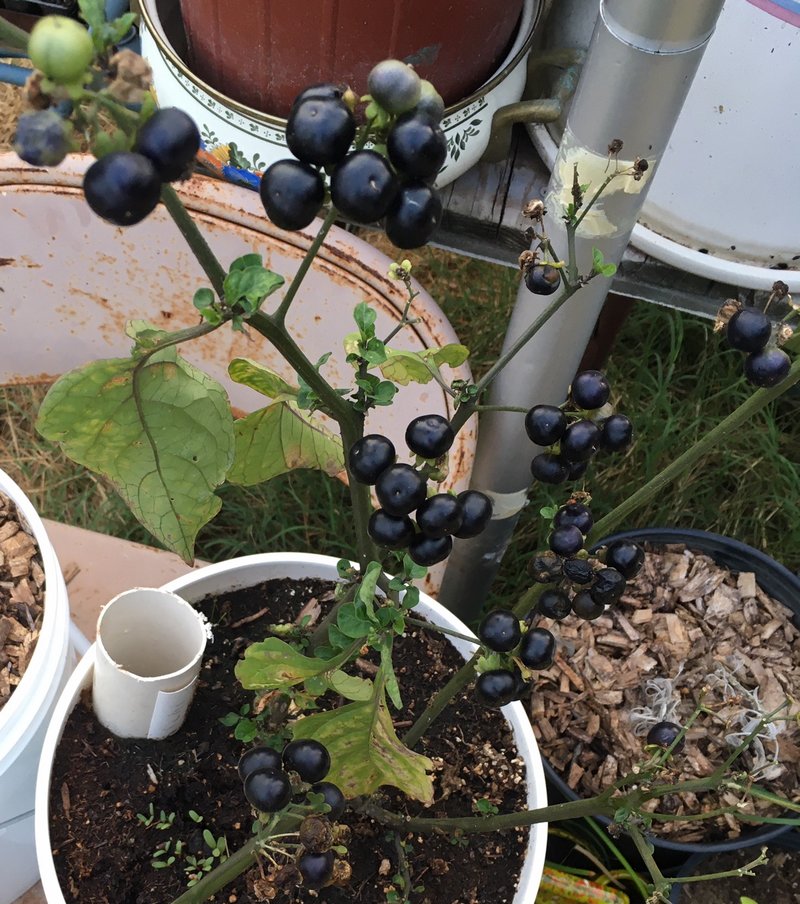
You can grow huckleberries from seeds, cuttings, or nursery plants.
From Seeds
- Collect ripe huckleberries and mash them gently.
- Rinse and separate the seeds from the pulp.
- Stratify the seeds — keep them in a moist paper towel inside a refrigerator for 3 to 4 months to simulate winter dormancy.
- Sow the seeds in a tray filled with acidic soil mix and keep them in a shaded, moist location.
- Once seedlings are a few inches tall, transplant them into pots or directly into your prepared garden bed.
From Cuttings or Nursery Plants
For faster results, purchase young huckleberry plants or use semi-hardwood cuttings from existing plants:
- Cut a 4–6-inch section from healthy, mature stems.
- Dip in rooting hormone and plant in a moist, sandy mix.
- Keep them covered with a plastic dome or humidity tent until roots form.
When transplanting outdoors, space plants about 2–3 feet apart and water thoroughly after planting.
5. Light, Water, and Temperature Needs
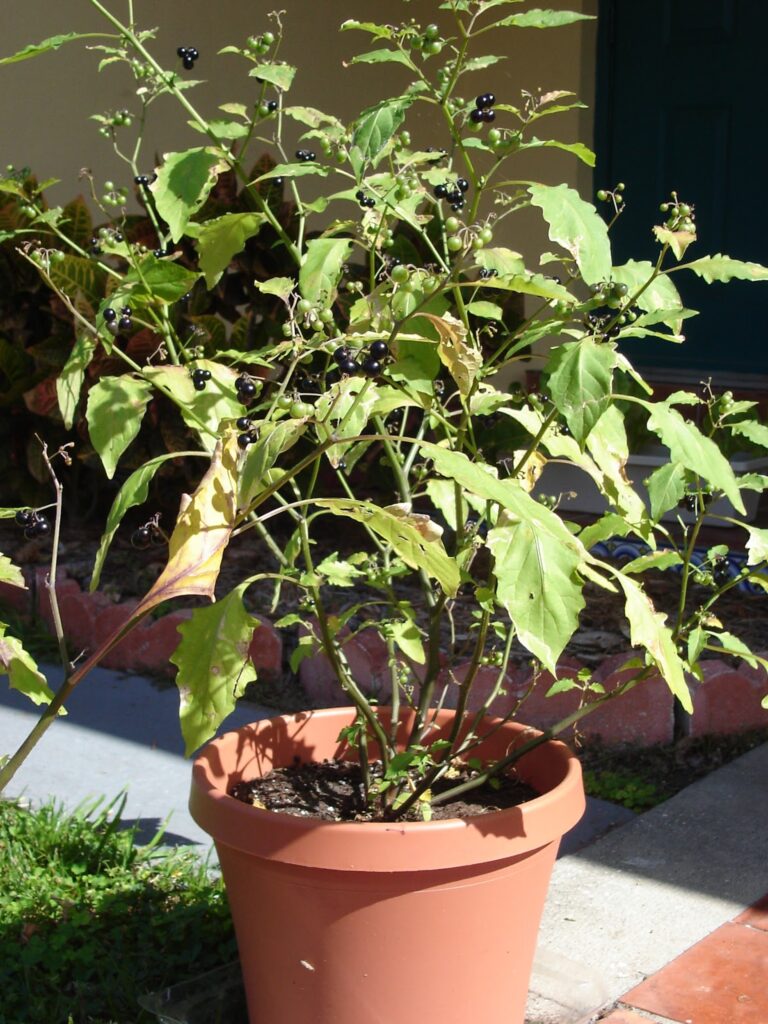
Huckleberries thrive in partial shade to full sun, depending on the variety. Mountain huckleberries often prefer dappled sunlight, while evergreen huckleberries can tolerate more shade.
Water regularly, especially during the first two years. Maintain evenly moist soil but avoid standing water. Mulching with pine bark, straw, or wood chips helps retain moisture and suppress weeds.
Ideal growing temperatures range between 45°F and 75°F (7°C–24°C). Huckleberries require a cool winter dormancy period, making them more suitable for temperate climates than tropical ones.
6. Fertilization and Care
Huckleberries are light feeders but benefit from organic nutrition. Avoid chemical fertilizers, which can damage delicate roots and disrupt soil acidity. Instead, use:
- Composted pine needles or leaf mold once or twice a year.
- Fish emulsion or seaweed extract for slow, balanced growth.
- Organic acid-loving plant fertilizers (such as those for azaleas or rhododendrons).
Pruning is minimal — remove dead or damaged branches in early spring. Older plants (over 3 years) can be lightly pruned to encourage new growth and better fruiting.
7. Managing Pests and Diseases
Huckleberries are relatively pest-resistant, but a few issues may arise:
- Aphids and spider mites: Wash off with a mild soap solution or neem oil spray.
- Root rot: Prevent by ensuring good drainage and avoiding overwatering.
- Fungal leaf spots: Remove infected leaves and ensure adequate air circulation around plants.
Using organic pest control and companion planting (such as growing marigolds nearby) can naturally deter insects without harming beneficial pollinators.
8. Pollination and Fruit Production
Huckleberries are partially self-pollinating, but for abundant fruiting, it’s best to plant multiple bushes. Bees, especially native bumblebees, are the main pollinators. Encourage them by maintaining a pesticide-free garden and planting nearby wildflowers like clover and lavender.
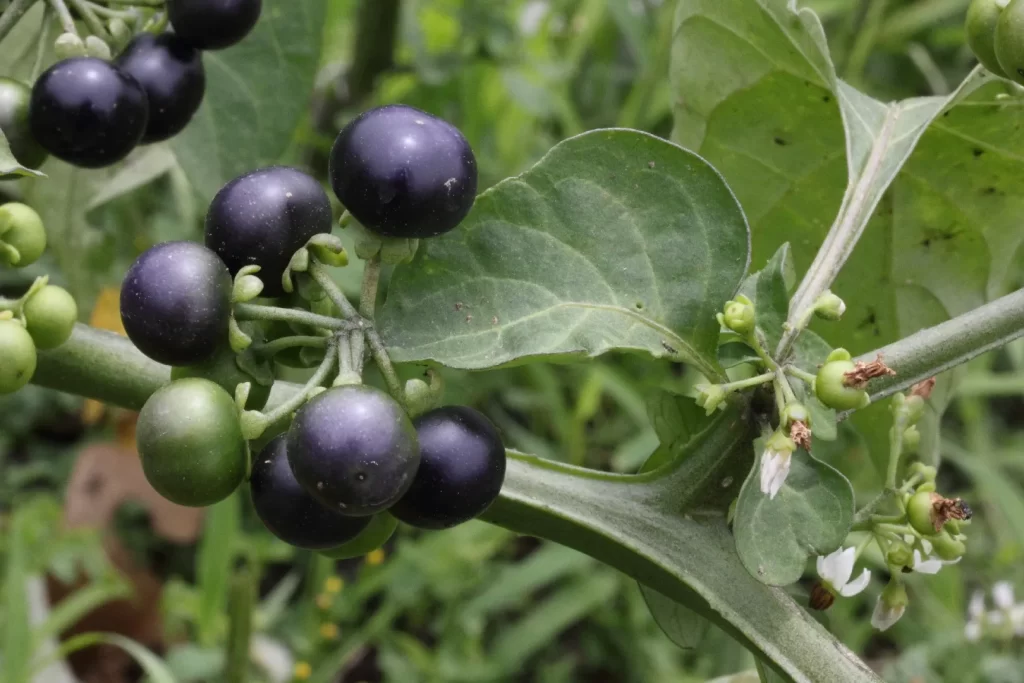
Huckleberries typically begin bearing fruit in 3 to 5 years after planting. The berries start green, turning deep blue or purple as they ripen, usually from mid to late summer.
9. Harvesting and Storing Huckleberries
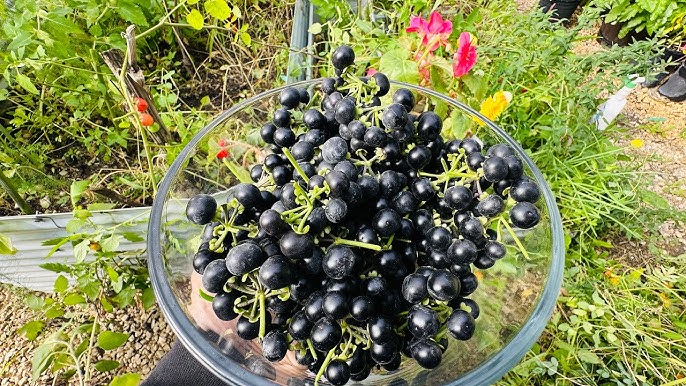
Harvesting huckleberries is an enjoyable and rewarding process. Gently pick ripe berries by hand — they should come off easily without tugging. Avoid overripe fruit, which can be soft and prone to mold.
To store:
- Refrigerate: Keep fresh berries in an airtight container for up to one week.
- Freeze: Lay berries in a single layer on a baking sheet before transferring them to freezer bags.
- Dry: Use a food dehydrator to make shelf-stable dried huckleberries for snacks or teas.
10. Culinary and Nutritional Uses (Vegetarian-Friendly)
Huckleberries are packed with antioxidants, vitamin C, manganese, and dietary fiber. Their deep color signifies high anthocyanin content, which supports heart and brain health.
Here are some wholesome, plant-based ways to enjoy your homegrown huckleberries:
- Huckleberry Smoothie: Blend berries with banana, oat milk, and a drizzle of honey.
- Huckleberry Jam: Simmer berries with sugar and lemon juice until thickened, then store in sterilized jars.
- Huckleberry Pancakes: Add fresh or frozen huckleberries to pancake batter for a sweet-tart flavor.
- Huckleberry Salad: Toss mixed greens, walnuts, and huckleberries with a light balsamic dressing.
- Huckleberry Tea: Steep dried berries in hot water for a fragrant, antioxidant-rich drink.
Each of these recipes captures the berry’s unique flavor without using any non-vegetarian ingredients.
11. Environmental and Personal Benefits
Growing huckleberries offers more than just delicious fruit. It also contributes to:
- Biodiversity: Providing food for birds, bees, and other pollinators.
- Soil health: Maintaining acidity and organic matter balance.
- Sustainability: Reducing reliance on store-bought produce.
- Mental well-being: Gardening itself reduces stress and fosters a connection with nature.
In essence, cultivating huckleberries is a sustainable, earth-friendly hobby that rewards you with both nourishment and serenity.
Conclusion
Growing huckleberries in your backyard requires patience, preparation, and care — but the results are worth every effort. From the first blossoms to the glistening clusters of ripe berries, each step of the process connects you to nature’s rhythms. Whether you’re crafting homemade jams or simply enjoying the fruits fresh from the bush, huckleberries bring a sense of accomplishment and healthful joy.
By creating the right environment — acidic soil, adequate shade, and organic care — you can transform a simple backyard into a mini huckleberry haven. With time, your garden will flourish, proving that with dedication and knowledge, you truly can grow it.