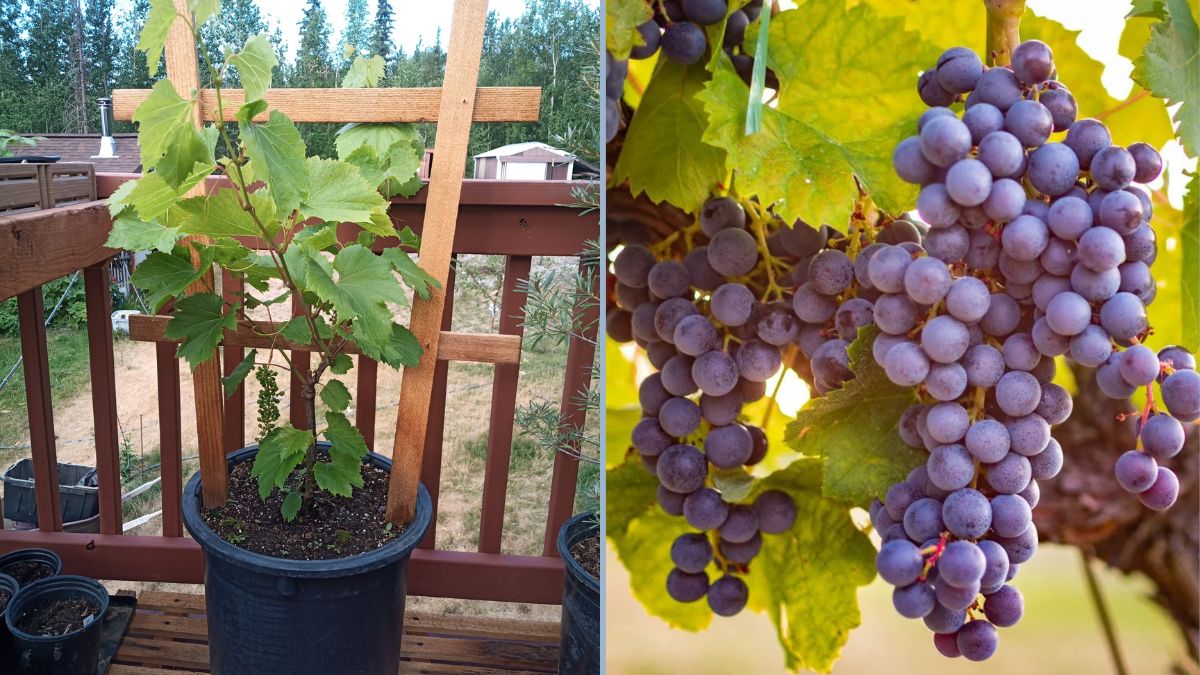
If you’ve ever grown grapes, you know there’s a kind of magic in watching the vines come to life — the curling tendrils stretching toward the sun, the tiny green clusters forming, and then, after months of waiting, the fruit beginning to ripen in rich hues of bronze or purple.
For those of us who’ve nurtured a Noble Muscadine grapevine, the journey is especially rewarding. By the vine’s second year, something incredible begins to happen — the first true signs of abundance. The clusters hang heavy, the skins deepen to a glossy black-purple, and you realize that your patience, pruning, and care are finally paying off.
This post takes a close look at the two-year milestone in the life of a Noble Muscadine grapevine: how the fruit ripens, what to expect from your young vine, and how to support it through this vital stage of growth.
The Noble Muscadine: A Southern Treasure
Before we talk about ripening fruit, let’s take a moment to appreciate what makes the Noble Muscadine so special.
The Muscadine grape (Vitis rotundifolia) is native to the southeastern United States — one of the few grape species that naturally thrives in the region’s heat, humidity, and pest pressures. Unlike European wine grapes, muscadines evolved for the South’s tough conditions, developing thick skins, disease resistance, and a flavor unlike any other fruit on earth.
The ‘Noble’ variety, developed by researchers at the University of Florida in the mid-20th century, is one of the most popular cultivars for winemaking. It’s prized for its deep purple-black color, high juice yield, and balanced sugar-to-acid ratio. Even so, it’s just as beautiful and productive for home gardeners who want a robust, reliable grapevine.
When you plant a Noble Muscadine vine, you’re not just growing fruit — you’re reviving a heritage crop, one deeply rooted in Southern tradition.
Year Two: The Turning Point for Young Vines
The second year of a grapevine’s life is a transitional one. During its first year, the young vine focuses on establishing roots and building a strong framework of shoots and leaves. In year two, it begins to channel more energy toward reproduction — forming blossoms, setting fruit, and ripening its first real harvest.
However, it’s important to remember that a two-year-old Noble Muscadine is still considered a juvenile vine. The fruit you see ripening this season represents both a triumph and a test. The clusters may be fewer and smaller than those of mature vines, but they are the promise of what’s to come.
The Ripening Process: From Green to Glossy Purple
Watching muscadine grapes ripen is a slow, beautiful process that unfolds through late summer and early fall.
1. The Early Stage: Firm and Green
In midsummer, the developing grapes are small, firm, and light green. At this stage, they’re high in acids and low in sugars — not yet edible, but growing steadily in size. The vine is busy photosynthesizing, drawing nutrients from the soil, and strengthening its canes.
2. The Blush Stage: The First Hints of Color
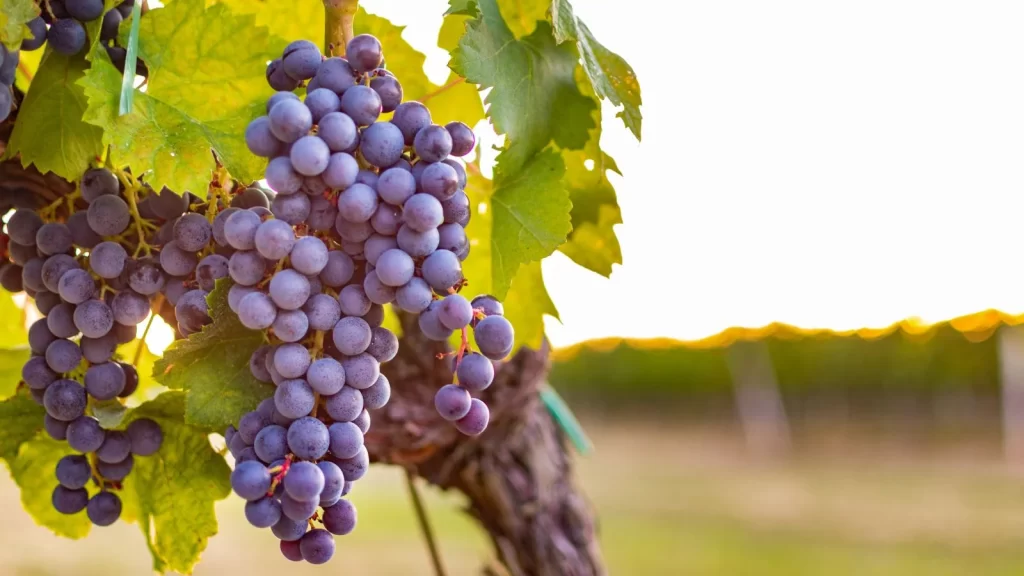
As the weeks pass and temperatures remain warm, you’ll notice the first signs of ripening — a faint bronze or purple blush spreading across the berries. This is the beginning of veraison, the point at which the grapes start to soften and accumulate sugars.
For Noble Muscadine, veraison usually begins in late August or early September, depending on your region and climate. It’s a thrilling sight — a promise of flavor just around the corner.
3. Full Ripening: Deep Color and Sweetness
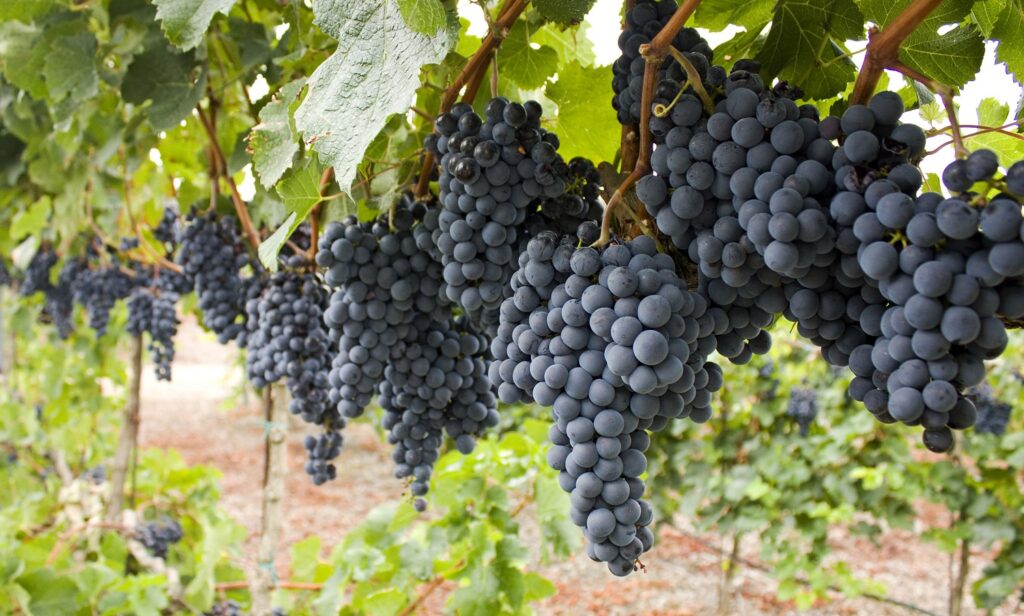
As the grapes ripen, their color deepens to a rich, almost blackish purple. The skins grow glossy, and the berries soften slightly under your touch. The flavor shifts dramatically, developing sweetness and that distinctive muscadine aroma — a mix of wild fruit, honey, and spice.
Unlike bunch grapes, muscadines ripen individually rather than all at once. You may see some berries ready to harvest while others are still green. Patience is key here: it’s better to let each grape fully mature on the vine for maximum sweetness.
How to Tell When Noble Muscadines Are Ripe
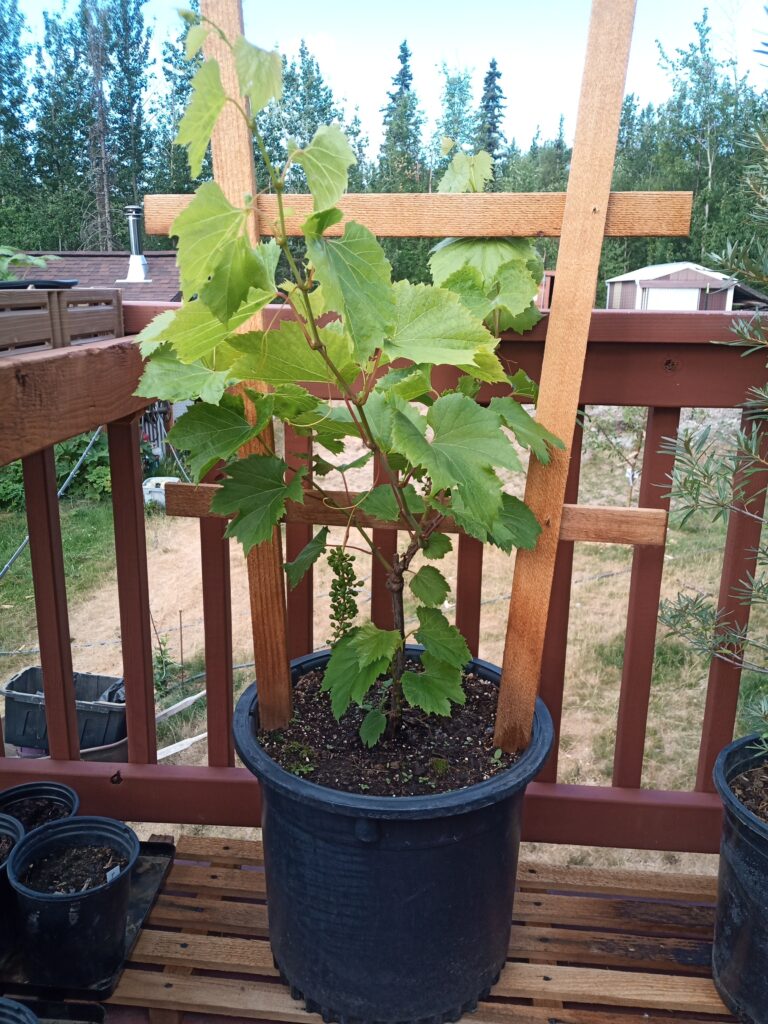
It can be tricky to know exactly when muscadines are ready to pick — especially with a young vine. Here are some reliable signs:
- Color: Fully ripe Noble muscadines turn a uniform dark purple-black, with no remaining green tones.
- Touch: The berries soften slightly and detach easily from the stem when gently tugged.
- Taste: This is the most dependable test — the grape should be sweet, juicy, and aromatic.
- Falling Fruit: When a few ripe berries begin to drop naturally, the vine is near its peak ripeness.
Harvesting too early can result in tart, underripe grapes. Waiting just a few more days often makes all the difference.
Caring for a 2-Year-Old Noble Vine
As exciting as fruit ripening is, the second-year vine still needs careful attention. Your goal isn’t just to harvest — it’s to help the vine develop strength for future seasons.
1. Pruning and Training
Muscadines require structure and discipline to grow productively. In year two, continue training the main trunk and lateral arms along your trellis or arbor. Remove weak shoots and any growth that doesn’t fit the framework you’re building.
A single-wire or double-wire trellis works beautifully for muscadines. Tie new shoots loosely to the support and prune off suckers near the base. The more structured your vine now, the better it will perform for decades to come.
2. Fertilization
In late spring and again in midsummer, apply a balanced fertilizer (such as 10-10-10) to support both foliage and fruit development. Avoid over-fertilizing, as too much nitrogen encourages leafy growth at the expense of fruiting.
Organic growers can use compost or liquid seaweed as a gentle nutrient boost.
3. Watering
Muscadines are naturally drought-tolerant, but consistent moisture during fruit development improves both yield and quality. Deeply water once or twice a week, especially in dry weather, to keep the roots hydrated without waterlogging.
4. Pest and Disease Management
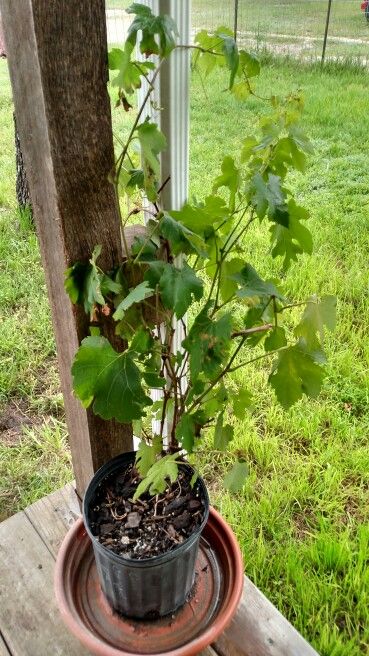
The thick skins of muscadine grapes make them resistant to many pests and diseases, including powdery mildew and bunch rot — common problems in European grapes. However, watch for Japanese beetles, wasps, or birds eager to share your crop.
Simple netting or mesh bags over clusters can deter hungry visitors. Keep the area around the base weed-free to improve airflow and reduce fungal risks.
The First Taste of Success
There’s nothing quite like that first harvest from a young vine. Even if it’s just a small bowl of fruit, the satisfaction runs deep. The Noble Muscadine’s flavor is unlike any supermarket grape — intense, complex, and wild, with thick skins that burst to reveal honey-sweet juice inside.
You can enjoy the grapes fresh, or experiment with traditional uses:
- Homemade Muscadine Jam or Jelly: Boil the pulp and skins for rich flavor and color.
- Small-Batch Wine: Ferment the juice for a taste of Southern tradition.
- Frozen Treats: Freeze the grapes whole for a refreshing snack.
Remember: the fruit from a two-year-old vine is just a preview. As the vine matures, both yield and sweetness will increase dramatically. By year three or four, a healthy vine can produce 20–40 pounds of grapes annually.
Patience, Reward, and the Rhythm of Growth
Growing grapes is a lesson in patience. In a world that prizes instant gratification, tending a young muscadine vine reminds us that the best things unfold slowly. The second year, with its small but precious harvest, marks a turning point — a glimpse into the abundance that lies ahead.
Each season teaches something new:
- The first year is about faith — planting roots and trusting the unseen.
- The second year is about hope — seeing the first fruits of your care.
- The third year is about fulfillment — when the vine fully matures and rewards your dedication.
There’s a rhythm to this growth, a natural harmony between the gardener and the plant. By learning to move at that pace, we rediscover the quiet joy of cultivation — of tending, observing, and waiting.
Final Thoughts: The Noble Muscadine’s Gift
The 2-year-old Noble Muscadine grapevine is more than just a plant; it’s a symbol of endurance and promise. It thrives where others fail, producing sweet, fragrant fruit in the very climates that challenge most grapes.
Watching the first clusters ripen — their colors deepening with the late summer sun — is a moment of pure satisfaction. It’s a reminder that good things take time, and that growth, both in gardens and in life, follows its own patient rhythm.
As you stand in your garden, grape-stained fingers holding a handful of ripe muscadines, remember this: every harvest begins with a small act of faith — a cutting planted, a vine trained, and a gardener who believes in what’s to come.