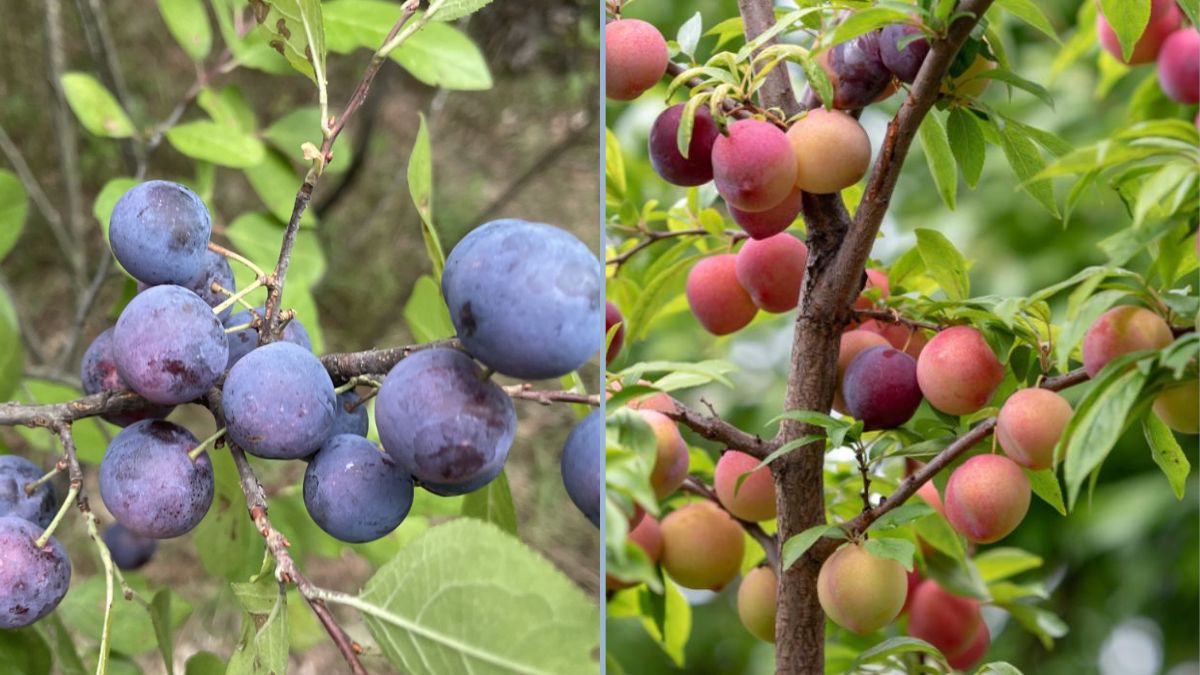
There are few plants that capture the rugged beauty of the coast quite like the Beach Plum Tree (Prunus maritima). From its windswept branches and salt-tolerant leaves to its sweet, jewel-like fruit, this native shrub is a symbol of resilience and seaside charm.
You may have seen it growing wild along sandy dunes, clinging to the edges of shorelines from Maine to Virginia, where its roots help hold the dunes together. But what many people don’t realize is that the beach plum isn’t just a wild coastal plant — it’s also a hardy, adaptable shrub that can bring beauty, fruit, and ecological value to almost any home garden.
In this in-depth review and care guide, we’ll explore what makes the beach plum such a special species, how to grow it successfully, and why it deserves a place in your landscape — whether you live by the sea or miles inland.
The Beauty and Story of the Beach Plum
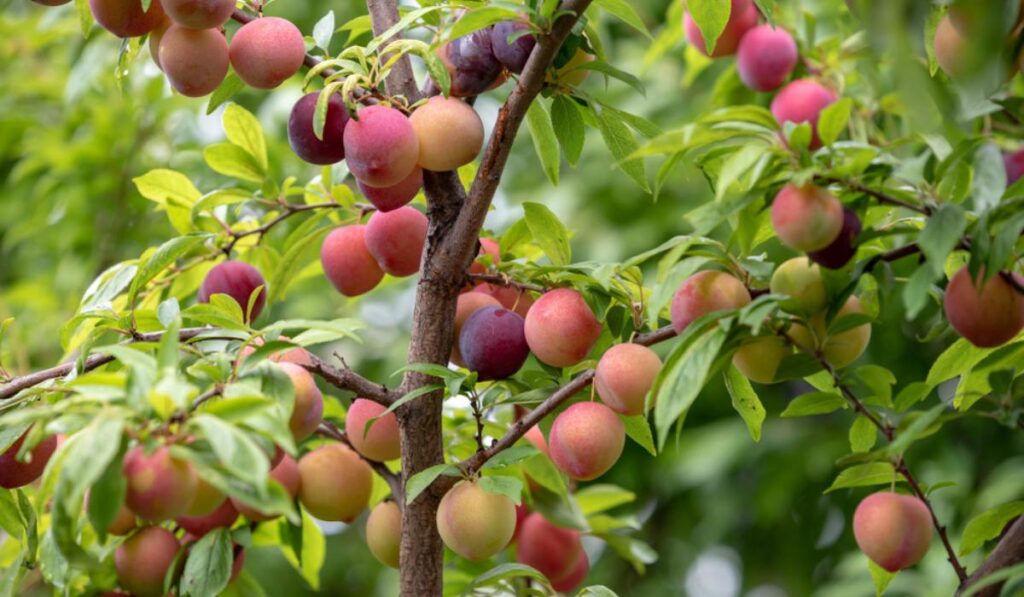
The beach plum (Prunus maritima) is a deciduous shrub native to the northeastern coastal regions of North America. It’s part of the rose family — a relative of cherries, apricots, and almonds — and thrives in some of the most inhospitable soils on the continent.
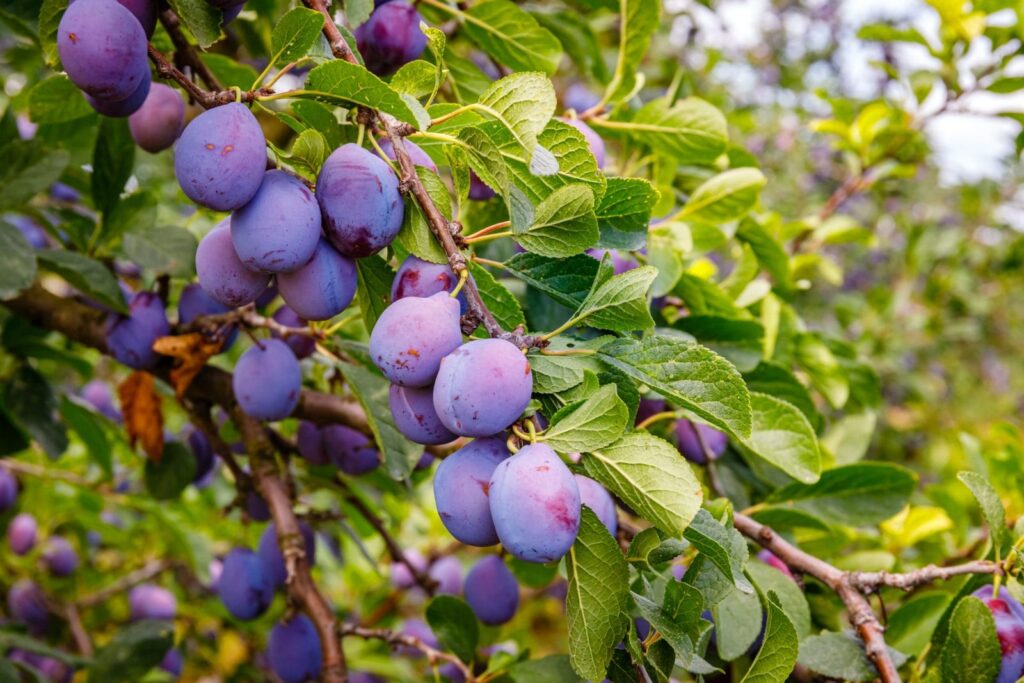
In the wild, you’ll find it growing in sandy, salty, and nutrient-poor soils, often just beyond the high-tide line. Despite such challenging conditions, it manages to flourish — producing fragrant white blossoms in spring and clusters of small, purple-blue fruits by late summer.
Historically, beach plums were a prized wild food source for Indigenous peoples and early settlers. The fruit was used fresh or preserved into jams, jellies, and wines. In fact, beach plum jam remains a cherished regional delicacy in New England, celebrated for its rich, tangy-sweet flavor that’s unlike any other plum.
Today, gardeners and conservationists are rediscovering this native plant — not only for its fruit but also for its value as a drought-tolerant, low-maintenance, and pollinator-friendly shrub that adds beauty and ecological balance to any garden.
Beach Plum Tree Review: Why Grow It?
Before we dive into care and growing details, let’s talk about what makes the beach plum truly worth planting.
1. A Hardy Native Plant
Beach plums are built for resilience. They thrive in poor, sandy soils where many fruit trees would fail. They can withstand strong winds, drought, and even occasional salt spray — making them an ideal choice for coastal gardens, xeriscapes, or any landscape seeking low-maintenance beauty.
2. Gorgeous Seasonal Interest
Few native shrubs offer such striking year-round appeal:
- Spring: Clouds of white blossoms appear in April or May, buzzing with bees and early pollinators.
- Summer: Shiny green leaves create a lush hedge effect, and small fruits begin to ripen from green to purple.
- Fall: The foliage turns golden-yellow or deep orange, and the ripe plums dangle like clusters of jewels.
- Winter: The twisting, gnarled branches add sculptural interest against snow or bare landscapes.
3. Delicious and Unique Fruit
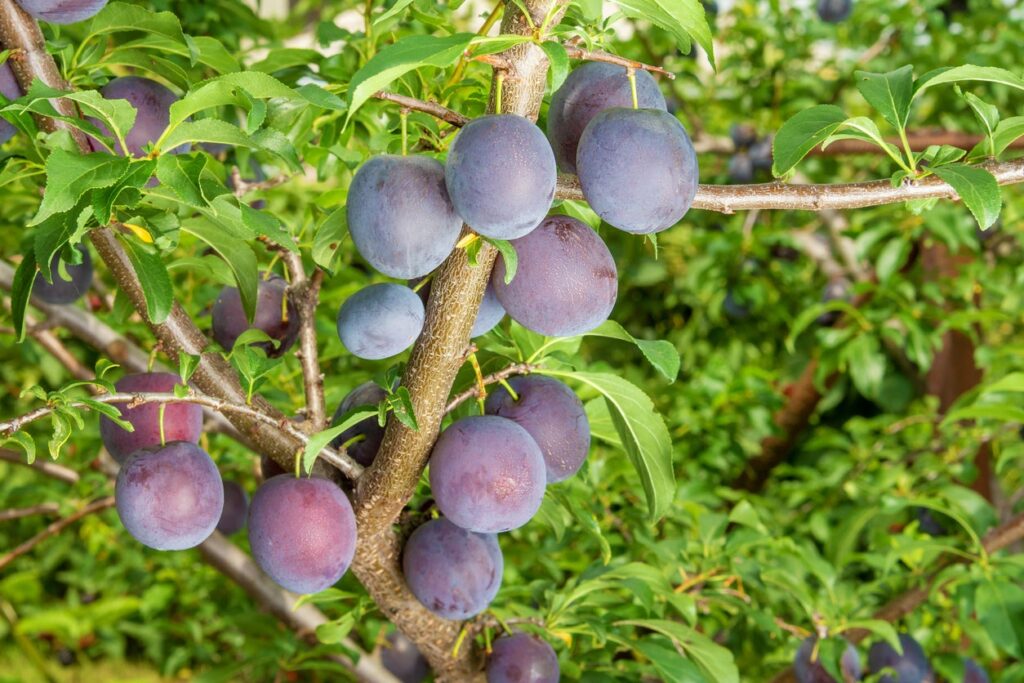
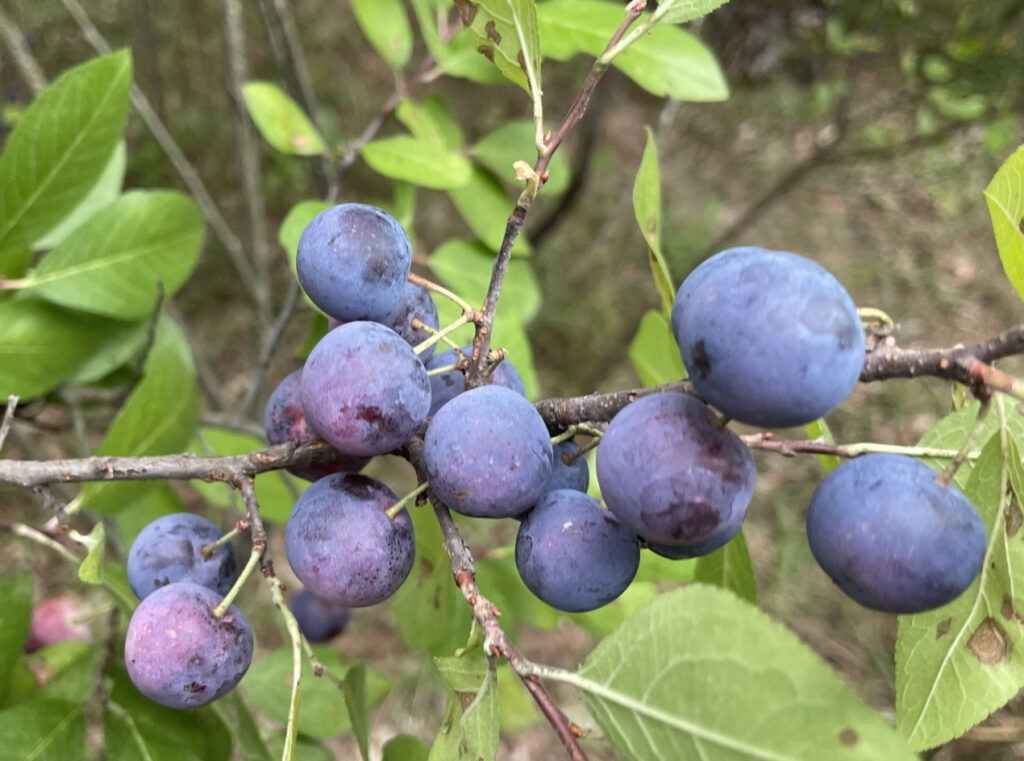
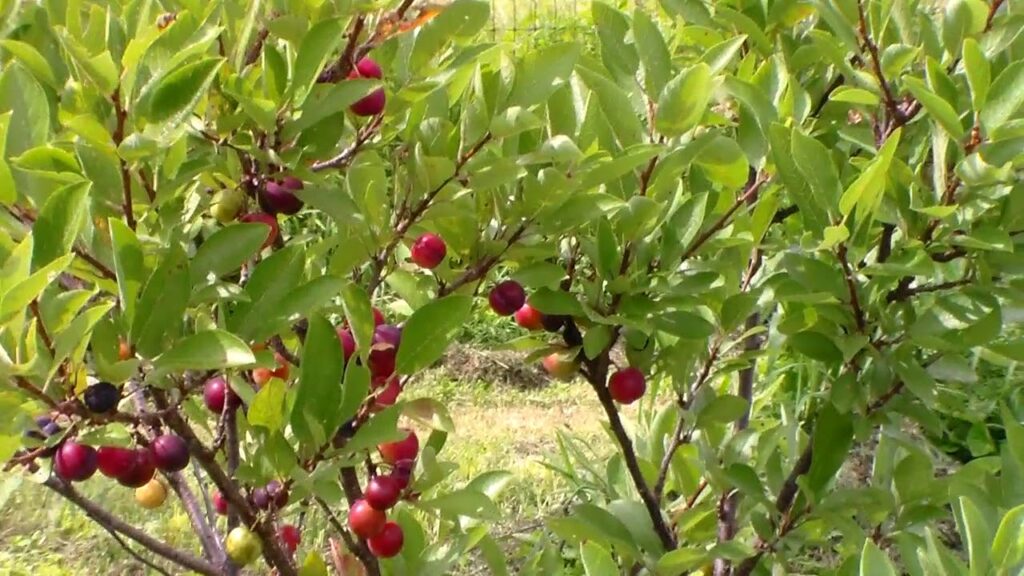
The fruit of the beach plum is small — about the size of a large cherry — but packed with intense flavor. Depending on ripeness, it can be tart, sweet, or pleasantly tangy. While they’re often too astringent to eat fresh right off the bush, they shine in preserves, sauces, syrups, and wines.
Many local producers along the Atlantic coast still make traditional beach plum jam, a treat that’s both nostalgic and rare.
4. Wildlife and Pollinator Value
Beach plums are a natural magnet for bees, butterflies, and birds. In spring, the flowers provide vital early nectar. Later, birds like catbirds and cedar waxwings feast on the ripe fruit, helping to spread the seeds.
By planting beach plums, you’re supporting local ecosystems — offering food and shelter to wildlife while enjoying a beautiful, productive shrub.
5. Perfect for Erosion Control and Natural Landscaping
Thanks to its extensive root system, the beach plum is excellent for stabilizing sandy slopes, coastal banks, or loose soils. Many coastal restoration projects use it for this very reason. Even in home gardens, it can serve as a natural hedge or windbreak that’s both ornamental and functional.
Beach Plum Care and Growing Guide
While beach plums are known for thriving in harsh conditions, they do have some preferences that can help you get the best growth and fruit production. Here’s everything you need to know to grow them successfully at home.
1. Light and Location
Beach plums love full sun. Choose a location that receives at least six hours of direct sunlight per day.
They can tolerate partial shade, but fruiting will be reduced.
If you live inland, try to mimic their native environment — an open, well-drained site with good air circulation. Avoid heavy, clay-based soils that hold too much moisture.
2. Soil Requirements
The ideal soil for beach plums is sandy, slightly acidic, and well-drained. They are naturally adapted to poor soils, so don’t worry about fertility too much. In fact, they perform better in lean conditions than in overly rich ones.
If your soil is heavy, consider amending it with sand and compost, or planting on a raised mound to improve drainage. Avoid waterlogged sites — beach plums dislike “wet feet.”
3. Watering
Although beach plums are drought-tolerant once established, they benefit from consistent watering during the first year after planting. Deeply water once a week until the plant’s roots are well developed. After that, they’ll need minimal irrigation, except during prolonged dry spells.
4. Fertilizing
Beach plums rarely need fertilizer. Too much nitrogen can reduce fruiting and encourage excessive leafy growth. If your plant looks weak after a year or two, a light application of compost in early spring should be sufficient.
5. Pruning
Prune beach plums in late winter or early spring before new growth begins. Remove any dead or crossing branches, and thin out crowded areas to improve air flow.
Beach plums can be trained as small trees, open shrubs, or natural hedges depending on your design. Left alone, they tend to form dense thickets that provide great cover for birds.
6. Pollination and Fruit Production
Here’s an important tip: beach plums are not self-pollinating. To ensure good fruit set, plant at least two genetically different shrubs nearby (within 50 feet).
Pollinators like bees do the rest, transferring pollen between flowers. Without cross-pollination, you may get blossoms but little fruit.
7. Harvesting and Using the Fruit
The fruits ripen from late August to early September, depending on your region. They should be fully purple and slightly soft before harvesting.
Pick carefully — the stems can be fragile — and handle the fruit gently to avoid bruising.
Ways to enjoy beach plums:
- Cook them into jam, jelly, or chutney
- Make a tart-sweet fruit syrup for ice cream or pancakes
- Ferment into wine or liqueur
- Bake into pies or fruit tarts for a wild, aromatic twist
If you can resist eating them all right away, they also freeze well for later use.
Troubleshooting and Common Problems
Beach plums are remarkably pest- and disease-resistant, but they can occasionally be affected by issues similar to other stone fruits.
1. Brown Rot
A common fungal disease that affects ripening fruit. It appears as brown, soft spots that spread quickly.
👉 Solution: Ensure good air circulation, avoid overhead watering, and prune out affected fruit.
2. Aphids or Tent Caterpillars
You may occasionally find these pests on new growth.
👉 Solution: Spray with insecticidal soap, or let natural predators like ladybugs handle them.
3. Low Fruit Yield
If your plant flowers but doesn’t set fruit, it may lack a compatible pollinator. Plant a second bush or check that pollinators have access during bloom time.
Why Beach Plums Deserve a Place in Modern Gardens
The beauty of the beach plum lies in its versatility. It’s equally at home in a coastal dune, a suburban yard, or a permaculture orchard. It bridges the gap between wild and cultivated — a native plant that’s both ornamental and productive.
By planting beach plums, you’re not just growing a fruit-bearing shrub. You’re preserving a piece of North America’s coastal heritage, supporting biodiversity, and reconnecting with the landscape’s natural rhythms.
In an age when gardens often depend on imported ornamentals and heavy maintenance, the beach plum offers an elegant alternative: a native plant that thrives on neglect, rewards patience with beauty, and yields a harvest that tastes of salt air and summer sun.
Final Thoughts
If you’re looking for a plant that combines beauty, resilience, and flavor, the beach plum deserves your attention. It’s easy to grow, stunning throughout the seasons, and full of ecological value.
Plant it along a driveway, in a sandy corner of your garden, or as part of a native hedgerow. Give it sun, space, and a little time — and soon you’ll have a shrub that rewards you with blossoms in spring and fruit in fall, all while providing habitat for wildlife.
The beach plum tree reminds us that even in the harshest conditions, nature can create something enduring, flavorful, and beautiful. Whether you live by the ocean or far inland, this coastal treasure brings a touch of seaside magic right into your backyard.