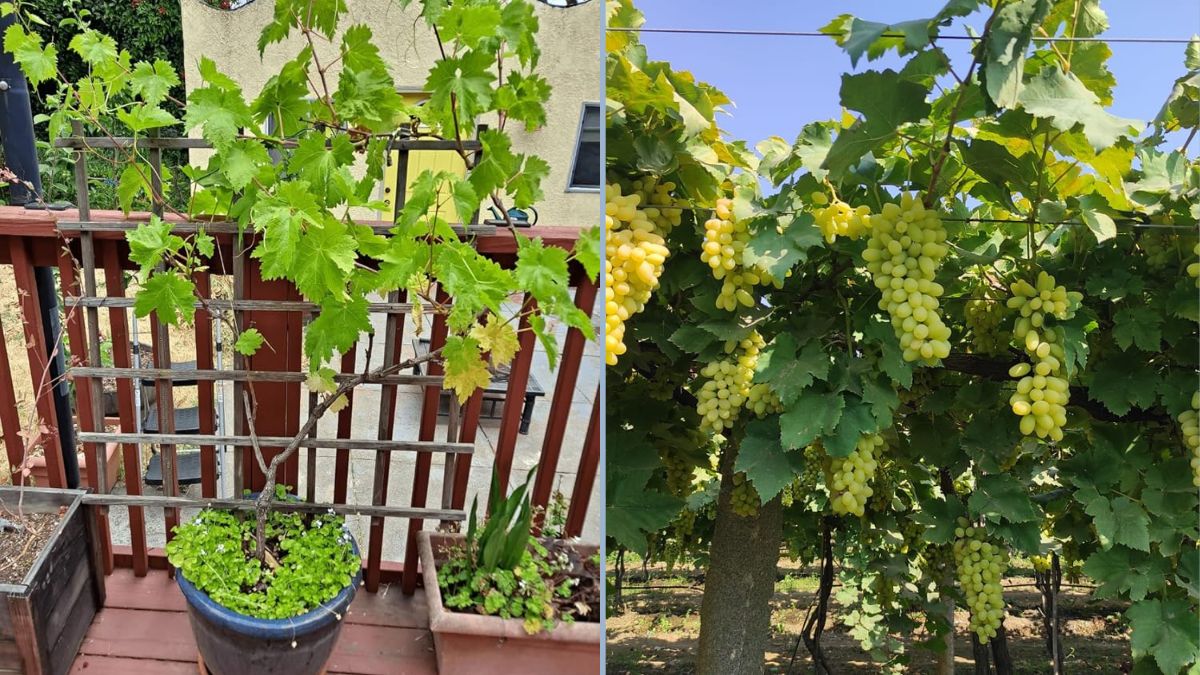
Imagine stepping out onto your rooftop and seeing lush green vines trailing gracefully across trellises, sunlight filtering through clusters of glossy green grapes — Ghiyatori and Meethey Angoor — ripening naturally without a drop of chemical fertilizer. The sight, the scent, the sweetness — it’s pure joy and pure health, growing right above your home.
Urban living doesn’t have to mean giving up nature. In fact, with just a few pots, some sunshine, and dedication, you can transform your terrace into a Go Green Garden — a little oasis that provides fresh fruit, shade, and peace of mind.
In this guide, we’ll walk through everything you need to know to grow 100% organic and natural green grapes on your rooftop. From selecting the right variety and soil to organic care and harvesting, this is your step-by-step path to a thriving mini vineyard in the sky.
Why Grow Grapes Organically on a Rooftop?
Before we get into the how-to, it’s worth understanding the why.
1. Health and Purity
Commercial grapes are among the most pesticide-treated fruits in the market. When you grow your own organically, you control what goes into the soil — and ultimately, into your body.
2. Freshness and Flavor
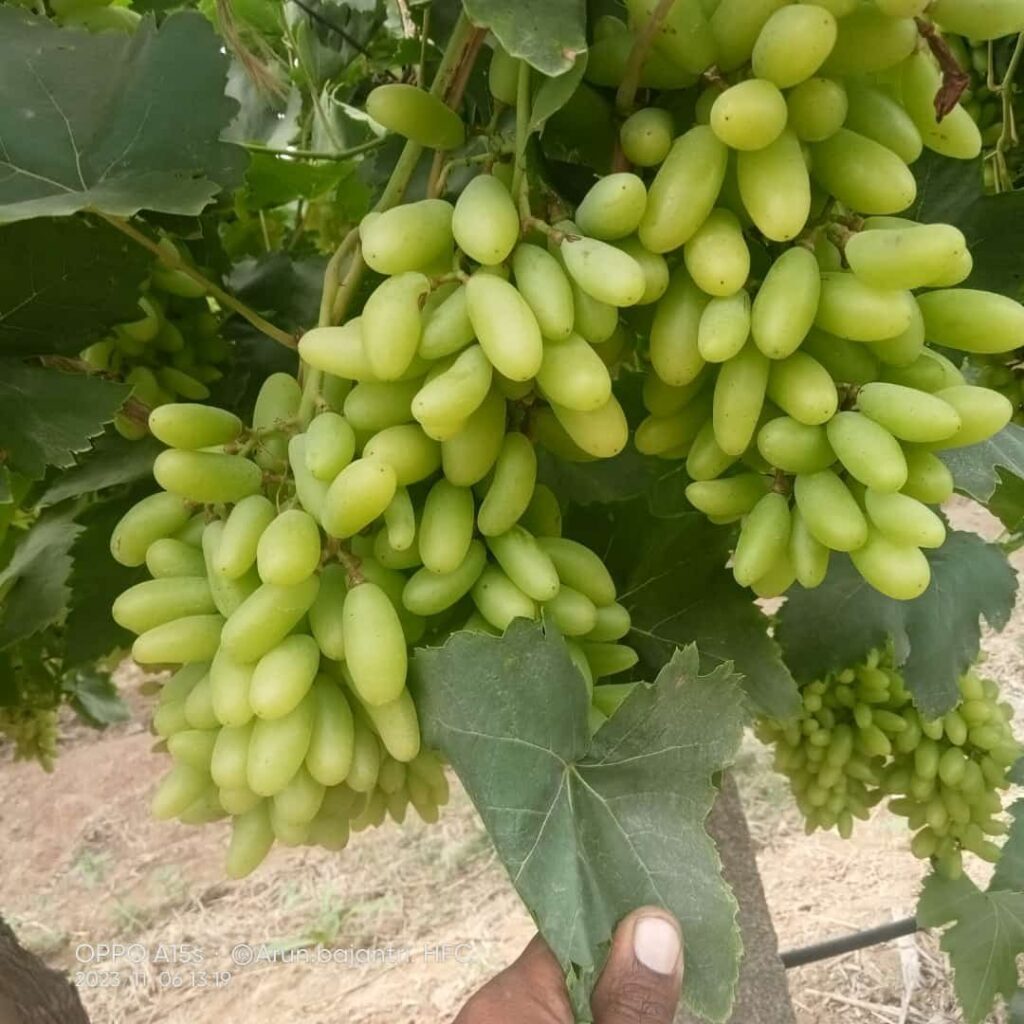
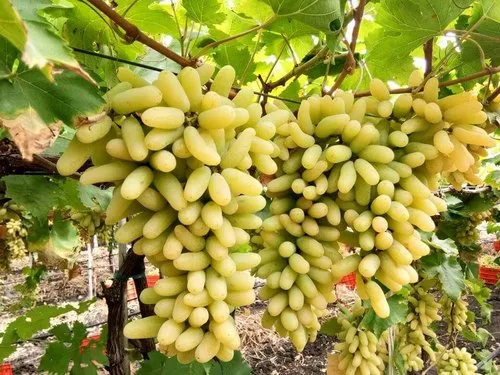
Nothing compares to the taste of homegrown grapes, sun-warmed and freshly picked. The Meethey Angoor (sweet grapes) are juicy and flavorful, while the Ghiyatori Angoor are crisp and refreshing — perfect for juices, snacks, or even homemade raisins.
3. Sustainable Urban Living
A rooftop vineyard helps cool your home, purifies air, supports pollinators, and uses vertical space efficiently. You don’t need a big garden — just sunlight, containers, and love for plants.
4. Emotional Reward
Tending a vine from young sapling to fruit-bearing beauty brings calm, patience, and a sense of accomplishment. Each cluster feels like nature’s gratitude.
Choosing the Right Grape Varieties
In South Asia and warm regions, Ghiyatori and Meethey Angoor varieties are popular for rooftop growing because they:
- Thrive in pots and containers.
- Are well-suited to warm, sunny climates.
- Produce fruit within 2–3 years.
- Have natural resistance to common pests when grown organically.
If you’re growing in India, Pakistan, or similar climates, look for table grape varieties like:
- Ghiyatori Angoor: Light green, oval grapes, known for mild sweetness and crisp texture.
- Meethey Angoor: Rounder, softer, very sweet grapes ideal for eating fresh.
You can also experiment with hybrid green varieties like Thompson Seedless or Perlette for their productivity and adaptability.
Getting Started: Rooftop Garden Setup
Even without soil beds, your rooftop can support fruiting vines if you use large containers and ensure proper drainage.
1. Choosing Containers
- Use 25–30 liter pots, grow bags, or recycled paint buckets (with drainage holes).
- Clay or cement pots are excellent because they stay cooler in heat.
- Make sure the base has holes for water to escape — grapes hate waterlogging.
2. Soil Mix
Grapes need well-draining, nutrient-rich soil. A good organic mix:
- 40% garden soil
- 30% well-rotted cow dung or compost
- 20% cocopeat
- 10% sand or perlite for drainage
Mix in a handful of neem cake powder or vermicompost to keep soil fertile and pest-free.
3. Sunlight and Position
Place your containers in a full-sun location — at least 6–8 hours of direct sunlight daily. Rooftops are perfect for this since grapes thrive in warm, bright conditions.
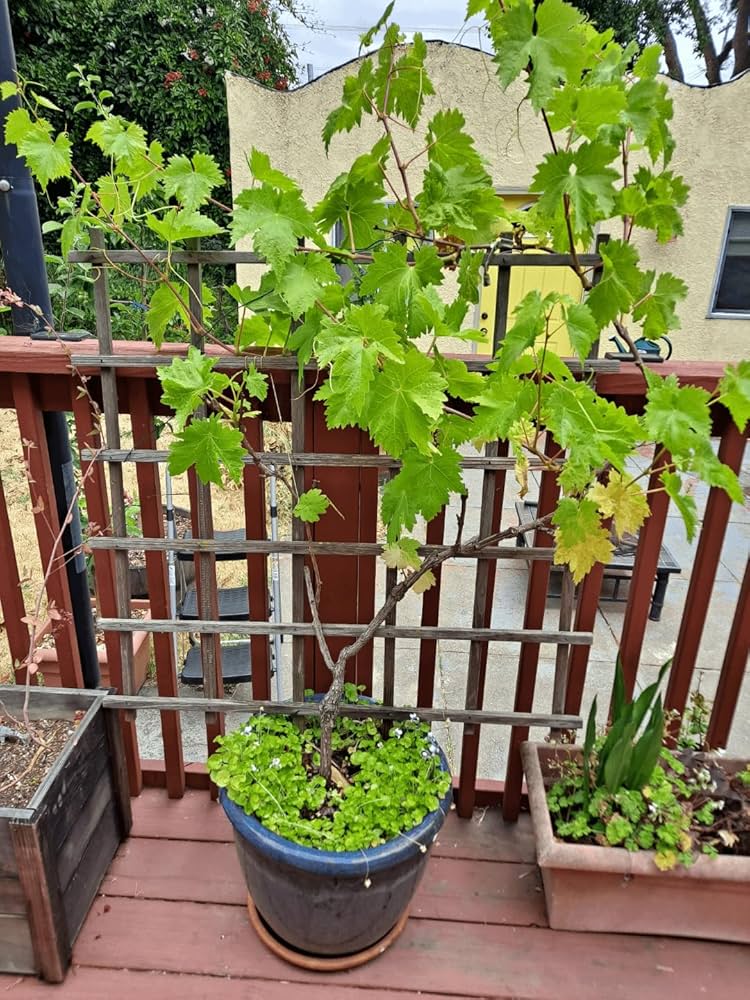
If your region gets very hot summers (over 40°C / 104°F), use a green shade net (50%) during peak afternoons to prevent leaf burn.
Planting Your Green Grape Vines
You can start with nursery-bought saplings or hardwood cuttings from a healthy vine.
Steps to Plant:
- Fill the pot with your soil mix, leaving about 2 inches from the top.
- Plant your vine cutting or sapling in the center, keeping the root ball level with the soil surface.
- Water thoroughly after planting.
- Insert a bamboo stake or small trellis for support as the vine grows.
For the first month, water regularly to help roots establish. Once the vine begins vigorous growth, reduce watering frequency — grapes prefer slightly dry roots.
Building a Trellis or Support System
Vines are natural climbers. Without support, they’ll trail along the ground and tangle easily. Build a simple trellis using bamboo poles, iron wires, or PVC pipes.
Options:
- Wall Trellis: Vertical wires fixed to a wall or railing.
- Overhead Pergola: A lattice roof structure where vines spread and create shade — beautiful for rooftop seating areas.
- Rope Trellis: Nylon ropes tied from pot to overhead frame — flexible and affordable.
Train the main stem upward and prune side shoots to encourage healthy branching.
Organic Care and Feeding
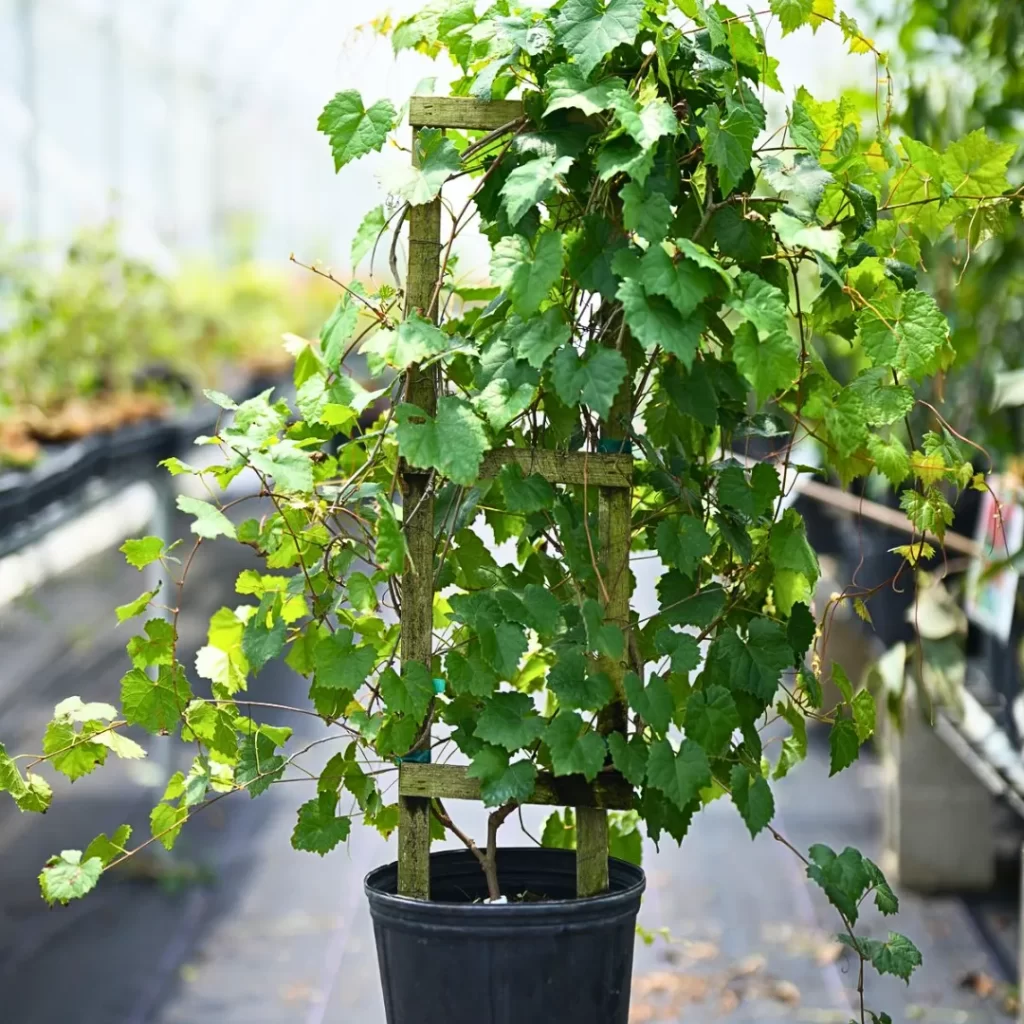
To grow truly 100% organic and natural grapes, skip chemical fertilizers entirely. Focus on natural composts and homemade sprays.
Feeding Schedule
- Monthly: Add a small layer of vermicompost or cow dung manure on top of the soil.
- Every 2 weeks: Feed with organic liquid fertilizer — like compost tea, banana peel tea, or diluted buttermilk (for calcium).
- Seasonally: Apply neem cake or mustard cake powder before flowering for strong vines.
These natural feeds enrich the soil, strengthen roots, and improve fruit sweetness.
Watering Wisely
Overwatering is one of the biggest mistakes rooftop gardeners make.
- Water only when the top 1 inch of soil feels dry.
- During summer, water early morning or evening to prevent evaporation.
- Reduce watering during fruit ripening — slightly dry soil increases sugar concentration and enhances flavor.
Use drip irrigation or bottles with small holes inserted near the base for slow, deep watering.
Organic Pest & Disease Control
Chemical pesticides can destroy soil life and harm beneficial insects. Instead, use natural remedies that work just as well.
Common Problems & Natural Solutions
- Aphids or Whiteflies: Spray with neem oil + mild soap + water once a week.
- Fungal leaf spots: Mix 1 tablespoon baking soda + 1 liter water and spray on leaves.
- Fruit cracking: Maintain even watering — avoid sudden dry and wet cycles.
- Ants or mealybugs: Sprinkle wood ash or turmeric powder around the base.
Regular pruning and airflow prevent 90% of pest issues naturally.
Pruning for Productivity
Grapes need regular pruning to stay healthy and fruit abundantly.
When to Prune
- After fruit harvest (late winter).
- Before the next growing season starts (early spring).
How to Prune
- Remove dead or thin shoots.
- Keep only 3–4 strong canes.
- Cut back long vines to 8–10 nodes — new fruit will grow from these buds.
Pruning may seem harsh, but it channels the plant’s energy into producing bigger, sweeter clusters next season.
Pollination and Flowering
Green grape vines are self-pollinating, meaning they don’t need other plants nearby. But gentle shaking of the vine during flowering can help distribute pollen and increase yield.
You’ll see small green flowers turning into tiny grape clusters by late spring — the promise of sweet harvests ahead.
Harvesting Ghiyatori & Meethey Angoor
Patience pays off — green grapes usually ripen 4–5 months after flowering.
Signs of Ripeness
- Fruit color deepens from light green to golden or translucent.
- Grapes soften slightly and detach easily.
- The sweet aroma intensifies.
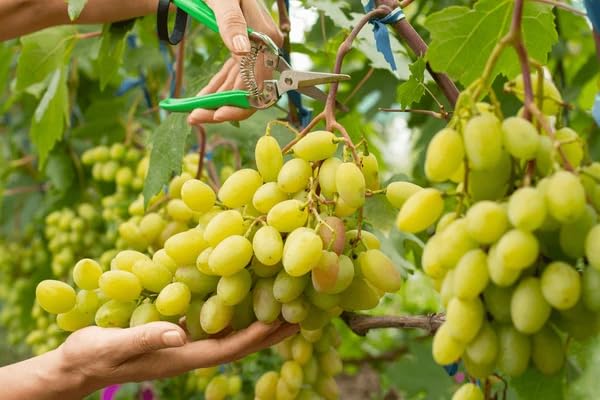
Cut clusters gently with scissors or pruning shears. Avoid pulling, as it can damage future buds.
Eat them fresh, make organic juice, or dry them for homemade raisins. Each bunch tastes like nature’s reward.
Sustainability Tips for Rooftop Growers
Your rooftop vineyard can be more than just a source of fruit — it can be part of your green lifestyle.
- Reuse greywater: If it’s free of detergent, use for watering plants.
- Compost kitchen waste: Turn peels and leftovers into natural fertilizer.
- Grow companion plants: Basil, mint, and marigold repel pests naturally.
- Collect rainwater: Perfect for organic gardening.
Every small effort turns your terrace into a thriving ecosystem.
The Joy of Rooftop Grapes
Growing Ghiyatori and Meethey Angoor grapes on your rooftop isn’t just about fruit — it’s about creating a living, breathing connection to the earth, even in the heart of the city.
Each leaf, tendril, and grape cluster reminds you of nature’s quiet generosity. The satisfaction of tasting your first homegrown, chemical-free grapes — sweet, cool, and sun-kissed — is incomparable.
By choosing to grow organically, you’re not just cultivating plants; you’re cultivating a healthier future for yourself and your surroundings.
So go ahead — plant that vine, watch it climb, and let your Go Green Garden become your rooftop paradise.