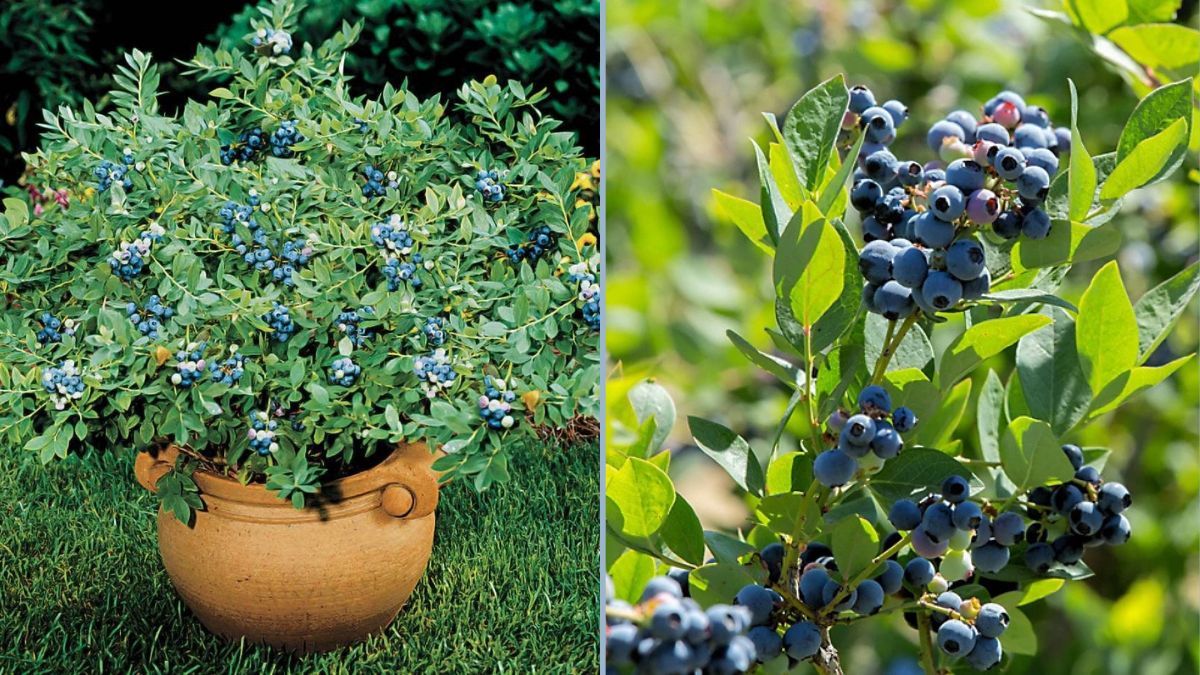
There’s something magical about discovering that the unassuming shrubs growing in your yard are actually wild blueberries. Their silvery-green leaves, delicate white spring flowers, and clusters of tiny indigo fruit are not just beautiful—they’re a piece of living history, a taste of the wild, and a gift to both people and pollinators.
Imagine stepping out your front door on a summer morning, the air still cool with dew, and plucking a handful of wild blueberries right from your own landscape. That’s the joy of cultivating (or even preserving) wild blueberry plants in your front yard. It’s not just about growing fruit—it’s about creating a connection with nature, transforming an ordinary space into a thriving ecosystem.
In this post, we’ll explore everything you need to know about growing wild blueberries in your yard—from identifying and caring for them, to understanding their ecological benefits, and why they make such a perfect addition to your landscape design.
A Hidden Gem: What Makes Wild Blueberries So Special
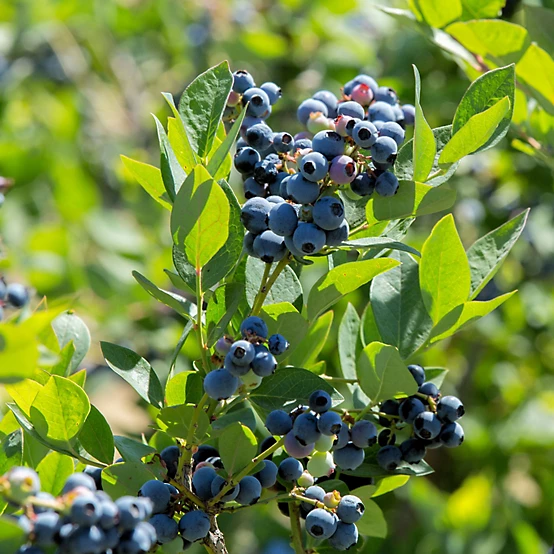
Wild blueberries, also known as Vaccinium angustifolium (lowbush blueberry) or Vaccinium myrtilloides (Canadian blueberry), are native to North America. They’ve been growing in forests, meadows, and rocky hillsides for thousands of years—long before commercial farming began.
Unlike the large, cultivated blueberries you see in grocery stores, wild varieties are smaller, more intense in flavor, and packed with nutrients. Each berry is a little burst of tangy sweetness and deep blue color, rich in antioxidants and vitamins.
But wild blueberries aren’t just food. They’re survivors.
They thrive in poor, acidic soils where many other plants struggle, often in places that seem too sandy, rocky, or harsh for typical garden crops. This resilience makes them perfect candidates for natural landscaping—especially in front yards where you want beauty and function to coexist.
Spotting Wild Blueberries in Your Yard
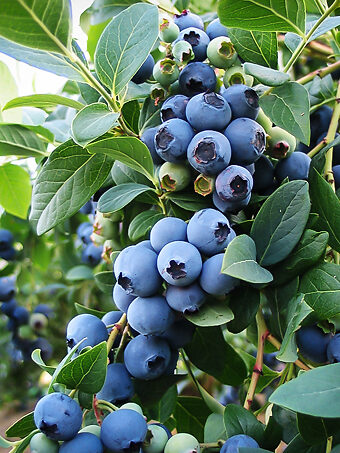
Before you start planting more, it’s good to make sure what you have (or want) are indeed wild blueberries. Here are a few characteristics to look for:
- Leaves: Small, oval, and slightly glossy with a bluish tint. They often turn fiery red or orange in fall.
- Flowers: Tiny, white or pink-tinged bell-shaped blooms that appear in spring.
- Fruit: Small blue berries with a dusty “bloom” on the surface. They ripen in midsummer and grow close to the ground in clusters.
- Growth habit: Low and spreading, forming mats or patches rather than tall bushes.
If you have these growing naturally, congratulations—you’ve got a native treasure right in your yard. If not, don’t worry. You can easily plant wild blueberry bushes and create your own little patch.
Why Wild Blueberries Belong in the Front Yard
At first, you might think fruit plants belong in the backyard, hidden away from view. But wild blueberries challenge that idea beautifully. They’re ornamental, productive, and low-maintenance—making them ideal for front yard landscapes.
1. Beautiful Year-Round
In spring, the plants burst with tiny white flowers that attract bees and butterflies. In summer, they’re covered in dusky-blue berries. Come fall, the foliage transforms into stunning shades of crimson and bronze, giving your front yard vibrant color long after other plants fade.
2. Pollinator-Friendly
Wild blueberries are a magnet for pollinators, especially native bees. They provide nectar and pollen when few other early-season flowers are blooming, supporting local ecosystems right outside your front door.
3. Edible Landscaping
They prove that edible gardens can be just as attractive as ornamental ones. Instead of a purely decorative hedge, why not a blueberry border that feeds you and the wildlife?
4. Low Maintenance
Once established, wild blueberries need minimal care. They’re adapted to poor soils, drought-tolerant once mature, and rarely bothered by pests.
5. Native Beauty
Because they’re native to many regions of North America, wild blueberries naturally fit into local ecosystems—supporting birds, insects, and small mammals that depend on them for food and shelter.
How to Grow Wild Blueberries in Your Yard
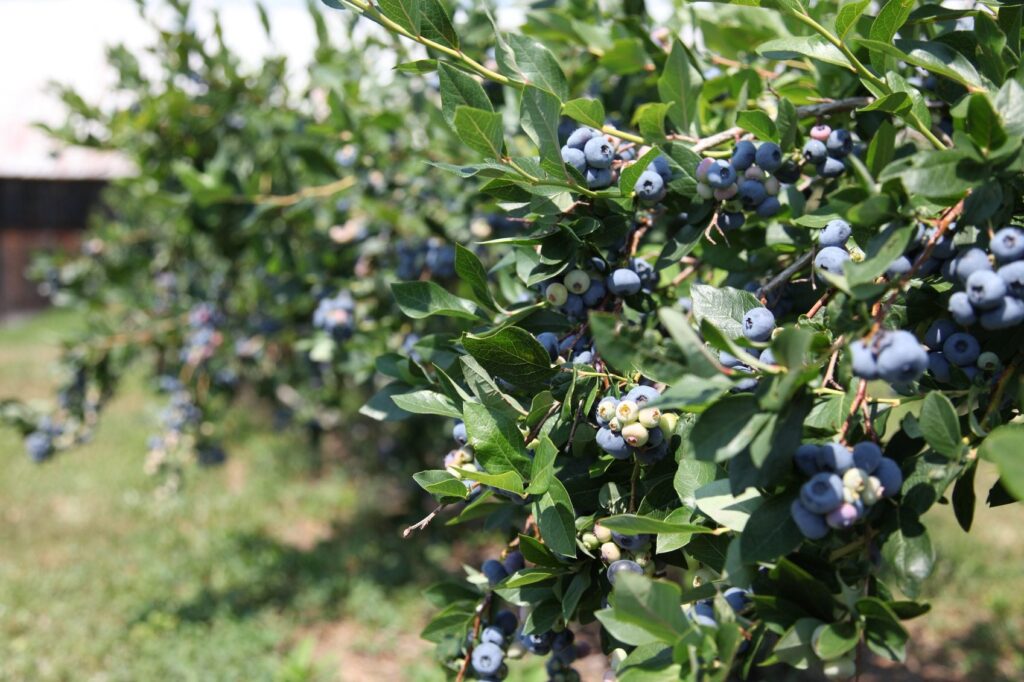
Whether you already have some growing or want to introduce them, here’s how to create the perfect habitat for these rugged little shrubs.
1. Choose the Right Spot
Wild blueberries thrive in full sun to partial shade. If your front yard gets at least six hours of sunlight a day, you’re set. They prefer slightly acidic soil with good drainage—pH between 4.0 and 5.5 is ideal.
Avoid areas with heavy clay or poor drainage. They naturally grow on slopes, rocky ridges, or sandy soils—so a slightly elevated bed or mound can mimic their preferred environment.
2. Prepare the Soil
Blueberries love acidic soil. If your soil is neutral or alkaline, you can amend it before planting. Mix in:
- Peat moss or pine needles to lower pH
- Compost made from oak leaves or bark
- A bit of elemental sulfur, if needed, to maintain acidity
Test your soil every couple of years to ensure it stays in the right range.
3. Planting Wild Blueberries
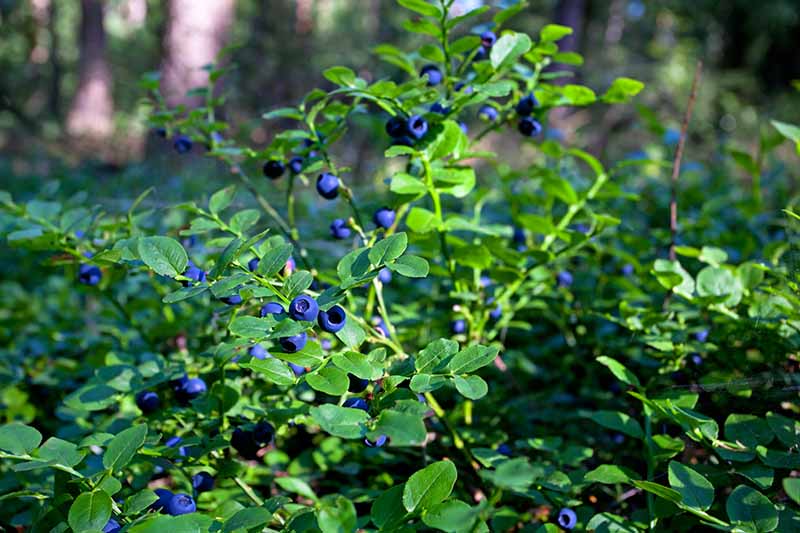
You can start with nursery-bought lowbush blueberry plants, or carefully transplant wild ones from a nearby area (where it’s legal and sustainable to do so).
Space the plants about 1 to 2 feet apart—over time, they’ll spread to form a dense, low mat. Plant them at the same depth they were growing before, and water well after planting.
Mulch with pine needles, wood chips, or leaf litter to keep roots cool and suppress weeds. Avoid using lime or manure—they can raise the soil’s pH too high.
4. Watering and Care
During the first year, keep the soil consistently moist but not waterlogged. Once established, wild blueberries are fairly drought-tolerant.
They don’t need heavy fertilizing; in fact, too much nitrogen can harm them. If the plants look pale or grow poorly, use a fertilizer designed for acid-loving plants like azaleas or rhododendrons—preferably organic and slow-release.
5. Pruning and Maintenance
Wild blueberries naturally renew themselves through underground rhizomes, but light pruning helps maintain vigor. Every few years, cut back about one-third of the oldest stems in late winter or early spring. This encourages new shoots and keeps berry production strong.
If your patch becomes dense, gently thin it out to improve air circulation and reduce fungal disease risk.
Growing in Containers or Raised Beds
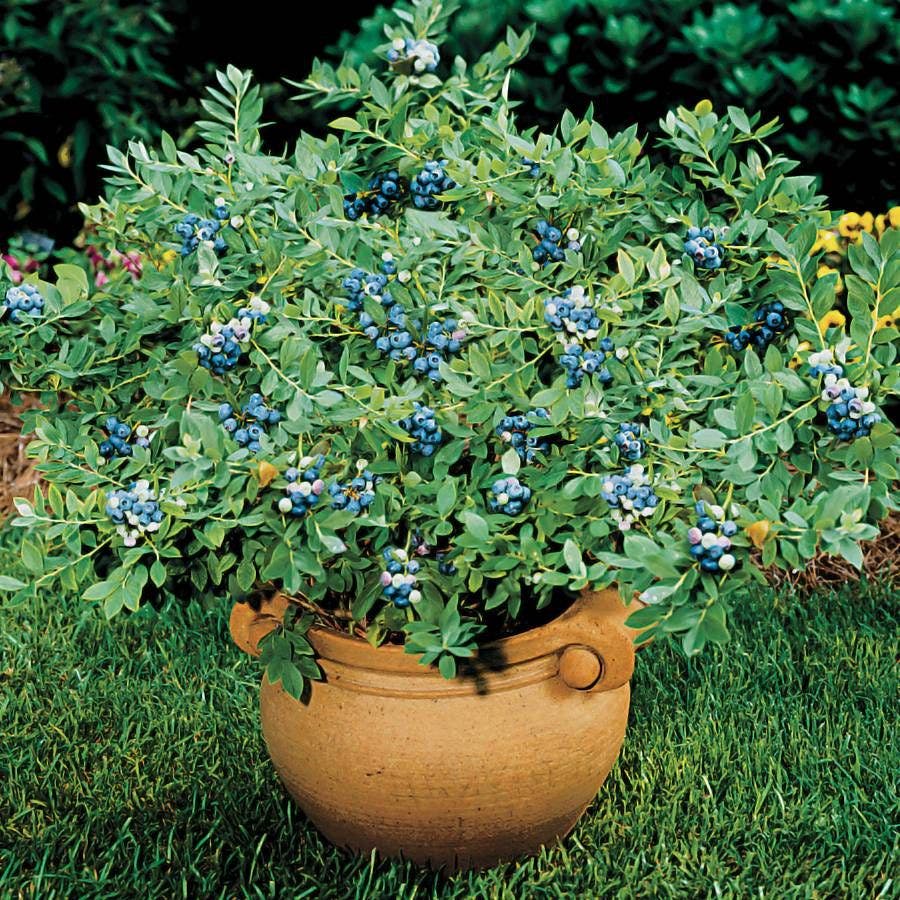
If your soil is too alkaline or space is limited, you can still enjoy wild blueberries in pots or raised beds. Use large containers (at least 12 inches deep) with acidic potting mix and good drainage. Terracotta or resin pots work well.
Water regularly and mulch the surface to retain moisture. In cold climates, move pots to a sheltered spot in winter or insulate them with straw or mulch to protect the roots.
Harvesting and Enjoying Your Berries
When midsummer arrives and the berries turn deep blue, it’s harvest time. The best indicator of ripeness is the ease of picking—if they roll off easily into your hand, they’re ready.
Eat them fresh, scatter them over cereal, bake them into muffins, or freeze them for smoothies and desserts later in the year. Even a small patch of wild blueberries can yield enough for daily handfuls during the season.
And perhaps the most rewarding part? Watching birds and bees share in the harvest. You’ll often spot robins, thrushes, and even butterflies drawn to the berries and flowers.
Companion Plants for a Natural Look
To make your front yard even more inviting, pair wild blueberries with other native and low-maintenance plants that thrive in similar conditions. Consider:
- Creeping thyme or moss as groundcover between plants
- Native ferns for texture and contrast
- Azaleas or rhododendrons for layered structure
- Wildflowers like goldenrod, coneflower, or asters for color through the seasons
This creates a naturalistic design that looks intentional but feels wild and welcoming.
Caring for the Ecosystem You Create
Growing wild blueberries isn’t just about producing fruit—it’s about nurturing life. Every flower feeds pollinators; every berry supports birds. By allowing these native plants to flourish in your front yard, you’re helping rebuild a small piece of habitat that urban and suburban development often erases.
Avoid pesticides and herbicides whenever possible. Hand-pull weeds, encourage beneficial insects, and let nature balance itself. You’ll find that your yard soon buzzes with activity—bees, butterflies, songbirds—all drawn by your living berry patch.
Final Thoughts
Wild blueberry plants in the front yard are more than a gardening experiment—they’re a celebration of nature’s resilience and generosity. They turn ordinary spaces into vibrant, living ecosystems that feed body and soul alike.
Whether you stumbled upon them by chance or decided to plant them intentionally, tending wild blueberries is a small act of stewardship—a way to bring the wild home. Their silver leaves, scarlet fall color, and jewel-like fruit remind us that beauty and abundance can thrive side by side, even in the most familiar of places.
So next time you step out your front door, take a look at that patch of green near your walkway or under your window. With a little attention and care, it might just become your own wild blueberry haven.