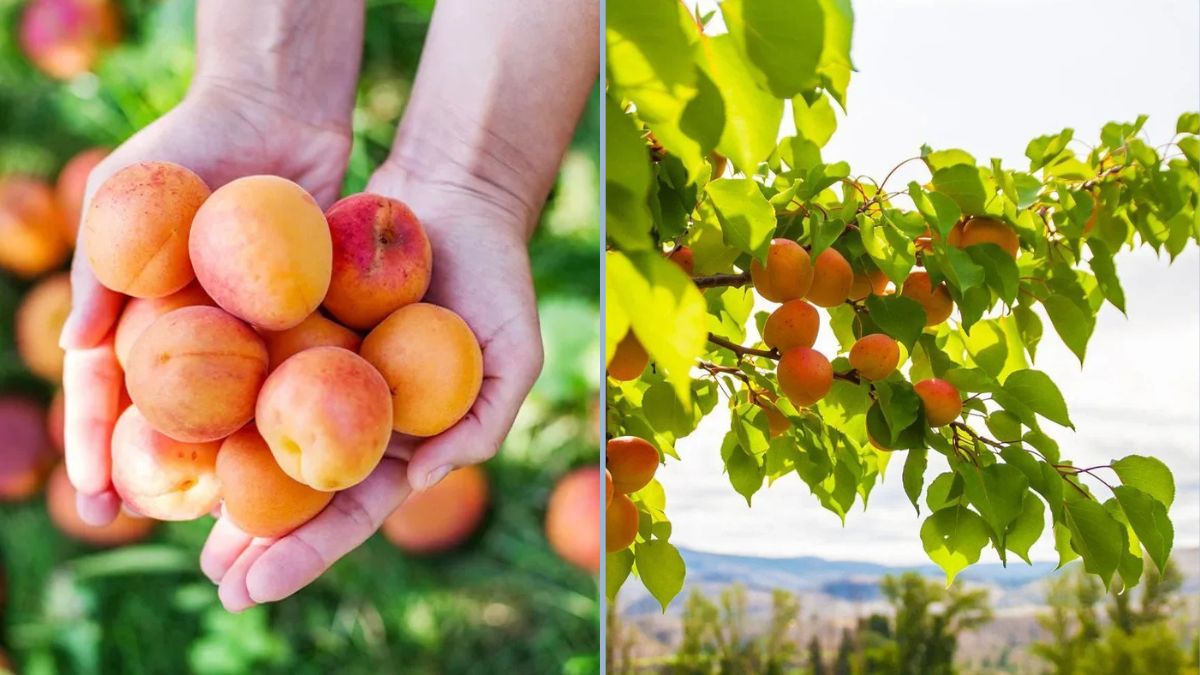
There’s a special kind of excitement that comes with the apricot harvest — the moment when months of care, pruning, watering, and watching finally culminate in the golden fruits that symbolize the warmth of summer. Among the many apricot varieties grown around the world, one stands out for its flavor, fragrance, and timeless charm: the Moorpark apricot.
In this post, we’ll explore the story, cultivation, and harvest of the Moorpark apricot — one of the oldest and most cherished varieties in history. We’ll dive into how to tell when your apricots are ready to pick, how to handle them properly, and what makes this variety so special for gardeners and fruit lovers alike.
The Legendary Moorpark Apricot
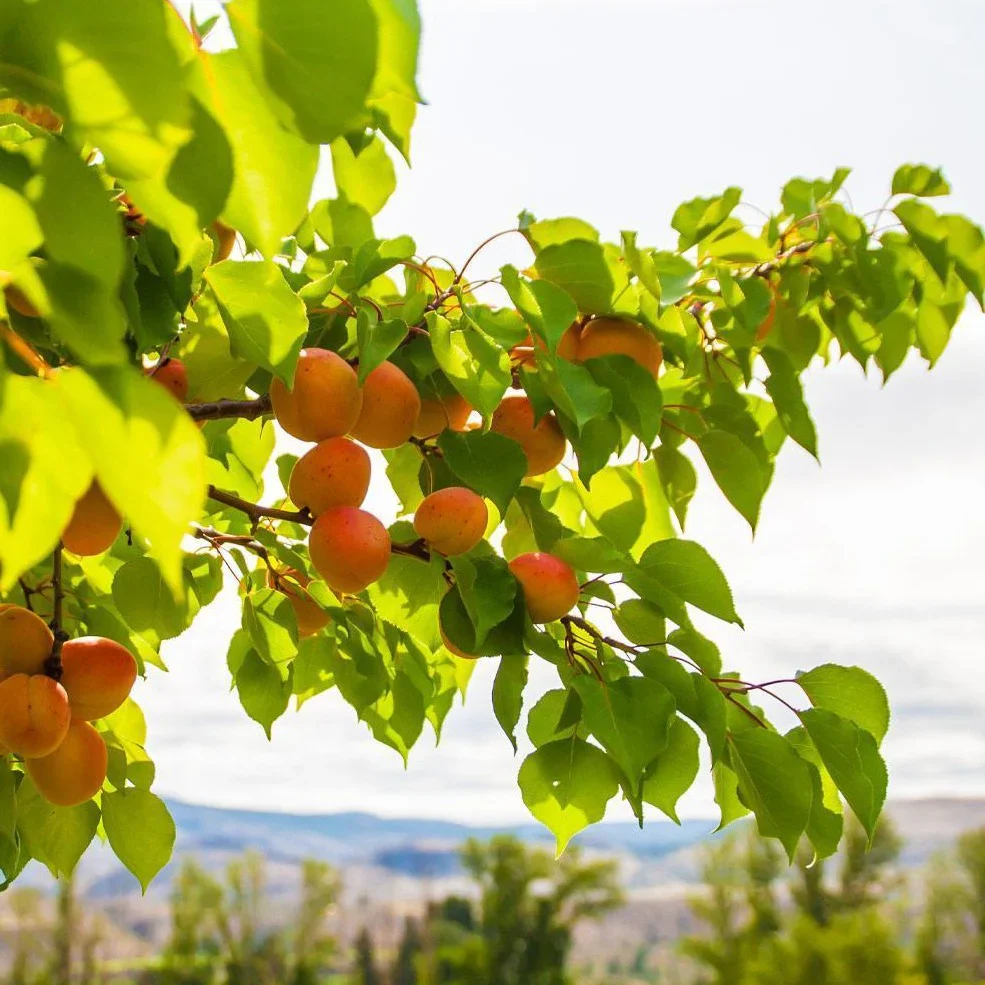
The Moorpark apricot isn’t just another fruit tree — it’s a variety with centuries of history. Believed to have originated in England during the 17th century, the Moorpark was one of the first apricots to be widely cultivated across Europe and later introduced to North America, where it quickly became a favorite in home orchards.
What sets Moorpark apart is its intense flavor — sweet and rich with just the right hint of tartness. The fruit has a deep golden-orange color, sometimes blushed with red where the sun hits most strongly. Inside, the flesh is juicy and aromatic, with that unmistakable apricot fragrance that fills the air as soon as the fruit ripens on the branch.
Gardeners love the Moorpark not only for its taste but also for its reliability. It’s a self-pollinating variety, which means you can plant a single tree and still enjoy a full harvest. It thrives in temperate climates, tolerates cold winters, and produces heavily once established — though it rewards patience, as it may take three to four years to begin fruiting generously.
The Joy of the Apricot Harvest Season
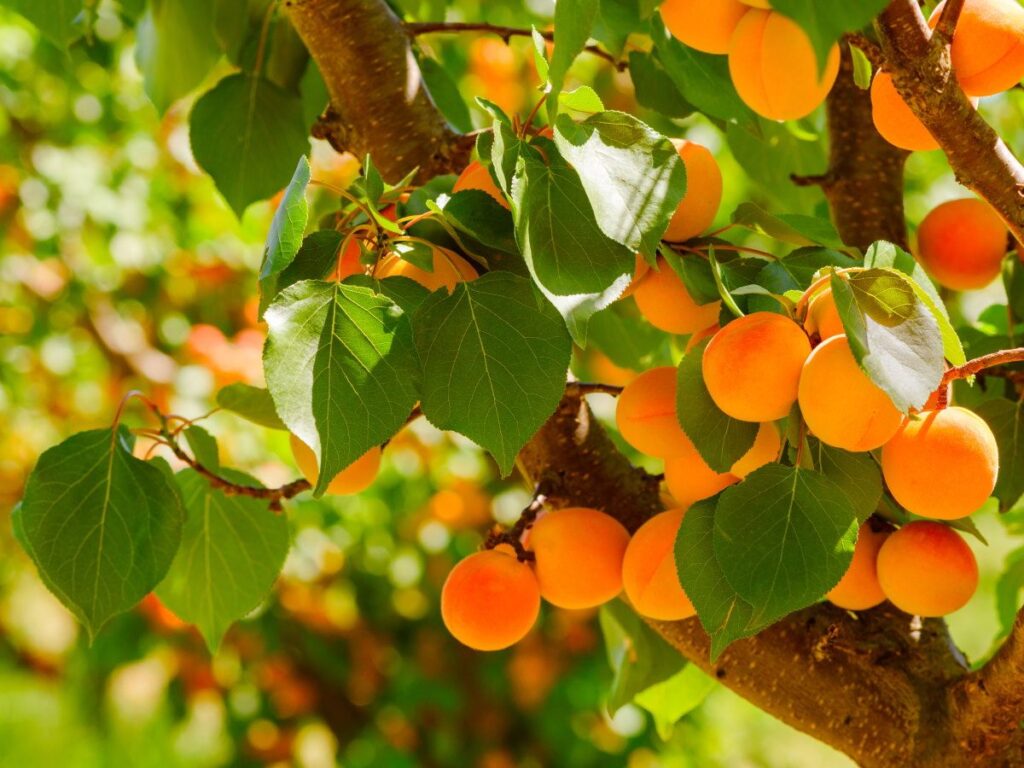
By late spring or early summer — depending on your region — apricot trees become the stars of the garden. Their soft, green leaves shimmer in the sun, and clusters of orange-gold fruits begin to blush and ripen.
The harvest window for Moorpark apricots is usually from late June to early August, though this varies with climate and elevation. The key is to harvest at the perfect moment: when the fruit has developed full color, a slight give to the touch, and a sweet aroma that signals peak ripeness.
Unlike some other fruits, apricots continue to ripen slightly after being picked, but for the best flavor, it’s always worth waiting until they’re truly ready on the tree.
How to Know When Moorpark Apricots Are Ready to Pick
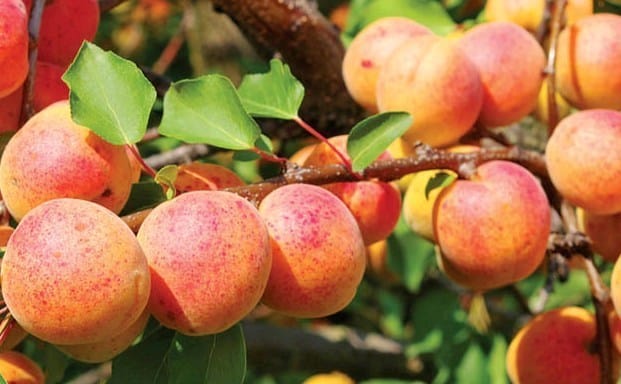
Getting the timing right is essential for a successful apricot harvest. Pick too early, and the fruit will lack sweetness and aroma. Wait too long, and it may soften excessively or fall before you can gather it.
Here’s how to tell your Moorpark apricots are ready to harvest:
- Color: The fruit turns from pale yellow to a rich, deep golden-orange, often with a rosy blush on the sunny side.
- Touch: Gently press the fruit — it should yield slightly but still feel firm.
- Ease of Detachment: Ripe apricots will come off easily with a slight twist. If they resist, give them a few more days.
- Aroma: The fragrance intensifies as the fruit ripens; ripe Moorparks have a sweet, floral scent that’s hard to miss.
Harvest in the morning when temperatures are cooler, and handle the fruits gently to prevent bruising. Place them in shallow trays rather than piling them up — apricots bruise easily, and even light pressure can damage them.
Post-Harvest Care: Handling and Storage
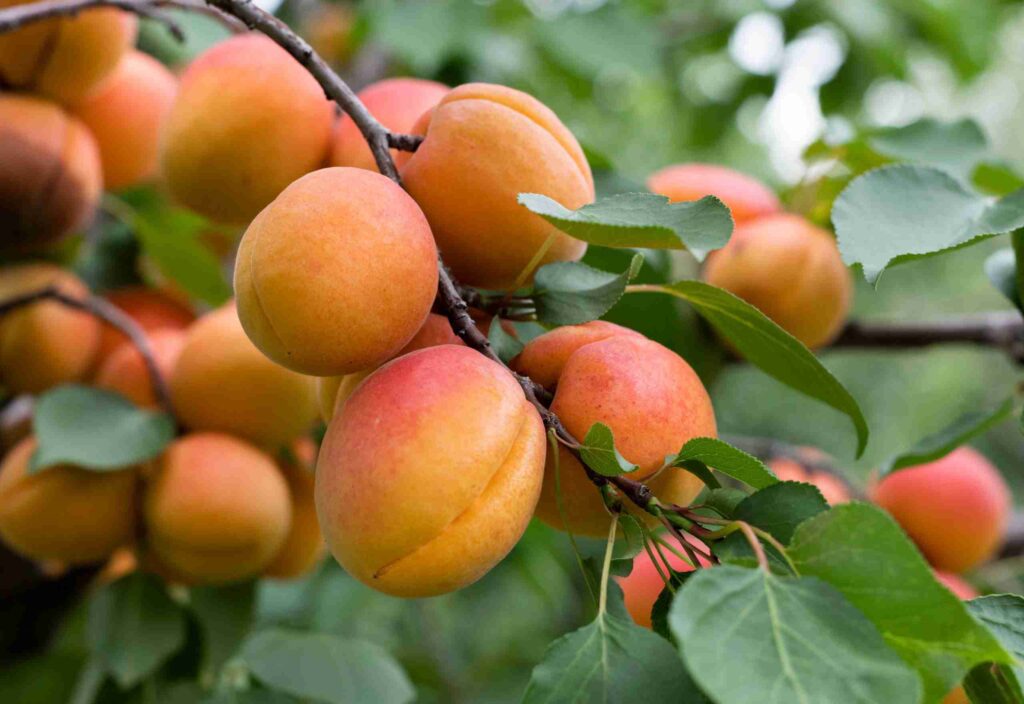
Freshly picked apricots are delicate. They don’t have the thick skins or firm texture of other stone fruits like plums, so careful handling is key.
Here’s how to make the most of your harvest:
- Sort immediately. Separate fully ripe fruit from those that are slightly under-ripe.
- Refrigerate for longevity. Ripe apricots can last up to a week in the refrigerator. Keep them in a breathable container — not a sealed plastic bag — to avoid moisture buildup.
- Ripen at room temperature. Slightly firm apricots will ripen perfectly within a few days if kept on the counter, out of direct sunlight.
If you have a large harvest, consider preserving them — Moorpark apricots are exceptional for drying, canning, and making jams. Their high sugar content and strong flavor mean they hold up beautifully even after processing.
Why Gardeners Love the Moorpark Variety
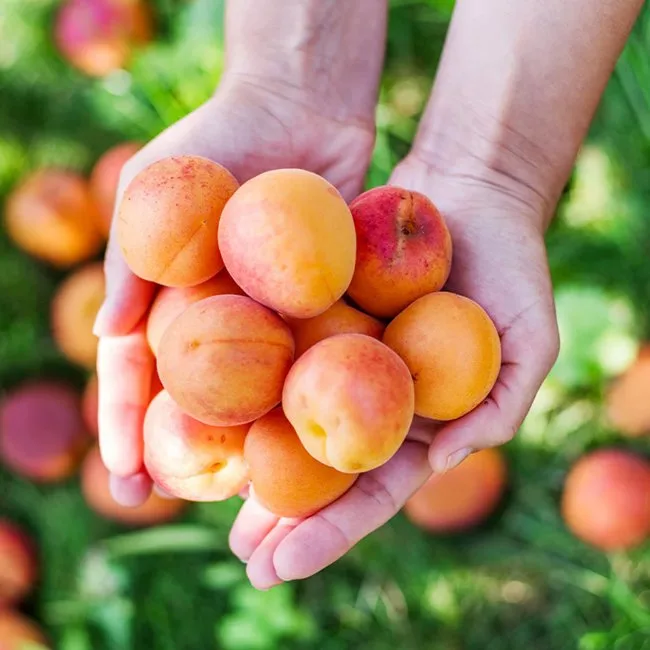
There are many modern apricot cultivars bred for commercial use — early ripening, disease resistance, or transportation durability. But among home growers and orchard enthusiasts, the Moorpark holds a special place.
Here’s why:
- Superior flavor: The rich, honeyed sweetness with a hint of tartness is unparalleled.
- Old-world charm: It’s a heritage variety, connecting today’s gardeners with centuries of fruit-growing tradition.
- Excellent for preserving: Ideal for jams, chutneys, or dehydrating into chewy, flavorful dried apricots.
- Self-fertile: You don’t need multiple trees for pollination — one is enough to produce a great harvest.
Moorparks are, however, known for being slightly more sensitive to weather conditions during flowering than some newer varieties. Late frosts or heavy spring rains can affect fruit set, but when the season cooperates, the yield and flavor are outstanding.
Caring for Your Apricot Tree Before Harvest
A successful harvest doesn’t start in summer — it begins months earlier. To ensure your Moorpark apricot tree produces abundant, high-quality fruit, here are a few care essentials:
1. Pruning
Prune in late winter to remove dead wood and shape the tree into an open “vase” form that lets light reach the inner branches. Apricots fruit on short spurs, which can remain productive for several years, so avoid heavy pruning that removes too many fruiting shoots.
2. Feeding
Apricots benefit from regular feeding in early spring and after harvest. Use a balanced fertilizer or organic compost rich in potassium and phosphorus to support fruit development.
3. Watering
Consistent moisture is key — especially during fruit formation. Deep watering once a week encourages strong root growth. Avoid letting the soil dry out completely or stay waterlogged.
4. Pest and Disease Management
Watch for aphids, fruit moths, and fungal diseases like brown rot or shot hole. Good airflow, proper spacing, and regular inspection keep these problems at bay.
5. Mulching
Apply mulch around the base of the tree to conserve moisture, suppress weeds, and regulate soil temperature. Avoid piling mulch directly against the trunk.
Enjoying the Harvest: From Tree to Table
The Moorpark apricot’s versatility in the kitchen makes it a joy to harvest. Once picked, the fruits can be enjoyed fresh, baked, preserved, or dried for later use.
Here are some delicious ways to enjoy your Moorpark harvest:
- Fresh eating: Slice and serve chilled apricots as a healthy snack or in fruit salads.
- Jams and preserves: Moorparks have natural pectin and deep flavor, making them ideal for homemade jam.
- Baking: Use them in tarts, pies, or upside-down cakes for a rich, caramelized flavor.
- Drying: Slice and dry them for chewy, sweet snacks that capture summer’s essence.
- Sauces and chutneys: Pair apricots with ginger, cinnamon, or chili for savory-sweet preserves that complement cheese or grilled meats.
The fruit’s soft texture and concentrated sweetness mean it shines in any dish — from rustic desserts to refined confections.
The Rhythm of Nature: Lessons from the Harvest
Harvest time is more than just the act of picking fruit — it’s a reflection of the year’s work, the weather’s moods, and nature’s rhythms. With each golden apricot gathered, you’re not just collecting food, but moments of patience, care, and quiet observation.
The Moorpark apricot teaches gardeners a valuable lesson: that true reward takes time. These trees demand attention — pruning in the cold, protection from frost, and faith that the blossoms will turn into fruit. But when the harvest arrives, it’s pure joy — sweet, fragrant, and worth every moment of effort.
Final Thoughts: A Celebration of the Moorpark Apricot
As the sun warms the orchard and branches bend under the weight of golden fruit, the Moorpark apricot stands as a timeless symbol of nature’s generosity. Its flavor, history, and beauty continue to inspire gardeners year after year.
Whether you have a single tree in your backyard or a small orchard, the arrival of apricot season marks a celebration — of patience rewarded, of flavors that can’t be bought in stores, and of the simple pleasure of growing something with your own hands.
When the apricot harvest is at hand, take time to savor it. Taste the sweetness of your effort, share the fruits with family and friends, and remember that in each golden apricot lies the sunshine of an entire season.