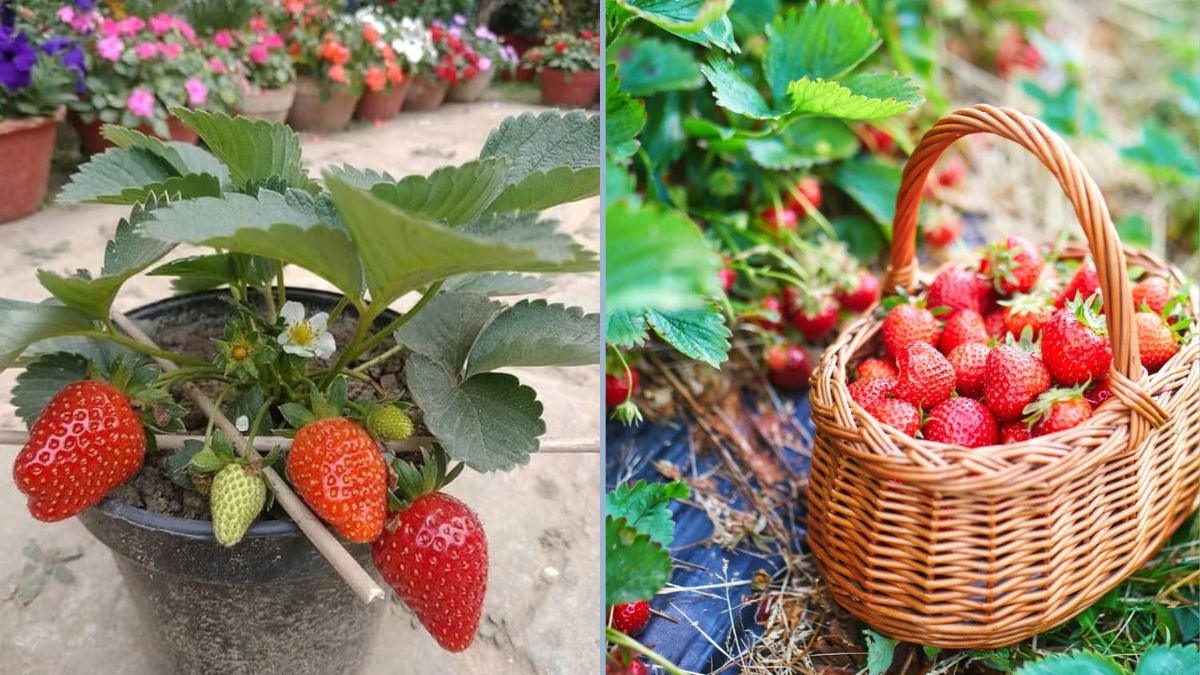
Few fruits capture the sweetness of summer like a freshly picked strawberry. Juicy, aromatic, and vibrant red, strawberries are the heart of every garden harvest. But not all strawberries are created equal. Among the many varieties available, one name stands out for size, flavor, and reliability — the Chandler strawberry.
Developed for commercial growers but adored by home gardeners, the Chandler variety produces large, glossy berries bursting with old-fashioned strawberry sweetness. They’re big, beautiful, and perfect for both fresh eating and preserving. Whether you’re a seasoned grower or planting strawberries for the first time, Chandler strawberries are a variety worth making space for.
In this post, we’ll explore everything you need to know about growing Chandler strawberries — from planting and care tips to harvesting and enjoying these big, delicious gems.
The Story Behind the Chandler Strawberry
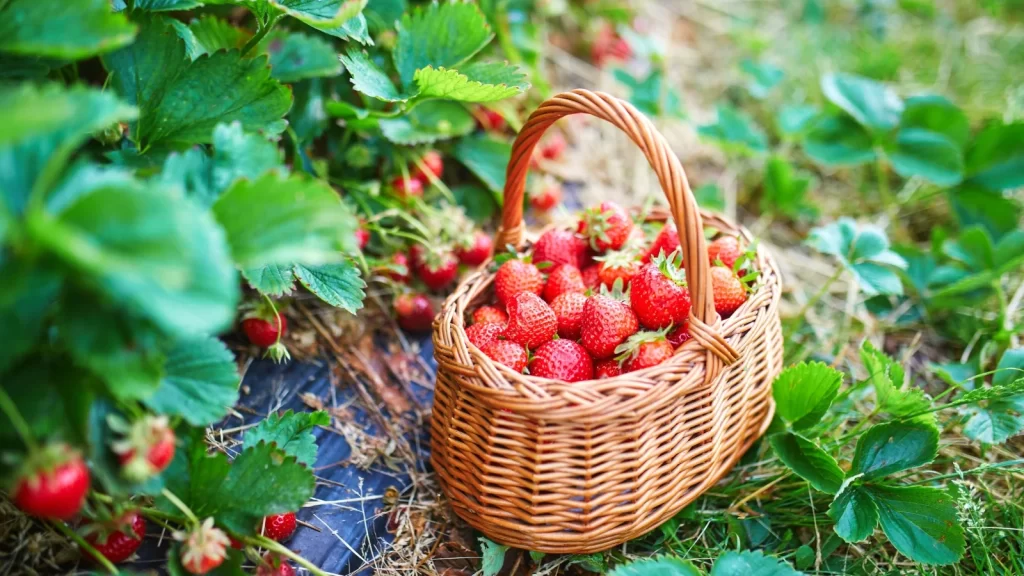
The Chandler strawberry was developed by researchers at the University of California, Davis, in the early 1980s as part of a breeding program aimed at improving yield, disease resistance, and flavor. It quickly became one of the most popular varieties grown in California’s fertile valleys, especially for the fresh market.
While newer commercial varieties have emerged, Chandler has remained a favorite among home gardeners for one simple reason: taste. It has that classic strawberry flavor — rich, sweet, and slightly tangy — that many modern varieties have lost in pursuit of longer shelf life.
The fruit itself is striking: large, heart-shaped, and deep red all the way through, with firm yet juicy flesh. When fully ripe, it shines like a jewel in the sun — the kind of berry that looks as good as it tastes.
Why Choose the Chandler Variety
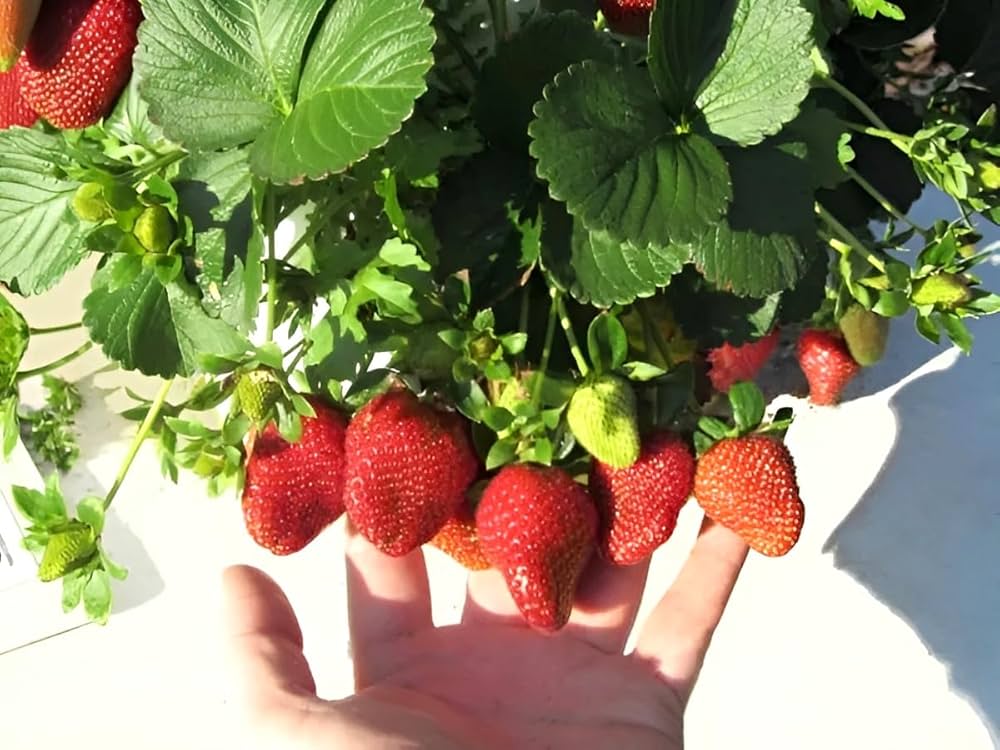
If your goal is to grow big, flavorful strawberries, Chandler delivers on every front. Here’s what makes it so special:
1. Exceptional Flavor
Chandler strawberries have a balanced sweetness and mild acidity that gives them a deep, old-fashioned strawberry taste — not too sugary, not too tart, just perfectly fresh.
2. Impressive Size
With proper care, Chandler berries can grow remarkably large — often over an inch wide — while maintaining a firm, juicy texture.
3. Heavy Yields
A mature Chandler patch can produce generous harvests, with fruit forming in clusters throughout the season.
4. Versatility
These strawberries are ideal for fresh eating, freezing, or preserving. They hold their shape in jams, pies, and desserts without becoming mushy.
5. Adaptable Growth
Chandler strawberries thrive in a wide range of climates, performing best in temperate zones but capable of producing good results in slightly warmer or cooler areas with the right care.
Understanding the Chandler Growth Habit
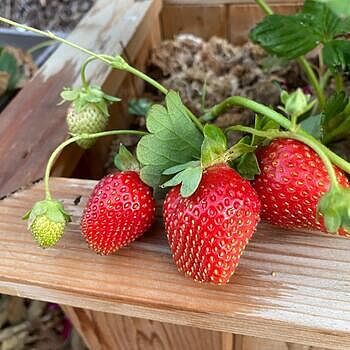
Chandler strawberries are classified as June-bearing, meaning they produce one large crop per year — usually in late spring or early summer, depending on your climate. During this time, the plants put all their energy into a single, spectacular flush of fruit.
After the main harvest, they focus on producing runners (baby plants that grow from the mother plant). These runners can be rooted to expand your strawberry bed or shared with fellow gardeners.
Because Chandler is a June-bearer, it’s a great choice if you want a concentrated, high-volume harvest — perfect for making jams, desserts, or freezing berries in bulk.
How to Grow Chandler Strawberries
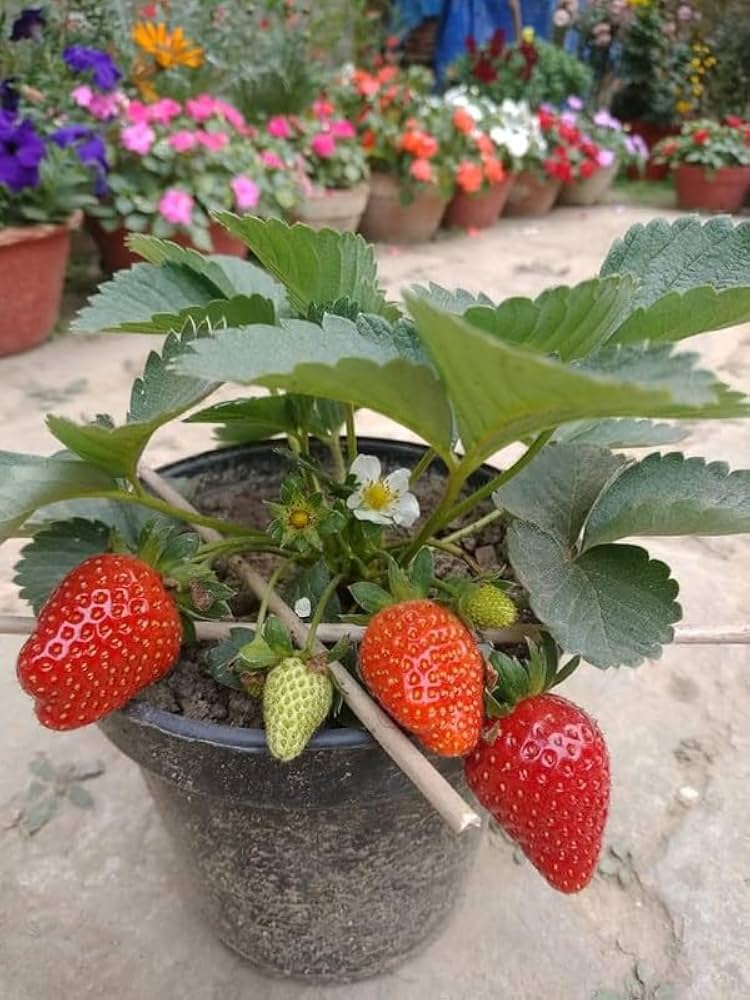
Growing Chandler strawberries successfully comes down to creating the right conditions — sunlight, soil, and steady moisture. Once established, they’re surprisingly low-maintenance and rewarding.
1. Choosing a Planting Site
Strawberries need full sun — at least 6–8 hours of direct light daily. Choose a spot that drains well, as soggy soil can lead to root rot.
If your garden has heavy clay soil, consider planting in raised beds or containers to improve drainage.
2. Soil Preparation
Chandlers prefer slightly acidic soil (pH 5.5–6.5) that’s rich in organic matter. Before planting, work in compost or aged manure to build fertility and structure.
A light, fluffy soil texture allows roots to grow freely and encourages strong runner production.
3. Planting Time
Plant Chandler strawberries in early spring, as soon as the ground is workable. In warmer regions, they can also be planted in late fall for an earlier crop the following year.
When planting:
- Space plants 12–18 inches apart in rows about 2–3 feet apart.
- Make sure the crown (where the leaves meet the roots) sits just above the soil surface.
- Water well after planting to help roots establish.
4. Watering
Consistent moisture is essential, especially during flowering and fruiting. Strawberries have shallow roots that dry out quickly, so water deeply 1–2 times per week, or more during hot spells.
Avoid overhead watering, which can promote fungal diseases. Instead, use drip irrigation or a soaker hose to keep leaves dry while hydrating the soil.
5. Mulching
A thick layer of straw, pine needles, or wood chips around the plants helps:
- Retain soil moisture
- Keep fruit clean
- Suppress weeds
- Protect roots from temperature extremes
Mulching is especially important for Chandler strawberries since their large fruits rest close to the ground.
Fertilizing for Big, Sweet Berries
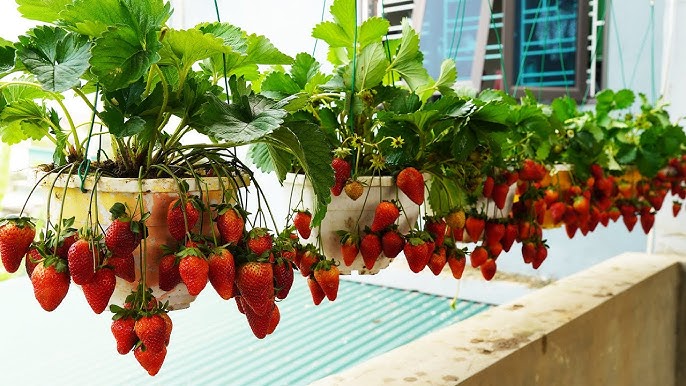
Strawberries are heavy feeders, and Chandlers are no exception. For the biggest, juiciest berries, feed your plants regularly.
- Before planting: Work compost or a slow-release organic fertilizer into the soil.
- During the growing season: Use a balanced fertilizer (such as 10-10-10 or organic compost tea) every 4–6 weeks.
- After harvest: Apply a light feeding to replenish nutrients and support new growth.
Avoid over-fertilizing with nitrogen, which promotes leafy growth at the expense of fruit size and sweetness.
Pruning and Runner Management
After your main harvest, you’ll notice your plants sending out runners — long stems with baby plants at the ends. These are your future strawberry plants.
You have two options:
- Let them root naturally around the bed to expand your patch.
- Trim and transplant them into new areas or containers.
Every 2–3 years, it’s wise to renovate your strawberry patch by removing old plants and replanting younger, more productive runners. This keeps yields high and prevents disease buildup.
Pest and Disease Tips
Chandler strawberries are moderately resistant to common problems, but no plant is entirely immune. Keep an eye out for:
- Slugs and snails: Use copper tape, diatomaceous earth, or organic bait around plants.
- Birds: Netting over the bed will protect your ripe fruit from hungry visitors.
- Fungal diseases: Ensure good airflow, avoid wet foliage, and rotate beds every few years.
Healthy plants grown in rich, well-drained soil rarely experience major issues.
Harvesting Chandler Strawberries
When the first fruits turn fully red — from tip to stem — it’s time to harvest. Chandler strawberries ripen over several weeks, usually from late May through June, depending on your region.
Pick berries every two to three days, choosing only fully ripe ones for the best flavor. The fruit doesn’t continue to ripen after picking, so patience pays off!
Use scissors or pinch stems gently to avoid damaging the delicate crowns.
Once harvested, strawberries are best enjoyed fresh from the garden — but Chandlers also freeze beautifully. Lay them on a baking sheet to freeze individually before transferring them to bags for long-term storage.
Enjoying Chandler Strawberries
The flavor of a freshly picked Chandler strawberry is hard to describe — sweet, juicy, and filled with the fragrance of summer. These berries shine in both simple and decadent recipes:
- Toss them with cream or yogurt for a fresh dessert.
- Blend into smoothies or milkshakes.
- Slice over pancakes or waffles.
- Make classic strawberry jam that captures their sweetness for months.
- Dip them in chocolate for a special treat.
Because they’re large and firm, Chandler strawberries also hold up beautifully in baked goods like tarts and shortcakes.
Why Chandler Strawberries Deserve a Place in Every Garden
If you’re looking for a variety that offers both size and flavor, the Chandler strawberry is a standout choice. It combines the old-fashioned sweetness gardeners love with the reliability needed for successful home harvests.
With a little care — rich soil, steady watering, and sunshine — you’ll be rewarded with bowls full of big, red fruit that make every effort worthwhile.
Even after decades on the market, Chandler remains one of the most trusted varieties for a reason: it delivers what every gardener wants — abundance, beauty, and delicious flavor straight from the garden.
Final Thoughts: Big, Sweet Success
Growing Chandler strawberries is more than a gardening project — it’s an invitation to slow down, nurture something, and savor the reward of your effort. From the first blossoms in spring to the last sun-warmed berry in summer, the journey is pure joy.
Each harvest reminds us why we garden: to connect with the earth, to share something delicious with loved ones, and to celebrate the taste of homegrown goodness.
So if you’re dreaming of strawberries that are truly big and delicious, plant Chandler — and get ready for a season of sweetness you’ll never forget.