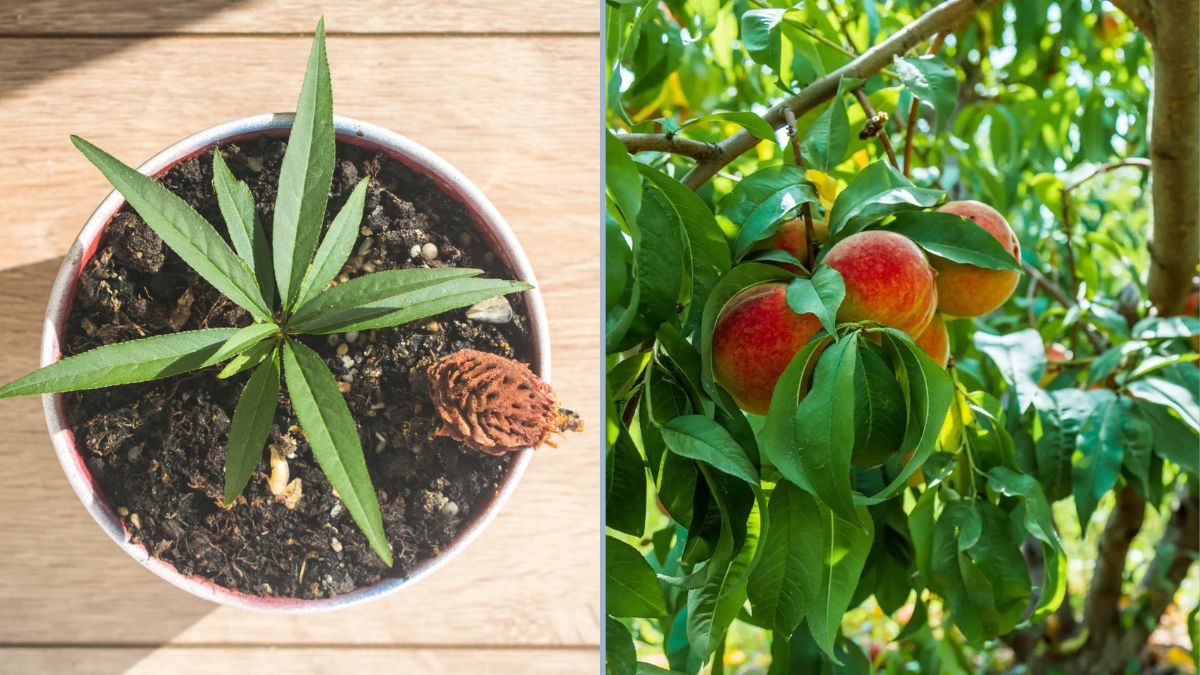
There’s something truly magical about watching life emerge from a single seed — and few things capture that better than growing a Donut Peach tree (also known as the Saturn Peach) from a pit. The viral “Growing a Donut Peach Tree from Seed Time Lapse” video beautifully captures this transformation, showing a humble seed cracking open, sprouting roots, and eventually growing into a healthy young tree.
This blog post explores the process step by step — from selecting your seed to nurturing your first leaves. You’ll learn about the Donut Peach’s unique characteristics, the patience required for seed-grown fruit trees, and how to give your little peach tree the best start possible.
What Is a Donut Peach?
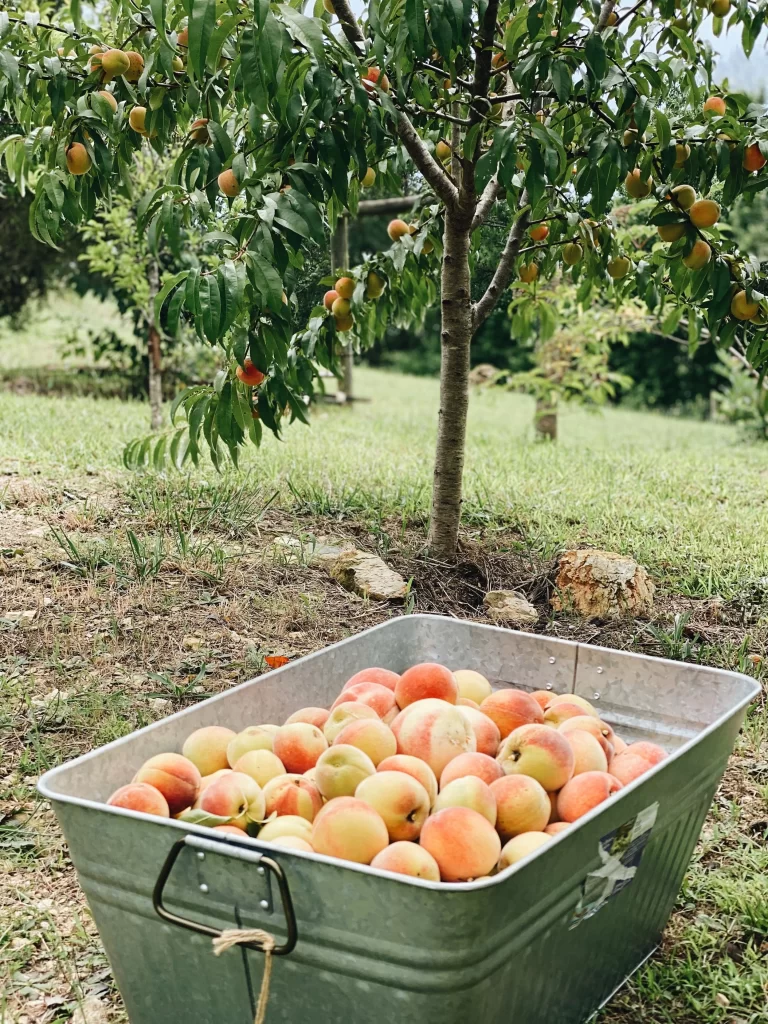
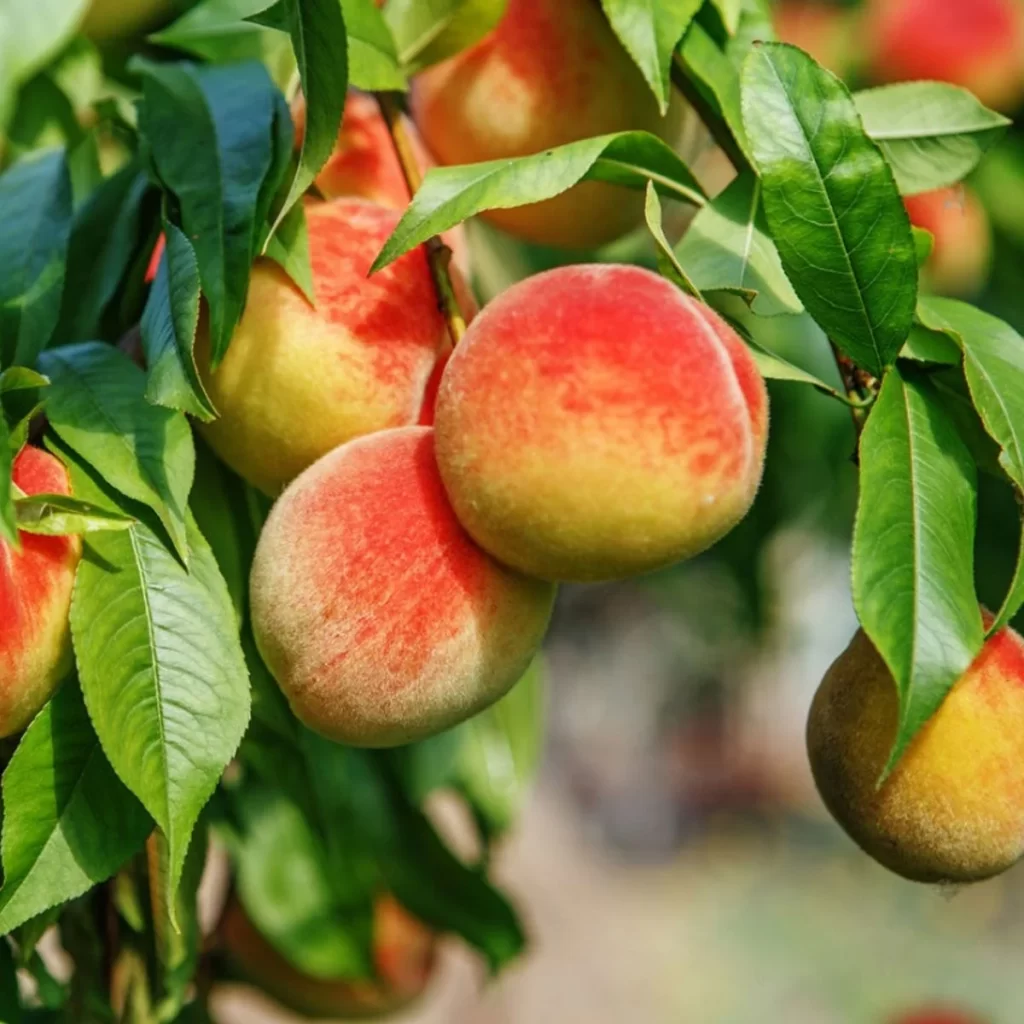
The Donut Peach, sometimes called the Saturn Peach, is a distinctive variety that’s instantly recognizable for its flat, disc-like shape — a bit like a doughnut. It’s not a modern novelty, though; this shape has ancient roots, having been cultivated in China for centuries.
Unlike traditional round peaches, the Donut Peach has:
- A flattened shape with a small pit in the center.
- Pale yellow or white flesh that’s sweeter and more aromatic than regular peaches.
- Thin skin and low fuzz, which makes it more pleasant to eat fresh.
- High sugar content, giving it an almost honeyed flavor with mild acidity.
Because of its unique look and incredible sweetness, this peach variety has become a favorite in both home gardens and farmers’ markets.
Why Grow a Donut Peach Tree from Seed?
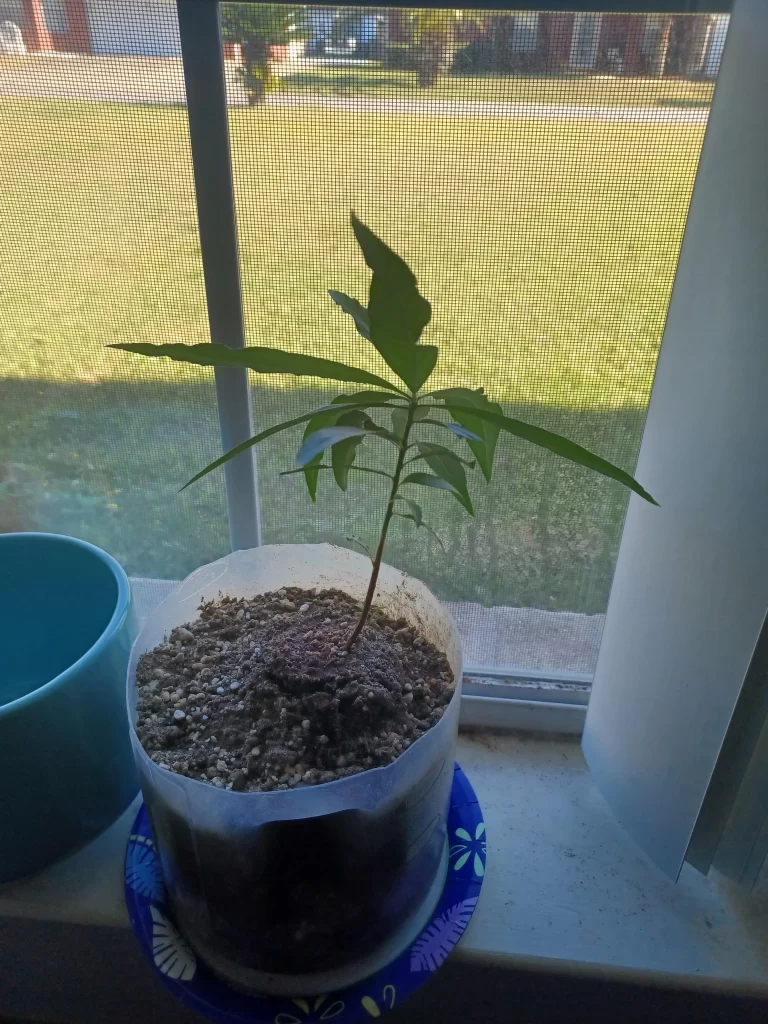
Most fruit trees are grafted, meaning they’re cloned from a mature, fruit-bearing variety to ensure predictable results. Growing from seed is more of an adventure — full of surprises and challenges — but it also comes with a deep sense of reward.
Here’s why people love doing it:
1. The Experience of Creation
There’s something deeply satisfying about watching a seed you planted burst into life. You’re part of a natural process that’s both ancient and miraculous.
2. A Fun Learning Project
If you’re into gardening, botany, or simply curious about how trees grow, starting from seed is a fascinating experiment. It’s a great project for families or anyone who enjoys watching slow, steady progress.
3. It’s Free!
One of the best reasons to try it is simple — all you need is a peach pit from a fruit you already enjoyed.
That said, it’s important to manage your expectations: seed-grown trees don’t always produce fruit identical to the parent. They can take three to five years (or more) to mature, and the fruit may vary in flavor or size. Still, the journey itself makes the effort worthwhile.
How to Grow a Donut Peach Tree from Seed
Here’s the step-by-step process — the same journey captured in the time-lapse video, showing the transformation from pit to sapling.
Step 1: Save and Clean the Pit
After enjoying your Donut Peach, save the pit. Wash off any remaining fruit flesh and allow it to dry for a few days in a cool, shaded area.
Some gardeners prefer to carefully crack the pit open to extract the almond-like seed inside. This can help speed up germination but must be done carefully so you don’t damage the seed inside.
Step 2: Stratify the Seed
Peach seeds require a period of cold dormancy — called stratification — to trigger germination. This mimics winter conditions that tell the seed it’s safe to sprout.
Here’s how:
- Wrap the clean seed in a damp paper towel.
- Place it inside a plastic bag or airtight container.
- Store it in the refrigerator for 6–8 weeks.
- Keep the paper towel moist but not soggy during this time.
After a few weeks, the shell may crack, and you might notice a small white root emerging — a sign your seed is waking up.
Step 3: Planting the Germinated Seed
Once your seed has sprouted, it’s time to give it a home.
- Choose a small pot with good drainage holes.
- Fill it with light, well-draining soil — a mix of compost, perlite, and sand works well.
- Plant the seed about 2.5 cm (1 inch) deep, root side down.
- Water gently until the soil is evenly moist.
Place the pot in a sunny, warm spot. Peach trees thrive in full sunlight, so aim for at least six hours of direct light each day.
Step 4: Caring for Your Seedling
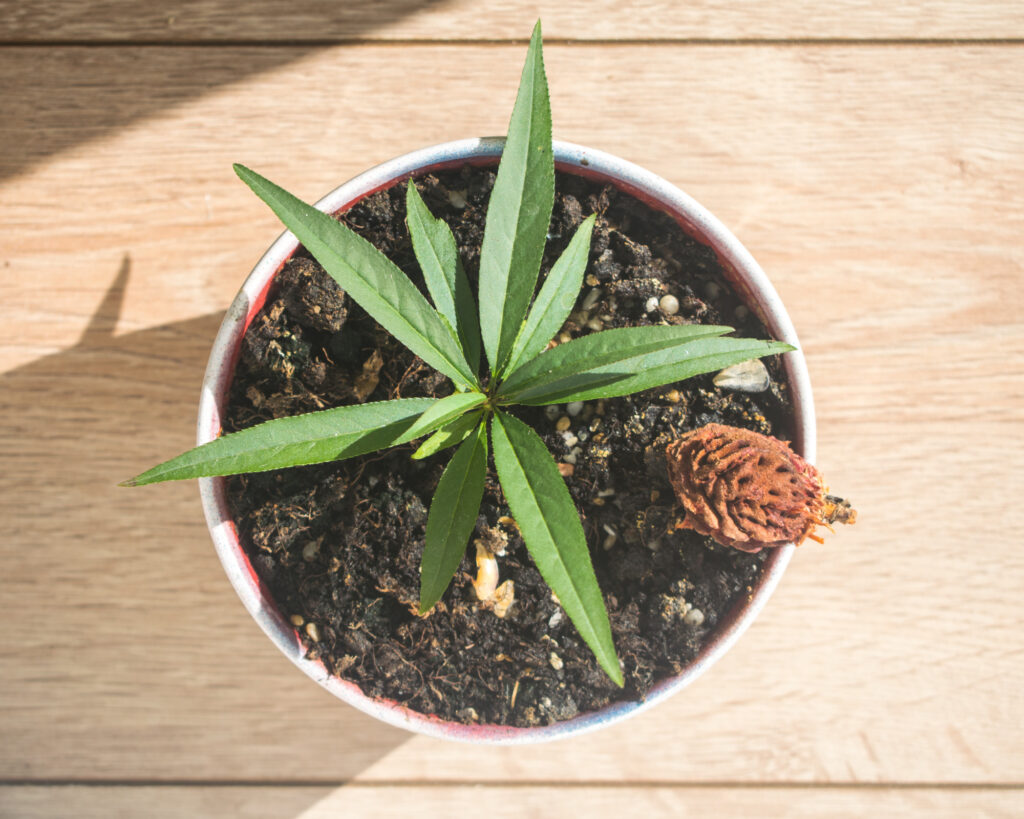
Once your Donut Peach seedling breaks the soil surface, you’ll see tiny green leaves unfold. This is the most exciting stage — your tree is officially alive!
Here’s how to care for it:
- Light: Ensure plenty of direct sunlight.
- Water: Keep the soil moist but not soggy; overwatering can rot young roots.
- Temperature: Keep it warm — peach seedlings prefer temperatures between 20–27°C.
- Fertilizer: Once the plant develops a few true leaves, you can begin feeding it with a diluted organic fertilizer or compost tea every few weeks.
If you’re growing in a container, consider repotting as the tree grows to allow for proper root expansion.
Step 5: Transplanting Outdoors
When the seedling reaches 20–30 cm tall and the weather is mild, you can transplant it outdoors. Choose a sunny, sheltered spot with well-drained soil. Avoid low-lying areas where water collects, as peaches dislike “wet feet.”
Dig a hole slightly larger than the root ball and plant your young tree at the same depth it was growing in its pot. Water thoroughly and add mulch around the base to retain moisture and regulate soil temperature.
Patience Pays Off: Waiting for Fruit
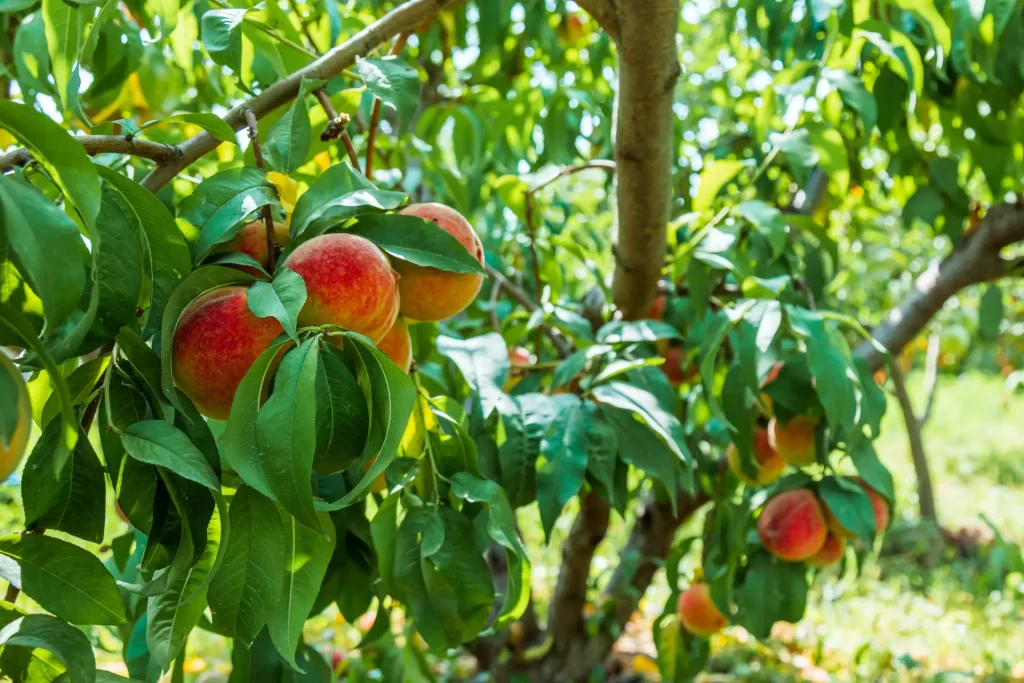
Here’s the truth: growing a Donut Peach tree from seed is not a fast process. You may wait several years before you see your first blossoms — and even longer before your first fruit.
Because this tree wasn’t grafted, it might produce fruit that’s slightly different from the original peach. The shape, size, or sweetness could vary — but that’s part of the adventure.
Even if your tree never produces perfect fruit, you’ll still have a beautiful ornamental plant that symbolizes patience, growth, and the wonder of nature.
Caring for a Mature Donut Peach Tree
Once established, your tree will need seasonal attention:
- Pruning: Trim branches each year to encourage airflow and fruiting.
- Thinning: When fruit begins to form, remove excess peaches to allow the rest to grow larger and sweeter.
- Pest Control: Watch for peach leaf curl, aphids, or fruit moths. Regular inspection and organic sprays can help manage these issues.
- Feeding: Apply compost or slow-release fertilizer in early spring and midsummer.
Donut peaches tend to bloom early in the season, making them vulnerable to late frosts. If you live in a cooler climate, consider protecting young blossoms with a frost cloth or garden fleece.
Tips for Warm-Climate Gardeners
If you live in a region with hot summers and mild winters (like northern India or southern U.S. states), Donut Peaches can still thrive with the right care:
- Choose low-chill peach varieties suited for warm climates.
- Provide afternoon shade for young trees during extreme heat.
- Water deeply but infrequently to encourage strong root systems.
- Protect young trees from heavy monsoon rains or standing water.
- Mulch generously to retain soil moisture and keep roots cool.
The Beauty of Growing from Seed
Watching a seed transform into a tree — even in a time-lapse — reminds us that growth takes time and care. What begins as a small, lifeless pit can become a thriving plant through patience, light, and attention.
Growing a Donut Peach tree from seed isn’t just about the end result — it’s about the process. The slow unfolding of roots, the tender emergence of leaves, the months of care and curiosity — all of it connects you to nature in a powerful, personal way.
Whether your tree eventually bears fruit or simply stands as a beautiful symbol of what’s possible, you’ll know that you nurtured it from the very beginning — a living testament to growth and patience.
Final Thoughts
If you’re looking for a gardening project that blends science, art, and a little bit of magic, try growing a Donut Peach tree from seed. It’s not the quickest way to a harvest, but it’s one of the most fulfilling.
Start with a pit from your favorite donut peach, give it time and care, and let nature do the rest. Each stage — from the cracking seed to the first leaf — is a quiet reminder that big things begin small.
So grab that peach pit, prepare your soil, and plant a little piece of summer. Years from now, you might be sitting under the shade of your own Donut Peach tree — remembering the day it all began with a single seed.