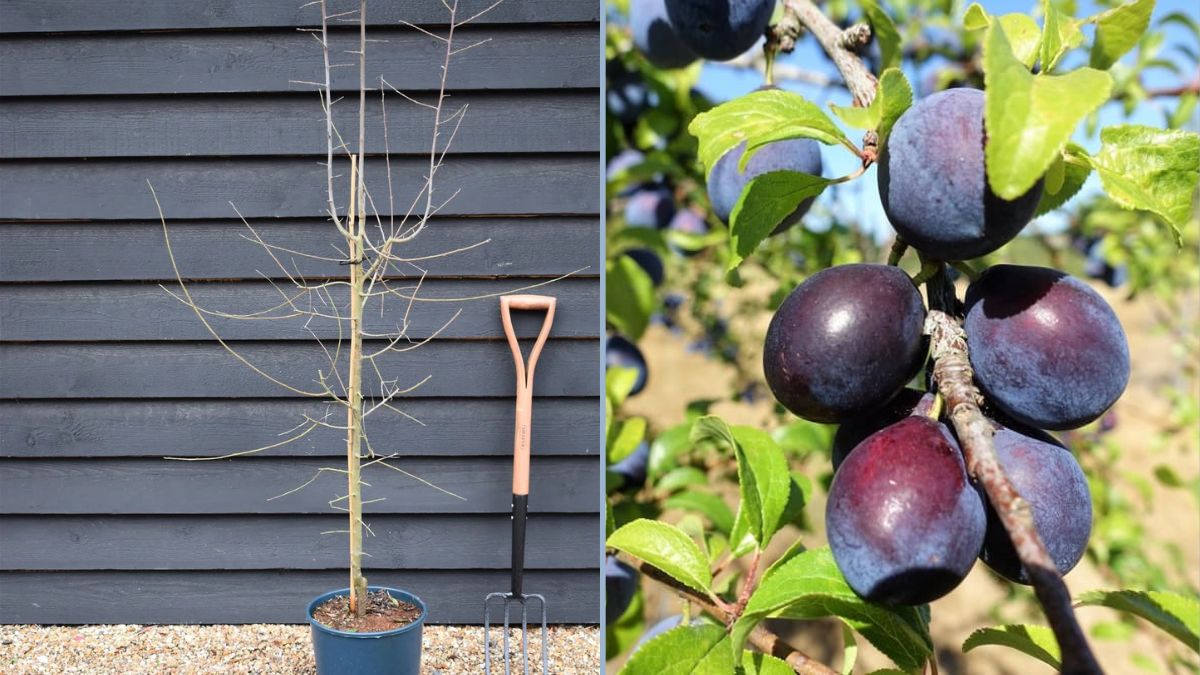
August in the garden brings its own special rewards — among them, the rich, deep-coloured fruits of the Shropshire Prune, also known as the Shropshire Damson. In this post, we’ll explore everything you need to know about this heritage fruit: why it’s worth growing, how to tell when it’s ready to harvest, the best way to pick it, and how to make the most of your damson crop in the kitchen.
Whether you’re tending a mature orchard or nurturing your first small fruit tree, the Shropshire Prune is one of those classic varieties that repays your attention with reliability, beauty, and flavour.
Why Grow the Shropshire Prune?
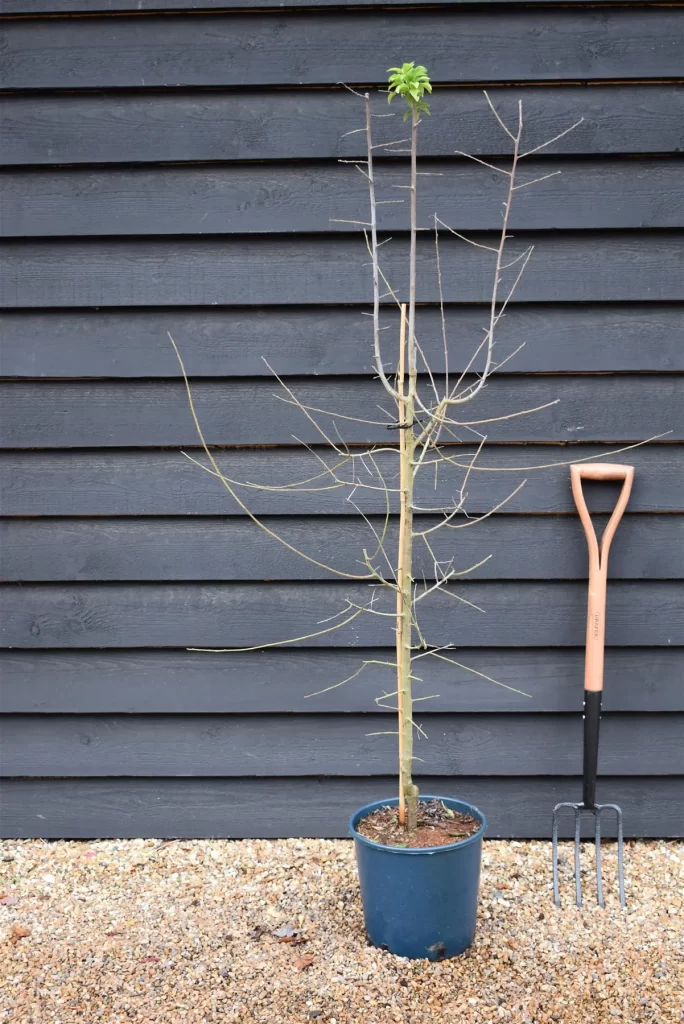
The Shropshire Prune is a standout variety of damson or plum for many reasons:
- Compact growth habit – Unlike many plum trees, Shropshire Prune trees are relatively small and manageable, making them perfect for modest gardens. Depending on the rootstock, they typically reach between 3 and 4.5 metres in height, and smaller rootstocks can keep them even more compact.
- Self-fertile – This variety is self-pollinating, meaning you don’t need to plant multiple trees to get fruit. Even a single specimen can yield a healthy harvest.
- Rich, distinctive flavour – While raw damsons are famously tart, they transform beautifully when cooked. Once turned into jam, jelly, or chutney, their unique balance of sharpness and sweetness comes alive.
- Hardy and reliable – This variety is well-suited to the British climate, tolerating cold winters and unpredictable summers. It’s known for being resilient and consistent, even when other fruit crops fail.
- Perfect for preserving – With their naturally high pectin levels, Shropshire damsons set well in jams and jellies without the need for added setting agents. The deep purple skins also give preserves a gorgeous ruby hue.
If you’re looking for a traditional English fruit tree that’s both beautiful and practical, the Shropshire Prune is an excellent choice.
How to Know When It’s Harvest Time
Timing your harvest is essential. Pick too early, and your fruit will be sour; wait too long, and you risk losing the crop to birds, wasps, or natural drop.
Here’s how to know when your damsons are ready:
1. Colour and Texture
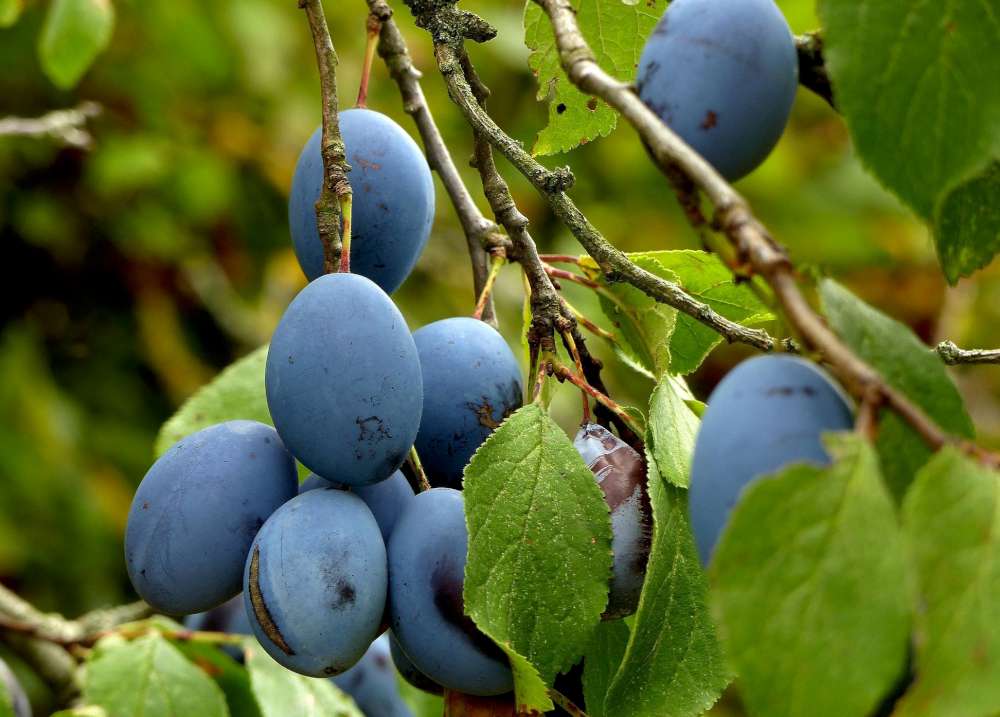
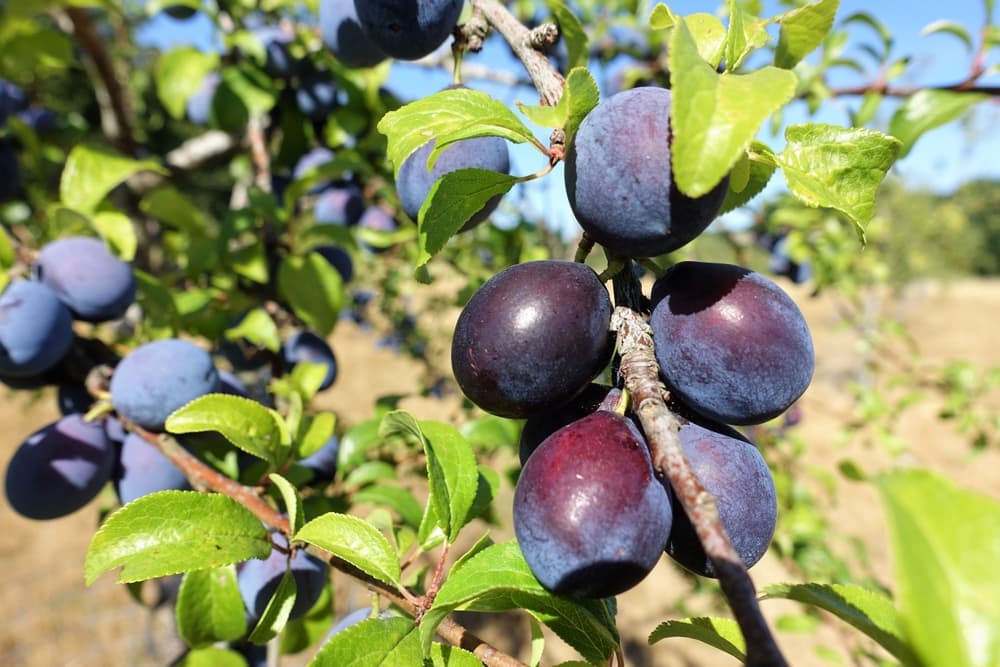
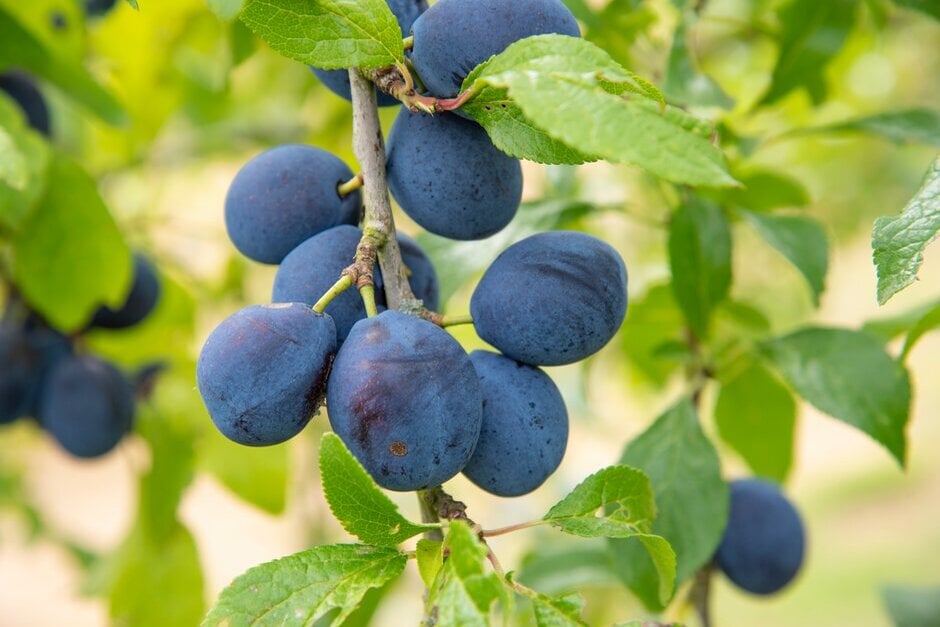
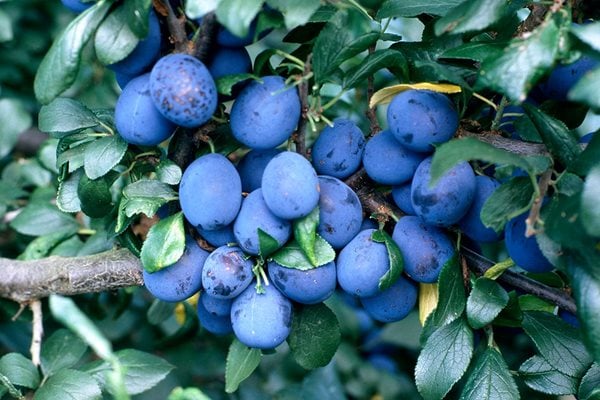
When ripe, Shropshire Prune damsons develop a deep purple to almost black colour, often covered with a natural waxy bloom that gives a soft silvery sheen. Inside, the flesh turns yellow-green. The fruit should feel slightly soft when gently squeezed — firm enough to hold shape but tender under pressure.
2. Natural Drop
A telltale sign that harvest time has arrived is when a few fruits start to fall naturally. This indicates that the tree is at peak ripeness. Don’t wait too long, though — birds and insects love ripe damsons, and fallen fruit can bruise easily.
3. Timing
In most temperate climates, the Shropshire Prune ripens in August, though it may vary slightly depending on local weather and growing conditions. Warmer summers can push the season forward by a week or two.
4. Taste Test
Though raw damsons are usually tart, a ripe fruit will have a fuller, richer taste with a hint of sweetness. Sample one or two before harvesting the whole tree — this helps you catch them at the perfect stage for your chosen use.
5. Tree Health and Season
Keep in mind that fruit yield may vary from year to year. Heavy flowering followed by frost can reduce your harvest, and after a particularly abundant year, the tree might produce fewer fruits the following season. This alternating pattern, known as “biennial bearing,” is common in stone fruits.
Harvesting Step-by-Step
Once your damsons are ripe, it’s time to harvest. Here’s how to do it right:
1. Get Prepared
- Use a sturdy ladder if your tree is tall.
- Have clean, shallow containers ready — deep buckets can crush the fruit.
- Pick early in the morning when the fruit is cool and firm.
- Wear gloves if the branches are thorny or you’re working around insects.
2. Picking Technique
Start with the lowest branches and work your way up. Hold the fruit gently between your fingers and twist or lift it; ripe damsons will come away easily with the stalk intact. Avoid pulling or shaking branches — it can damage the tree and cause bruising.
If you have a heavy crop, pick selectively over several days rather than stripping the whole tree at once. This helps ensure that each batch is at peak ripeness.
3. Handling the Fruit
Place the fruit gently in your container. Avoid piling them too high or pressing them down. Damsons bruise easily, and bruised fruit won’t store well. Once you’re done, move the containers out of direct sunlight and into a cool, shaded place.
4. After the Harvest
- Sort through the fruit and remove any that are overripe or damaged.
- Store the best-quality fruits in a cool place if you plan to cook them soon.
- Refrigeration can help them last a few extra days, but they’re best processed quickly.
5. Tree Care
After harvest, inspect the tree. Remove any dead or diseased branches, and clear fallen fruit from the ground to prevent pests and diseases from overwintering. Apply compost or mulch around the base to nourish the soil for the next season’s growth.
What to Do With Your Damsons
The fun truly begins once the fruit is picked. The Shropshire Prune’s deep, tart flavour makes it incredibly versatile in the kitchen.
1. Jam and Jelly
Damson jam is a British classic — rich, tangy, and jewel-like in colour. Because damsons are high in natural pectin, the jam sets beautifully without added gelling agents.
A simple method: simmer damsons with a little water until soft, remove the stones, then add sugar and boil until set. You’ll be rewarded with a jam that’s perfect on toast, in sponge cakes, or alongside roast meats.
Damson jelly, made by straining the cooked fruit through a muslin bag, produces a smooth preserve that pairs wonderfully with cheese or lamb.
2. Chutneys and Sauces
For something savoury, damson chutney is superb. Combine the fruit with onions, vinegar, brown sugar, and warm spices like ginger or cloves. The result is a complex, tangy condiment that improves with age.
You can also simmer damsons with red wine and honey to make a rich sauce for game or duck — a restaurant-worthy touch straight from your garden.
3. Baking and Desserts
Damsons add depth to tarts, crumbles, and pies. Their tartness cuts through sweetness, creating balance and complexity. Try them in a rustic crumble with oats and brown sugar, or bake them into a classic fruit galette.
You can also stew damsons lightly with sugar and serve them warm over ice cream, pancakes, or yogurt for a simple but indulgent dessert.
4. Drying and Prunes
As the name “Shropshire Prune” suggests, these damsons can be dried into delicious prunes. Halve and stone the fruit, then dry them in a low oven or dehydrator. Stored in airtight jars, they make a nutritious snack or can be rehydrated for baking and compotes.
5. Liqueurs and Cordials
If you enjoy homemade drinks, damsons are perfect for infusions. Combine the fruit with sugar and gin or vodka, seal it in a jar, and leave it to steep for several months. The result is a gorgeous damson liqueur — sweet, fruity, and perfect for festive occasions.
6. Freezing
If your harvest is large, freezing is a great way to preserve damsons for later use. Wash, stone, and freeze them in batches on trays before transferring to freezer bags. They’ll keep for up to a year and can go straight from freezer to saucepan for jams or desserts.
Common Problems and Tips for a Better Crop
- Late frosts can damage blossoms and reduce yield. Protect trees with fleece or choose a sheltered planting spot.
- Biennial bearing (heavy one year, light the next) can be reduced by thinning heavy crops to balance the tree’s energy.
- Pests and diseases like plum moth or silver leaf fungus can affect damsons. Remove affected wood promptly and keep good airflow through pruning.
- Soil drainage is key — damsons dislike waterlogged soil. Adding organic matter can help improve structure.
- Quick processing after picking ensures the best flavour and prevents spoilage.
A Fruit Worth the Effort
The Shropshire Prune is more than just another fruit tree — it’s part of Britain’s horticultural heritage. Its compact size, hardy nature, and richly flavoured fruit make it ideal for home gardeners who want something both practical and rewarding.
When August arrives and those deep purple fruits begin to blush with bloom, it’s a signal to get your baskets ready. A few careful hours of harvesting will reward you with jars of jam, bottles of liqueur, and perhaps a crumble or two — all filled with the taste of late summer.
So next season, when the days begin to shorten and the air takes on that golden warmth, step out to your damson tree. Twist the fruit gently from the branches, feel its weight in your hand, and know that you’re part of a long tradition of gardeners bringing in the Shropshire harvest.