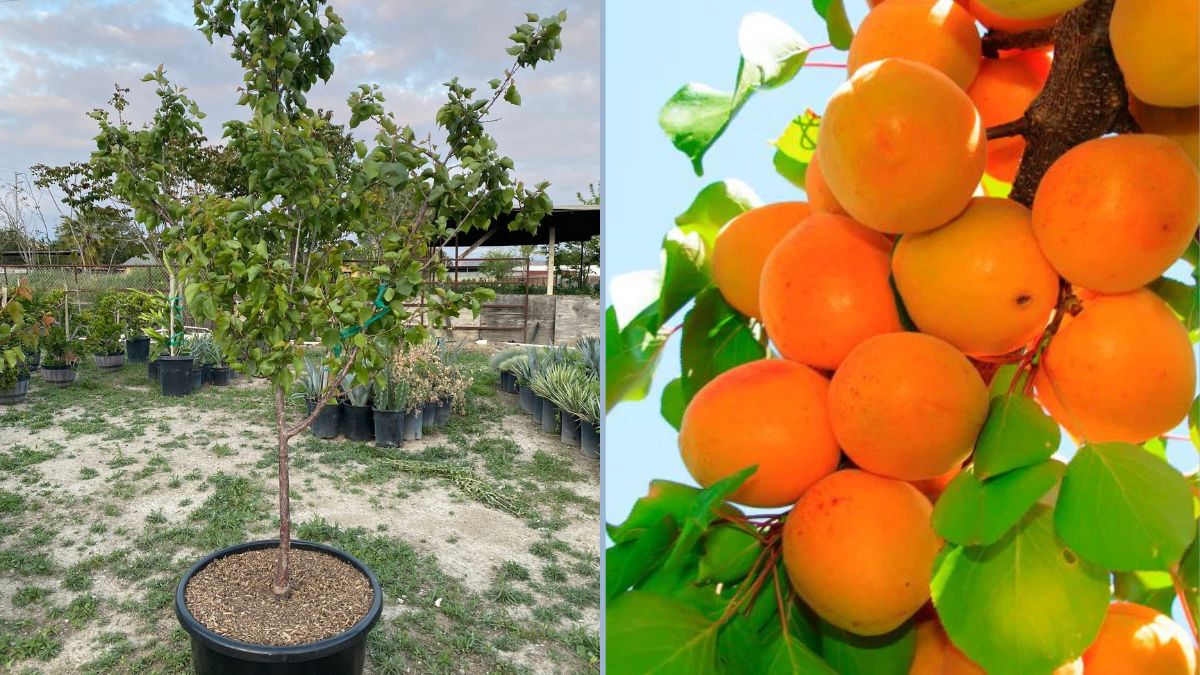
Few fruits capture the warmth and sweetness of summer quite like the apricot. Its delicate balance of tartness and sugar, its sun-kissed hue, and its tender, aromatic flesh make it one of nature’s most perfect creations. Among the many apricot varieties cultivated worldwide, Tilton apricots stand as a timeless favorite — beloved for their exceptional taste, versatility, and dependable yields.
Whether you’re a home gardener nurturing your first tree or a seasoned orchardist with rows of fruit-laden branches, the Tilton apricot is a variety that rewards patience and care with unforgettable flavor. In this post, we’ll explore the history, characteristics, growing habits, and harvesting of Tilton apricots — and why this heirloom variety continues to shine more than a century after its introduction.
A Brief History of the Tilton Apricot
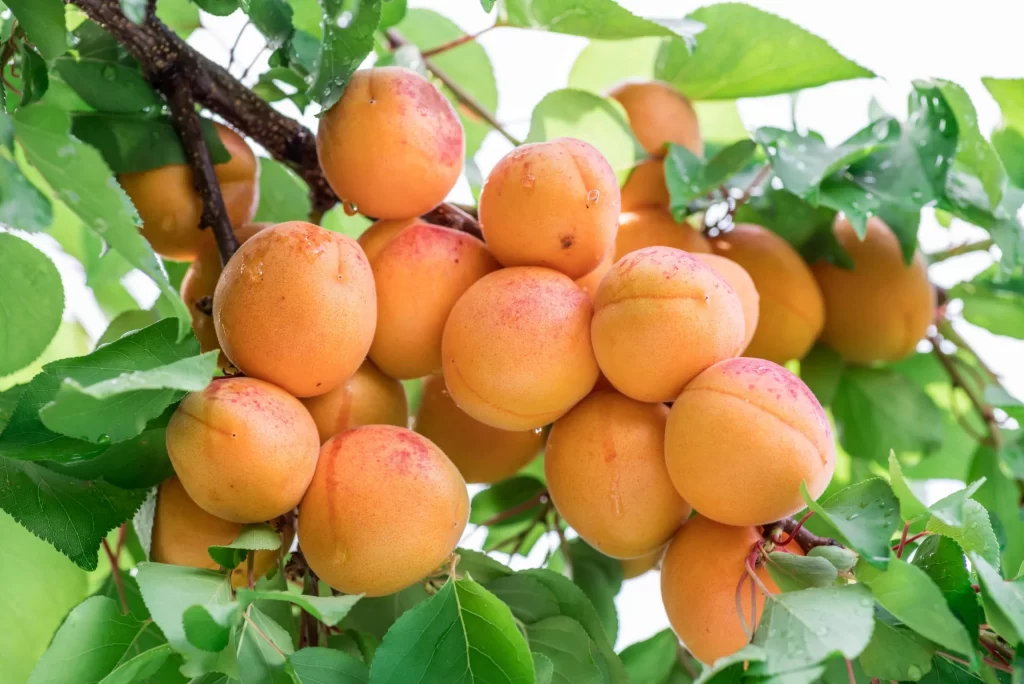
The Tilton apricot has deep roots in the history of American fruit cultivation. It originated in California during the late 1800s — a time when the state’s Mediterranean climate was beginning to reveal its potential for stone fruit production. Developed by horticulturists seeking a hardy, high-quality apricot that could handle variable weather, the Tilton quickly became a standout variety.
Its success wasn’t just due to its resilience. Tilton apricots possessed something rare — a perfect balance of flavor and texture that made them ideal for both fresh eating and processing. By the early 20th century, Tiltons were widely grown throughout California’s central valleys and became a leading variety for canning and drying.
Even as newer cultivars appeared, the Tilton held its ground. Today, it remains a heritage favorite, prized by backyard growers and artisanal fruit producers alike for its old-fashioned, intensely flavored fruit.
The Distinctive Look and Flavor of Tilton Apricots
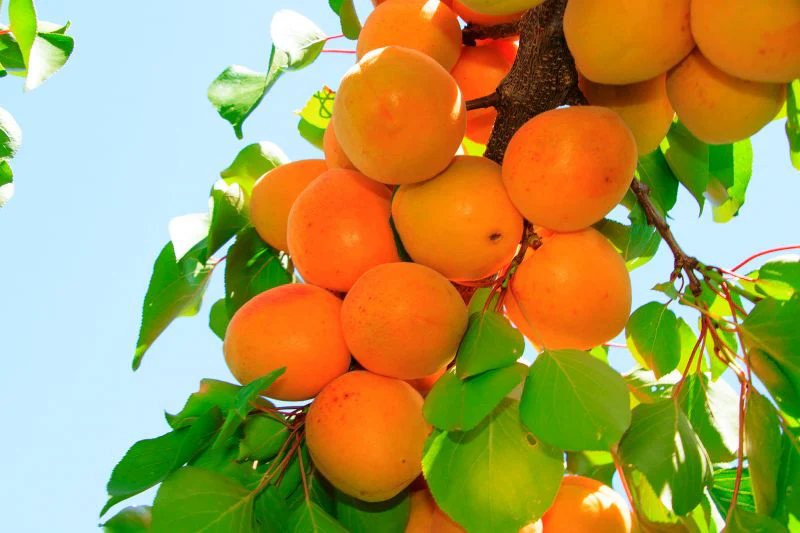
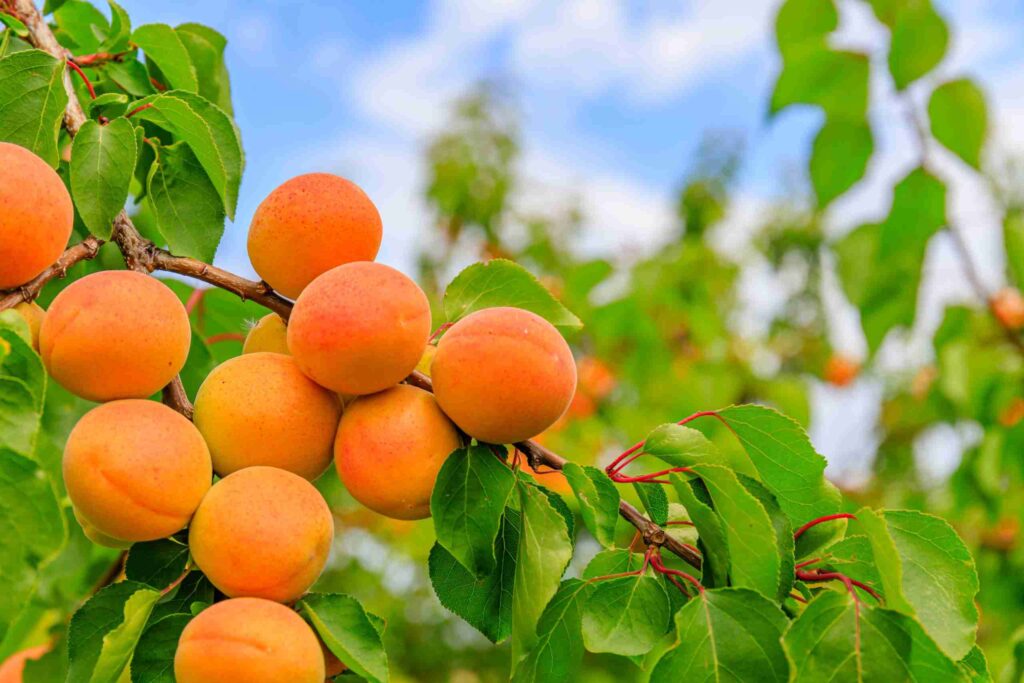
Tilton apricots are instantly recognizable. The fruit is medium to large, with a slightly flattened, oval shape and a golden-yellow skin blushed with a soft rosy tint on the side kissed by the sun.
When you slice into a ripe Tilton apricot, the first thing you’ll notice is its vivid orange flesh, juicy yet firm enough to hold shape. The flavor is what truly sets it apart — sweet and rich, with a subtle tang that brings depth and balance. The aroma is classic apricot: floral, honeyed, and evocative of late-summer afternoons.
Tilton apricots are versatile in the kitchen. Their dense texture and balanced sugar-acid ratio make them exceptional for:
- Fresh eating straight from the tree
- Canning and preserves (they hold their shape beautifully)
- Drying into sweet, chewy snacks
- Baking in tarts, cobblers, and rustic galettes
When dried, Tiltons retain their color and flavor remarkably well, earning them a reputation as one of the best apricot varieties for long-term storage.
Growing the Tilton Apricot Tree
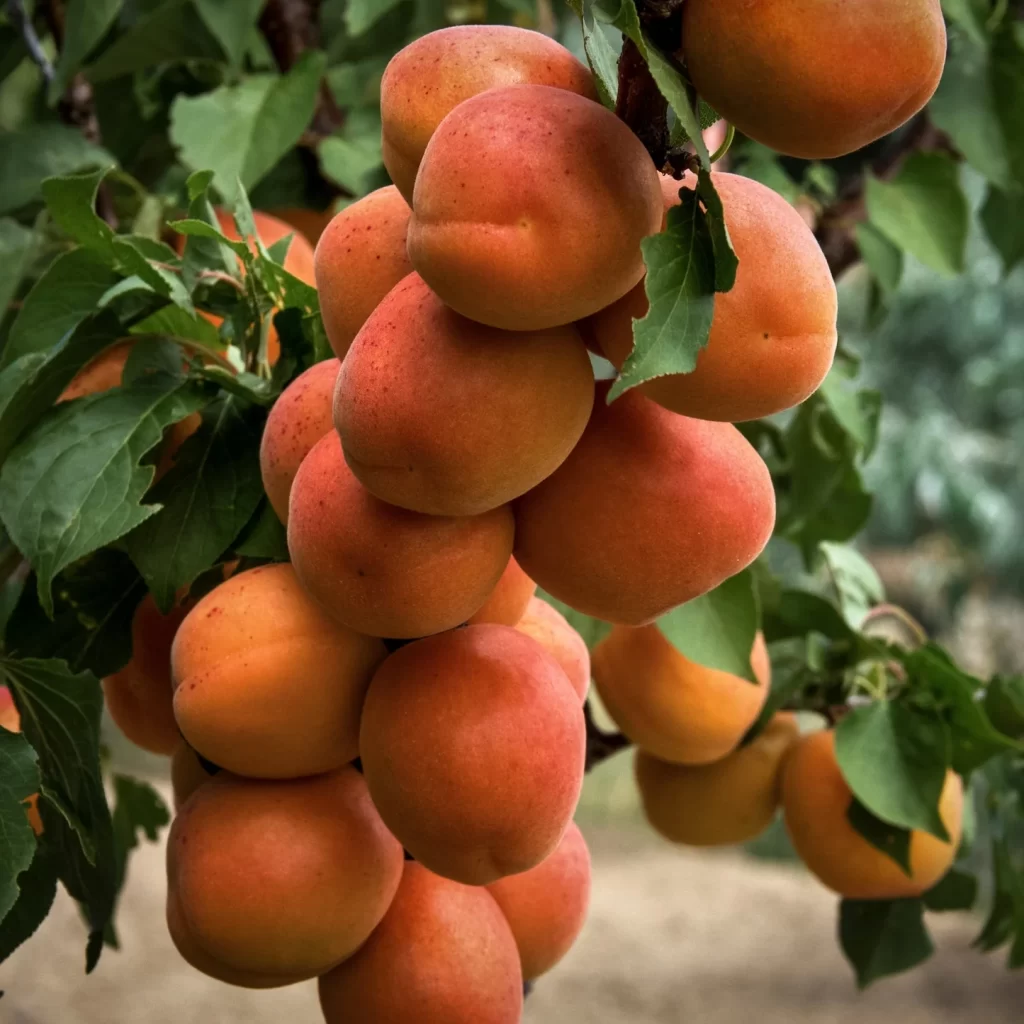
Like most apricot trees, the Tilton thrives in regions with cool winters and warm, dry summers — climates similar to California, the Mediterranean, and parts of Australia or southern Europe.
Tiltons are moderately hardy and self-pollinating, which means you can grow a single tree and still enjoy a full harvest. However, planting multiple apricot trees nearby often improves yields through cross-pollination.
Here’s what to know if you’re planning to grow a Tilton apricot tree at home:
1. Planting Conditions
- Sunlight: Full sun is essential — at least six to eight hours of direct light daily.
- Soil: Well-draining loam or sandy soil enriched with compost. Avoid heavy clay or soggy conditions.
- pH: Slightly acidic to neutral (6.0–7.0).
Plant your Tilton tree in late winter or early spring, when the soil is workable but before new growth begins. Make sure the graft union (the point where the scion joins the rootstock) sits just above the soil line.
2. Watering
Apricot trees prefer deep, infrequent watering that encourages strong root systems. Water thoroughly once a week during the growing season, increasing frequency during hot, dry spells. Avoid constant surface watering, which promotes shallow roots.
3. Feeding
Feed Tilton apricots in early spring with a balanced organic fertilizer or compost to support flowering and fruiting. After harvest, a light feeding of compost or aged manure helps replenish nutrients for next year’s crop.
4. Pruning
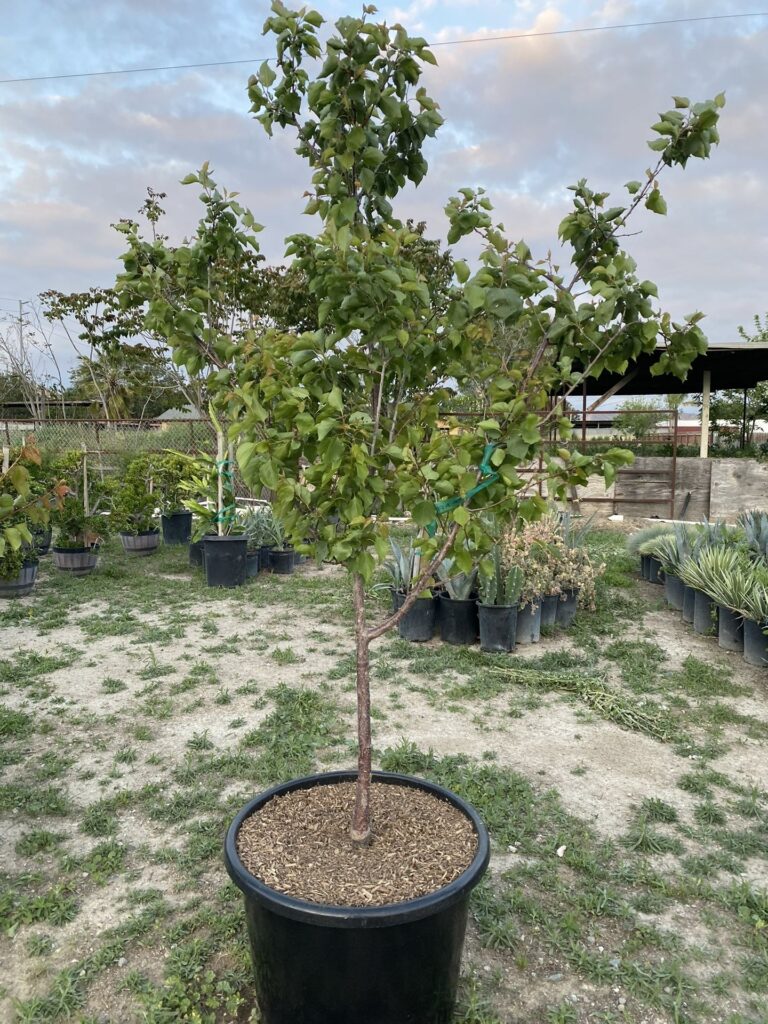
Pruning is key to maintaining a healthy Tilton tree. Aim for an open-center shape, which allows sunlight to reach the inner branches and reduces disease risk. Prune in late winter, removing dead, crossing, or overcrowded branches.
5. Climate Considerations
Tilton apricots need around 600–700 chill hours (hours below 45°F/7°C) during winter to break dormancy and flower well. They can tolerate mild frost but are vulnerable to late spring frosts, which can damage blossoms. In frost-prone areas, choose a sheltered planting site or use frost cloths during early bloom.
The Apricot Bloom: A Promise of Summer
One of the most beautiful moments in the garden is when the apricot tree bursts into bloom. In early spring, Tilton trees are covered in pale pink to white blossoms, often appearing before the leaves emerge.
These early flowers attract bees and other pollinators, setting the stage for summer’s bounty. However, because the blooms are delicate, a sudden cold snap can damage them. Gardeners often protect trees by:
- Covering them overnight during frost warnings.
- Planting them near walls or fences that reflect heat.
- Avoiding low-lying areas where cold air collects.
A healthy bloom is a promise of the golden harvest to come.
The Harvest Season: Timing and Technique
Tilton apricots typically ripen from late June through July, depending on climate. You’ll know they’re ready when the fruits turn deep golden-orange and give slightly under gentle pressure. A ripe apricot will detach easily from the branch with a light twist.
Harvesting apricots at just the right moment ensures the best flavor. Pick too early, and the fruit will taste flat and starchy. Wait too long, and it may soften or fall before you can collect it.
For home gardeners, the best strategy is to harvest in several passes — picking only the ripest fruit each time. Handle apricots gently; their skins bruise easily. Collect them in shallow baskets or trays rather than deep bins.
Once picked, Tilton apricots can be:
- Stored fresh in the refrigerator for up to a week.
- Dried in a dehydrator or oven at low temperatures for chewy, shelf-stable snacks.
- Canned or preserved in syrup or made into jam — one of the Tilton’s finest uses.
Their flavor intensifies when cooked, producing golden preserves with a rich, classic apricot aroma.
Why Tilton Apricots Remain a Gardener’s Favorite
Modern horticulture has introduced countless apricot varieties — earlier ripening, larger fruit, improved disease resistance. Yet the Tilton remains a sentimental and sensory favorite for home growers.
Here’s why it continues to shine:
- Reliable Production: Once established, Tilton trees bear heavily year after year.
- Rich, Complex Flavor: Perfect for both fresh eating and cooking — a depth newer varieties often lack.
- Heritage Value: Growing Tilton connects gardeners to over a century of fruit-growing history.
- Adaptability: Performs well in diverse climates and soil types.
In a world of commercial uniformity, the Tilton apricot represents authenticity — a fruit that tastes the way apricots used to taste.
Common Challenges and How to Manage Them
While Tiltons are hardy, they aren’t without challenges. Here are a few common issues and how to manage them naturally:
- Brown Rot: A fungal disease that affects blossoms and fruit. Prune regularly, improve air circulation, and remove affected fruit promptly.
- Aphids: Control with neem oil or a mild soap spray. Encourage ladybugs and lacewings to act as natural predators.
- Birds: Birds love ripe apricots! Use fine mesh netting or reflective tape to protect your crop.
- Frost Damage: As mentioned, cover trees during early spring frost events to protect blossoms.
With consistent care and attention, these issues are manageable — and your reward is a tree that gives back abundantly year after year.
Enjoying the Fruits of Your Labor
There’s nothing quite like biting into a sun-warmed Tilton apricot straight from the tree — the tender skin giving way to juicy, golden flesh that bursts with flavor. It’s the taste of sunshine, of effort rewarded, and of summer at its peak.
For those who love to preserve, Tiltons are a dream. Their balanced flavor makes exquisite jams, chutneys, and compotes. A simple homemade apricot jam captures the taste of July and carries it into the cold months, spreading sunshine on your breakfast table long after harvest season ends.
Final Thoughts: The Timeless Appeal of Tilton Apricots
In an era of fast-growing hybrids and genetically uniform fruit, the Tilton apricot stands as a reminder of nature’s original perfection. It’s not the biggest or the flashiest, but it offers something more meaningful — a depth of flavor, a sense of history, and a connection to the earth that only heirloom varieties provide.
Growing a Tilton apricot tree isn’t just about cultivating fruit; it’s about cultivating patience, tradition, and a relationship with the seasons. Year after year, as spring blossoms fade and golden fruit fills the branches, you’ll be reminded that good things — like the Tilton apricot — are worth the wait.