
Fermented beverages have long held a place in wellness‑conscious diets—and one rising star is Kombucha, a tangy, lightly fizzy drink made with tea, sugar, and a symbiotic culture of bacteria and yeast (known as a SCOBY). In this article, we’ll explore the many potential health benefits of kombucha, how you can brew it at home (vegetarian/vegan‑friendly), and what to watch out for.
What is Kombucha?
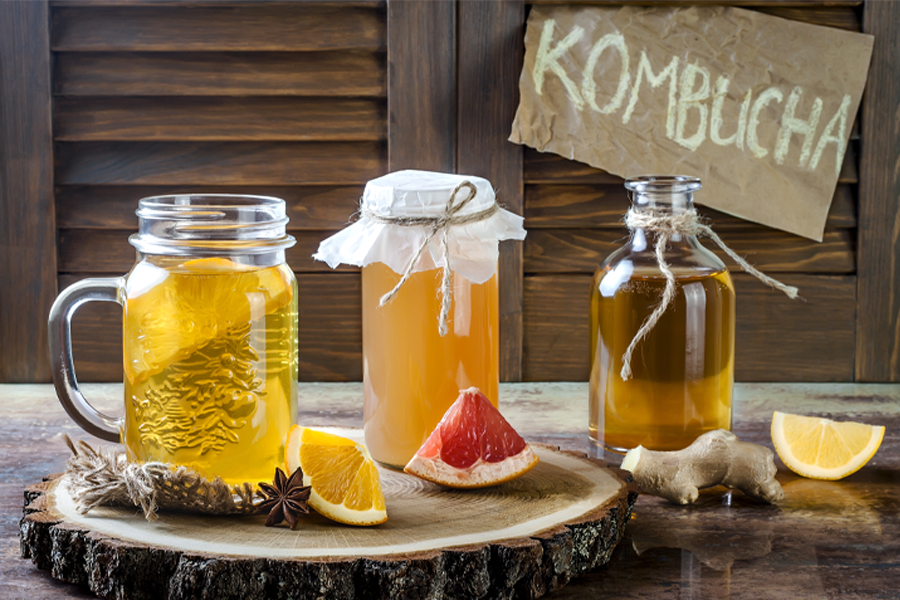
Kombucha is essentially sweetened tea that’s been fermented by the SCOBY: the bacteria and yeast feed on the sugar, producing acids, gases, and trace alcohol, creating a beverage with live cultures, some acidity, and a complex flavor.
Historically, it’s been consumed in China and Japan and has spread globally. Because it’s made from tea (black or green), sugar, water, and the microbial culture, it fits well into vegetarian or vegan diets—no animal ingredients involved.
The Promising Health Benefits
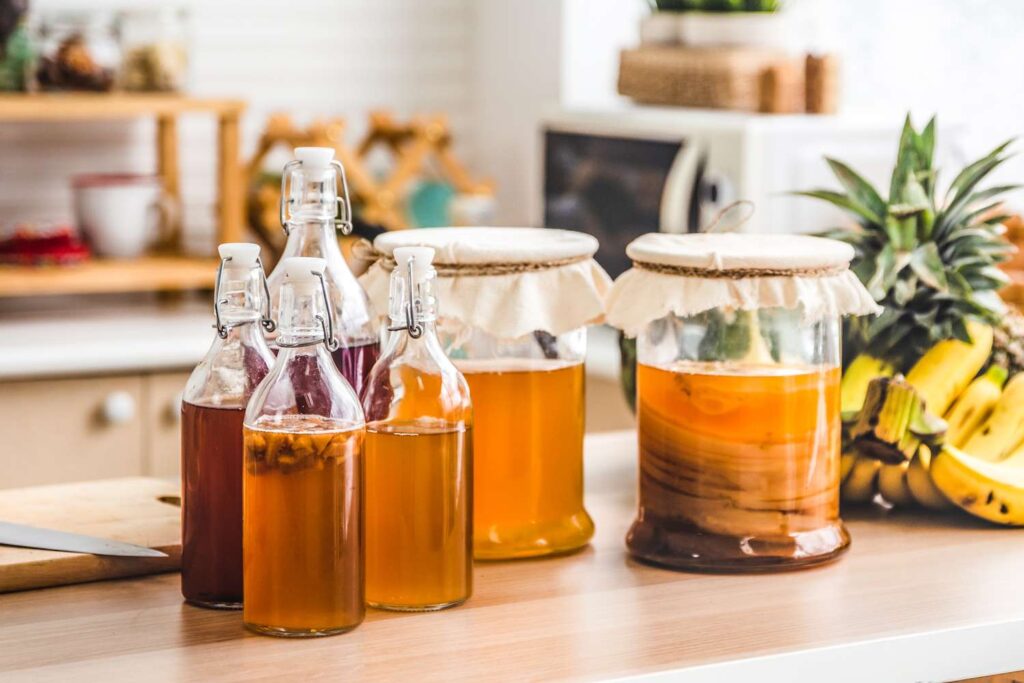
1. Supports Gut Health via Probiotics
Kombucha is rich in probiotic bacteria and yeasts, which can help promote a healthy gut microbiome. By supplying beneficial microbes and organic acids, kombucha may help improve digestion and stool regularity.
2. Provides Antioxidants and Plant Compounds

Since kombucha starts with tea (which contains polyphenols and antioxidants), the final brew inherits many of those beneficial compounds. For example, kombucha made from green tea may carry over green tea’s antioxidant profile. Antioxidants help neutralize free radicals and may reduce oxidative stress.
3. May Support Cardiovascular Health
Preliminary evidence suggests that kombucha may help improve lipid profiles, such as raising HDL “good” cholesterol and lowering LDL “bad” cholesterol, and may limit arterial plaque formation. These effects are promising but still need more human studies.
4. Could Assist in Metabolism, Detoxification & General Wellness
Some laboratory and animal studies suggest kombucha may improve liver function, reduce blood pressure, and improve metabolic markers. While these are interesting leads, human clinical trials are limited or lacking.
5. Vegetarian/Vegan‑Friendly Alternative to Dairy Probiotics
For those following a vegetarian or vegan diet (or preferring non‑dairy probiotics), kombucha is a convenient option since it doesn’t require milk or dairy fermentation.
A Note of Caution
Although kombucha appears beneficial, there are caveats:
- The evidence in humans is still limited; many claimed benefits are extrapolated from lab or animal studies.
- Home‑brewed kombucha can pose risks if not prepared cleanly, such as contamination or over‑fermentation.
- It can contain sugars and small amounts of alcohol or caffeine depending on the tea base.
In short, kombucha can be a health-positive addition to your diet, especially as a fermented drink alternative, but it works best as part of a balanced diet rich in whole plant foods.
How to Brew Kombucha Yourself

One of the advantages of kombucha is that you can make it at home—with just a few ingredients and modest equipment. Here’s a step-by-step vegetarian-friendly guide.
What You’ll Need
- 1 gallon (~3.7 litres) glass, ceramic, or stainless steel container (avoid reactive metals)
- A breathable cloth or coffee filter and a rubber band to cover the jar
- Tea: black or green (or a blend)
- Sugar: plain white sugar or cane sugar
- A SCOBY and some starter liquid (from a previous batch of kombucha or unflavoured store-bought)
- Bottles for the second fermentation (optional for fizz) and flavouring
Step‑by‑Step Instructions
First Fermentation (Primary Brew)
- Boil about 4 cups of filtered water. Add sugar and stir until dissolved. Then add tea bags or loose tea and steep for about 15–20 minutes.
- Remove tea leaves/bags. Add additional cold water until the total volume reaches your target, and ensure the mixture has cooled to room temperature (~21–27 °C or ~70–80 °F).
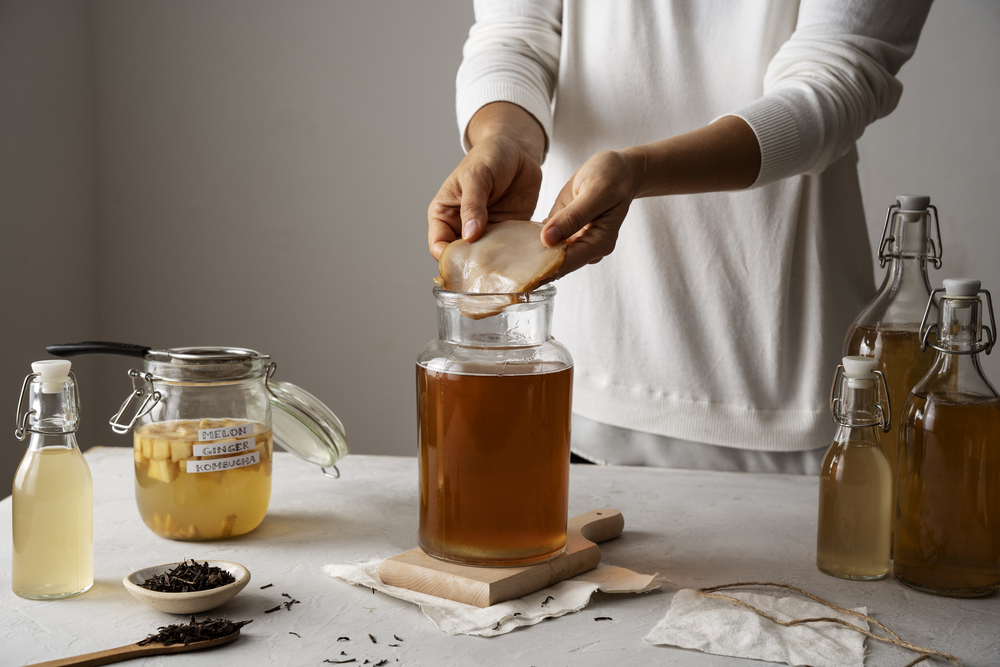
- Transfer the sweetened cooled tea into your clean fermenting vessel. Add the starter liquid (~10% of volume) and gently place the SCOBY into the jar.
- Cover the vessel with the cloth and rubber band. Place it in a warm (but not hot), dark, quiet place and allow it to ferment for about 6–10 days. Taste from day 6: the longer it ferments, the less sweet and more tart/vinegary it becomes.
- Once you like the flavour, it’s time for the next step.
Second Fermentation (Optional – for Fizz & Flavouring)
- Remove the SCOBY and reserve ~2 cups of the fermented kombucha as starter for the next batch.
- Bottle the rest into airtight bottles. Add flavourings such as fresh fruit, herbs, ginger, or juice.
- Keep the bottles at room temperature for 1–3 days to build carbonation (burp daily to avoid pressure build-up). Then refrigerate.
- Drink chilled. Save some starter for your next brew.
Tips & Best Practices
- Sanitize or thoroughly clean all equipment. Hygiene is key.
- Use tea containing caffeine and theanine; pure herbal teas may not support the SCOBY as well.
- Monitor temperature: too hot (>30–35 °C) can harm the culture; too cold (<18–20 °C) slows fermentation.
- Taste regularly to catch the desired balance of sweet vs. sour.
- Discard any batch with visible mold.
- Label jars with start date, tea type, and sugar amount for consistency.
- Keep a “SCOBY hotel” with extra SCOBYs and some kombucha for backup.
How Kombucha Fits Into a Healthy Lifestyle
Kombucha can be a valuable addition to a plant-based or vegetarian diet:
- Replace sugary sodas with kombucha to enjoy fizz, flavour, and live cultures.
- Pair it with meals; the acidity may aid digestion.
- Use it as a refreshing low-calorie alternative to alcohol or sugary drinks.
- Combine with other fermented foods, legumes, whole grains, fruits, and vegetables for gut-health synergy.
Important Considerations & When to Be Cautious
- Home-brewed kombucha may carry contamination risks if hygiene is poor.
- It may contain small amounts of alcohol and caffeine depending on tea and fermentation.
- Its acidity (pH 3–4) can affect dental enamel if consumed excessively.
- People who are pregnant, immunocompromised, or have certain health conditions should consult a healthcare provider.
- Check sugar content in store-bought versions to avoid excess added sugars.
Summary
Kombucha stands out as a tasty, plant-friendly, microbiome-supportive beverage. With its probiotics, antioxidants, and tea-based nutrients, it offers real benefits—especially as part of a diet rich in whole plant foods. While not a miracle cure, it’s a smart addition to support digestion, gut health, and overall wellness. Best of all, you can make it at home without any animal-derived ingredients, simply following proper brewing practices and monitoring fermentation and flavour.