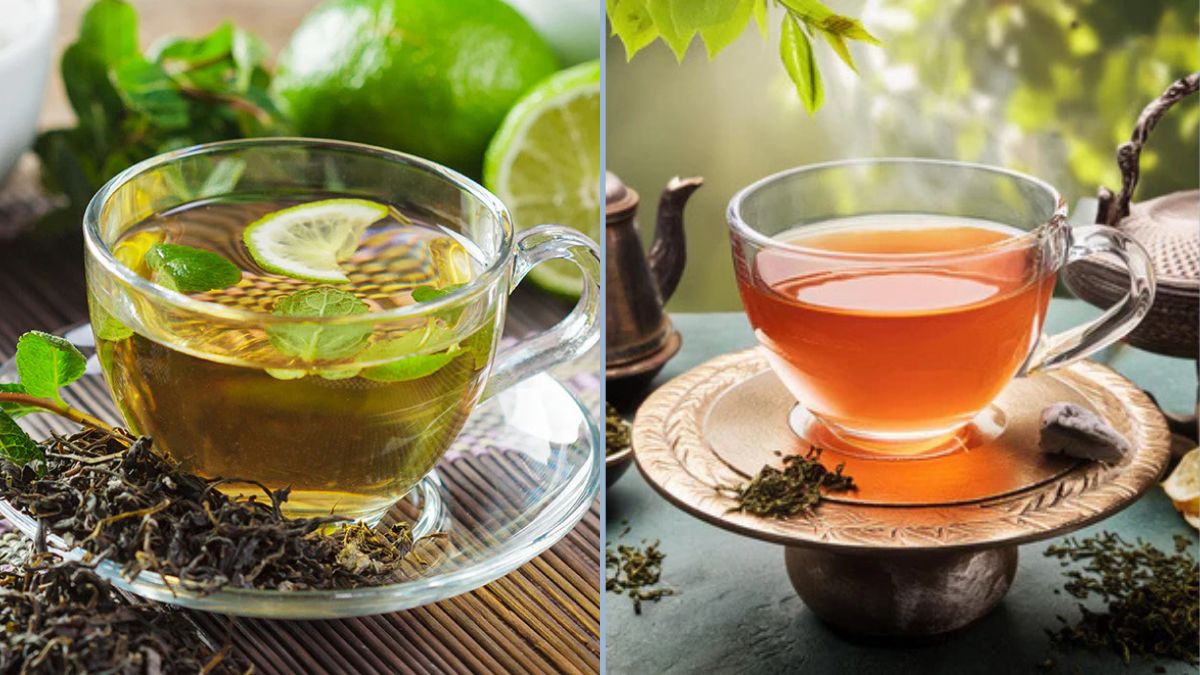
Few things in life feel as comforting and rejuvenating as a warm cup of herbal tea. Whether sipped in the morning to awaken your senses or enjoyed before bedtime to calm your mind, herbal tea has been cherished for centuries for its healing properties and aromatic flavors. Unlike regular black or green tea, herbal tea is made from the leaves, flowers, seeds, roots, or fruits of various plants — and it’s naturally caffeine-free.
In this article, we’ll explore why herbal tea is so good for you, delve into its wide-ranging benefits, and reveal how you can make your herbal tea taste absolutely amazing — all without relying on any non-vegetarian ingredients.
1. The Healing Power of Herbal Tea
Herbal teas are often considered nature’s gentle medicine. Each herb carries unique compounds that promote health and balance in the body. Unlike synthetic supplements, these teas deliver nutrients in their most natural, easily absorbable form.
Here are some of the most popular herbal teas and their powerful benefits:
Chamomile Tea – The Sleep Inducer
Chamomile is perhaps the most famous herbal tea for relaxation. Rich in antioxidants like apigenin, it helps calm the nervous system, reduce anxiety, and promote restful sleep. Drinking chamomile tea before bed can soothe your mind and prepare your body for deep relaxation.
Peppermint Tea – The Digestive Soother
Peppermint tea contains menthol, which relaxes the muscles of the digestive tract. It’s excellent for easing bloating, gas, and indigestion. A cup after a heavy meal can help you feel lighter and more comfortable.
Ginger Tea – The Immunity Booster
Ginger is a powerhouse of anti-inflammatory and antioxidant properties. Its active compound, gingerol, supports digestion, strengthens the immune system, and helps fight off colds and sore throats. Adding a slice of fresh ginger to hot water can instantly energize your body.
Tulsi (Holy Basil) Tea – The Stress Reliever
Tulsi, known as the “Queen of Herbs” in Ayurveda, helps the body adapt to stress and enhances mental clarity. It also supports respiratory health and promotes better metabolism. Tulsi tea is especially beneficial during seasonal changes.
Hibiscus Tea – The Heart Protector
With its vibrant red color and tangy taste, hibiscus tea is not only beautiful but also beneficial for your heart. It helps lower blood pressure and cholesterol levels, thanks to its rich antioxidant content.
Lemongrass Tea – The Detoxifier
Lemongrass has a refreshing citrus aroma and aids in detoxification. It cleanses the liver, supports digestion, and promotes clear skin.
2. Top Health Benefits of Drinking Herbal Tea
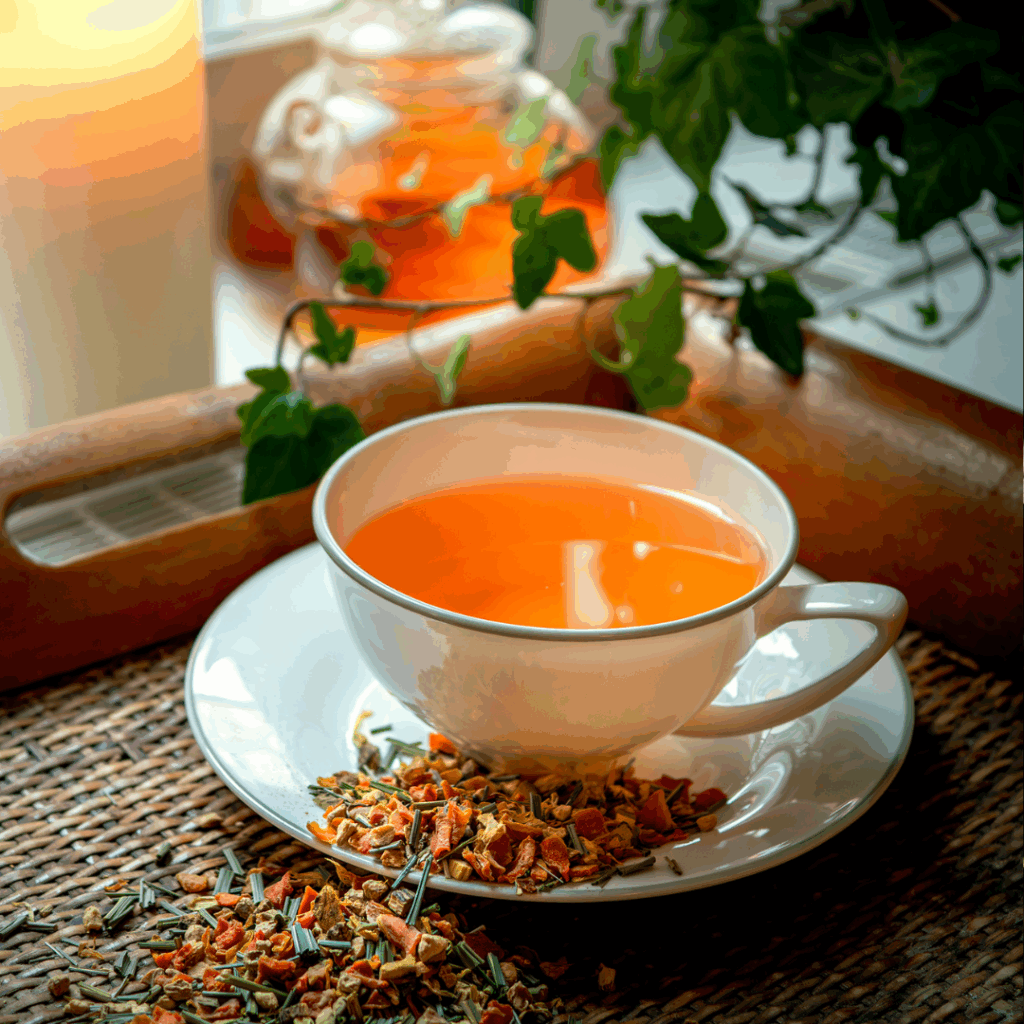
Let’s take a closer look at the wide-ranging benefits herbal teas can offer your mind and body.
a) Rich in Antioxidants
Herbal teas are packed with antioxidants that help neutralize harmful free radicals. This prevents premature aging, supports healthy skin, and strengthens immunity.
b) Improves Digestion
Many herbal teas, such as peppermint, fennel, and ginger, have carminative properties that reduce bloating and support smooth digestion. Regular consumption can keep your digestive system balanced and efficient.
c) Enhances Hydration
Since herbal teas are caffeine-free, they contribute to your daily fluid intake. They hydrate your body just like water — but with the added benefit of nutrients and flavor.
d) Supports Weight Management
Certain herbal teas like green rooibos, hibiscus, and ginger can help boost metabolism and control appetite. When paired with a healthy diet and active lifestyle, they can aid in maintaining a healthy weight.
e) Calms the Mind and Reduces Stress
Herbs such as chamomile, lavender, and tulsi have natural calming properties that help regulate mood and reduce anxiety. Drinking these teas regularly can create a sense of mindfulness and emotional balance.
f) Boosts Immunity Naturally
Herbs like echinacea, turmeric, and ginger strengthen the immune response and protect against seasonal infections. Regular consumption helps your body fight off colds and flu naturally.
3. How to Make Herbal Tea Taste Amazing
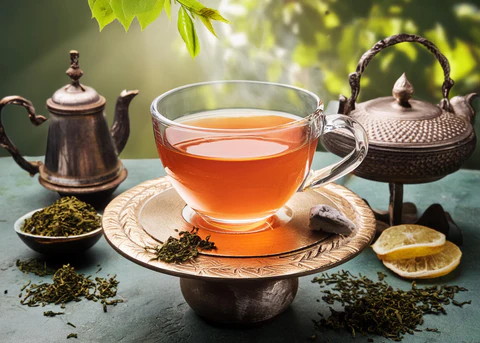
While herbal teas are healthy, some people find them too mild or bitter. The good news? You can easily make your tea both delicious and beneficial with a few simple tweaks.
a) Use Fresh, Quality Ingredients
The flavor and potency of your tea depend heavily on the quality of your herbs. Choose organic, fresh, or dried herbs from reputable sources. Avoid stale or old ingredients, as they lose their aroma and nutrients over time.
b) Perfect the Brewing Time
Each herb requires a different steeping time. Steeping too long can make your tea bitter, while too short can make it weak. Generally:
- Flowers and leaves (like chamomile or peppermint): 5–7 minutes
- Roots and barks (like ginger or cinnamon): 10–15 minutes
Always cover your cup while steeping to prevent the essential oils from evaporating.
c) Add Natural Sweeteners
To balance the natural bitterness of some herbs, add natural plant-based sweeteners such as:
- Honey (for vegetarians)
- Stevia leaves
- Jaggery
- Maple syrup
These sweeteners enhance flavor without compromising health.
d) Blend Different Herbs
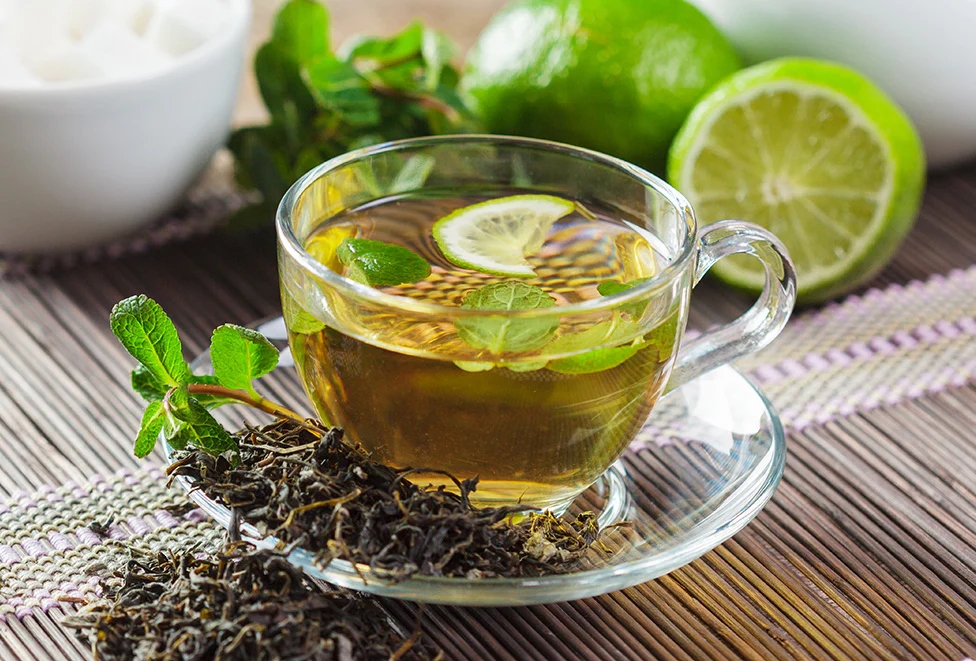
Combining herbs can create unique flavors and boost health benefits. Try these blends:
- Relaxation Blend: Chamomile + Lavender + Lemon Balm
- Detox Blend: Lemongrass + Ginger + Tulsi
- Energy Boost Blend: Peppermint + Licorice Root + Ginseng
Experiment to find your favorite combination.
e) Enhance with Fruits and Spices
You can infuse your herbal tea with natural fruits and spices to create depth and aroma:
- Fruits: Orange slices, apple pieces, berries, lemon zest
- Spices: Cinnamon, cardamom, cloves, star anise
These additions make the tea not only tastier but also more nutritious.
f) Serve It Right
Herbal tea can be enjoyed both hot and cold:
- For a hot cup, serve it freshly brewed with a dash of honey and lemon.
- For a refreshing iced tea, chill it in the refrigerator, add ice cubes, mint leaves, and a few slices of fruit.
This makes a perfect caffeine-free summer beverage.
4. Herbal Tea Recipes to Try at Home
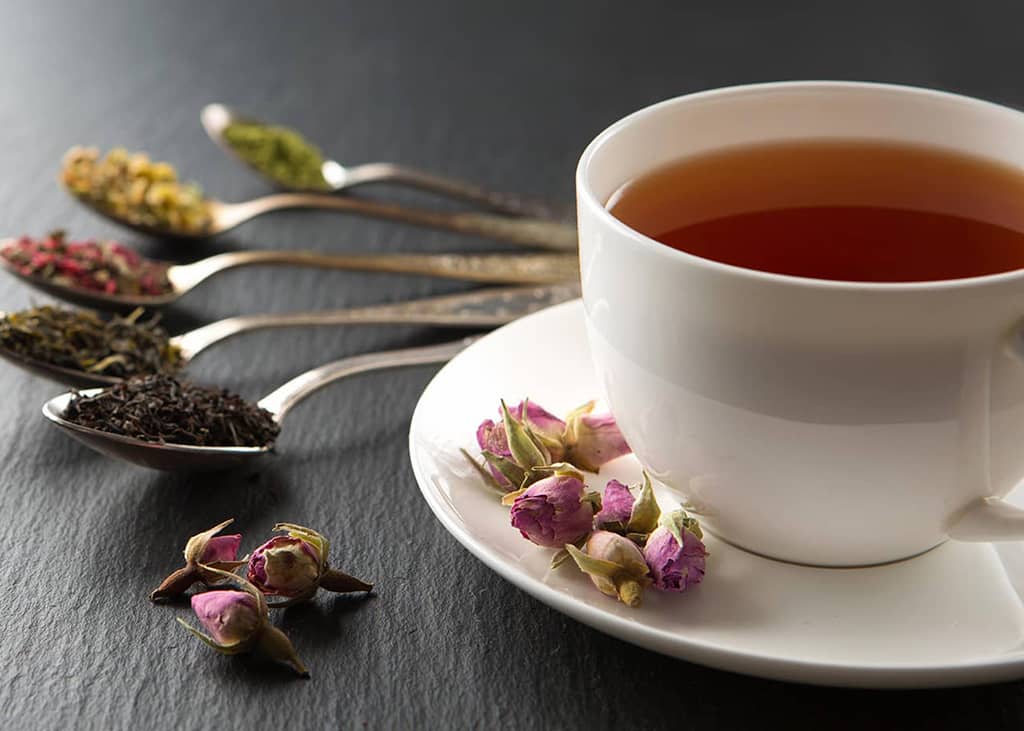
Here are three easy, purely vegetarian herbal tea recipes you can prepare at home:
1. Ginger-Lemongrass Detox Tea
Ingredients:
- 1-inch fresh ginger (sliced)
- 1 stalk lemongrass (chopped)
- 2 cups water
- 1 tsp honey or jaggery (optional)
Method:
Boil water and add ginger and lemongrass. Simmer for 10 minutes, strain, and sweeten if desired. This tea cleanses the liver, aids digestion, and boosts immunity.
2. Tulsi-Mint Calm Tea
Ingredients:
- 5–6 fresh tulsi leaves
- 5 mint leaves
- 2 cups hot water
- ½ tsp lemon juice
Method:
Steep tulsi and mint leaves in hot water for 5 minutes. Add lemon juice before drinking. This tea relieves stress, clears the respiratory tract, and refreshes the mind.
3. Hibiscus-Cinnamon Beauty Tea
Ingredients:
- 2 dried hibiscus flowers
- 1 small cinnamon stick
- 2 cups boiling water
- 1 tsp honey
Method:
Steep hibiscus and cinnamon in boiling water for 10 minutes. Strain and add honey. This tea is rich in vitamin C, supports glowing skin, and helps regulate blood pressure.
5. When and How Much to Drink Herbal Tea
While herbal teas are natural, moderation is key. Ideally, you can enjoy 2–3 cups a day depending on your body’s needs.
- Morning: Energizing blends like ginger, peppermint, or lemongrass help awaken your senses.
- Afternoon: Detox or digestion-supporting teas maintain your energy and reduce bloating.
- Evening: Relaxing teas like chamomile, lavender, or tulsi promote calmness and better sleep.
Avoid adding milk, as it can interfere with the absorption of certain herbal compounds and alter the flavor.
Conclusion
Herbal tea is more than just a beverage — it’s a ritual of wellness, peace, and self-care. Each cup offers a blend of healing herbs that nourish your body, calm your mind, and awaken your senses. Whether you drink it for health, relaxation, or pure enjoyment, herbal tea can become a beautiful part of your daily routine.
By using quality herbs, natural flavor enhancers, and thoughtful blends, you can transform a simple cup of herbal tea into a soothing, aromatic, and flavorful experience. So, the next time you crave something refreshing yet healthy, skip the soda or coffee — and let a warm cup of herbal tea work its natural magic.