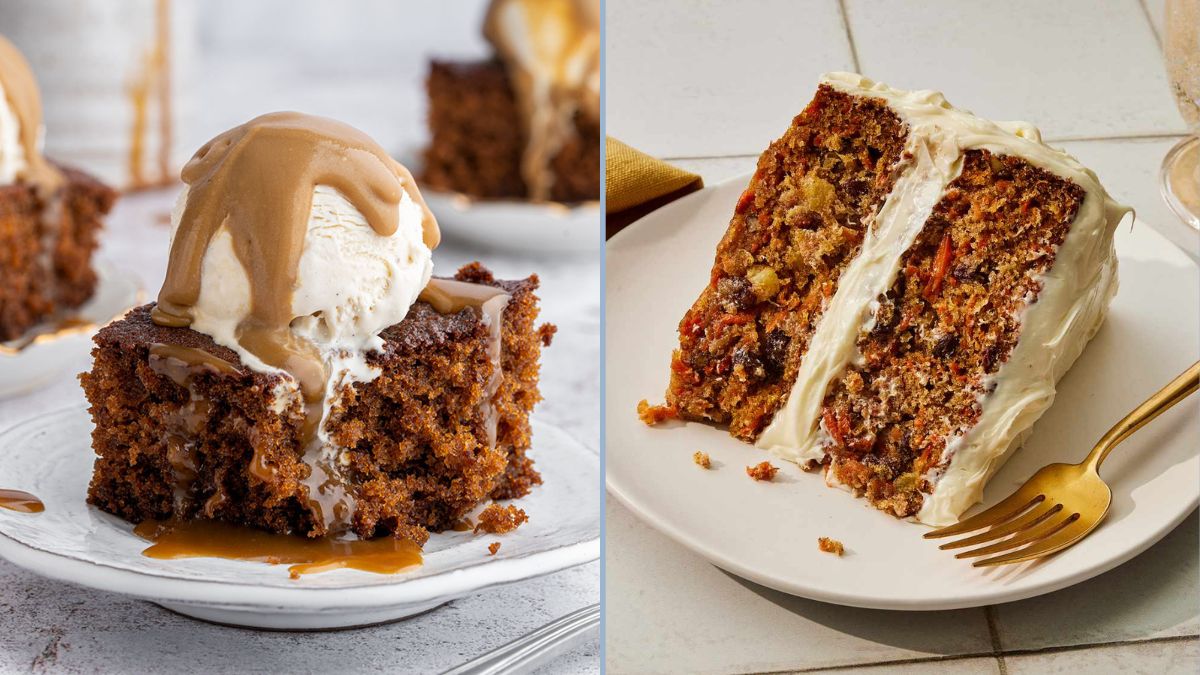
In recent years, the demand for dairy-free desserts has skyrocketed due to increasing awareness of lactose intolerance, vegan diets, and the desire for healthier alternatives. While traditional desserts often rely heavily on milk, cream, butter, and cheese, it is entirely possible to create decadent, flavorful, and satisfying desserts without any dairy. With the right techniques, ingredients, and creativity, dairy-free desserts can rival—and sometimes surpass—their conventional counterparts in taste, texture, and nutritional value. This article explores strategies for making dairy-free desserts that are delicious, accessible, and suitable for a vegetarian lifestyle.
Understanding Dairy-Free Desserts
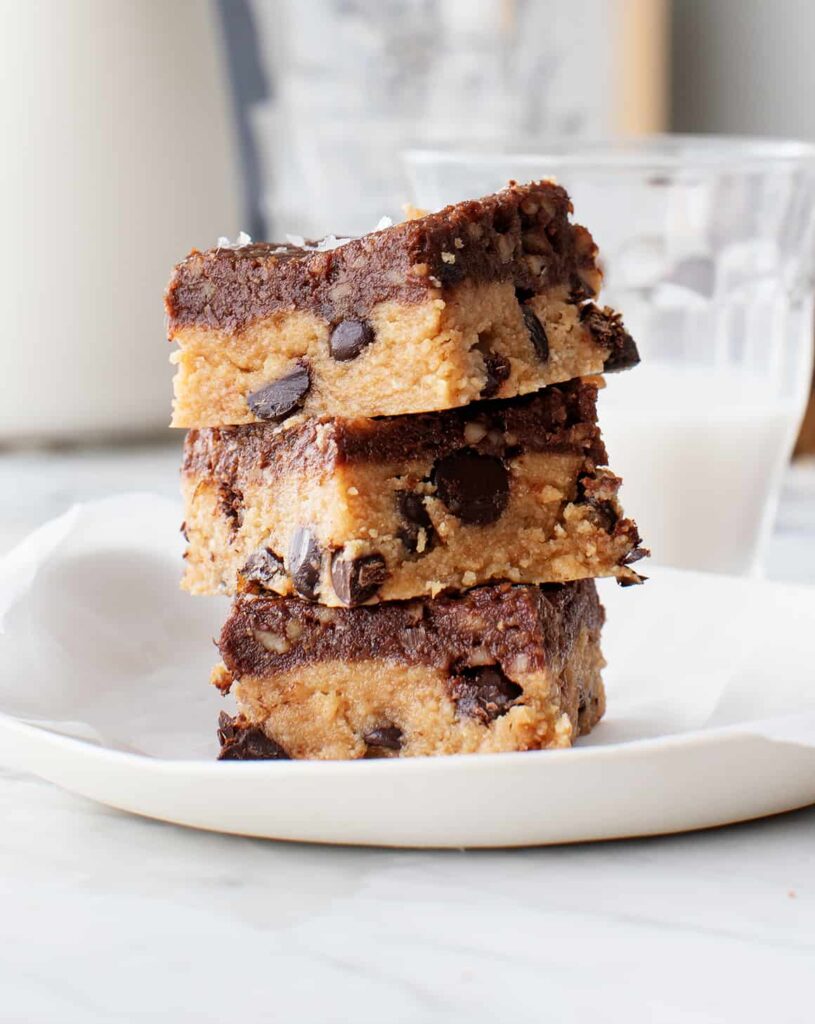
Dairy-free desserts exclude animal-based milk and milk products, such as butter, cream, and cheese. Instead, they use plant-based alternatives that provide creaminess, moisture, and flavor. Common ingredients in dairy-free desserts include:
- Plant-based milks: Almond, soy, oat, coconut, or rice milk
- Non-dairy creams: Coconut cream, cashew cream, or soy-based creamers
- Dairy-free butter substitutes: Coconut oil, vegan margarine, or nut butters
- Nut and seed milks: For custards, puddings, or ice creams
Dairy-free desserts can encompass a wide variety of treats, including cakes, cookies, ice cream, puddings, mousses, and tarts, allowing for endless creativity while maintaining a plant-based approach.
The Benefits of Dairy-Free Desserts
Creating dairy-free desserts offers numerous benefits for both health and lifestyle:
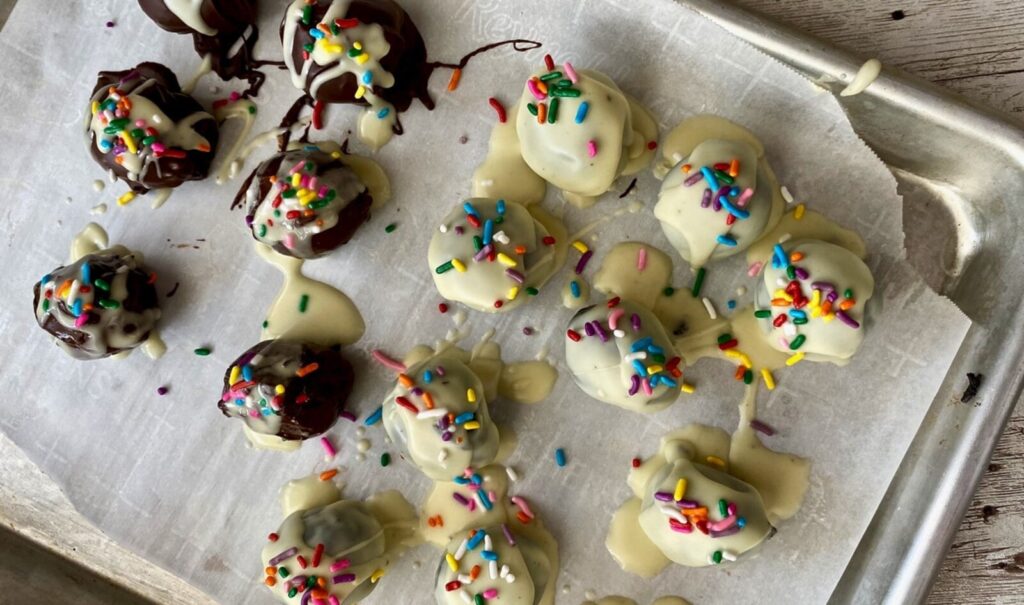
1. Lactose Intolerance-Friendly
Many individuals are lactose intolerant, meaning they cannot properly digest lactose, the sugar found in milk. Dairy-free desserts eliminate digestive discomfort while allowing these individuals to enjoy sweet treats.
2. Lower in Saturated Fats
Plant-based dairy alternatives often contain less saturated fat compared to traditional dairy products, which can contribute to better heart health when used appropriately.
3. Rich in Nutrients
Using whole-food ingredients such as nuts, seeds, coconut, and fruits introduces fiber, healthy fats, and micronutrients into desserts that may otherwise be high in sugar and empty calories.
4. Suitable for Vegan Diets
Dairy-free desserts align perfectly with vegan and plant-based lifestyles, providing options for individuals avoiding all animal-derived ingredients while still enjoying indulgent treats.
5. Culinary Creativity
Replacing dairy encourages experimentation with new flavors, textures, and techniques, often resulting in innovative and visually stunning desserts.
Key Techniques for Dairy-Free Baking and Dessert Making
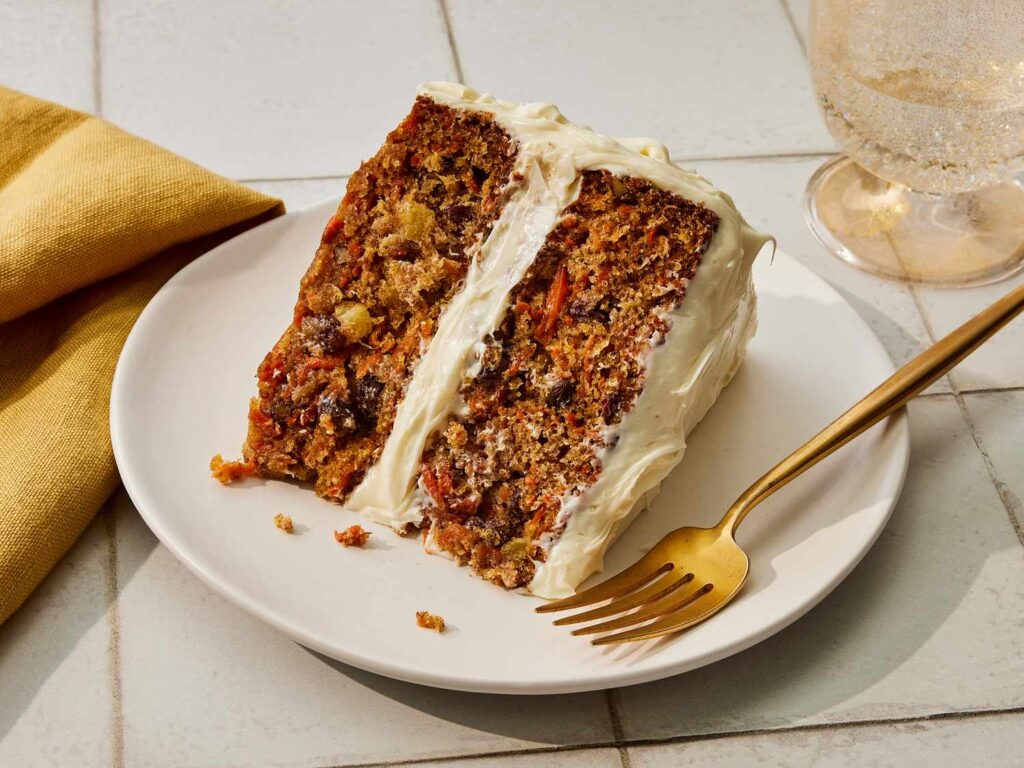
The key to creating delicious dairy-free desserts is understanding how to replicate the role of dairy in traditional recipes. Dairy often contributes moisture, fat, creaminess, and structure. Here are essential techniques to achieve similar results without animal products:
1. Moisture Replacement
Milk and cream add moisture to baked goods and desserts. Plant-based alternatives can be used in a 1:1 ratio for most recipes:
- Almond, soy, or oat milk: Great for cakes, muffins, and puddings
- Coconut milk: Adds richness and works well in custards or creamy desserts
- Cashew cream: Blends smoothly for mousses, cheesecake, or frostings
2. Fat Replacement
Butter contributes richness, flavor, and structure to baked goods. Healthy plant-based fats can replicate this effect:
- Coconut oil: Solid at room temperature, melts during baking, similar to butter
- Vegan margarine: Works well for cookies and pastries
- Nut butters: Almond, peanut, or cashew butter adds both fat and flavor
3. Creaminess and Stability
Desserts such as mousses, puddings, and custards rely on dairy for smooth texture. Non-dairy alternatives can achieve creaminess:
- Blended silken tofu: Adds a creamy texture to pies, puddings, and cheesecakes
- Cashew cream: Soaked and blended cashews create thick, smooth bases for desserts
- Coconut cream: Chilled and whipped, it can mimic heavy cream for frostings and mousses
4. Binding Agents
Dairy often helps with structure and binding. In dairy-free desserts, other ingredients can help:
- Flaxseed or chia “eggs”: 1 tablespoon of ground seed + 3 tablespoons of water
- Applesauce or mashed banana: Adds moisture and mild sweetness
- Agar-agar or arrowroot powder: Helps thicken custards, puddings, and gels
5. Flavor Enhancement
Dairy provides richness and subtle sweetness. To enhance flavor in dairy-free desserts:
- Add vanilla, cinnamon, or nutmeg for depth
- Use citrus zest or extracts for brightness
- Incorporate toasted nuts or seeds for texture and nutty undertones
Popular Dairy-Free Dessert Ideas
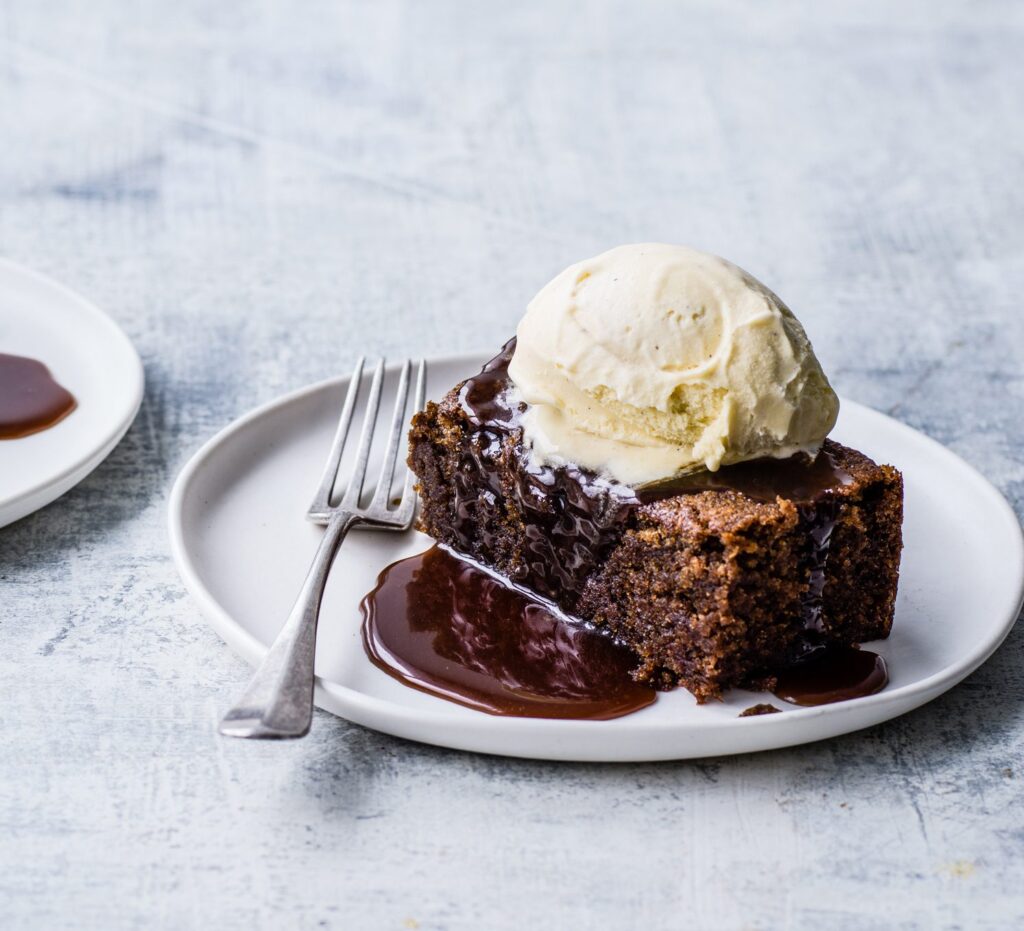
Here are some delicious dairy-free dessert categories with examples and techniques:
1. Cakes and Muffins
- Coconut Banana Bread: Use coconut oil and almond milk for moist, flavorful loaves
- Vegan Chocolate Cake: Replace butter with coconut oil and milk with soy milk; add apple cider vinegar for lift
- Oatmeal Muffins: Incorporate oats, mashed bananas, and almond milk for hearty, sweet treats
2. Cookies and Bars
- Nut Butter Cookies: Peanut or almond butter replaces some fat, keeping cookies soft
- Date and Oat Bars: Blend dates, oats, and nuts for chewy, naturally sweetened bars
- Vegan Chocolate Chip Cookies: Use coconut oil instead of butter and flax eggs instead of eggs
3. Puddings and Custards
- Chia Seed Pudding: Combine chia seeds with almond or coconut milk, sweeten naturally with maple syrup, and top with fruits
- Coconut Milk Rice Pudding: Creamy texture from coconut milk and naturally sweetened with dates
- Cashew Cream Custard: Blend soaked cashews with plant milk, vanilla, and a thickening agent for decadent desserts
4. Frozen Desserts
- Vegan Ice Cream: Coconut milk or cashew cream provides creaminess; sweeten with maple syrup or fruit puree
- Fruit Sorbets: Naturally sweet, refreshing, and entirely dairy-free
- Frozen Yogurt Alternatives: Use coconut or soy yogurt as the base for a creamy treat
5. Cheesecake and Tarts
- No-Bake Cashew Cheesecake: Blended cashews, coconut cream, and lemon juice for a tangy, creamy filling
- Vegan Chocolate Tart: Use almond flour crust and coconut cream-chocolate ganache filling
- Fruit Tarts: Fill with dairy-free custard or almond cream for a rich, indulgent flavor
Tips for Successful Dairy-Free Desserts
- Measure Carefully: Consistency is key in dairy-free baking, especially with alternative flours and fats.
- Experiment Gradually: Replace dairy ingredients step by step to understand how they affect texture and flavor.
- Focus on Fat Quality: Use unrefined coconut oil or nut butters for richer taste.
- Add Moisture Where Needed: Many plant-based alternatives absorb more liquid, so adjust accordingly.
- Embrace Natural Sweetness: Incorporate fruits, dates, or maple syrup to reduce refined sugar.
- Balance Flavors: Plant-based fats may have unique flavors; pair them with complementary spices, extracts, or fruits.
Conclusion
Dairy-free desserts prove that indulgence and health can coexist. By understanding the role of dairy in traditional recipes and applying thoughtful substitutions, plant-based ingredients can provide creaminess, moisture, and structure without compromising flavor. Using plant-based milks, oils, nut butters, and natural sweeteners, bakers can create an array of desserts that satisfy cravings, suit vegetarian diets, and cater to those with lactose intolerance or vegan preferences.
From decadent cakes to creamy custards, chewy cookies to frozen treats, the possibilities are endless. With creativity, experimentation, and a focus on wholesome ingredients, dairy-free desserts can be just as indulgent, satisfying, and memorable as traditional versions. By embracing these techniques, anyone can make dairy-free desserts that actually taste amazing, demonstrating that plant-based baking is both a culinary art and a path to healthier, more compassionate eating.