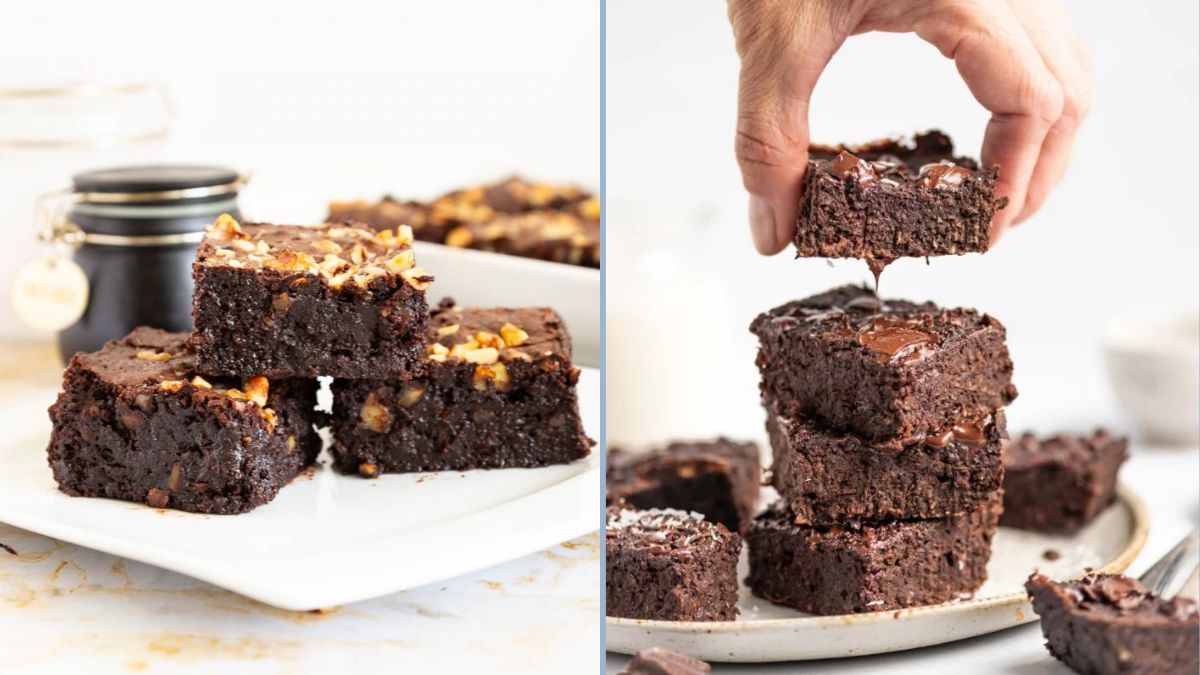
Brownies are a universally loved dessert, celebrated for their rich chocolate flavor, fudgy texture, and comforting aroma. Yet traditional brownie recipes often rely on butter, refined sugar, and white flour, which can make them indulgent but less nutritious. The good news is that it is entirely possible to create brownies that are moist, flavorful, and satisfying while incorporating healthier, plant-based ingredients. This article delves into the science of brownie baking, secrets to achieving the perfect texture, and practical swaps to make brownies both delicious and more nutritious.
Understanding the Science of Brownies
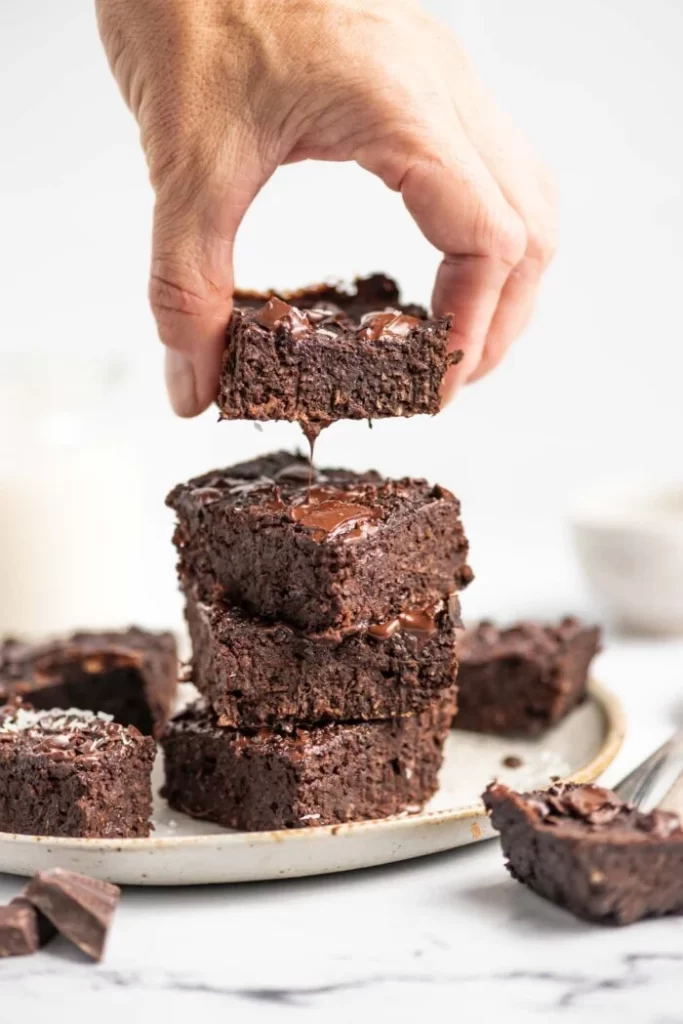
Brownies occupy a unique space between cakes and cookies. Their texture can range from cakey to fudgy depending on ingredient ratios and techniques. Understanding the underlying science helps bakers consistently produce high-quality results.
1. Role of Fat
Fat contributes to richness, tenderness, and moisture in brownies. Traditional recipes often use butter, which adds flavor but also saturated fat. Fat coats flour proteins, limiting gluten formation, resulting in softer, denser brownies. In plant-based baking, fats such as coconut oil, avocado oil, or nut butters can replicate this effect while offering heart-healthy alternatives.
2. Role of Sugar
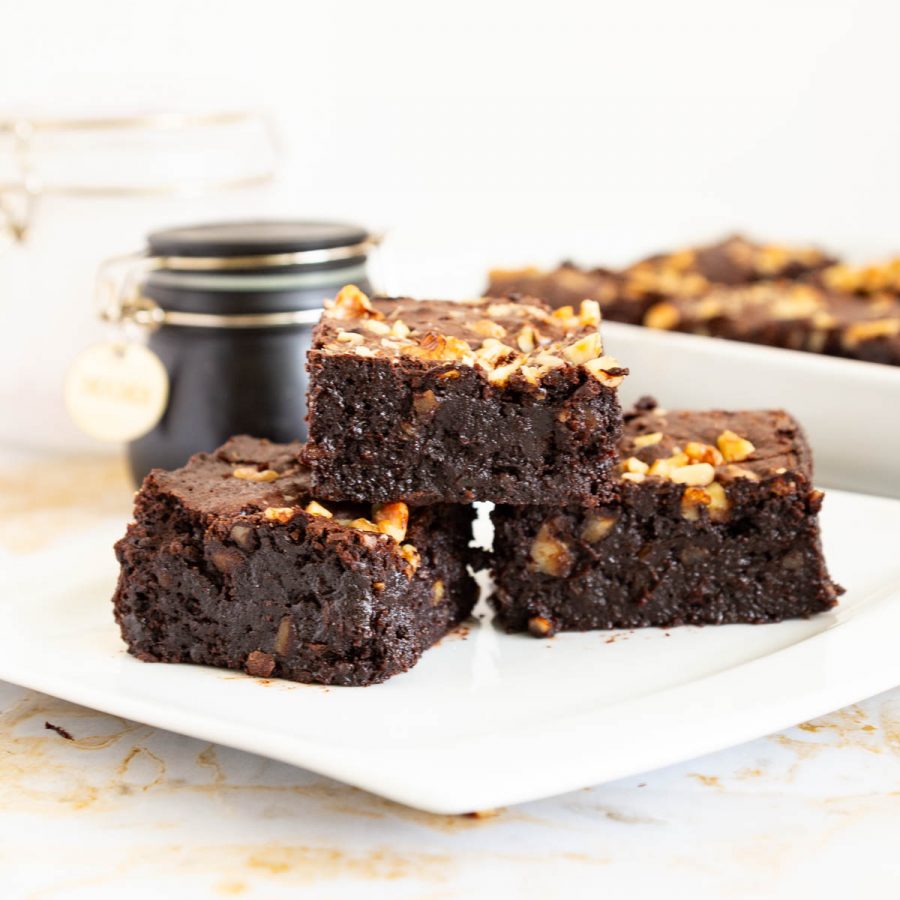
Sugar not only sweetens brownies but also affects texture, moisture retention, and browning. Sugar helps dissolve and trap water, keeping brownies moist, and reacts with heat to create a desirable crust. Using natural sweeteners like maple syrup, coconut sugar, or mashed dates can achieve similar results while reducing refined sugar content.
3. Role of Flour
Flour provides structure through gluten formation. In brownies, the goal is minimal gluten development to maintain a tender, fudgy texture. Whole-grain or alternative flours like almond, oat, or spelt can be used to boost nutrition without drastically altering texture, especially when combined with lighter flours.
4. Eggs and Binders
Eggs traditionally bind ingredients, add moisture, and contribute to structure. Vegan or egg-free alternatives, such as flaxseed or chia “eggs” and mashed bananas, can provide binding and moisture while keeping brownies plant-based.
5. Chocolate and Cocoa
The type of chocolate or cocoa powder influences flavor and texture. Unsweetened cocoa powder yields a rich, deep chocolate taste, while vegan dark chocolate or cacao nibs enhance both taste and nutrition.
Secrets to the Perfect Brownie
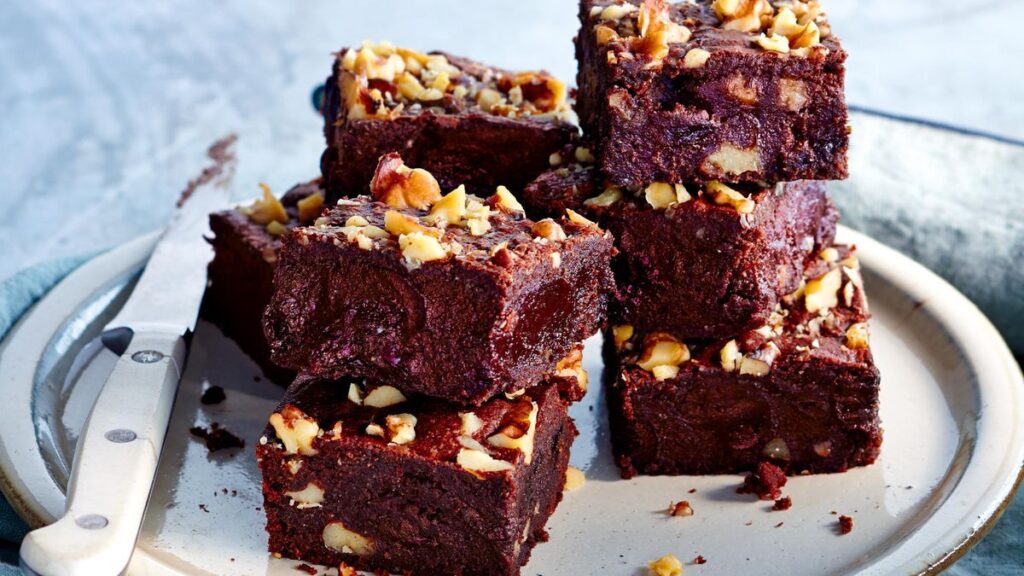
Achieving the ideal brownie requires balancing ingredients and techniques. The following tips help create consistent, flavorful results:
1. Choose the Right Chocolate
Use high-quality cocoa or chocolate with at least 60–70% cocoa content. For extra richness, melt dark chocolate and mix it with cocoa powder to enhance fudginess and depth of flavor.
2. Measure Ingredients Accurately
Brownies are sensitive to ingredient ratios. Too much flour can make them dry, while excess fat can make them greasy. Weigh ingredients when possible for precision.
3. Adjust Mixing Technique
Overmixing develops gluten and can create a tough, cake-like texture. Mix until ingredients are just combined for fudgy, tender brownies.
4. Bake at the Right Temperature
Moderate oven temperatures (around 175°C / 350°F) allow brownies to cook evenly. Overbaking dries them out; underbaking may leave the center too gooey. A toothpick inserted in the center should come out with a few moist crumbs for fudgy brownies.
5. Let Brownies Rest
Allowing brownies to cool completely before slicing helps them set and enhances flavor. Refrigeration for a short period can further improve texture, making them easier to cut into neat squares.
Healthier Swaps for Nutritious Brownies
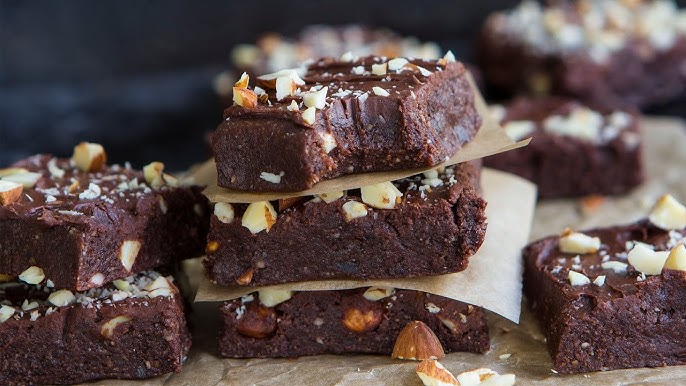
Making brownies healthier does not mean compromising taste. Thoughtful ingredient swaps can reduce sugar, saturated fat, and refined flour while adding nutrients, fiber, and protein.
1. Flour Alternatives
- Whole Wheat Flour: Increases fiber and minerals, adding subtle nuttiness.
- Oat Flour: Light, naturally sweet, and gluten-friendly; ideal for fudgy brownies.
- Almond or Hazelnut Flour: Adds protein, healthy fats, and moist texture.
- Spelt or Chickpea Flour: High in nutrients, ideal for dense, fudgy brownies.
2. Sweetener Alternatives
- Maple Syrup or Agave Nectar: Natural sweeteners with lower glycemic impact.
- Coconut Sugar: Less processed, retains trace minerals, and provides caramel notes.
- Mashed Dates or Bananas: Add natural sweetness, moisture, and fiber.
3. Fat Alternatives
- Coconut Oil: Solid at room temperature, melts during baking, adds richness.
- Avocado Oil: Neutral flavor, heart-healthy monounsaturated fat.
- Nut Butters: Almond, peanut, or cashew butter enhances texture and protein content.
- Unsweetened Applesauce or Mashed Banana: Replaces some fat for lower-calorie, moist brownies.
4. Eggs and Binding Substitutes
- Flaxseed or Chia “Egg”: 1 tablespoon ground seeds + 3 tablespoons water per egg.
- Mashed Banana or Applesauce: Provides moisture and mild sweetness while binding ingredients.
- Silken Tofu: Blended smooth, works for fudgy texture and structure.
5. Boosting Nutrition and Flavor
- Nuts: Walnuts, almonds, or pecans add crunch and healthy fats.
- Seeds: Chia, flax, or pumpkin seeds for fiber, protein, and omega-3s.
- Dark Chocolate or Cacao Nibs: Adds antioxidants and texture.
- Spices: Cinnamon, espresso powder, or vanilla enhance depth and perceived sweetness.
Practical Tips for Baking Healthier Brownies
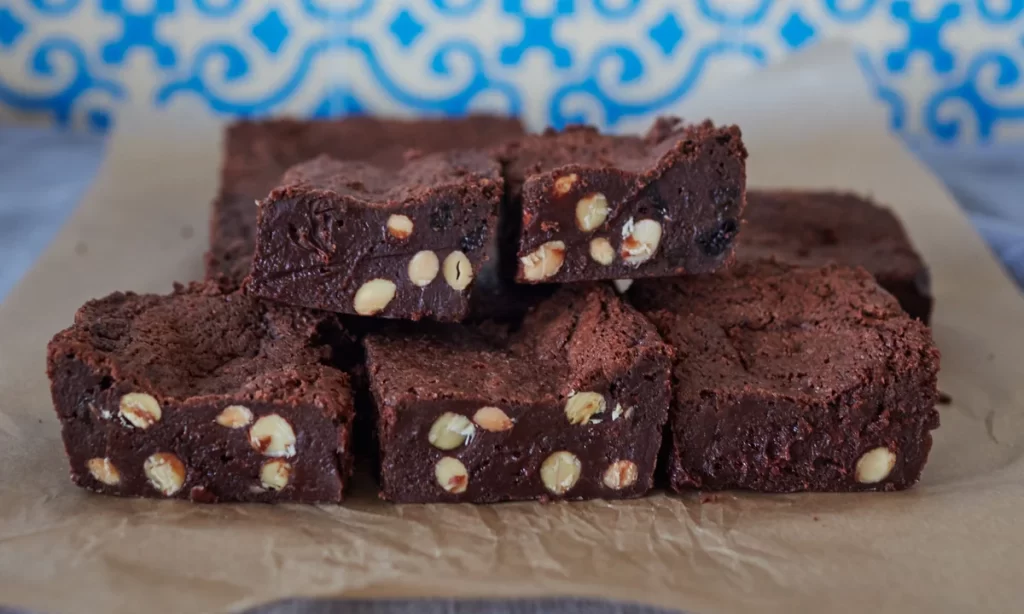
- Mix Wet Ingredients First: Blend plant-based fats, sweeteners, and eggs or substitutes before adding dry ingredients to ensure even distribution.
- Sift Cocoa Powder: Prevents clumps and ensures smooth, consistent chocolate flavor.
- Use a Nonstick or Lined Pan: Helps brownies release easily without excess oil.
- Experiment Gradually: Replace ingredients one at a time to maintain control over texture and flavor.
- Store Properly: Keep in an airtight container at room temperature for up to 3 days or refrigerate for up to a week.
Conclusion
The perfect brownie is a balance of rich chocolate flavor, tender texture, and just the right amount of sweetness. By understanding the science behind fat, sugar, flour, and chocolate, bakers can consistently achieve fudgy or cake-like brownies to suit their preference. Healthier swaps—such as whole-grain flours, plant-based fats, natural sweeteners, and egg alternatives—allow for nutritious brownies that do not compromise taste or indulgence.
Whether you prefer classic, fudgy brownies or adventurous variations with nuts, seeds, or fruit, the possibilities are endless. Dairy-free, plant-based, and nutrient-rich ingredients enhance the flavor and texture while providing added benefits, making brownies suitable for vegetarian diets and those seeking healthier indulgence.
Ultimately, creating the perfect brownie involves a combination of science, technique, and creativity. By experimenting with ingredient substitutions and understanding the roles of each component, bakers can enjoy rich, moist, and flavorful brownies that are both satisfying and more nutritious. This approach demonstrates that indulgent desserts and health-conscious baking can coexist harmoniously, offering a delicious example of mindful, modern baking.