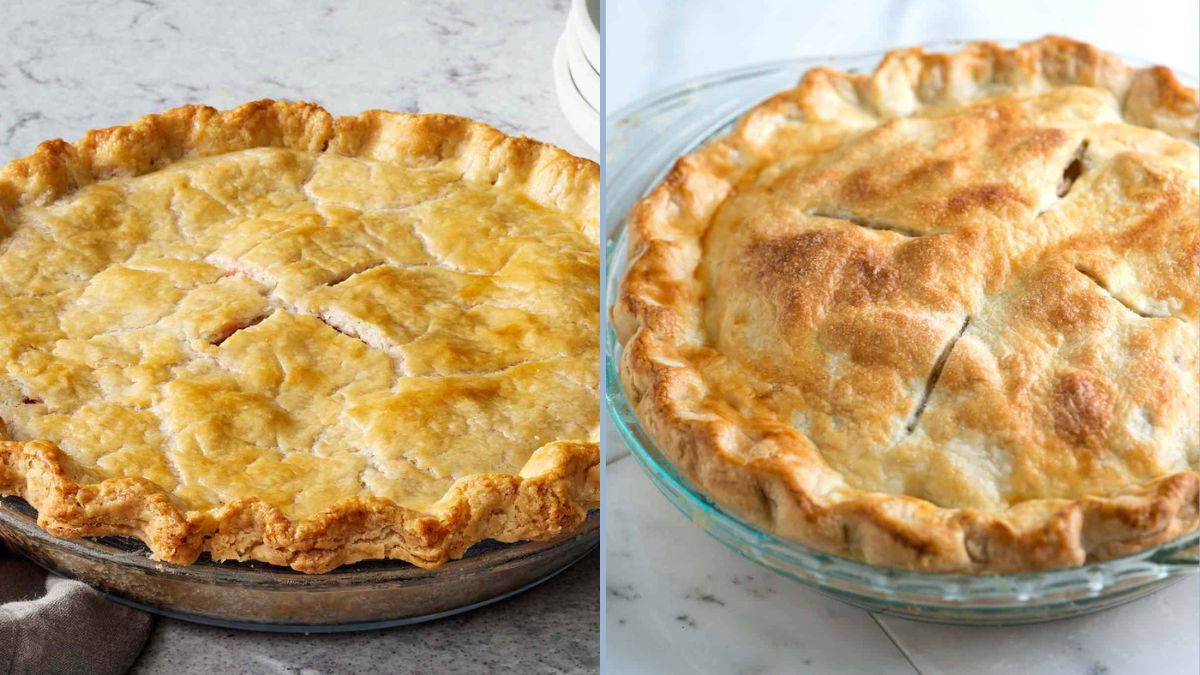
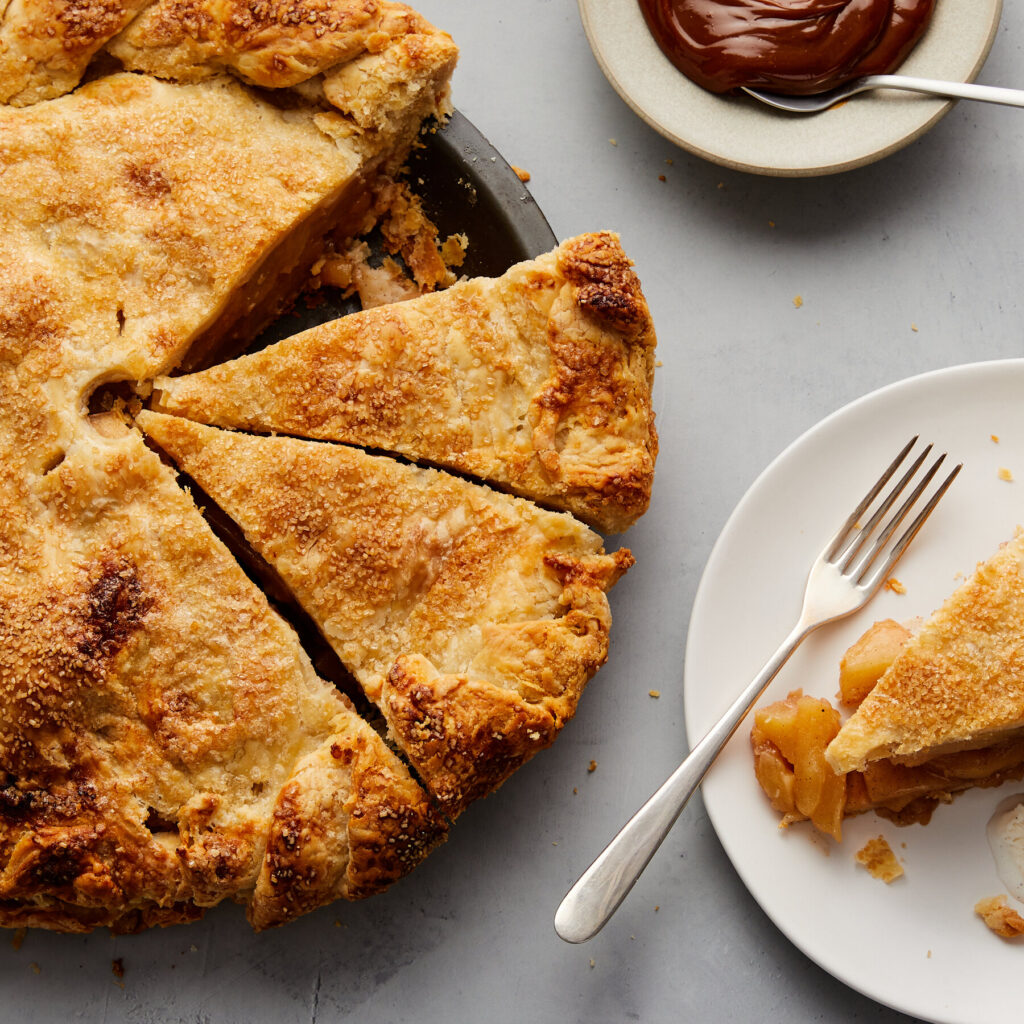
Few baked goods evoke as much admiration as a perfectly baked pie crust. Whether savory or sweet, the ideal pie crust is tender yet flaky, buttery yet structured, and golden brown with a delicate texture that melts in your mouth. While it may seem simple, achieving this balance requires understanding the science behind the ingredients and techniques. Mastering pie crusts is a rewarding endeavor that elevates every pie, tart, and quiche. This article explores the science of pie crust, common pitfalls, ingredient considerations, and expert techniques to consistently create flawless crusts every time.
Understanding the Science of Pie Crust
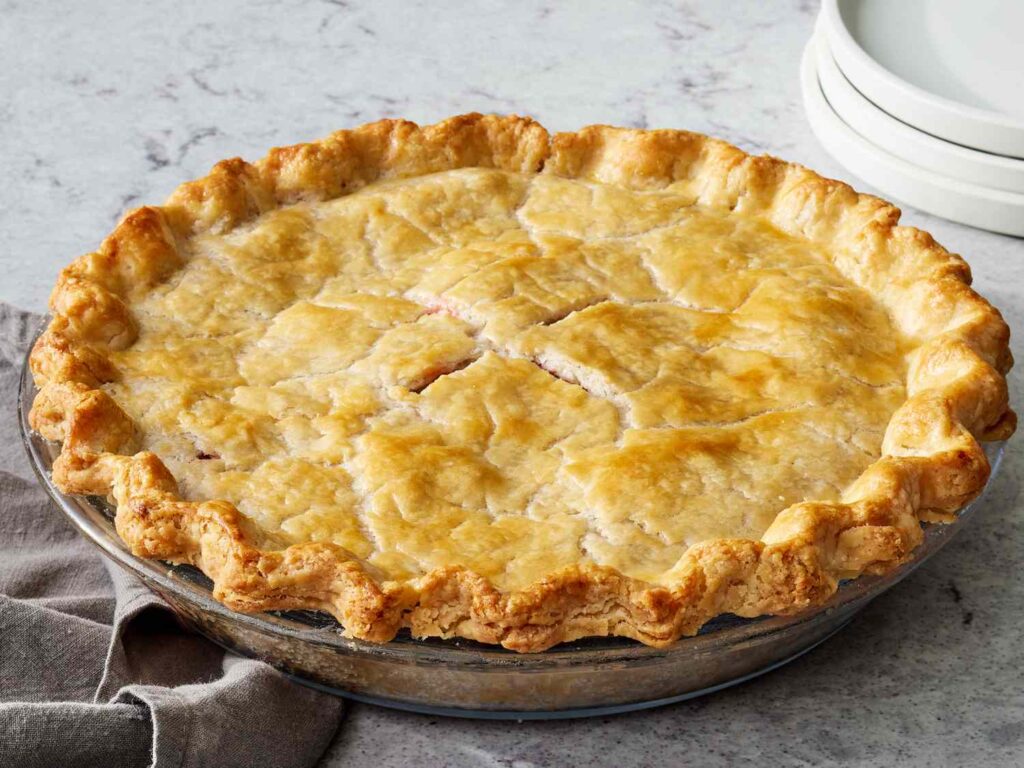
Pie crust is essentially a mixture of flour, fat, liquid, and sometimes sugar or salt, baked into a delicate, layered structure. Its texture depends on the interaction of these ingredients, especially gluten development and fat incorporation.
1. Flour and Gluten Formation
Flour provides structure through gluten, a network of proteins that develops when flour is mixed with liquid. In pie crust, the goal is to minimize gluten development to achieve tenderness. Overmixing activates gluten excessively, producing a tough, dense crust. Using all-purpose flour, which has moderate protein content, is standard. Lower-protein flours, such as pastry flour, produce more tender results, while whole-grain flours add flavor and nutrition but can make the crust heavier.
2. Fat and Flakiness
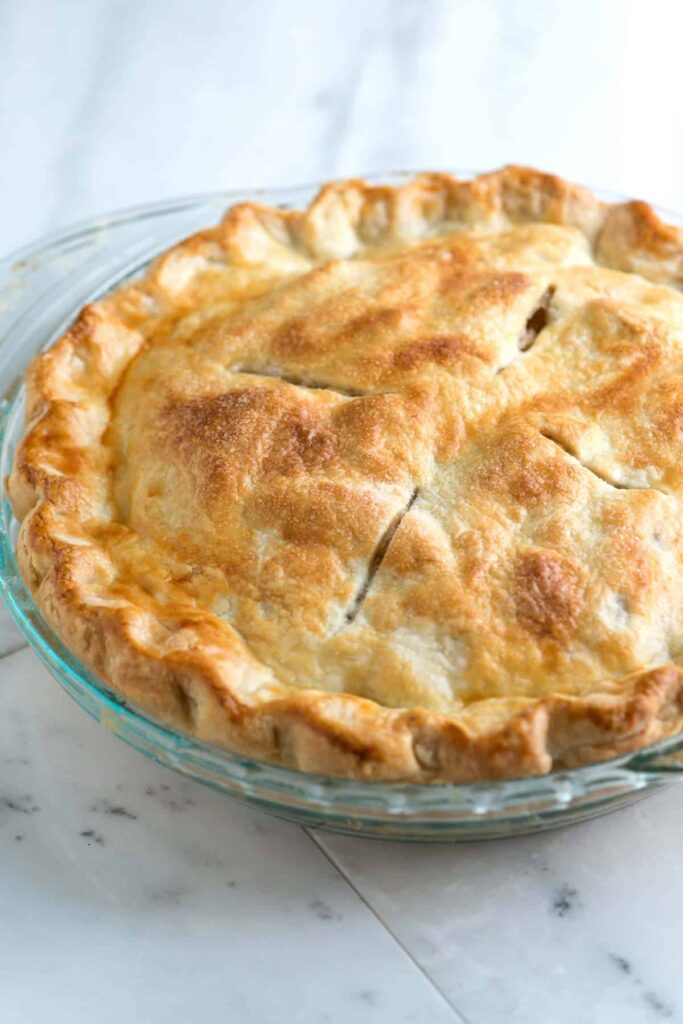
Fat is critical for both flavor and texture. It coats flour proteins, preventing excessive gluten formation and creating layers of tenderness. The type of fat affects the final product:
- Butter: Adds rich flavor and creates pockets of steam for flakiness.
- Coconut oil or vegetable shortening: Produces tender, sometimes flakier crusts, though flavor differs slightly from butter.
- Blended fats: Combining butter with shortening or coconut oil can balance flavor and texture.
The technique of incorporating fat—cutting it into small pieces or cubes and distributing it evenly—creates the characteristic layers in flaky crusts.
3. Liquid and Hydration
Liquid binds the flour and fat, forming a cohesive dough. The amount and type of liquid impact texture:
- Cold water: Commonly used to prevent fat from melting prematurely, maintaining flakiness.
- Plant-based milks: Almond, soy, or oat milk can add subtle flavor and work in vegetarian or vegan crusts.
- Minimal liquid: Prevents a tough crust; add just enough for dough cohesion.
4. Temperature Control
Temperature is critical for achieving a flaky crust:
- Cold ingredients: Keep fat and liquid chilled to prevent premature melting.
- Cold handling: Avoid overworking the dough; warm hands can melt fat and toughen the crust.
- Chilling before baking: Allows gluten to relax and fat to firm up, producing a better rise and flakiness.
Common Challenges in Pie Crust Baking
Even experienced bakers encounter challenges, including:
- Tough or chewy crust: Often caused by overmixing or adding too much liquid.
- Shrinking during baking: Results from overstretched dough, insufficient chilling, or too little fat.
- Soggy bottom crust: Caused by wet fillings or inadequate prebaking.
- Uneven browning: Can occur if the crust is too thick in some areas or oven temperature is uneven.
Understanding these pitfalls allows bakers to troubleshoot and improve results consistently.
Techniques for Mastering Pie Crust
1. Proper Mixing Method
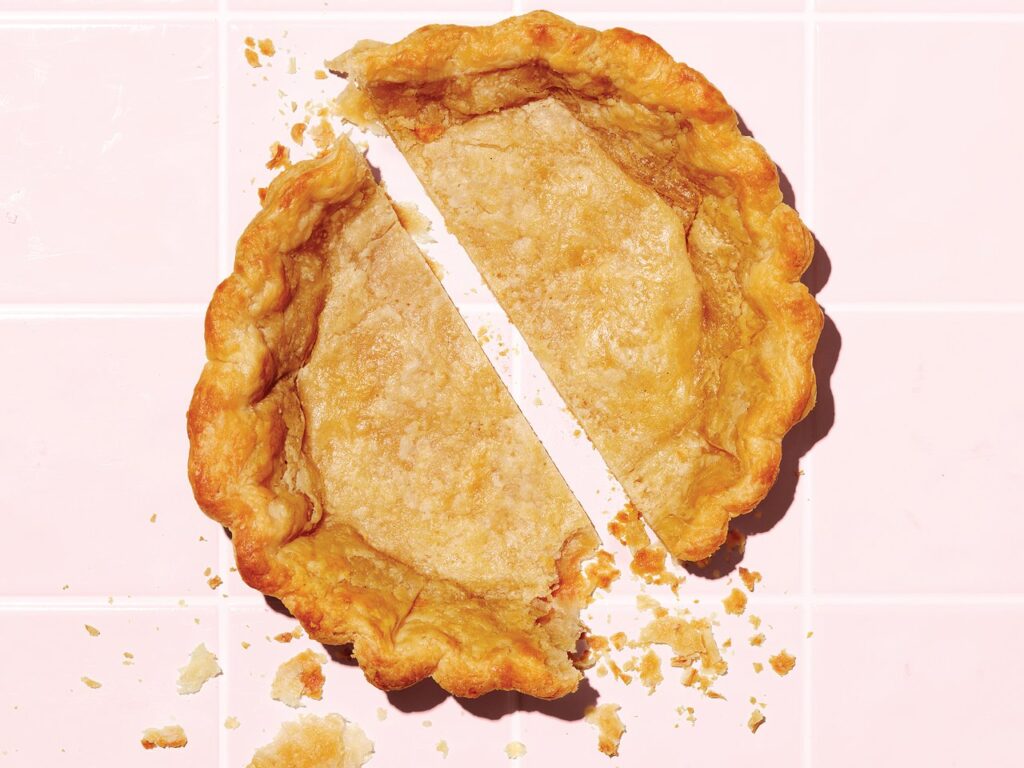
The “cutting-in” method is standard for flaky pie crusts. Use a pastry cutter, two knives, or even clean fingers to combine flour and fat until the mixture resembles coarse crumbs. Some small pea-sized chunks of fat should remain to create layers during baking.
2. Minimal Handling
Handle the dough as little as possible. Overworking activates gluten and can melt fat, resulting in a tough crust. Once liquid is added, gently bring the dough together without kneading.
3. Chilling the Dough
After forming the dough into a disk, wrap and chill for at least 30 minutes. Chilling allows gluten to relax, reduces shrinkage, and helps the fat firm up for flakiness. For complex tarts or double crusts, chill each layer separately.
4. Rolling Techniques
- Use a lightly floured surface and rolling pin.
- Roll from the center outward, rotating the dough to maintain an even circle.
- Avoid rolling back and forth excessively to prevent toughening the dough.
- Keep dough cool; if it becomes too soft, chill before proceeding.
5. Blind Baking
For pies with wet fillings or custards, blind baking prevents sogginess:
- Line the crust with parchment and fill with pie weights or dried beans.
- Bake until edges are slightly golden, then remove weights and finish baking if needed.
6. Avoiding Shrinkage
- Let dough rest after rolling to allow gluten to relax.
- Avoid stretching the dough into the pan; gently fit it to shape.
- Dock (prick) the bottom for single-crust pies to prevent air bubbles.
7. Creative Flavors and Variations
Pie crust can be customized for added flavor and nutrition:
- Whole-wheat or oat flour: Adds fiber and a nutty taste.
- Spices: Cinnamon, nutmeg, or cardamom can enhance sweet pies.
- Nuts or seeds: Ground almonds or sesame seeds add texture and subtle flavor.
- Sweetened crusts: A touch of sugar enhances browning and sweetness for dessert pies.
Tips for Storing Pie Dough
- Refrigeration: Up to 3 days, wrapped tightly in plastic to prevent drying.
- Freezing: Up to 2 months; thaw in the refrigerator before rolling.
- Rolling between parchment: Prevents sticking and allows easy transfer to pans.
Troubleshooting Common Problems
- Crust cracks when rolling: Let dough warm slightly or use a rolling pin between parchment paper.
- Edges burn before center is cooked: Cover edges with foil or a pie shield.
- Soggy bottom: Brush with egg wash or a thin layer of flour/cornmeal before filling; prebake if necessary.
Conclusion
Mastering pie crust is both a science and an art. Understanding the roles of flour, fat, liquid, and temperature allows bakers to manipulate texture, flavor, and structure to create the perfect crust. Attention to technique—cutting in fat properly, minimal handling, careful rolling, and appropriate chilling—ensures a tender, flaky result.
Customizing crust with whole grains, spices, nuts, or plant-based ingredients allows for versatility while maintaining nutritional value and flavor. By practicing these principles, home bakers can achieve consistently excellent results, whether creating classic fruit pies, savory tarts, or innovative dessert creations.
Ultimately, the perfect pie crust elevates every filling and adds a tactile, flavorful dimension to the pie-eating experience. Mastery requires patience, understanding, and attention to detail, but the rewards—crispy, tender, golden crusts that complement any filling—are well worth the effort. With the right techniques and a little experimentation, anyone can achieve pie perfection, creating memorable, visually appealing, and delicious baked goods every time.