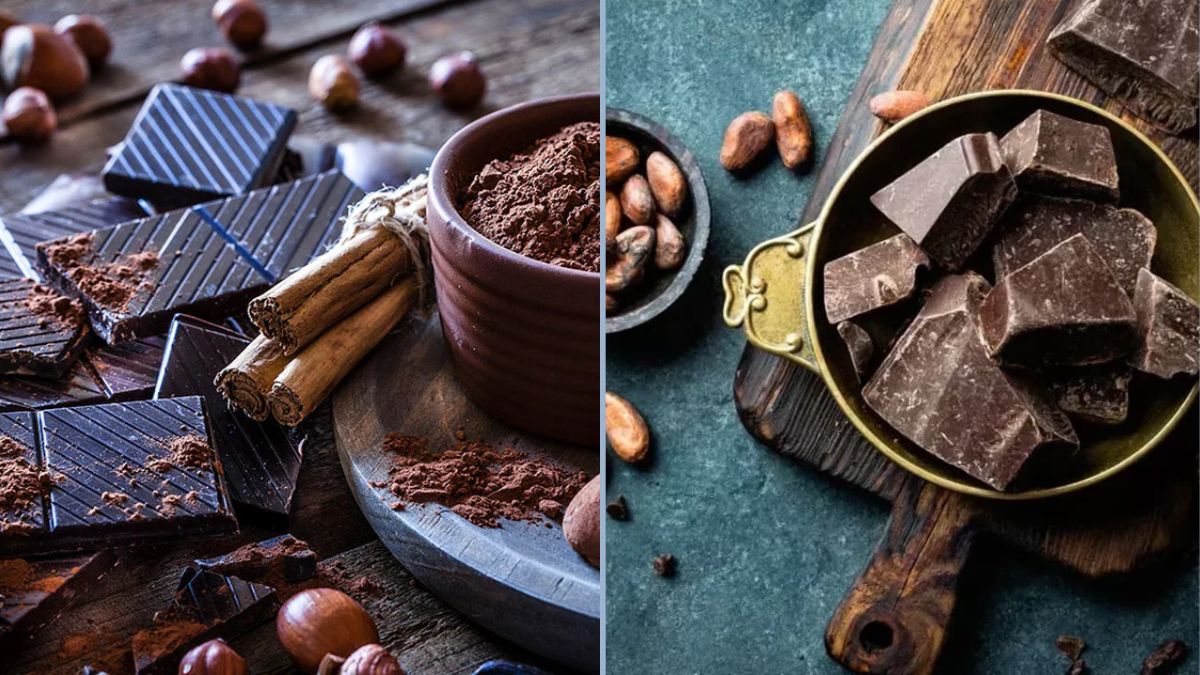
Dark chocolate is often celebrated for its rich flavor, luxurious texture, and the simple pleasure it brings to dessert lovers worldwide. Unlike milk chocolate, which is high in sugar and dairy, dark chocolate contains a higher concentration of cocoa solids, offering both intense taste and potential health benefits. By understanding its nutritional profile, selecting quality products, and practicing mindful consumption, dark chocolate can become a delicious yet health-conscious addition to a vegetarian diet. This article explores why dark chocolate is good for you, its potential health benefits, and strategies for enjoying it mindfully.
Understanding Dark Chocolate
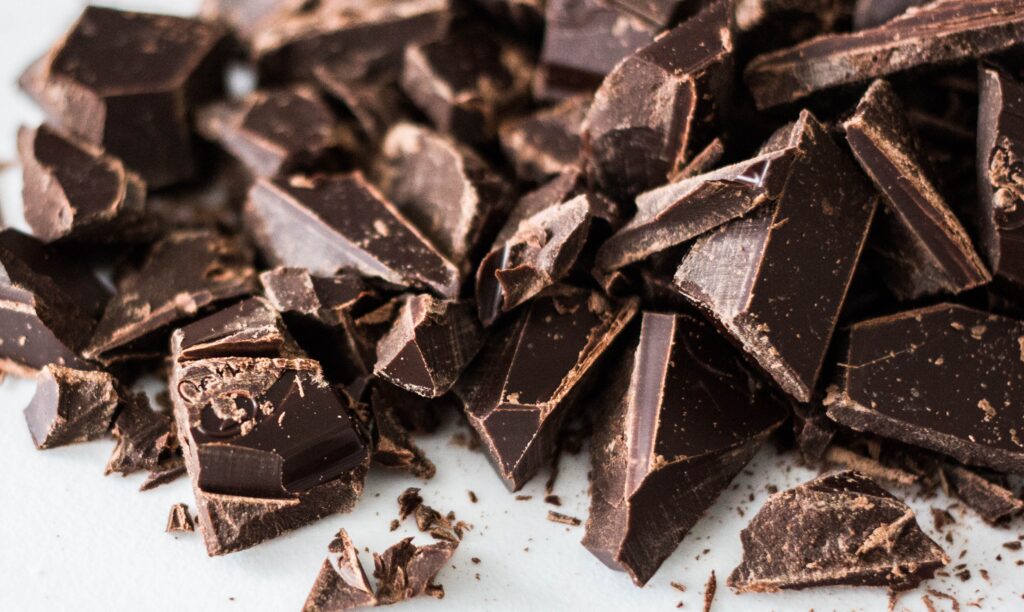
Dark chocolate is made from cocoa solids, cocoa butter, and minimal sweeteners, without the addition of milk solids found in milk chocolate. The percentage of cocoa indicates the proportion of cocoa solids and cocoa butter relative to sugar. For example, a 70% dark chocolate bar contains 70% cocoa and 30% sugar, resulting in a more bitter, intense flavor than lower-percentage chocolates.
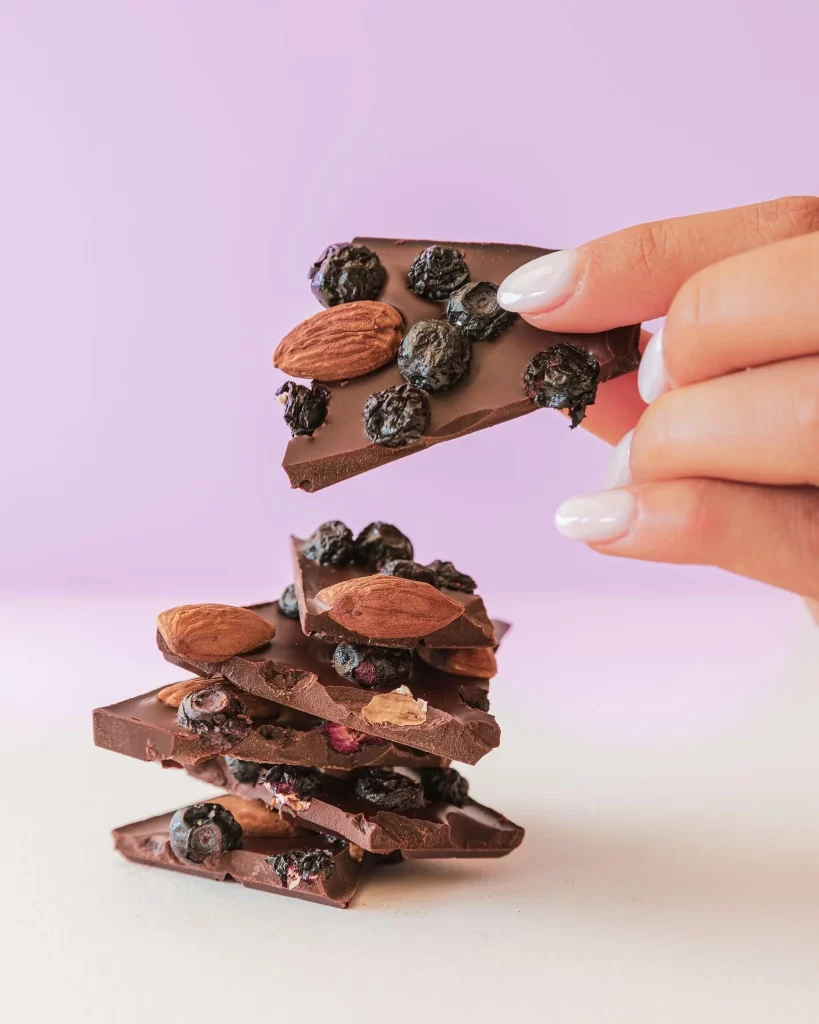
High-quality dark chocolate often includes natural ingredients like cocoa beans, cocoa butter, and natural sweeteners. Some products may also contain nuts, seeds, or dried fruits, enhancing flavor, texture, and nutritional value.
Nutritional Profile of Dark Chocolate
Dark chocolate is more than an indulgence; it is a nutrient-dense food that provides beneficial compounds in moderation. Key nutrients include:
- Flavonoids: Plant-based antioxidants that support cardiovascular health and reduce inflammation.
- Minerals: Magnesium, iron, copper, and manganese, which support energy metabolism, bone health, and immune function.
- Fiber: Cocoa solids contribute dietary fiber, aiding digestion and satiety.
- Healthy Fats: Cocoa butter contains monounsaturated and saturated fats that provide energy and enhance flavor.
Health Benefits of Dark Chocolate
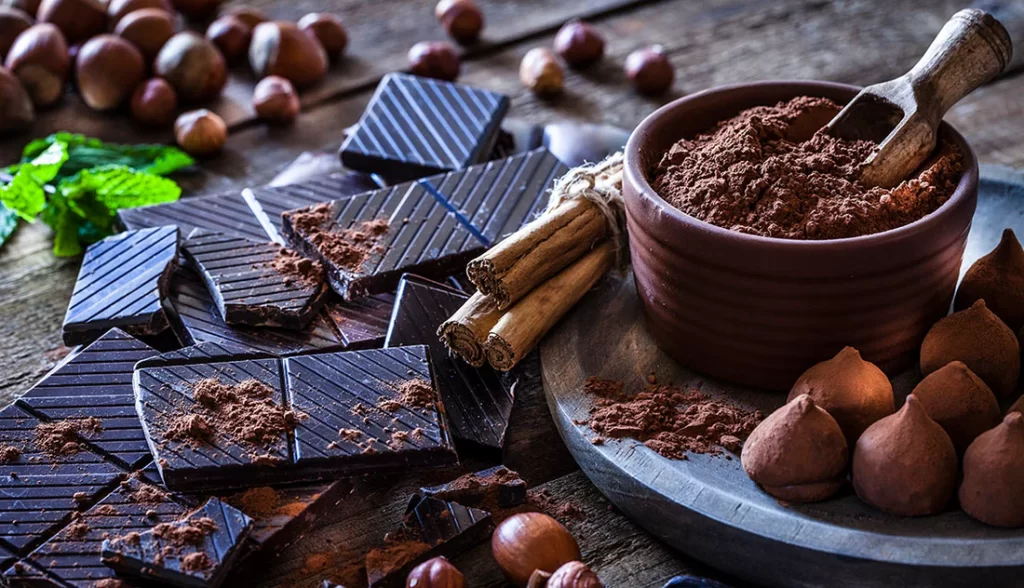
Numerous studies suggest that consuming moderate amounts of dark chocolate may support physical and mental well-being.
1. Heart Health
Dark chocolate is rich in flavanols, which help improve blood flow, lower blood pressure, and reduce LDL cholesterol oxidation. These compounds may contribute to a reduced risk of cardiovascular disease.
2. Antioxidant Properties
The antioxidants in dark chocolate, including polyphenols and flavonoids, combat oxidative stress, which is linked to aging and chronic diseases. Regular, moderate consumption may enhance overall cellular health.
3. Brain Function
Flavanols in dark chocolate can improve blood flow to the brain, potentially enhancing cognitive function, attention, and memory. Additionally, dark chocolate stimulates the release of endorphins and serotonin, which can improve mood.
4. Blood Sugar Regulation
Despite its sweetness, dark chocolate with 70% or higher cocoa content has a low glycemic index, leading to slower sugar absorption and less pronounced blood sugar spikes. This makes it a better choice than milk chocolate or sugary confections.
5. Digestive Health
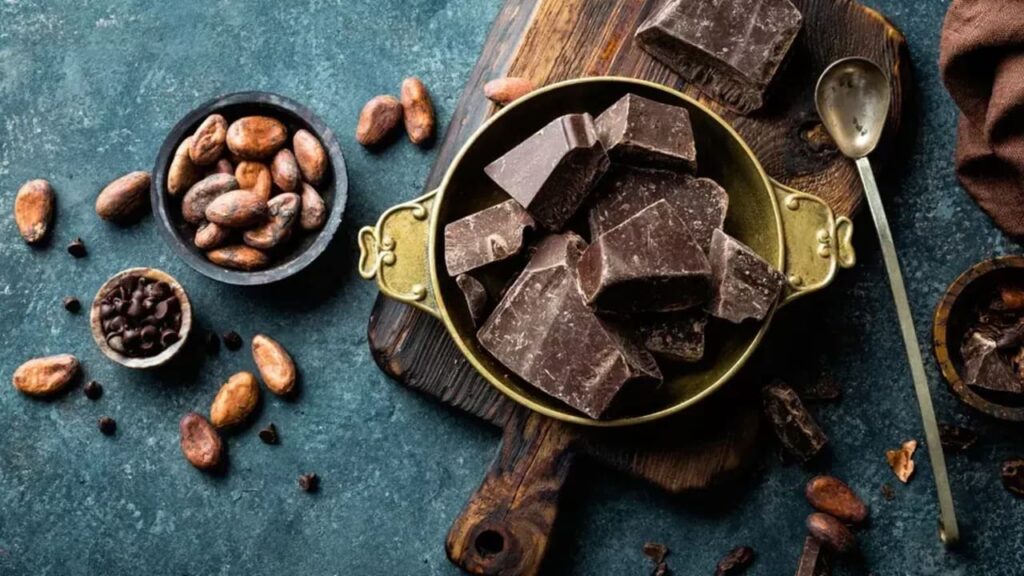
The dietary fiber in dark chocolate supports gut health by feeding beneficial bacteria. Cocoa also contains polyphenols that may contribute to a healthy gut microbiome, promoting digestion and immunity.
6. Anti-Inflammatory Effects
Flavanols and other bioactive compounds in dark chocolate have been shown to reduce markers of inflammation, which may contribute to overall health and wellness.
How to Choose Quality Dark Chocolate
Not all dark chocolate is created equal. To maximize both flavor and health benefits, consider the following:
- Cocoa Content: Aim for at least 70% cocoa solids for maximum antioxidant benefits.
- Minimal Additives: Choose products with few ingredients, avoiding artificial flavors, excessive sugar, or hydrogenated oils.
- Organic or Fair-Trade: Supports environmentally responsible production and ensures cocoa quality.
- Complementary Ingredients: Nuts, seeds, or dried fruits can enhance both taste and nutritional content.
Mindful Ways to Enjoy Dark Chocolate
Enjoying dark chocolate mindfully enhances both its health benefits and pleasure. Mindful consumption involves paying attention to taste, texture, and satisfaction rather than eating mindlessly.
1. Portion Control
While dark chocolate offers health benefits, it is calorie-dense. Limit portions to 20–30 grams per day or a small square or two, savoring each bite.
2. Slow Eating
Take time to smell, feel, and taste the chocolate. Let it melt slowly in your mouth to fully appreciate its aroma, flavor, and texture. This practice enhances satisfaction and helps prevent overeating.
3. Pair with Nutrient-Dense Foods
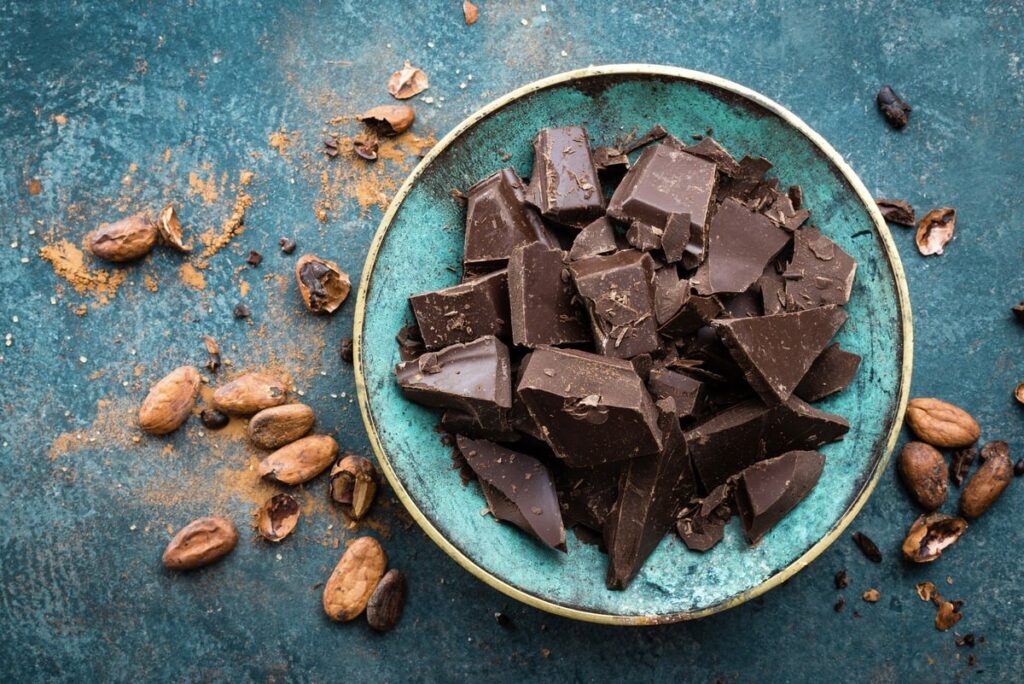
Combine dark chocolate with fruits like berries, nuts, or seeds for a nutrient-packed snack. The combination adds fiber, protein, and healthy fats, while complementing chocolate’s flavor profile.
4. Use in Healthy Recipes
Incorporate dark chocolate into recipes without overloading on sugar or fat:
- Smoothie Bowls: Add cacao nibs or dark chocolate shavings to plant-based smoothie bowls.
- Baked Goods: Replace some sugar or milk chocolate with dark chocolate in muffins, granola, or cookies.
- Trail Mix: Combine dark chocolate chunks with nuts, seeds, and dried fruits for energy-rich snacks.
- Hot Chocolate: Use unsweetened cocoa powder and plant-based milk for a creamy, lower-sugar alternative.
5. Avoid Mindless Snacking
Reserve chocolate as a treat, not an everyday convenience snack. Enjoy it as part of a mindful eating routine to appreciate both taste and nutrition.
Special Considerations
- Moderation: Excessive consumption can lead to weight gain or digestive discomfort. Stick to small portions.
- Caffeine Content: Dark chocolate contains caffeine, which may affect sensitive individuals. Limit consumption in the evening.
- Allergies: Ensure that products are free from common allergens such as soy lecithin, if necessary.
Fun Ways to Incorporate Dark Chocolate Mindfully
- Chocolate Tasting: Try different cocoa percentages, origins, and textures to develop a refined palate.
- Dessert Pairings: Pair small amounts with fruits, nut butters, or whole-grain crackers for a balanced, satisfying snack.
- DIY Recipes: Make dark chocolate bark with nuts, seeds, and dried fruits. Create healthier brownies, muffins, or granola bars using high-percentage dark chocolate.
- Meditative Enjoyment: Focus on the sensory experience—look at the shine, smell the cocoa aroma, and feel the texture melt in your mouth.
Conclusion
Dark chocolate is not merely a sweet indulgence; it is a nutrient-dense food with numerous potential health benefits. Rich in flavonoids, fiber, minerals, and healthy fats, it supports heart health, cognitive function, antioxidant protection, and digestive wellness. Choosing high-quality, minimally processed dark chocolate with 70% or higher cocoa content maximizes these benefits.
Mindful consumption amplifies both the health and pleasure of dark chocolate. By savoring small portions, pairing it with nutrient-rich foods, and incorporating it into healthy recipes, dark chocolate can be enjoyed as part of a balanced, vegetarian lifestyle.
Ultimately, dark chocolate demonstrates that indulgence and wellness can coexist. With thoughtful selection and mindful eating practices, it can become a daily source of joy, flavor, and health-conscious satisfaction.