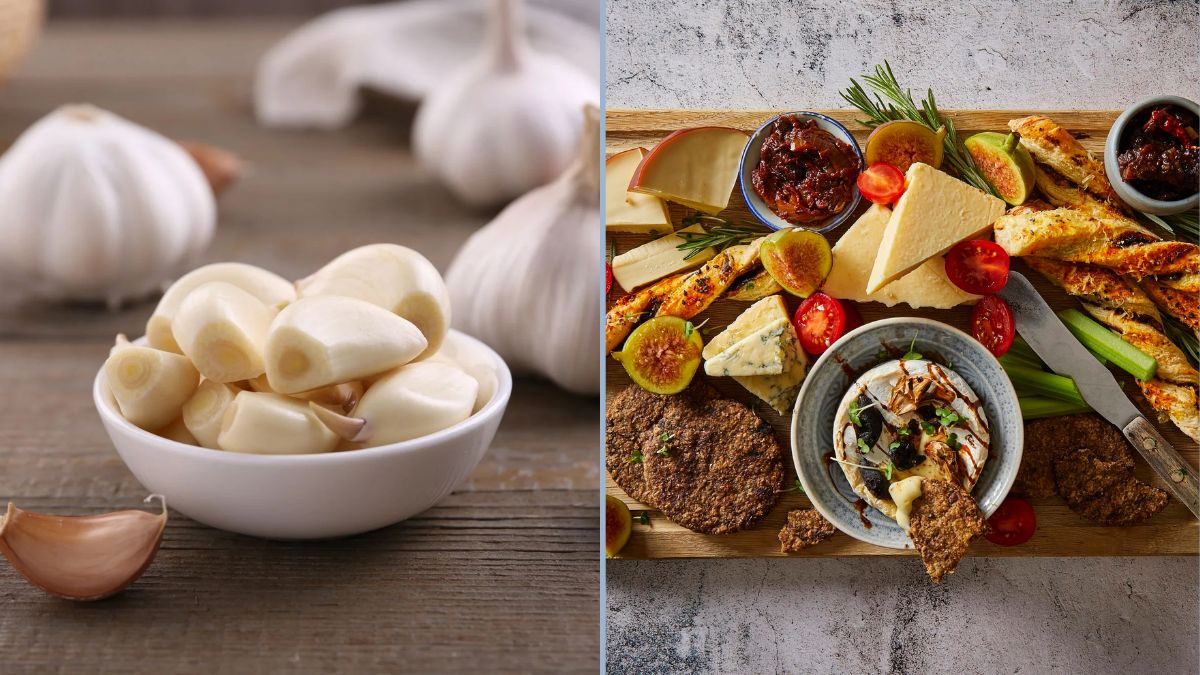
Garlic, often called the “stinking rose,” has been cherished for thousands of years not just for its unique pungent flavor but also for its remarkable health benefits. From ancient civilizations to modern kitchens, garlic has been prized for its medicinal properties, culinary versatility, and ability to elevate even the simplest plant-based dishes. This article explores why garlic is considered a superfood and provides creative, plant-based ways to incorporate it into everyday cooking.
Nutritional Profile of Garlic
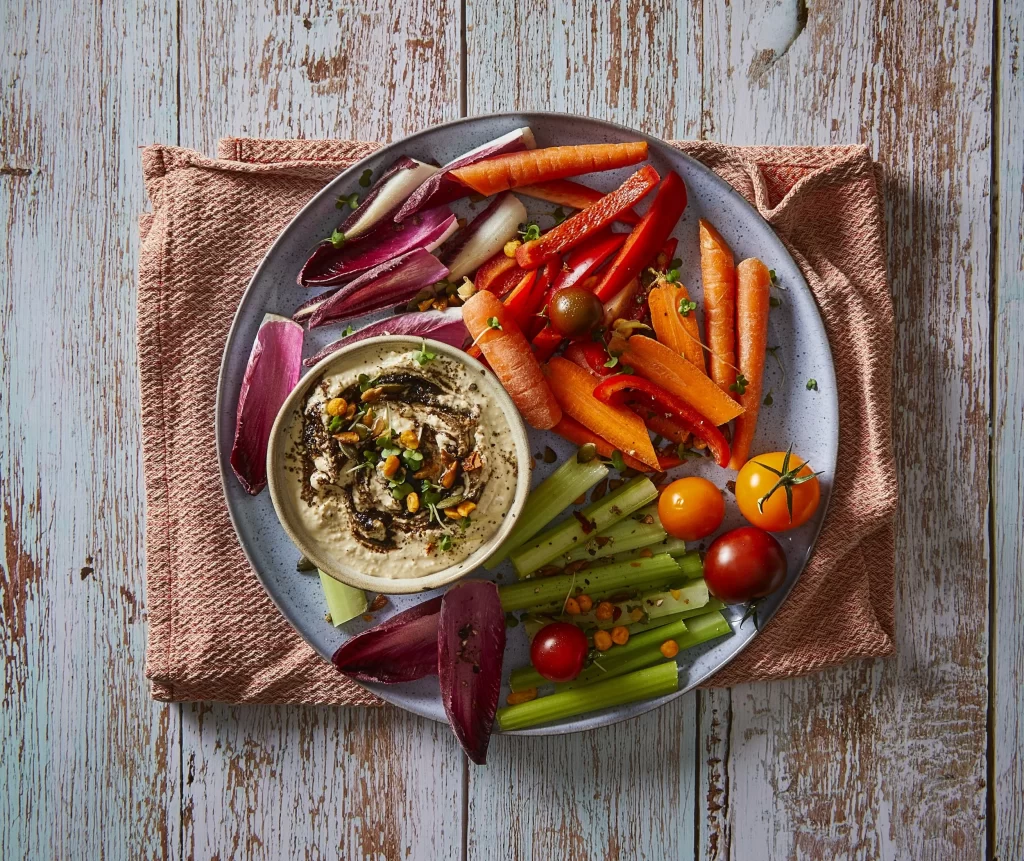
Garlic (Allium sativum) is a nutrient-dense plant that is low in calories but rich in essential vitamins, minerals, and bioactive compounds. A single clove of garlic contains about 4 calories and provides trace amounts of vitamin C, vitamin B6, manganese, selenium, and fiber. While these nutrients are modest in quantity, the real power of garlic lies in its sulfur-containing compounds, most notably allicin.
Allicin is produced when raw garlic is crushed, chopped, or chewed, triggering enzymatic reactions that release potent antioxidants and antimicrobial agents. These compounds are responsible for many of garlic’s health-promoting properties, making it a true functional food.
Health Benefits of Garlic
1. Cardiovascular Health
Garlic has been extensively studied for its positive impact on heart health. Regular consumption can help lower blood pressure, reduce total and LDL cholesterol levels, and improve circulation. The bioactive sulfur compounds in garlic support the relaxation of blood vessels, enhancing blood flow and reducing the risk of heart disease. Including garlic in plant-based diets can complement other heart-healthy foods like leafy greens, nuts, and whole grains.
2. Immune System Support

Garlic is well-known for its immune-boosting properties. The compounds in garlic stimulate the production of white blood cells, which are essential for fighting infections. Studies have shown that garlic supplementation can reduce the severity and duration of colds and other respiratory infections. Consuming garlic raw or lightly cooked preserves its immune-supporting compounds, making it an excellent natural defense during cold and flu seasons.
3. Anti-Inflammatory and Antioxidant Properties
Chronic inflammation and oxidative stress are underlying factors in many modern diseases, including diabetes, arthritis, and certain cancers. Garlic is rich in antioxidants and sulfur compounds that help neutralize free radicals, reduce oxidative stress, and modulate inflammatory responses. Incorporating garlic into daily meals can support long-term health and overall well-being.
4. Gut Health
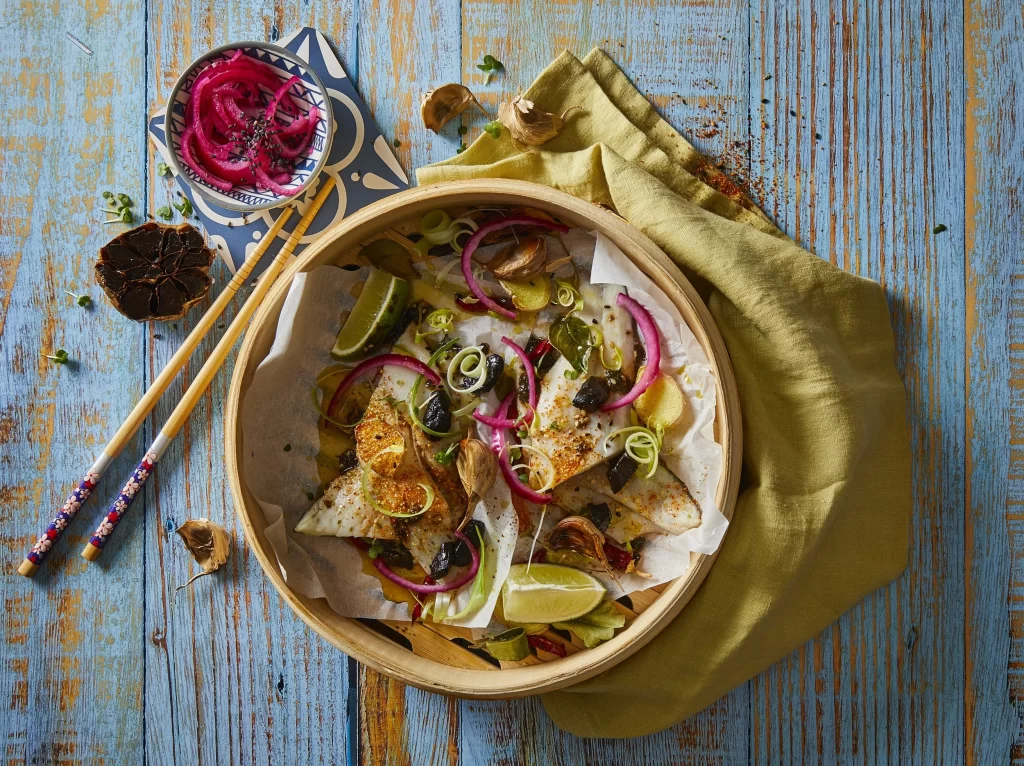
Garlic also benefits digestive health. It acts as a prebiotic, providing nourishment for beneficial gut bacteria. A healthy gut microbiome is essential for nutrient absorption, immune function, and even mental well-being. Regular consumption of garlic in plant-based dishes can promote a balanced gut flora and improve digestive efficiency.
5. Cancer-Preventive Properties
Emerging research suggests that garlic may have cancer-preventive effects, particularly against gastrointestinal cancers. The sulfur compounds in garlic help detoxify carcinogens and inhibit the growth of cancerous cells. While more research is needed, including garlic in a plant-based diet rich in vegetables, legumes, and whole grains may contribute to cancer prevention.
How to Cook with Garlic
Garlic is incredibly versatile and can enhance the flavor of almost any plant-based dish. However, the way garlic is prepared can influence both its taste and health benefits.
1. Raw Garlic
Raw garlic offers the highest concentration of allicin and other bioactive compounds. It can be finely minced and added to salad dressings, dips, and sauces. For example, raw garlic mixed into a tahini-lemon dressing or vegan pesto can boost both flavor and nutritional value.
2. Roasting Garlic
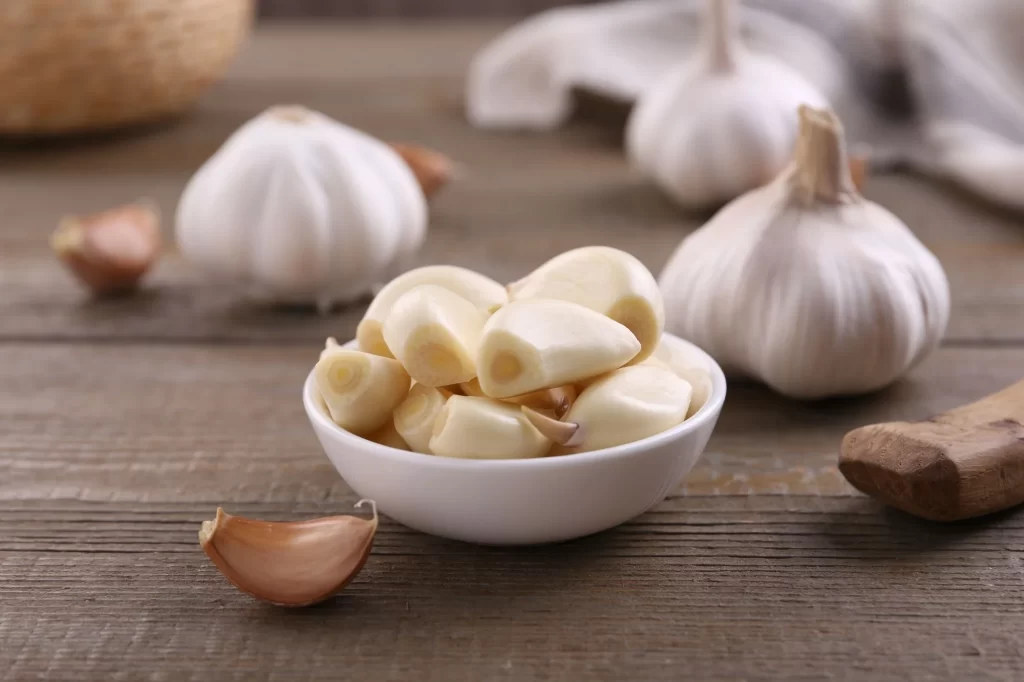
Roasting garlic mellows its pungency, creating a sweet, caramelized flavor. Simply cut the top off a garlic bulb, drizzle with olive oil, wrap in foil, and roast at 180°C (350°F) for 30–40 minutes. Roasted garlic can be spread on whole-grain bread, blended into soups, or mashed into plant-based spreads. While some allicin is lost during roasting, roasted garlic still contains valuable antioxidants and nutrients.
3. Sautéing Garlic
Sautéing garlic in plant oils like olive or avocado oil is a staple in many cuisines. It imparts a rich aroma and flavor to vegetables, grains, and legumes. To preserve its health benefits, sauté garlic over medium heat for 1–2 minutes until fragrant, avoiding excessive browning which can degrade its beneficial compounds.
4. Garlic in Soups, Stews, and Sauces
Garlic is a natural flavor enhancer in soups, stews, and sauces. Adding garlic early in the cooking process allows its flavors to infuse dishes thoroughly. For plant-based meals, garlic pairs beautifully with lentils, chickpeas, tomatoes, leafy greens, and mushrooms, creating rich and satisfying flavors without the need for animal products.
5. Fermented Garlic
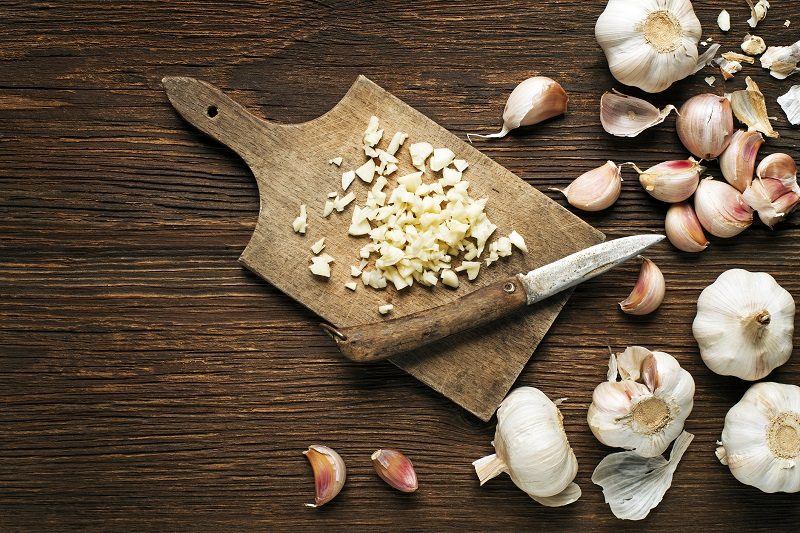
Fermented garlic, also known as black garlic, is created by aging fresh garlic bulbs under controlled heat and humidity. This process transforms the cloves into a sweet, umami-rich ingredient with increased antioxidant content. Black garlic can be used in dressings, sauces, and spreads for an exotic twist on everyday plant-based meals.
Creative Plant-Based Recipes with Garlic
Garlic’s versatility allows it to be used creatively across all meals:
1. Garlic and Herb Roasted Vegetables
Toss seasonal vegetables such as carrots, bell peppers, and zucchini with olive oil, minced garlic, and fresh herbs. Roast until tender and golden for a nutrient-dense side dish.
2. Garlic Mashed Cauliflower
For a healthier alternative to mashed potatoes, steam cauliflower and blend with roasted garlic, plant-based milk, and a touch of olive oil. This creamy dish is rich in vitamins and fiber while being low in calories.
3. Garlic-Infused Plant-Based Sauces
Create rich, flavorful sauces by blending sautéed garlic with tomatoes, bell peppers, and herbs. This can be used as a pasta sauce, grain bowl topping, or dip for fresh vegetables.
4. Garlic Hummus
Blend chickpeas, tahini, lemon juice, olive oil, and raw or roasted garlic to make a smooth and creamy hummus. Garlic enhances both flavor and nutritional content, making this a perfect plant-based snack or appetizer.
5. Garlic-Enhanced Smoothies
Although unconventional, small amounts of raw garlic can be added to savory vegetable smoothies for immune support. Combine with spinach, cucumber, celery, and lemon juice for a nutrient-rich drink.
Tips for Selecting and Storing Garlic
To enjoy garlic at its best, it’s important to select and store it properly. Choose bulbs that are firm, plump, and free from mold or sprouting. Store garlic in a cool, dry, and well-ventilated area, away from direct sunlight. Avoid refrigeration unless bulbs are peeled, as cold storage can encourage sprouting. Proper storage helps maintain flavor and maximizes the health benefits of garlic.
Conclusion
Garlic is much more than a flavorful seasoning—it is a true superfood with a range of health-promoting properties. From supporting cardiovascular health and boosting immunity to providing anti-inflammatory, antioxidant, and gut health benefits, garlic offers comprehensive wellness support. Its versatility in plant-based cooking allows it to enhance the taste, aroma, and nutritional profile of meals, making it a staple ingredient in any health-conscious kitchen.
By understanding how to cook with garlic and incorporating it creatively into daily diets, individuals can enjoy both the culinary and therapeutic benefits of this remarkable plant. Whether raw, roasted, sautéed, or fermented, garlic provides endless opportunities to enrich plant-based dishes while promoting long-term health. Embracing garlic as a dietary staple is a delicious and effective way to harness the power of a natural superfood.