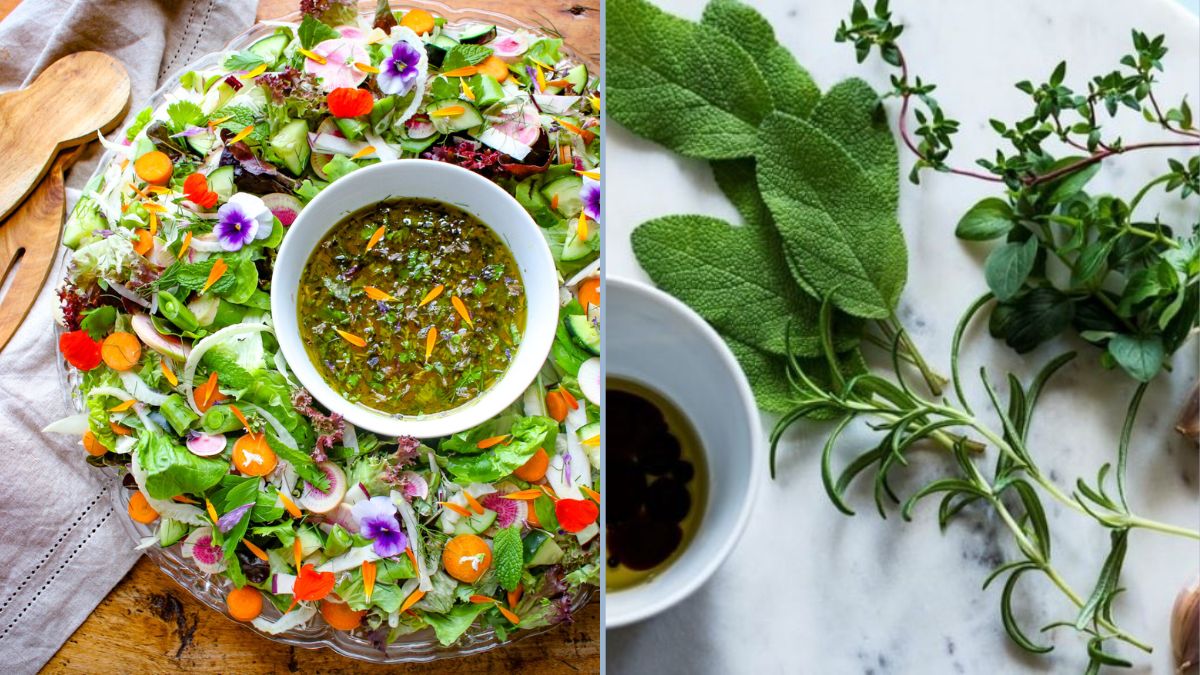
Herbs have been treasured for centuries not only for their ability to enhance the flavor of food but also for their remarkable health-promoting properties. From basil and parsley to rosemary and thyme, culinary herbs are nutrient-rich, aromatic plants that can transform ordinary plant-based meals into flavorful and nourishing dishes. Incorporating herbs into everyday cooking offers both sensory and physiological benefits, making them essential for anyone seeking to improve both taste and wellness.
Nutritional and Medicinal Value of Herbs

Herbs are low in calories but rich in bioactive compounds, vitamins, and minerals. Key nutrients commonly found in herbs include vitamin C, vitamin A, vitamin K, calcium, iron, magnesium, and antioxidants such as flavonoids, polyphenols, and carotenoids. These compounds contribute to various health benefits, including anti-inflammatory, antioxidant, and antimicrobial effects.
Unlike spices, which are derived from seeds, bark, or roots, herbs typically come from the leaves of plants. They can be used fresh or dried and are often added at different stages of cooking to maximize both flavor and health benefits.
Health Benefits of Culinary Herbs
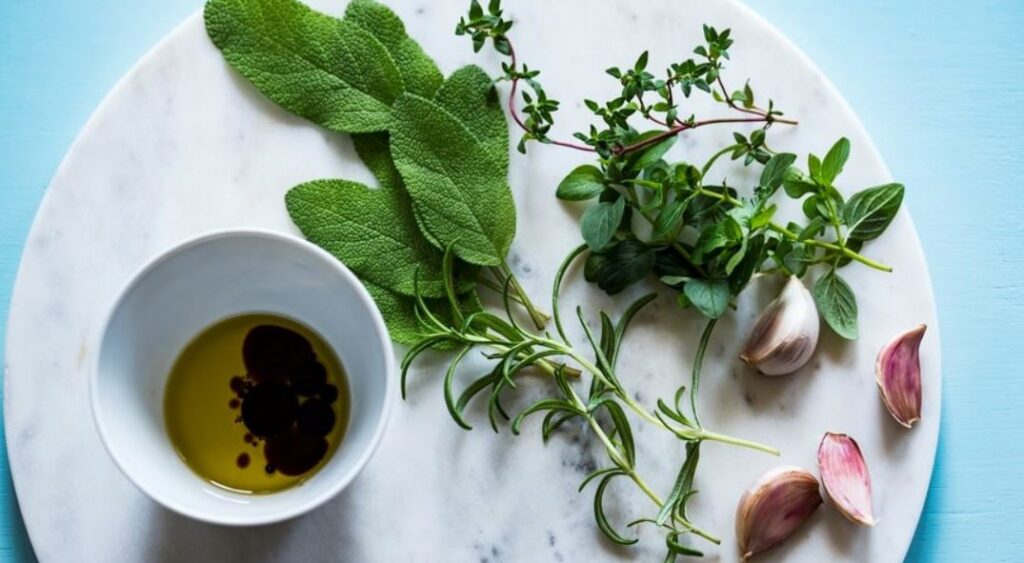
1. Antioxidant Protection
Many herbs are rich in antioxidants that help neutralize free radicals in the body, reducing oxidative stress and lowering the risk of chronic diseases such as heart disease, diabetes, and cancer. For example, parsley and thyme are high in vitamin C and flavonoids, while rosemary contains carnosic acid, a potent antioxidant. Regular inclusion of herbs in meals can contribute to long-term cellular health.
2. Anti-Inflammatory Effects
Chronic inflammation is linked to numerous health conditions, including arthritis, cardiovascular disease, and digestive disorders. Herbs such as turmeric, ginger, basil, and oregano contain anti-inflammatory compounds that help modulate the body’s inflammatory response. Using these herbs in plant-based meals can provide natural, dietary support for reducing inflammation.
3. Cardiovascular Health

Several herbs promote heart health by supporting healthy blood pressure, reducing cholesterol, and improving circulation. Garlic, parsley, and rosemary, for instance, contain compounds that enhance vascular function and reduce oxidative stress, contributing to cardiovascular wellness. Incorporating these herbs regularly can be a flavorful strategy for supporting heart health.
4. Digestive Support
Herbs have long been valued for their digestive benefits. Peppermint, ginger, fennel, and basil can soothe the digestive tract, relieve bloating, and stimulate the production of digestive enzymes. Adding these herbs to plant-based meals enhances nutrient absorption and reduces discomfort after eating.
5. Immune System Support

Many herbs contain vitamins, minerals, and bioactive compounds that strengthen the immune system. For instance, oregano and thyme have antimicrobial properties that can help protect against infections. Herbs rich in vitamin C, such as parsley, support immune function by promoting the production of white blood cells and antioxidant defenses.
6. Cognitive and Mental Health
Certain herbs, including rosemary and sage, are associated with improved memory, focus, and cognitive function. The antioxidants and anti-inflammatory compounds in these herbs help protect brain cells from oxidative stress, potentially reducing the risk of neurodegenerative diseases. Using herbs in everyday cooking can support both mental and physical well-being.
How to Use Herbs in Cooking

The flavor and health benefits of herbs can vary depending on whether they are used fresh or dried, as well as when they are added during the cooking process. Here are key tips for maximizing both flavor and nutrition:
1. Fresh vs. Dried Herbs
- Fresh herbs: These are generally added at the end of cooking or used raw in salads, dressings, and garnishes to preserve their delicate flavors and maximum nutrient content. Examples include basil, cilantro, parsley, and mint.
- Dried herbs: Dried herbs have a more concentrated flavor and are ideal for longer cooking processes, such as soups, stews, and sauces. Rosemary, thyme, oregano, and bay leaves are particularly effective when dried.
2. Layering Flavors
Adding herbs at different stages of cooking can create depth and complexity in plant-based dishes. For example, sautéing onions and garlic with dried thyme and oregano can infuse a base with robust flavor, while finishing with fresh basil or parsley adds brightness and freshness.
3. Combining Herbs
Combining complementary herbs can enhance both flavor and health benefits. Mediterranean blends often pair rosemary, thyme, oregano, and basil, while Asian cuisines use cilantro, ginger, and lemongrass together. Understanding herb pairings can elevate the taste of plant-based meals while maximizing nutritional impact.
4. Infusions and Teas
Herbs can also be consumed as teas or infusions. Mint, chamomile, and ginger teas support digestion and relaxation, while rosemary and sage teas provide antioxidants and anti-inflammatory benefits. These herbal beverages are an easy and soothing way to integrate herbs into daily life.
Creative Plant-Based Uses for Herbs
1. Salads and Dressings
Fresh herbs can transform simple salads into vibrant, nutrient-rich dishes. Combine parsley, cilantro, and chives with lemon juice, olive oil, and a touch of garlic for a flavorful dressing. Adding herbs to salads not only enhances taste but also boosts antioxidant and vitamin intake.
2. Soups and Stews
Dried and fresh herbs add depth to soups, stews, and broths. Bay leaves, thyme, rosemary, and oregano can simmer with vegetables and legumes, infusing the dish with both flavor and health benefits. A final garnish of fresh herbs like parsley or basil brightens the dish and increases its nutrient density.
3. Grain and Legume Dishes
Herbs can elevate whole grains and legumes by adding flavor and nutrition. Try cooking quinoa, rice, or lentils with turmeric, cumin, parsley, and coriander. These combinations create satisfying plant-based meals that are both aromatic and health-promoting.
4. Plant-Based Sauces and Pestos
Herbs can form the base of sauces and pestos, replacing heavy oils or dairy. A basil and parsley pesto made with olive oil, nuts, and garlic adds healthy fats, protein, and flavor to pasta, grain bowls, and roasted vegetables. Similarly, cilantro and mint can create refreshing chutneys or dressings.
5. Roasted Vegetables
Toss vegetables with olive oil and dried herbs such as rosemary, thyme, or oregano before roasting. Herbs enhance flavor while retaining antioxidant properties, making roasted vegetables more appealing and nutritious.
6. Smoothies and Beverages
Fresh herbs like mint, basil, and parsley can be blended into smoothies or juices. They add flavor complexity, antioxidants, and vitamins, turning ordinary drinks into health-boosting beverages.
7. Herbal Garnishes
Even small amounts of fresh herbs can elevate the visual appeal and nutritional content of a dish. Sprinkle chopped chives, cilantro, or parsley over soups, bowls, and salads for an aromatic finish that also increases vitamin and mineral intake.
Tips for Selecting and Storing Herbs
- Fresh herbs: Choose bright, crisp leaves without yellowing or wilting. Store in the refrigerator wrapped in a damp paper towel or in a jar with water to extend freshness.
- Dried herbs: Keep in airtight containers away from direct sunlight and heat. Dried herbs lose potency over time, so replace them every 6–12 months for optimal flavor.
- Frozen herbs: For year-round availability, herbs like basil, parsley, and cilantro can be frozen in ice cube trays with water or olive oil. This method preserves both flavor and nutrients.
Conclusion
Culinary herbs are far more than simple flavor enhancers—they are potent, nutrient-rich plants that contribute to health, wellness, and culinary creativity. From antioxidant protection and anti-inflammatory effects to digestive support, cardiovascular benefits, and cognitive enhancement, herbs provide a wide spectrum of advantages that complement plant-based diets.
By understanding how to use herbs effectively—whether fresh, dried, or infused—individuals can create meals that are both delicious and nutritionally powerful. Incorporating a variety of herbs into salads, soups, grains, sauces, and teas enhances both flavor and health, making plant-based cooking more enjoyable and beneficial.
Embracing herbs as a central component of meals allows for a sustainable and flavorful approach to nutrition, turning every plant-based dish into an opportunity to nourish the body and delight the senses. From the warmth of rosemary and thyme to the brightness of basil and parsley, culinary herbs are truly magical ingredients that elevate both taste and health.