
Turmeric, a vibrant golden-yellow spice derived from the root of Curcuma longa, has been a cornerstone of traditional medicine and culinary practices for thousands of years. Widely used in South Asian and Middle Eastern cuisines, turmeric is celebrated not only for its earthy, warm flavor but also for its potent health benefits. Often hailed as a superfood, turmeric contains bioactive compounds that can promote overall wellness. This article explores the remarkable health advantages of turmeric and offers practical, plant-based ways to incorporate it into daily meals.
Nutritional Profile of Turmeric
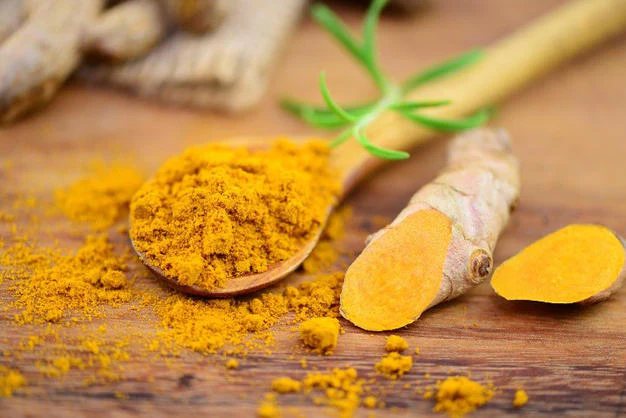
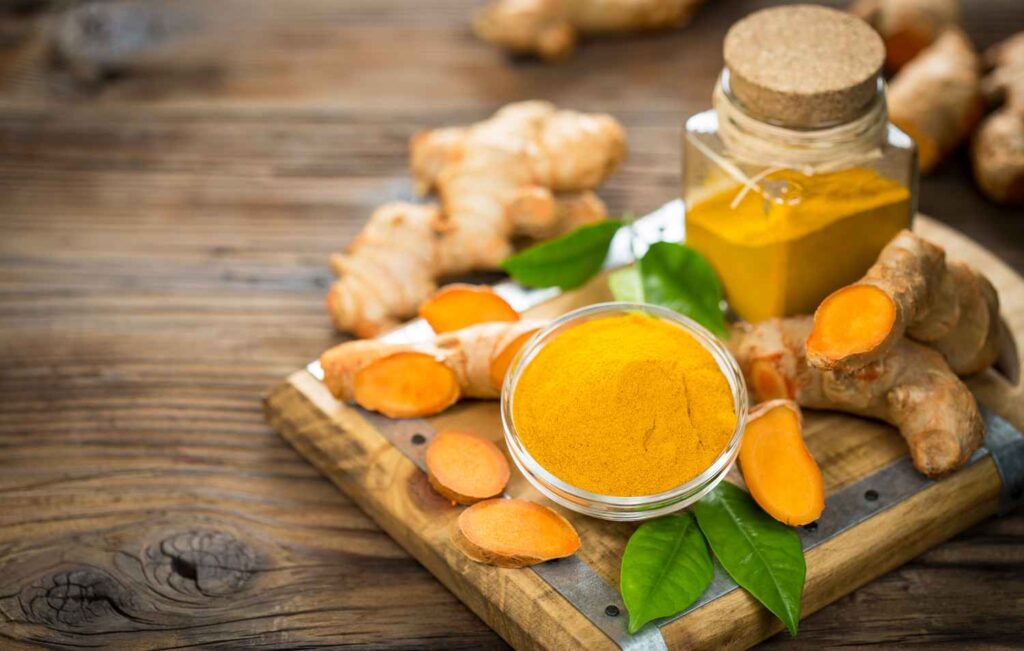
Turmeric is rich in essential nutrients and bioactive compounds. The most notable of these is curcumin, a natural polyphenol responsible for turmeric’s characteristic color and most of its health-promoting properties. Curcumin has potent antioxidant, anti-inflammatory, and antimicrobial effects, making it a powerful functional food.
In addition to curcumin, turmeric contains small amounts of vitamins and minerals, including vitamin C, vitamin B6, potassium, manganese, and iron. While the nutrient content is modest, the medicinal benefits of curcumin are significant, especially when combined with a healthy diet. To enhance absorption, turmeric is often paired with black pepper, which contains piperine, a compound that significantly increases curcumin bioavailability.
Health Benefits of Turmeric
1. Anti-Inflammatory Effects
Chronic inflammation is a major contributor to many modern health conditions, including arthritis, heart disease, and metabolic disorders. Curcumin in turmeric exhibits strong anti-inflammatory properties by modulating inflammatory pathways and reducing the production of pro-inflammatory cytokines. Regular inclusion of turmeric in plant-based meals can help mitigate inflammation and support overall health.
2. Antioxidant Properties

Oxidative stress occurs when the body’s natural antioxidant defenses are overwhelmed by free radicals, leading to cell damage and aging. Curcumin is a potent antioxidant that neutralizes free radicals and enhances the activity of the body’s own antioxidant enzymes. This protective effect helps reduce the risk of chronic diseases and supports healthy aging.
3. Heart Health
Turmeric contributes to cardiovascular health by improving endothelial function, which is crucial for regulating blood pressure and blood clotting. Curcumin also helps reduce LDL cholesterol levels and prevents the oxidation of cholesterol, a key factor in the development of heart disease. Including turmeric in plant-based diets rich in vegetables, whole grains, and legumes can enhance heart health naturally.
4. Brain Health
Curcumin has been shown to support brain function by increasing levels of brain-derived neurotrophic factor (BDNF), a protein involved in learning and memory. Higher BDNF levels may help reduce the risk of neurodegenerative diseases such as Alzheimer’s and improve cognitive function. Incorporating turmeric into meals can be a simple and delicious strategy for supporting long-term brain health.
5. Digestive Health

Turmeric has long been used to aid digestion. It stimulates bile production, which helps break down fats and supports nutrient absorption. Additionally, curcumin’s anti-inflammatory properties can soothe digestive discomfort and support a healthy gut microbiome, making turmeric a valuable addition to plant-based diets.
6. Joint and Muscle Health
Turmeric may help reduce joint pain and stiffness, particularly in individuals with osteoarthritis or other inflammatory conditions. Its anti-inflammatory and antioxidant effects can support overall musculoskeletal health, making it a natural ally for those seeking plant-based strategies for pain management.
How to Add Turmeric to Your Meals
Turmeric is versatile and can be incorporated into a wide variety of plant-based dishes. Its warm, slightly bitter flavor complements both savory and sweet recipes. Here are some creative ways to use turmeric in daily cooking:
1. Turmeric in Smoothies
Adding turmeric to smoothies is an easy way to boost antioxidant intake. Combine fresh or powdered turmeric with plant-based milk, banana, mango, pineapple, and a pinch of black pepper. This creates a vibrant, nutrient-rich drink with anti-inflammatory benefits.
2. Golden Milk
Golden milk is a traditional beverage made by blending turmeric with plant-based milk and spices such as cinnamon, ginger, and cardamom. This comforting drink can be enjoyed warm or cold and is an excellent way to reap the benefits of turmeric daily.
3. Soups and Stews
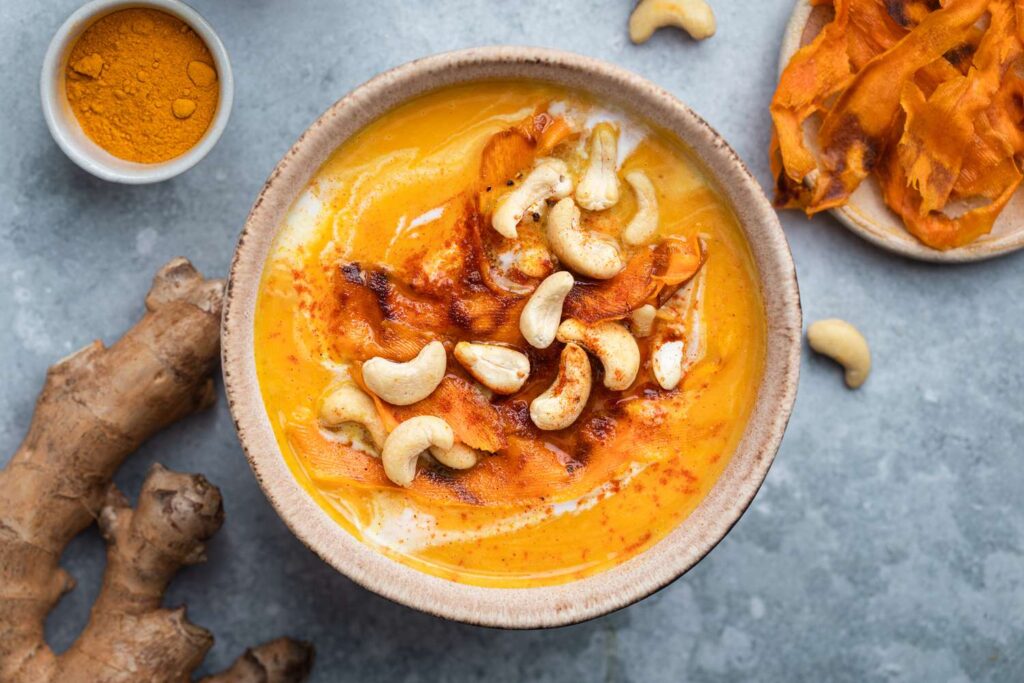
Turmeric can enhance both flavor and nutrition in soups and stews. Add powdered or fresh turmeric to lentil soups, vegetable stews, and grain-based broths. The warm color and earthy flavor make dishes more visually appealing and health-promoting.
4. Curries and Stir-Fries
Turmeric is a staple in many curries and stir-fries. Sauté vegetables such as cauliflower, spinach, bell peppers, and chickpeas with turmeric, garlic, ginger, and other spices for a nutrient-dense, plant-based meal. Combining turmeric with healthy fats like olive or coconut oil increases curcumin absorption.
5. Rice and Grain Dishes
Add turmeric to rice, quinoa, or couscous during cooking to infuse flavor, color, and nutrients. Turmeric pairs well with cumin, coriander, and fresh herbs, creating a wholesome, aromatic base for plant-based meals.
6. Salad Dressings and Dips
Turmeric can be incorporated into dressings, hummus, and dips. Whisk turmeric with lemon juice, olive oil, tahini, and garlic for a zesty salad dressing. For dips, blend it with roasted vegetables, chickpeas, or avocado to create vibrant, flavorful spreads.
7. Baking
Turmeric can even be used in plant-based baked goods. Its warm color and subtle flavor complement muffins, breads, and energy bars. Combine it with spices like cinnamon, nutmeg, and ginger for a nutritious and flavorful twist on traditional recipes.
Tips for Using Turmeric Effectively
To maximize the health benefits of turmeric, consider the following tips:
- Combine with black pepper: Piperine in black pepper enhances curcumin absorption by up to 2,000%.
- Use healthy fats: Curcumin is fat-soluble, so cooking turmeric with olive oil, coconut oil, or nut-based milk improves bioavailability.
- Avoid overcooking: Prolonged high heat can degrade curcumin, so add turmeric during the last few minutes of cooking when possible.
- Fresh vs. powdered: Fresh turmeric root provides slightly different flavors and compounds, while powdered turmeric is more convenient for everyday use. Both forms are beneficial.
Safety Considerations
Turmeric is generally safe for most people when consumed in culinary amounts. However, high-dose supplements may interact with medications or cause digestive discomfort in sensitive individuals. Incorporating turmeric into food is a safe and effective way to enjoy its health benefits without risk.
Conclusion
Turmeric is far more than a colorful spice—it is a functional superfood with powerful health-promoting properties. From its anti-inflammatory and antioxidant effects to supporting heart, brain, digestive, and joint health, turmeric provides comprehensive benefits for overall well-being. Its versatility in plant-based cooking allows it to be used in drinks, soups, curries, grains, dressings, and even baked goods, making it easy to incorporate into daily meals.
By understanding the nutritional value and creative applications of turmeric, individuals can enhance both the flavor and health benefits of plant-based diets. Whether enjoyed as golden milk, added to a vibrant curry, or sprinkled into grains and salads, turmeric offers a simple, delicious, and effective way to boost wellness naturally.
Incorporating turmeric into meals is not only a culinary choice but a lifestyle strategy for promoting long-term health. This golden spice, with its rich history and remarkable bioactive compounds, stands out as a true superfood for anyone seeking a plant-based, nutrient-dense approach to eating.