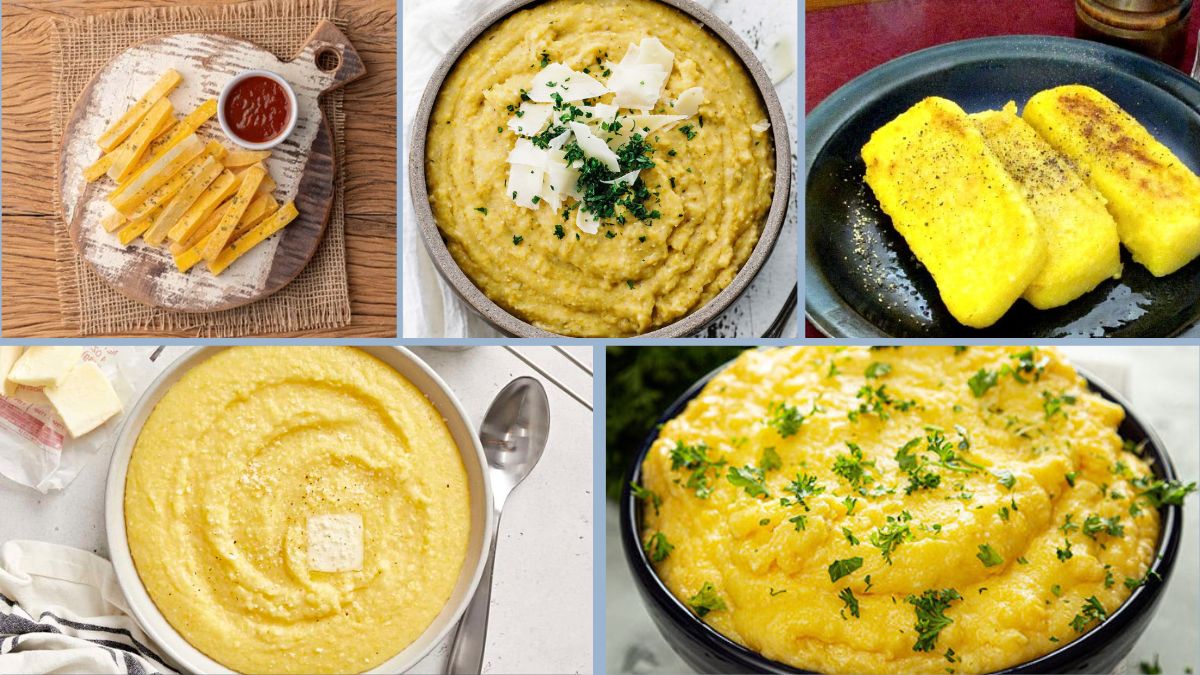
Polenta, a traditional Italian staple made from ground cornmeal, is one of the most versatile comfort foods in the plant-based kitchen. Whether served soft and creamy as a base for vegetables or allowed to cool and set for grilling and baking, polenta is hearty, budget-friendly, and naturally gluten-free.
Yet, making polenta at home often intimidates people. Many fear ending up with a dense, clumpy, or bland dish instead of the silky, fluffy texture found in rustic trattorias. The truth is, achieving perfect polenta is less about skill and more about technique. With a few careful adjustments, you can transform humble cornmeal into a light, airy, and deeply satisfying dish every time.
Here are six essential tricks for fluffy homemade polenta, complete with practical steps, flavor ideas, and serving suggestions.
Trick 1: Choose the Right Cornmeal
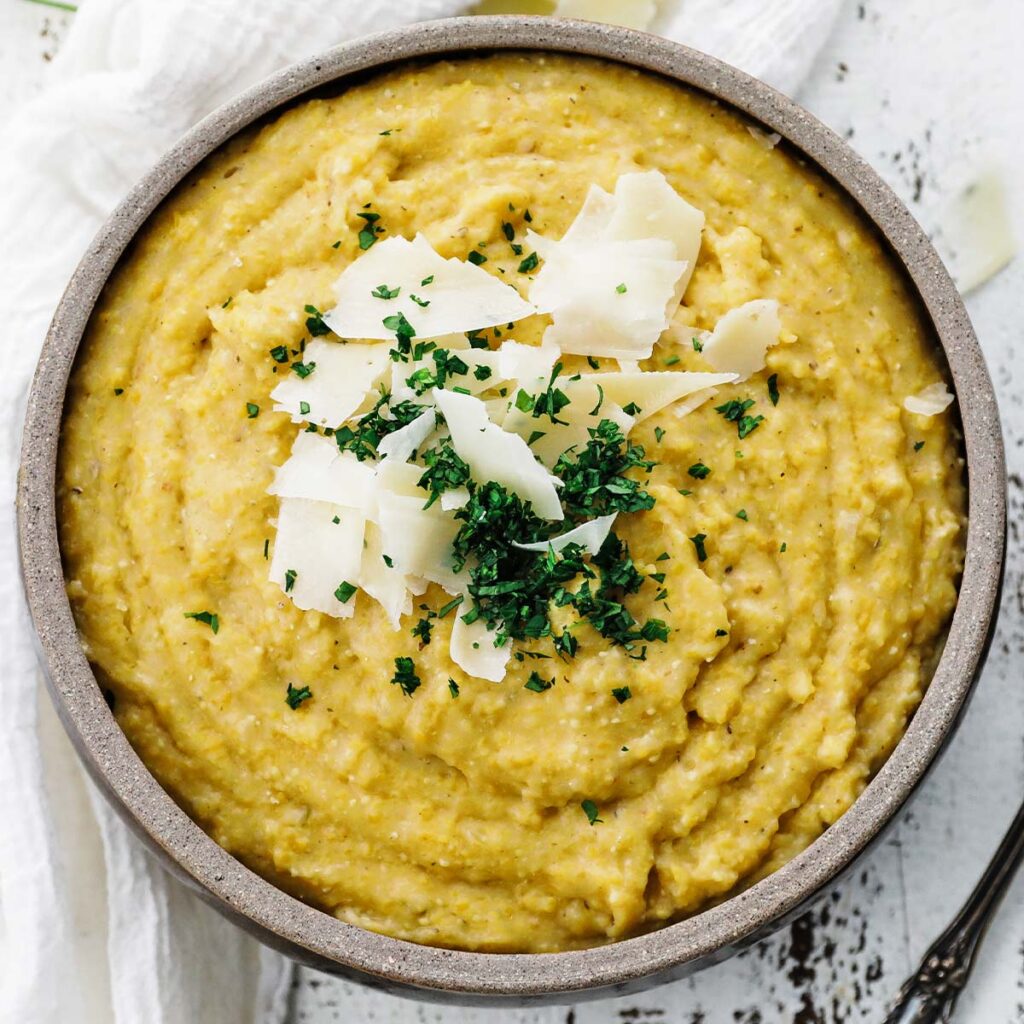
Not all cornmeal is created equal, and the choice directly impacts the texture of your polenta.
- Stone-ground cornmeal: This is the most traditional and flavorful option, with a slightly coarse texture. It retains natural oils and germ, making polenta richer in taste but requiring longer cooking.
- Medium-ground cornmeal: The best balance for fluffy polenta—fine enough to cook evenly but coarse enough to give texture.
- Instant polenta: Pre-cooked and dried, it saves time but often lacks depth of flavor. It works in a pinch, but for thesis-worthy results, stick to stone-ground or medium-ground.
Look for cornmeal labeled “polenta” or “bramata” in Italian groceries for authenticity. Avoid overly fine corn flour, which leads to a paste-like texture.
Trick 2: Get the Liquid Ratio Right
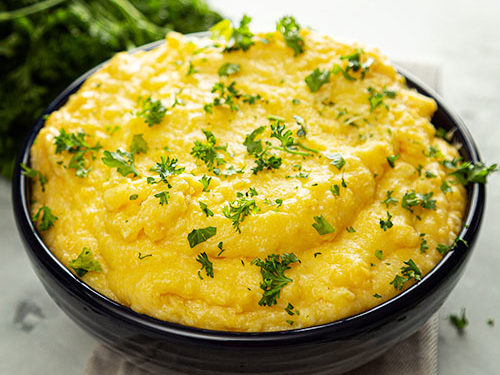
One of the secrets to fluffy polenta lies in the ratio of liquid to cornmeal. Too little water makes it gritty; too much leaves it soupy.
- Classic ratio: 4 cups liquid to 1 cup cornmeal.
- For creamier texture: 5–6 cups liquid to 1 cup cornmeal.
Liquids can include:
- Water (neutral, lets corn flavor shine).
- Vegetable broth (adds savory depth).
- Plant-based milk (oat, almond, or soy for subtle creaminess).
Tip: Start with cold liquid. Whisk the cornmeal into cold water before heating. This prevents clumping and creates an even base for cooking.
Trick 3: Stir Smartly, Not Constantly
There’s a myth that polenta requires nonstop stirring for an hour. While attention is important, constant stirring is unnecessary. Instead, stir strategically.
- Initial stirring: Whisk continuously for the first 5–10 minutes after adding cornmeal. This prevents lumps.
- Gentle simmer: Once thickened, reduce heat and stir every 5–10 minutes to prevent sticking.
- Cook time: Stone-ground polenta may take 40–50 minutes; medium-ground about 25–30 minutes.
By stirring mindfully, you develop creaminess without exhausting yourself.
Trick 4: Enrich with Healthy Fats and Seasoning
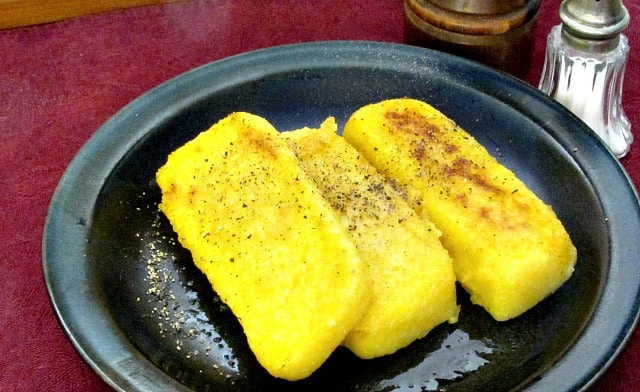
Plain polenta can be bland if underseasoned. To create fluffy, flavorful polenta, seasoning and fat are key.
- Salt early: Add salt to the liquid before whisking in cornmeal. This ensures seasoning penetrates throughout.
- Healthy fats: Stir in a tablespoon of olive oil or plant-based butter toward the end of cooking for silkiness.
- Flavor boosters:
- Fresh herbs (rosemary, thyme, basil)
- Garlic sautéed in olive oil
- Nutritional yeast (for a cheesy, dairy-free flavor)
This combination lightens texture and prevents the polenta from feeling heavy.
Trick 5: Let It Rest Before Serving
Resting is the most overlooked step in achieving fluffy polenta.
Once your polenta reaches the desired consistency:
- Remove it from heat.
- Cover with a lid or clean towel.
- Let it sit for 5–10 minutes.
During this resting phase, steam redistributes and the grains relax, making the polenta smoother, fluffier, and easier to serve.
Trick 6: Use Polenta Creatively
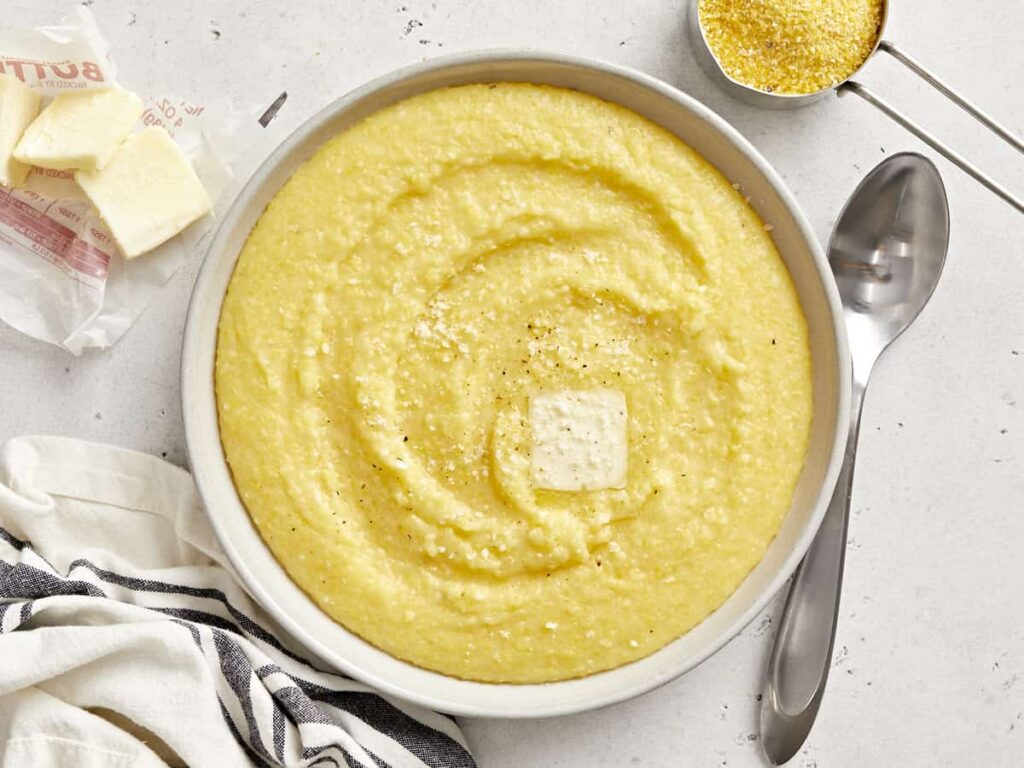
Fluffy polenta doesn’t have to be served plain. By preparing and presenting it thoughtfully, you elevate it from a side dish to a main course centerpiece.
Serving Ideas (All Plant-Based):
- Soft polenta bowl – Top warm, creamy polenta with roasted vegetables, sautéed mushrooms, and a drizzle of herb-infused olive oil.
- Polenta with tomato ragù – A hearty base for slow-cooked lentil or chickpea ragù, bringing rustic Italian flavors.
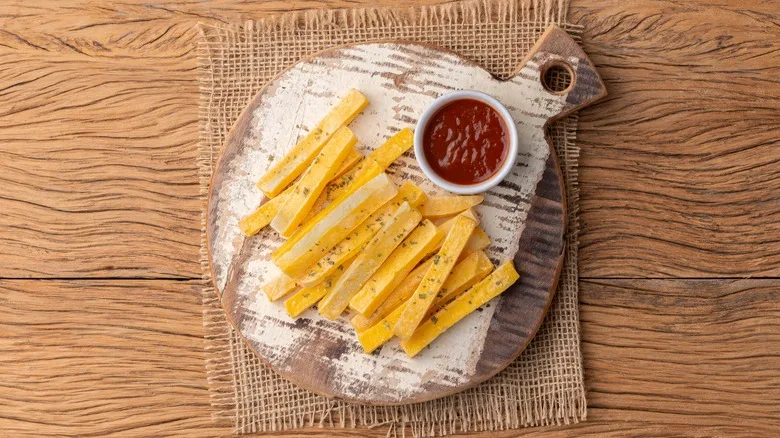
- Polenta fries – Spread cooled polenta onto a tray, chill until firm, cut into sticks, then bake until crispy.
- Layered polenta bake – Alternate layers of polenta with sautéed greens, vegan cheese, and herbs, then bake until golden.
- Polenta breakfast porridge – Sweeten with maple syrup, cinnamon, and fresh fruit for a nourishing morning meal.
By thinking creatively, you turn fluffy homemade polenta into a versatile, plant-based dish suitable for everyday meals or festive occasions.
Additional Tips for Success
To further refine your polenta-making skills, keep these extra points in mind:
- Avoid high heat: Gentle simmering prevents scorching and ensures even cooking.
- Taste often: Adjust seasoning gradually. Cornmeal varies in flavor and may require more salt or herbs.
- Batch cooking: Polenta keeps well in the refrigerator for 3–4 days. Reheat by adding a splash of water or broth and whisking until fluffy again.
- Texture flexibility: For softer polenta, add more liquid during reheating; for firmer texture, let it set before slicing.
Conclusion
Making fluffy homemade polenta is not just about cooking cornmeal—it’s about respecting the grain, mastering ratios, seasoning thoughtfully, and giving it time to rest. With these six tricks, you can consistently create polenta that is light, creamy, and full of flavor without relying on dairy or meat.
From rustic side dishes to innovative mains, polenta is a blank canvas that adapts beautifully to plant-based cooking. Once you learn to control texture and flavor, you’ll discover why this simple dish has stood the test of centuries in Italian kitchens.
Polenta proves that with just a handful of ingredients and the right techniques, you can turn something humble into something extraordinary—warm, fluffy, and nourishing.