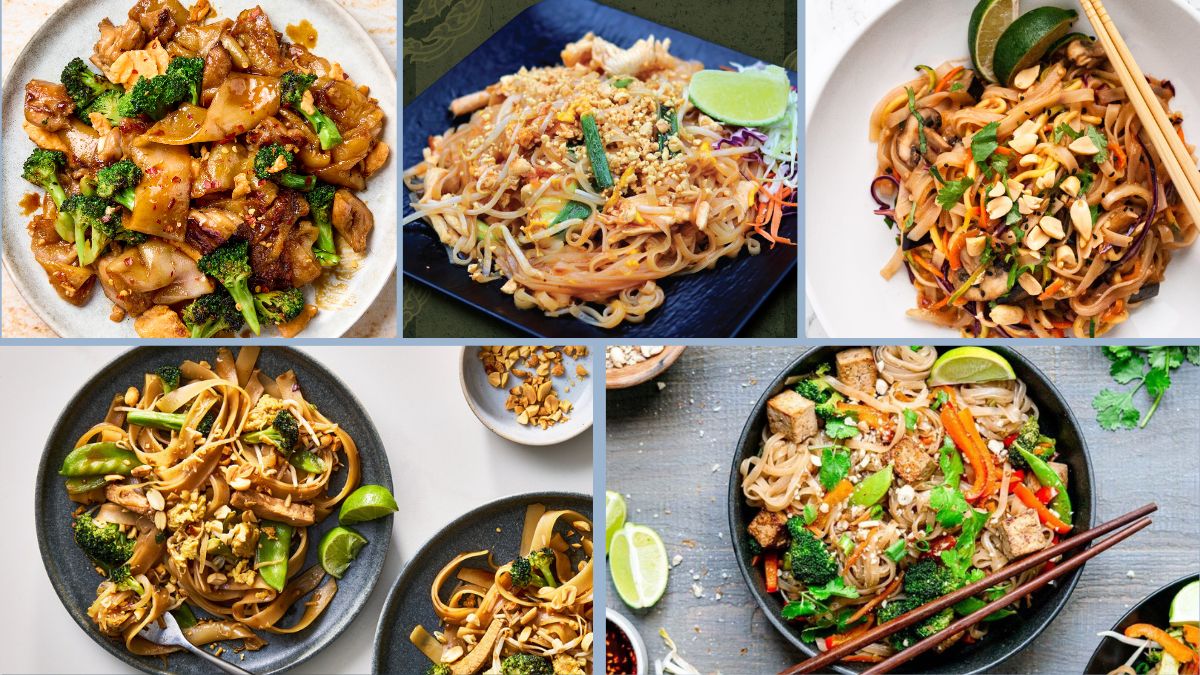
Pad Thai is one of the most beloved dishes in Thai cuisine—tangy, sweet, savory, and slightly spicy, all wrapped around springy rice noodles. Traditionally made with meat, shrimp, and fish sauce, this street food classic may seem off-limits to those following a vegetarian or vegan lifestyle. However, with a few adjustments, you can create a plant-based version that rivals any restaurant dish, bursting with authentic flavor and satisfying texture.
Cooking Pad Thai at home can be intimidating. The noodles may clump, the sauce may taste flat, or the dish may lack the depth found in restaurant kitchens. The secret is not only in the sauce but also in the balance of texture, timing, and technique.
Here are 9 secrets to making restaurant-style Pad Thai at home—without meat—using only plant-based ingredients.
Secret 1: Use the Right Rice Noodles
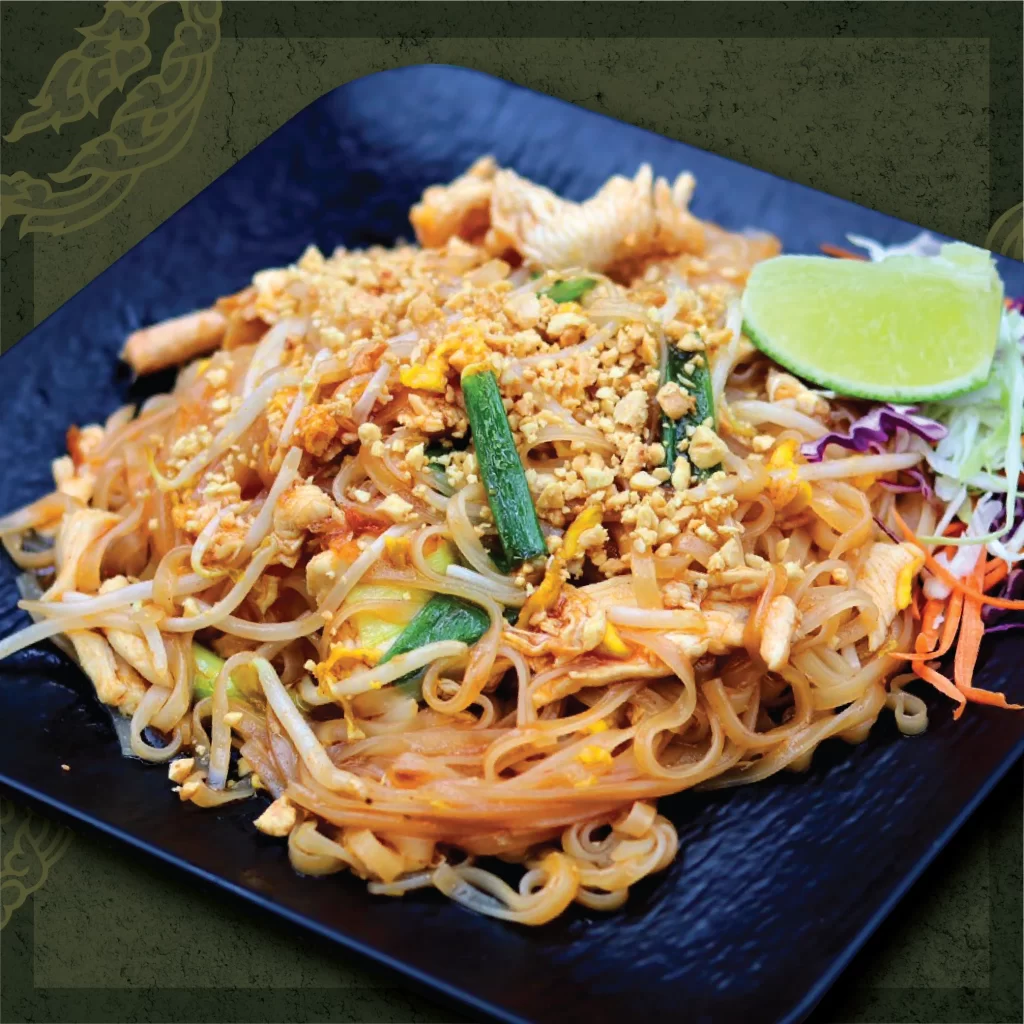
The foundation of Pad Thai is rice noodles. Selecting the correct type makes all the difference.
- Medium-width flat rice noodles are traditional. They absorb sauce well while staying springy.
- Avoid vermicelli (too thin) or overly wide rice noodles (too chewy).
- Preparation tip: Soak noodles in warm—not hot—water for 30–40 minutes until pliable but not mushy. Over-soaking causes clumping during stir-frying.
Once soaked, drain and rinse them. They should bend without breaking but remain slightly firm.
Secret 2: Balance the Signature Pad Thai Sauce
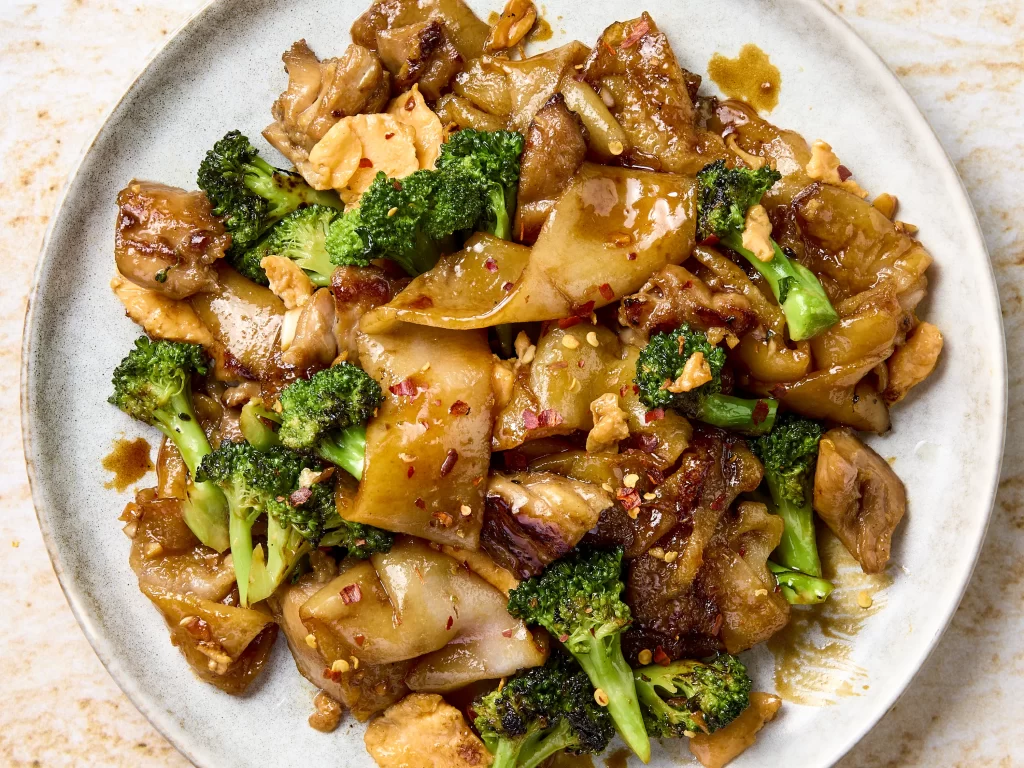
Restaurant Pad Thai stands out because of its sauce—tangy, sweet, and savory. To make a vegetarian version, you need to replace fish sauce without losing umami depth.
Base sauce formula (per 2 servings):
- 2 tablespoons tamarind paste (sourness)
- 1 ½ tablespoons soy sauce or tamari (saltiness)
- 1 tablespoon coconut sugar or brown sugar (sweetness)
- 1 teaspoon rice vinegar or lime juice (extra tang)
- 1 teaspoon chili paste (optional, for heat)
Adjust sweetness and tang according to taste. For deeper umami, add a splash of mushroom soy sauce or fermented soybean paste.
Secret 3: Prep All Ingredients Before Cooking
Pad Thai is a quick stir-fry. Once the wok is hot, things move fast. Having everything ready prevents mistakes.
- Chop vegetables (bell peppers, carrots, broccoli, bean sprouts).
- Mince aromatics (garlic, shallots, ginger).
- Whisk the sauce in a bowl.
- Have noodles drained and ready.
This mise en place approach mimics how restaurant chefs work and ensures smooth execution at home.
Secret 4: Master the Wok (or Pan) Heat
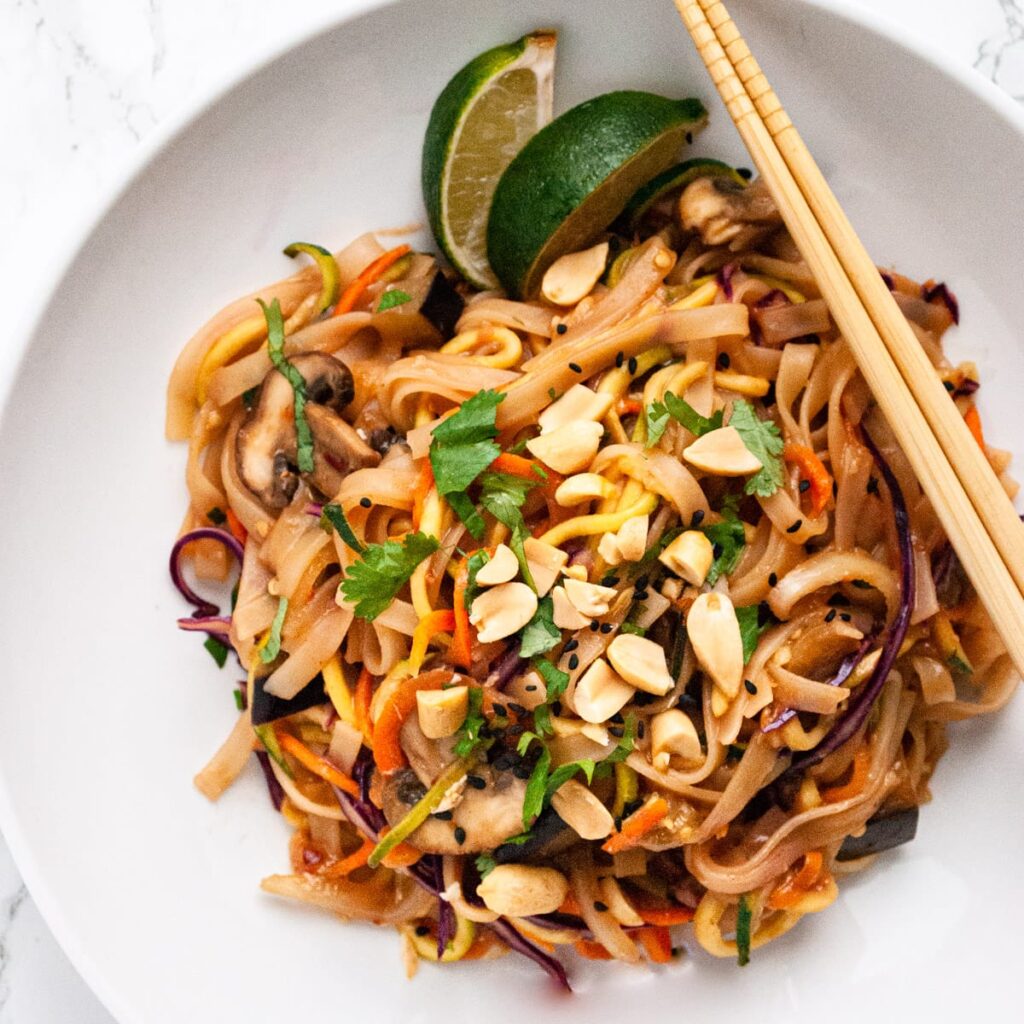
High heat gives Pad Thai its smoky, slightly charred aroma—called wok hei in Asian cooking. But too much heat can burn the noodles.
- Heat the wok until smoking, then add oil (preferably peanut or sesame for nutty flavor).
- Start with aromatics, then vegetables, followed by noodles and sauce.
- Stir quickly to coat evenly without breaking noodles.
If using a regular skillet, work in smaller batches to avoid steaming instead of stir-frying.
Secret 5: Use Plant-Based Proteins Creatively
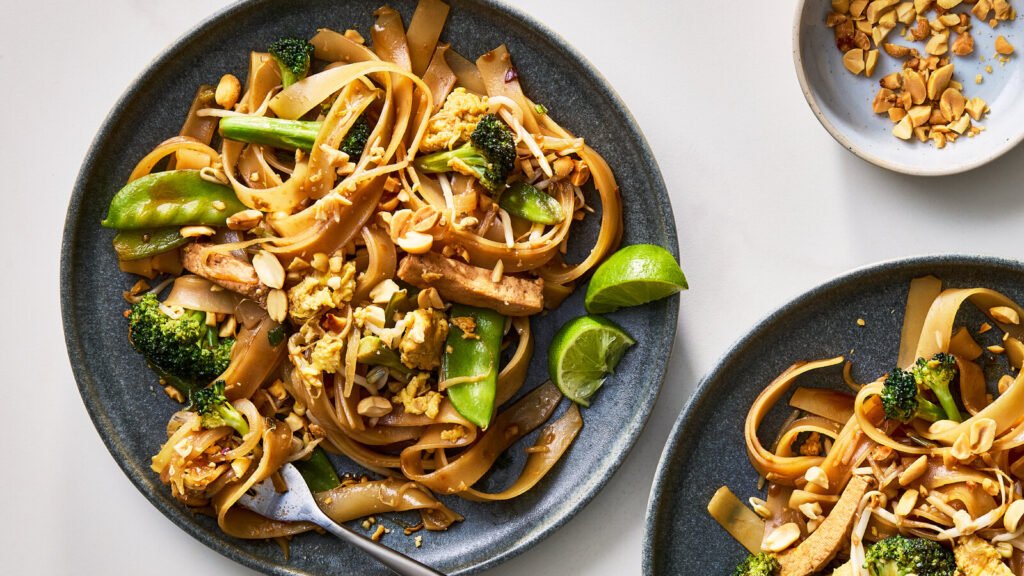
Traditional Pad Thai uses eggs, shrimp, or chicken. For a meatless version, use plant-based proteins that add variety in texture and flavor:
- Tofu: Firm or extra-firm, cubed and pan-fried until golden. Marinate lightly in soy sauce before cooking for added depth.
- Tempeh: Nutty and hearty, perfect for extra chewiness.
- Edamame or chickpeas: For a quick protein boost.
- Plant-based egg substitutes (optional): Many vegan “eggs” work beautifully scrambled into noodles.
These alternatives keep the dish filling without compromising authenticity.
Secret 6: Layer Vegetables for Texture
Pad Thai shines when every bite has crunch, freshness, and softness. Vegetables are your best allies here.
- Crunch: Bean sprouts, shredded carrots, snap peas.
- Softness: Zucchini ribbons, baby spinach, mushrooms.
- Fresh finish: Scallions, cilantro, Thai basil.
Stir-fry harder vegetables first (carrots, broccoli stems), then softer ones (mushrooms, spinach) toward the end to avoid overcooking.
Secret 7: Don’t Skip Peanuts and Lime
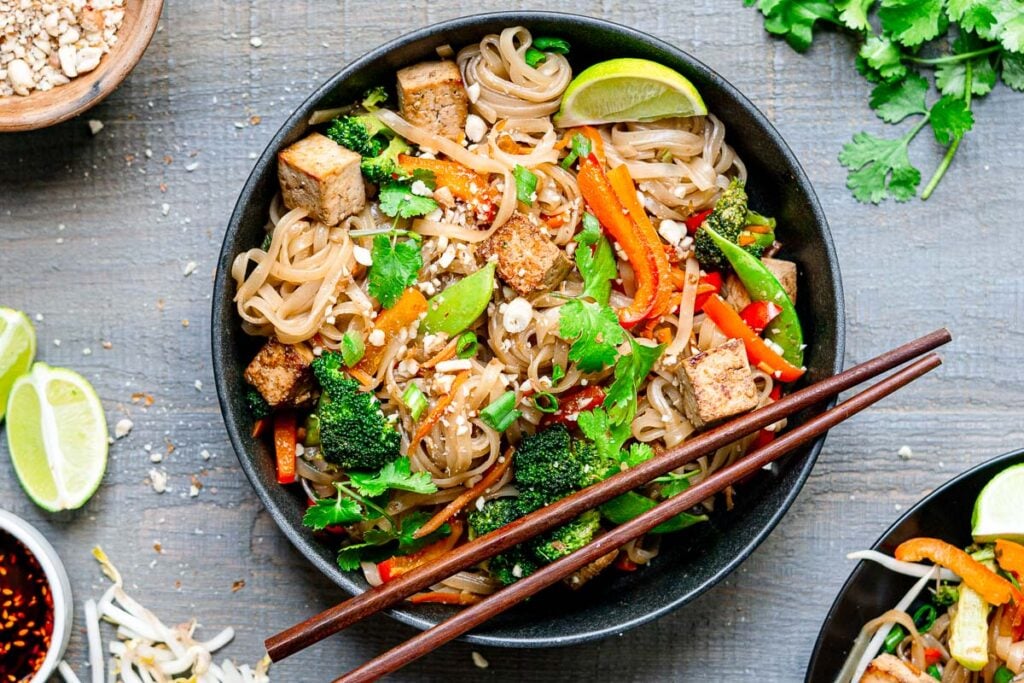
The garnish is not just decorative—it completes the dish.
- Roasted peanuts: Crush lightly and sprinkle for crunch and richness.
- Fresh lime wedges: A squeeze of lime brightens the flavors, balancing sweetness and tang.
- Chili flakes or pickled chilies: For heat and authenticity.
Without these, Pad Thai feels incomplete. Restaurants always finish with these touches—so should you.
Secret 8: Achieve the Perfect Sauce Absorption
Ever had Pad Thai where the noodles sit in a puddle of sauce? The trick is timing.
- Add the sauce after noodles are slightly softened in the wok.
- Stir until the noodles fully absorb the sauce—glossy but not wet.
- If noodles dry out, sprinkle in a tablespoon of water or broth.
This ensures every strand carries flavor without excess liquid.
Secret 9: Rest and Serve Immediately
Pad Thai tastes best hot off the wok. Letting it sit too long causes noodles to clump.
- Once cooked, rest for 1–2 minutes (so steam escapes slightly).
- Plate immediately and garnish.
- Serve warm, not reheated—reheating often makes noodles sticky.
If making ahead, store sauce and noodles separately, combining only at the last moment.
Serving Ideas (All Plant-Based)
Pad Thai can be customized for different occasions:
- Classic Vegan Pad Thai – Rice noodles, tofu, bean sprouts, peanuts, and tamarind sauce.
- Rainbow Pad Thai – Add colorful vegetables: purple cabbage, red peppers, yellow carrots.
- High-Protein Pad Thai – Tofu, tempeh, and edamame with extra peanuts.
- Pad Thai Salad – Toss cooked noodles with raw veggies, extra lime juice, and chili flakes.
- Spicy Pad Thai – Use extra chili paste or fresh Thai chilies for a fiery kick.
Conclusion
Restaurant-style Pad Thai is not beyond reach for the home cook—and it doesn’t require meat to taste authentic. By choosing the right noodles, balancing a tangy-sweet sauce, prepping in advance, and layering textures, you can achieve a dish that’s light, flavorful, and deeply satisfying.
These 9 secrets—from noodle soaking to wok technique to creative plant-based proteins—allow you to replicate the street-food charm of Pad Thai in your own kitchen. The best part? This version is wholesome, vegetarian-friendly, and adaptable, proving that meatless Pad Thai can be just as indulgent and crave-worthy as the original.
Once you’ve mastered these tricks, you’ll never settle for takeout again. Instead, you’ll have the confidence to whip up your own steaming, nutty, lime-spritzed plate of Pad Thai—restaurant style, but entirely plant-based.