
Fresh figs have long been regarded as one of nature’s most exquisite delicacies. With their honey-like sweetness, velvety texture, and striking jewel-toned interiors, figs have graced both royal feasts and humble family tables for centuries. Believed to be one of the oldest cultivated fruits, figs (Ficus carica) were revered in ancient civilizations, symbolizing abundance, fertility, and prosperity. Today, they remain a seasonal treat that blends tradition with modern culinary creativity.
While dried figs are available year-round, fresh figs are highly seasonal, usually appearing in late summer and early autumn. This limited availability makes them all the more prized, encouraging cooks to celebrate them when they are at their peak. Not only are figs a sensory delight, but they are also a powerhouse of nutrients. Rich in dietary fiber, antioxidants, potassium, magnesium, and natural sugars, they are both indulgent and wholesome.
This article explores five delicious vegetarian-friendly ways to use fresh figs this season — from appetizers to desserts — while also examining their cultural significance, nutritional benefits, and culinary versatility.
Nutritional and Culinary Value of Fresh Figs
Fresh figs are more than just visually stunning. Each bite offers a combination of sweetness, chewiness, and crunch from their tiny seeds. Nutritionally, figs are celebrated for:
- Dietary Fiber: Supporting digestion and promoting satiety.
- Natural Sugars: Providing a gentle energy boost without processed sweeteners.
- Vitamins and Minerals: Especially vitamin K, vitamin A, potassium, and calcium, which contribute to bone and heart health.
- Antioxidants: Phenolic compounds in figs help protect against oxidative stress and inflammation.
Culinarily, figs pair well with both savory and sweet flavors. They complement cheeses, nuts, grains, herbs, and chocolate, making them adaptable across cuisines. Unlike many fruits, figs can be enjoyed raw, roasted, grilled, or baked, adding variety to their use.
1. Fresh Fig and Goat Cheese Crostini
Description
This elegant appetizer highlights figs’ natural sweetness by pairing them with creamy, tangy goat cheese. Served atop toasted baguette slices, fig crostini make a sophisticated starter for gatherings or a light lunch.
Preparation
- Slice a baguette into thin rounds and toast until golden.
- Spread a layer of goat cheese (or a plant-based cheese alternative for vegans).
- Top with fresh fig halves or slices.
- Drizzle with honey or maple syrup.
- Garnish with fresh thyme or crushed walnuts.
Why It Works
The combination of creamy cheese, sweet figs, and crunchy bread creates a balanced bite. The addition of honey enhances natural sugars, while herbs and nuts add depth.
2. Roasted Figs with Balsamic Glaze

Description
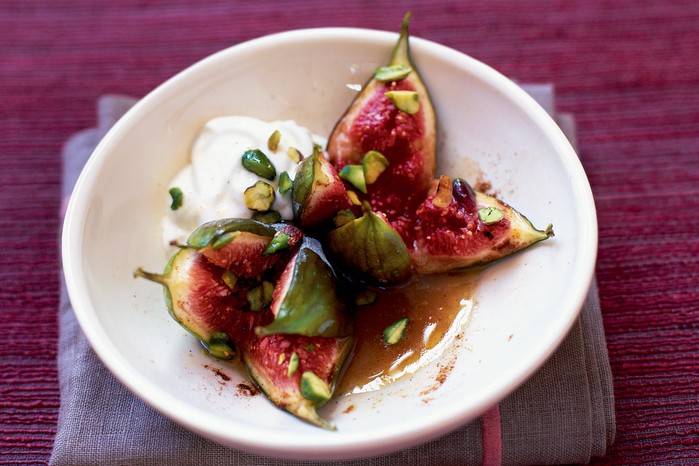
Roasting intensifies the flavor of fresh figs, creating a caramelized, almost jam-like sweetness. A balsamic glaze provides a tart counterpoint, making this dish suitable as a side, topping, or even a light dessert.
Preparation
- Halve fresh figs and place on a baking sheet.
- Drizzle with olive oil and sprinkle with cinnamon.
- Roast at 375°F (190°C) for 15–20 minutes until caramelized.
- Drizzle with reduced balsamic glaze before serving.
Serving Ideas
- Pair with roasted vegetables like carrots or Brussels sprouts.
- Serve atop quinoa or couscous for a hearty grain bowl.
- Enjoy as a standalone dessert with a dollop of Greek yogurt.
Why It Works
Heat transforms figs into a luscious, jammy texture. The tart balsamic reduction balances sweetness, creating a dish that is both gourmet and accessible.
3. Fig and Arugula Salad

Description
This refreshing salad combines peppery arugula, juicy figs, crunchy nuts, and tangy cheese. It showcases figs in their raw form while creating contrasts in flavor and texture.
Preparation
- Toss fresh arugula with a light vinaigrette (olive oil, lemon juice, and mustard).
- Add halved figs, toasted almonds or pecans, and crumbled feta or vegan cheese.
- Finish with pomegranate seeds for a burst of color and acidity.
Nutritional Highlights
- Arugula provides vitamins K and C.
- Nuts add protein and healthy fats.
- Figs contribute fiber and antioxidants.
Why It Works
The balance of sweet, bitter, crunchy, and creamy makes this salad both visually stunning and nutritionally dense. It can serve as a main course or side dish.
4. Fig and Almond Tart
Description
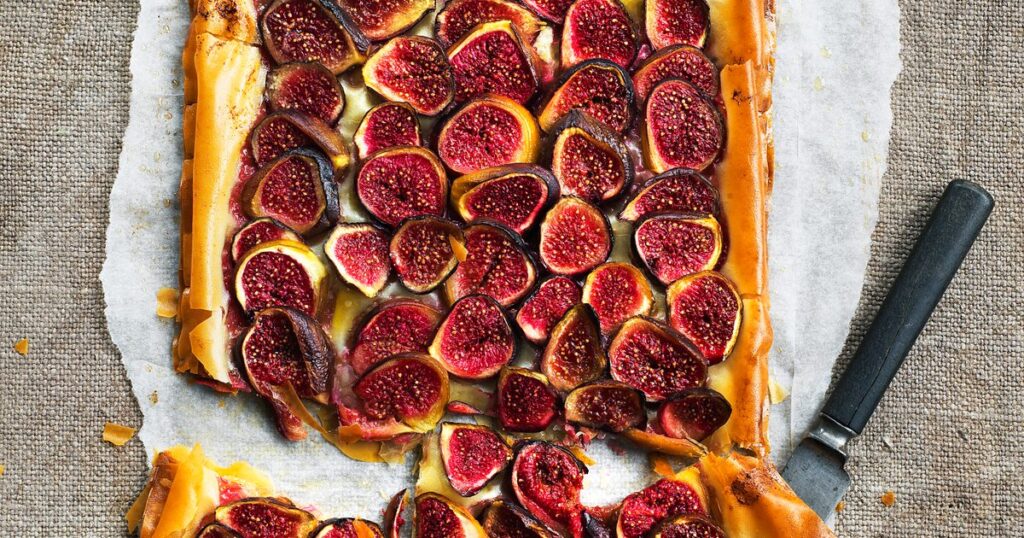
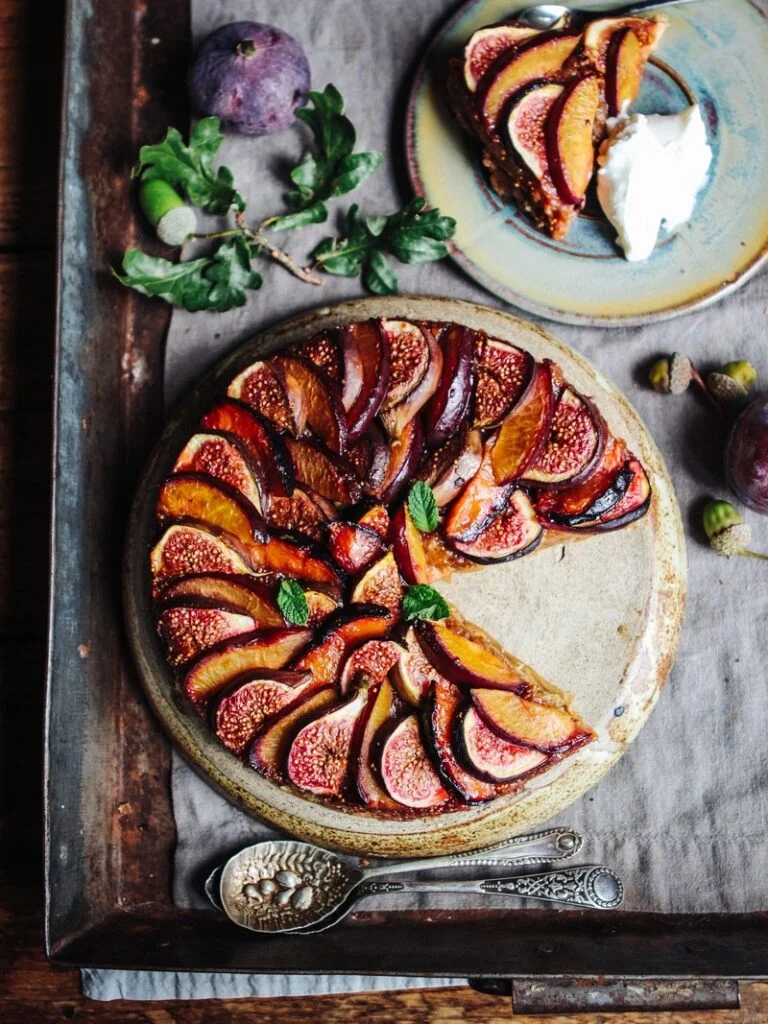
A fig and almond tart transforms figs into an elegant dessert that is both rustic and refined. The nutty almond filling complements the sweetness of figs, making it ideal for festive occasions.
Preparation
- Prepare a tart crust using flour, butter (or vegan alternative), and a touch of sugar.
- Fill with frangipane (almond cream mixture) or a blend of almond flour, plant milk, and maple syrup.
- Arrange halved figs on top in decorative patterns.
- Bake at 350°F (175°C) for 30–35 minutes until golden.
Why It Works
The richness of almonds pairs harmoniously with figs’ natural sweetness. This tart balances indulgence with the wholesome qualities of nuts and fruit.
5. Fig Smoothie with Oats and Banana
Description
For a nutritious breakfast or snack, figs can be blended into smoothies. Their natural sweetness reduces the need for added sugars, while oats and bananas provide creaminess and energy.
Preparation
- Blend fresh figs with one banana, half a cup of oats, almond milk, and a spoonful of nut butter.
- Add cinnamon or cardamom for extra warmth.
- Serve chilled, garnished with chia seeds or granola.
Nutritional Highlights
This smoothie provides:
- Sustained energy from oats and banana.
- Fiber and natural sweetness from figs.
- Plant-based protein from nut butter.
Why It Works
It is both filling and nourishing, making it perfect for busy mornings. The combination of textures and flavors ensures that the smoothie feels like a treat rather than just a health drink.
Cultural and Seasonal Significance of Figs
Figs carry deep cultural resonance across the globe. In Mediterranean traditions, they are symbols of fertility and prosperity, while in Middle Eastern cuisines, they are used in both savory stews and sweet pastries. In modern Western cuisine, figs are associated with gourmet dining and farm-to-table freshness.
The seasonal nature of figs makes them a “celebration fruit.” Their short harvest period encourages creativity in the kitchen, as cooks strive to make the most of their fleeting presence. Incorporating figs into a variety of dishes not only highlights their versatility but also connects us to seasonal eating practices — a cornerstone of sustainable food traditions.
Conclusion
Fresh figs are a testament to how nature’s simplest offerings can inspire culinary excellence. Their unique sweetness, velvety texture, and nutritional richness make them one of the most versatile seasonal fruits. By exploring five delicious ways to use figs — crostini, roasted preparations, salads, tarts, and smoothies — this article demonstrates how figs can shine in appetizers, mains, and desserts alike.
Whether enjoyed raw for their natural juiciness or transformed through roasting and baking, figs bring vibrancy and nourishment to the table. Beyond their taste, they embody cultural history, seasonal awareness, and a connection to wholesome eating.
As figs make their brief but glorious appearance this season, they invite us to experiment, savor, and celebrate the art of cooking with fresh produce. In doing so, we honor both tradition and innovation — and rediscover the joy of eating with the seasons.