
The pound cake is one of the most enduring classics in the history of baking. Beloved for its dense, buttery texture and rich flavor, this simple yet elegant cake has evolved through centuries, adapting to regional tastes and dietary preferences. Among its many variations, the Classic Lemon Pound Cake with Glaze holds a special place. The bright citrus tang of lemon perfectly balances the richness of the cake, while a glossy glaze enhances both appearance and taste.
Traditionally, pound cakes were prepared with a pound each of butter, flour, sugar, and eggs — hence the name. Today, variations abound, including eggless and dairy-modified versions that maintain the integrity of the original recipe while accommodating vegetarian preferences. The lemon pound cake, with its delicate crumb and refreshing notes of citrus, exemplifies how timeless recipes can be modernized without losing their essence.
This article explores the origins of pound cake, the science behind creating its perfect texture, detailed preparation steps for an eggless lemon version with glaze, nutritional insights, variations, and cultural relevance.
Origins and Evolution of Pound Cake
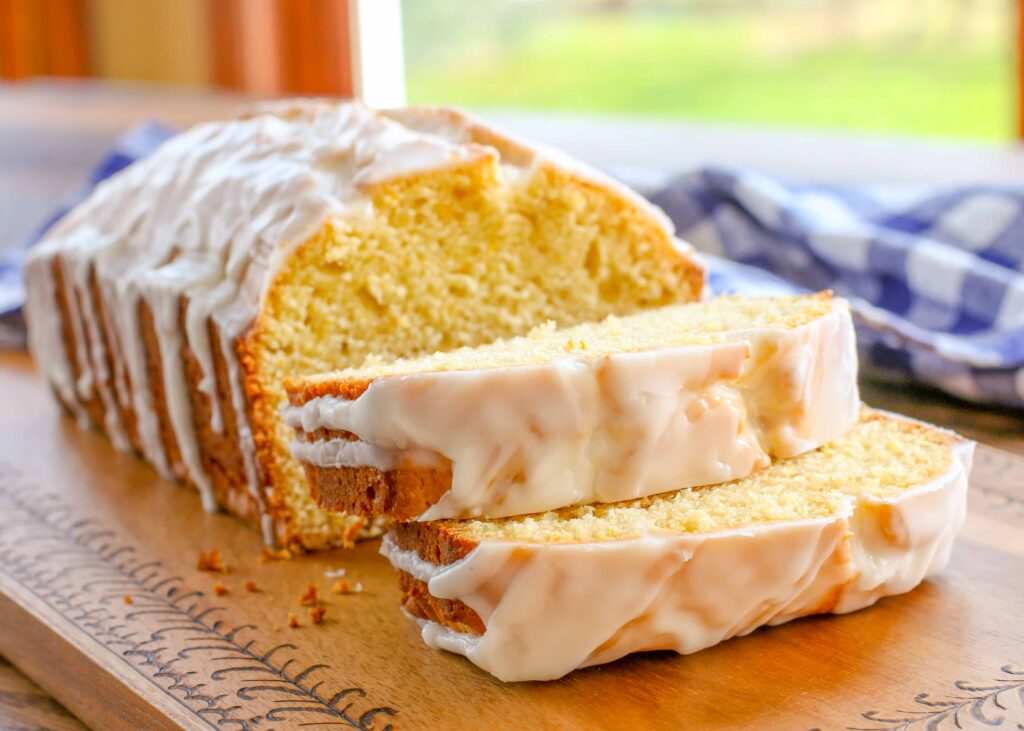
Pound cake traces its origins to early 18th-century Europe, where it symbolized abundance and domestic craftsmanship. Its straightforward recipe — one pound each of the four key ingredients — ensured consistency and ease of memory. Over time, bakers adjusted proportions to improve lightness, incorporating leavening agents, flavorings, and glazes.
In the United States, pound cake became a staple of Southern hospitality, often served at family gatherings and holidays. Lemon emerged as a favored flavoring because of its refreshing qualities and ability to cut through the heaviness of butter. Today, lemon pound cake is enjoyed worldwide, often paired with tea or coffee, and is celebrated for its balance of simplicity and sophistication.
Ingredients and Their Roles

To create a vegetarian, egg-free lemon pound cake with glaze, the following ingredients are typically used:
For the Cake:
- All-purpose flour: Provides structure.
- Baking powder: Acts as a leavening agent, replacing the lift eggs typically give.
- Butter or plant-based butter: Adds richness and moisture.
- Sugar: Sweetens and tenderizes the crumb.
- Milk or plant-based milk: Contributes moisture and helps bind ingredients.
- Yogurt or unsweetened applesauce: Serves as an egg replacer, providing structure and tenderness.
- Lemon zest and juice: Impart bright citrus flavor and subtle acidity.
- Salt: Balances sweetness and enhances flavors.
For the Glaze:
- Powdered sugar: Base of the glaze.
- Lemon juice: Adds tanginess and creates a pourable consistency.
- Optional plant-based milk: Adjusts thickness.
Each ingredient plays a precise role in creating balance. For example, yogurt mimics the richness of eggs, while baking powder provides aeration. The lemon zest carries essential oils that give depth of flavor, while juice provides acidity that enhances freshness.
Step-by-Step Preparation

1. Preparing the Batter
- Preheat the oven to 350°F (175°C). Grease a loaf pan and line with parchment paper.
- In a bowl, whisk together flour, baking powder, and salt.
- In another bowl, cream butter and sugar until light and fluffy.
- Mix in yogurt (or applesauce), lemon zest, and lemon juice.
- Gradually add dry ingredients, alternating with milk, until a smooth batter forms.
2. Baking
Pour the batter into the prepared loaf pan. Smooth the top with a spatula and bake for 45–55 minutes, or until a toothpick inserted comes out clean. Allow the cake to cool in the pan for 10 minutes, then transfer to a wire rack.
3. Preparing the Glaze
Whisk powdered sugar with lemon juice until smooth and slightly thick. Drizzle over the cooled cake, allowing it to cascade down the sides for a glossy finish.
Culinary Science of Pound Cake

The success of a pound cake lies in the delicate interplay of chemistry and technique:
- Creaming Butter and Sugar: This process incorporates air, creating a fine crumb.
- Acidity of Lemon Juice: Reacts with baking powder to release carbon dioxide, aiding rise.
- Moisture Management: Yogurt and milk ensure the cake is tender without being dense.
- Glaze Functionality: The glaze not only enhances taste but also seals moisture, prolonging shelf life.
In eggless adaptations, careful ingredient substitution ensures the same tenderness and rise. Yogurt mimics protein structure, while baking powder compensates for lost leavening power.
Nutritional Analysis
A slice of lemon pound cake with glaze (approximately 80–100 g) provides:
- Calories: 280–320 kcal
- Carbohydrates: 45–50 g
- Protein: 4–5 g
- Fat: 10–12 g (depending on butter used)
- Fiber: 1–2 g
- Vitamin C: From lemon juice and zest
While pound cake is indulgent, making it with whole wheat flour, plant-based milk, and reduced sugar can increase fiber and lower glycemic impact. Using olive oil instead of butter provides healthier fats while maintaining moisture.
Variations of Lemon Pound Cake
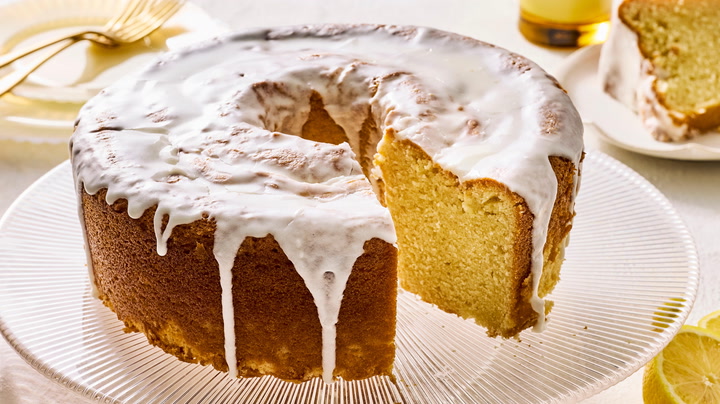
The adaptability of this cake allows for numerous variations while keeping it vegetarian:
- Vegan Lemon Pound Cake: Replace butter with coconut oil, milk with almond milk, and yogurt with flaxseed gel.
- Gluten-Free Lemon Pound Cake: Use almond flour or gluten-free flour blends.
- Herb-Infused: Add thyme or rosemary for an aromatic twist.
- Berry Addition: Incorporate blueberries or raspberries into the batter.
- Spiced Version: Add cardamom or ginger for warmth.
Cultural Significance
Cakes often transcend their culinary role, symbolizing celebration, sharing, and comfort. In Western culture, pound cake represents tradition and continuity, often passed down as family recipes. Lemon, as a flavoring, symbolizes freshness, renewal, and elegance. Together, the lemon pound cake has become a staple at weddings, afternoon teas, and holiday tables.
In a broader sense, adapting the classic recipe into vegetarian or vegan versions demonstrates the cultural shift toward inclusivity in food. It reflects the modern ethos of making traditional recipes accessible to diverse dietary choices while preserving their essence.
Serving Suggestions
Lemon pound cake is versatile in its presentation:
- Serve warm with herbal tea.
- Pair with a berry compote for contrast.
- Add a scoop of dairy-free vanilla ice cream for indulgence.
- Slice thin and layer with whipped cream and fruit for a quick trifle.
The glaze itself can be customized — substituting part of the lemon juice with orange juice, or adding zest for a more textured finish.
Conclusion
The Classic Lemon Pound Cake with Glaze exemplifies how traditional recipes can evolve gracefully, balancing indulgence, tradition, and modern dietary preferences. Its dense yet tender crumb, enhanced by the refreshing brightness of lemon and the sheen of a simple glaze, makes it a timeless favorite.
By understanding its origins, culinary science, and nutritional aspects, we appreciate the cake not only as food but as a cultural artifact that connects generations. The vegetarian adaptation, free of eggs yet rich in flavor, reflects the broader culinary shift toward inclusivity and sustainability.
Whether enjoyed as a comforting homemade treat or presented at festive gatherings, lemon pound cake continues to embody both simplicity and sophistication. Its enduring appeal lies in its ability to adapt while maintaining its identity — a true testament to the artistry of baking.