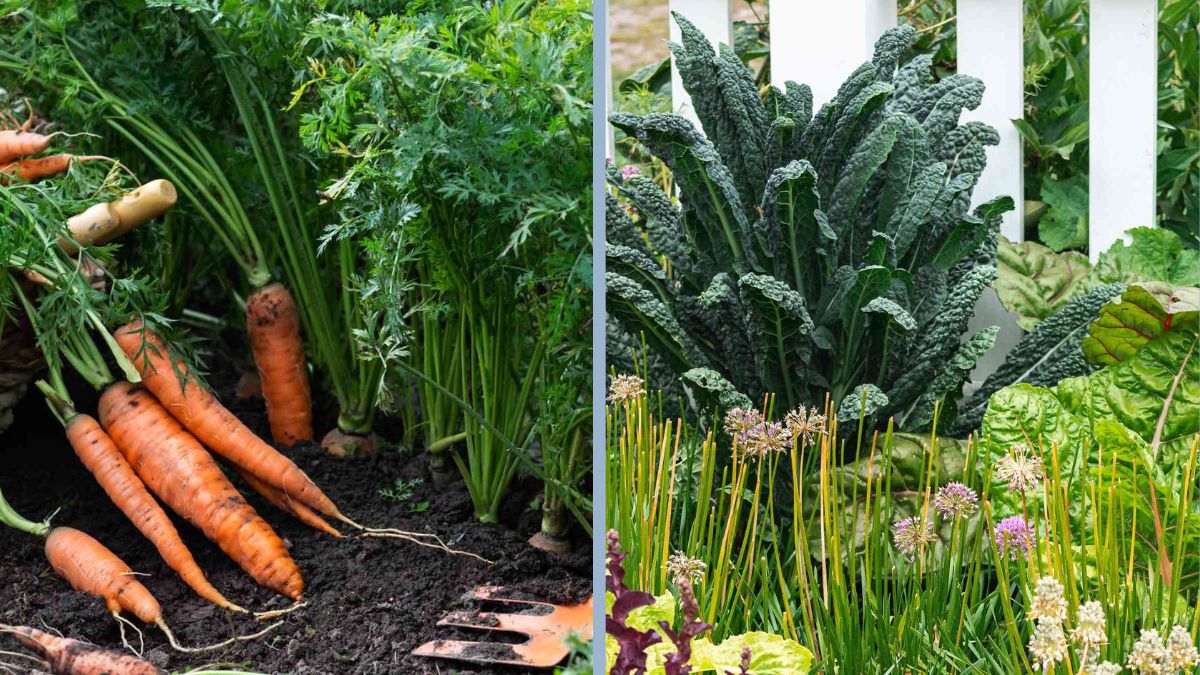
One of the biggest joys of gardening is enjoying fresh produce that you have grown with your own hands. For beginners, however, waiting months for crops to mature can feel discouraging. Fortunately, many vegetables grow quickly and can be harvested in just a few weeks, offering instant satisfaction and a continuous supply of fresh food.
Fast-growing vegetables are perfect for kitchen gardens, balconies, or even indoor containers. They not only save time but also provide healthy, chemical-free produce that enhances your meals. This guide explores seven fast-growing vegetables you can start today, each offering rapid harvests and simple care requirements.
1. Radishes
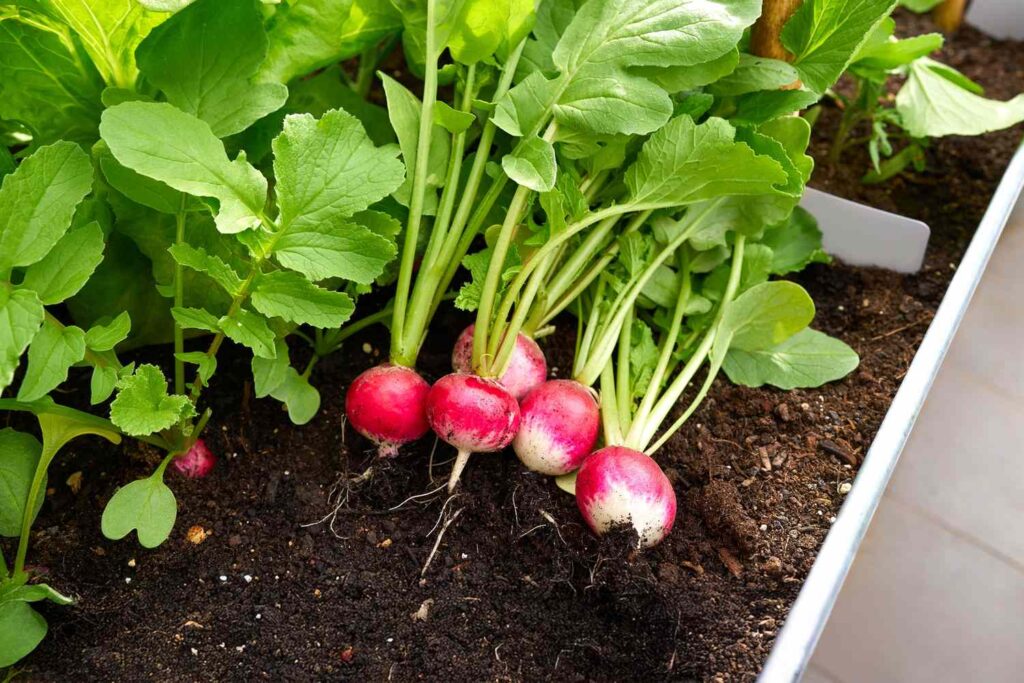
Radishes are among the fastest-growing vegetables, often ready to harvest in as little as 3–4 weeks. Their crisp texture and peppery flavor make them a favorite for salads and pickles.
- Growing conditions: Radishes prefer cool weather and loose, well-drained soil. They thrive in partial shade or full sun.
- Planting tips: Sow seeds directly into the soil, about ½ inch deep, spacing them 1 inch apart. Thin seedlings early to avoid overcrowding.
- Watering: Keep soil evenly moist to prevent roots from becoming woody or splitting.
- Harvesting: Harvest when roots are 1–2 inches in diameter. Delaying too long can make them tough.
Harvest time: 25–30 days
Radishes are a fantastic starter crop, teaching new gardeners the basics of sowing, thinning, and harvesting within weeks.
2. Lettuce
Lettuce is a kitchen garden essential, loved for its versatility in salads, wraps, and sandwiches. Certain varieties grow quickly, making them ideal for impatient gardeners.
- Varieties: Loose-leaf lettuces like Buttercrunch, Oakleaf, or Black Seeded Simpson are the fastest growers.
- Growing conditions: Cool weather with partial shade is ideal. Soil should be fertile and well-draining.
- Planting tips: Direct sow seeds or start in trays, spacing them 4–6 inches apart.
- Watering: Water regularly, keeping soil consistently moist.
- Harvesting: Begin harvesting outer leaves after 25–30 days while allowing inner leaves to continue growing (“cut-and-come-again” method).
Harvest time: 30–40 days
With staggered sowing every two weeks, you can enjoy a continuous supply of fresh lettuce.
3. Spinach
Spinach is a fast-growing leafy green packed with nutrients like iron, calcium, and vitamins A and C. It thrives in cooler weather and matures quickly.
- Growing conditions: Spinach prefers partial shade and fertile, well-drained soil.
- Planting tips: Sow seeds directly into soil ½ inch deep, spacing 2 inches apart. Thin seedlings to avoid overcrowding.
- Watering: Regular watering is essential to prevent bolting (premature flowering).
- Harvesting: Baby leaves can be harvested within 25–30 days, while mature leaves take 40–50 days.
Harvest time: 25–40 days
Spinach is perfect for quick salads, smoothies, or lightly sautéed vegetarian dishes.
4. Green Onions (Spring Onions)
Green onions, also known as spring onions or scallions, are a versatile vegetable that grows rapidly and requires little care.
- Growing conditions: They thrive in both containers and garden beds, needing full sun and well-drained soil.
- Planting tips: Sow seeds or plant small onion sets about 1 inch deep. Space 1–2 inches apart.
- Watering: Keep the soil moist but not soggy.
- Harvesting: Harvest young green shoots in about 20–30 days, or allow more time for slightly thicker stems.
Harvest time: 20–30 days
Green onions are excellent for garnishes, stir-fries, soups, and fresh salads.
5. Baby Carrots
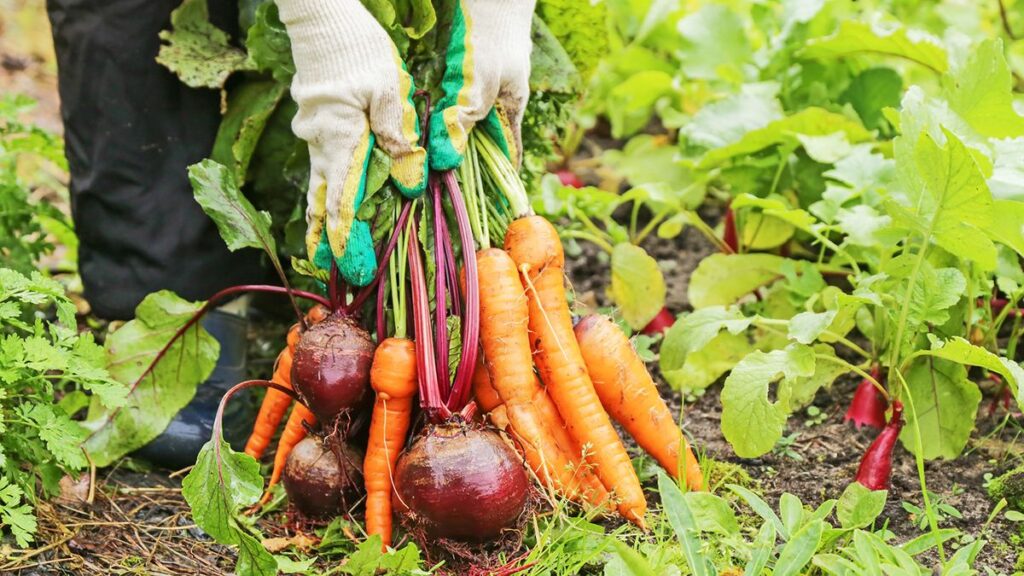
While full-sized carrots take 60–80 days to mature, baby carrot varieties can be harvested much sooner. Their sweet flavor and tender texture make them a delightful addition to quick-growing gardens.
- Varieties: Look for short-rooted types such as Little Finger, Paris Market, or Thumbelina.
- Growing conditions: Loose, sandy soil free of stones ensures smooth roots.
- Planting tips: Sow seeds thinly, ¼ inch deep. Keep soil evenly moist until germination.
- Harvesting: Harvest when roots are about 3–4 inches long.
Harvest time: 30–40 days
Baby carrots are a kid-friendly crop and an easy snack straight from the garden.
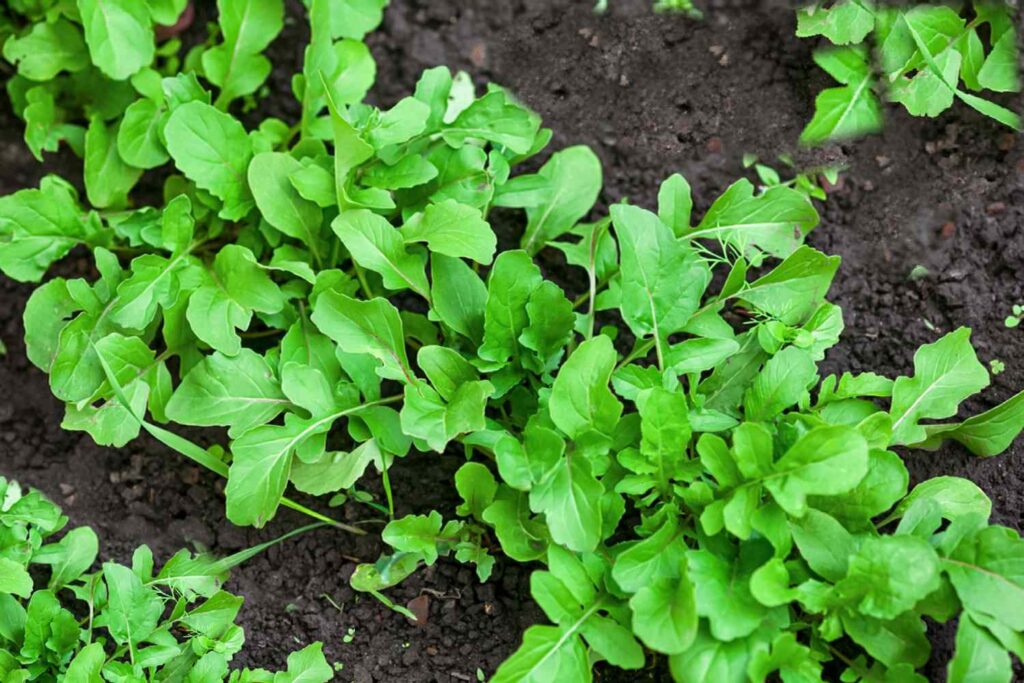
6. Arugula (Rocket)
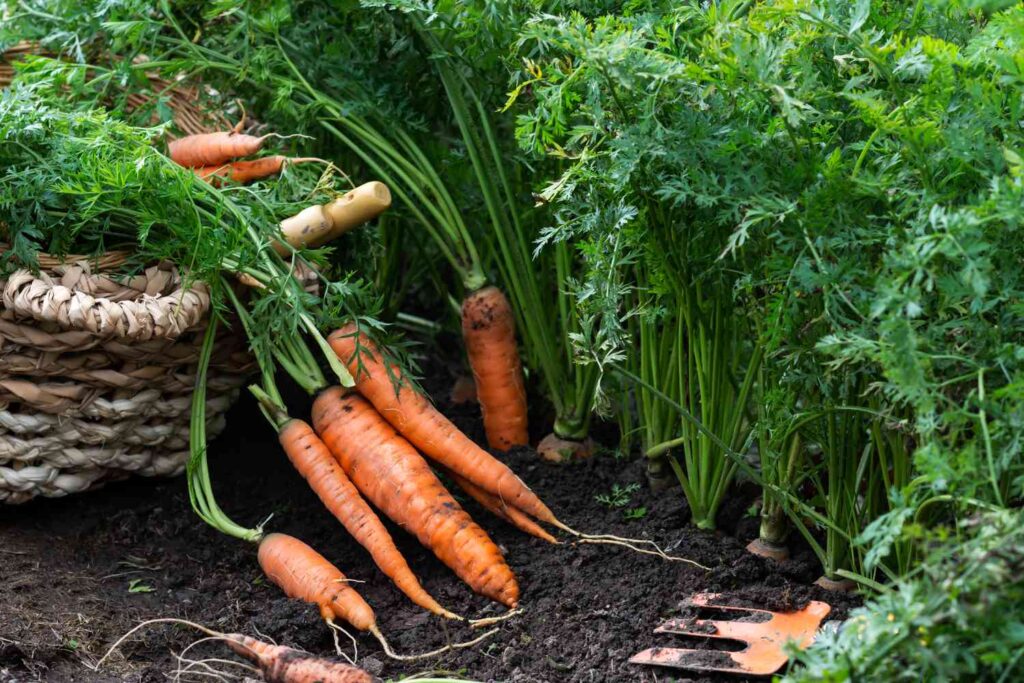
Arugula is a fast-growing leafy green with a distinct peppery flavor. It is highly nutritious and adds zest to salads, sandwiches, and pasta dishes.
- Growing conditions: Prefers cooler temperatures and fertile, well-drained soil.
- Planting tips: Sow seeds directly into containers or garden beds. Space 2 inches apart for baby leaves or 4–6 inches apart for larger leaves.
- Watering: Water consistently to prevent bitterness.
- Harvesting: Baby leaves can be harvested within 20–25 days. Cut-and-come-again harvesting encourages continuous growth.
Harvest time: 20–30 days
Arugula is one of the fastest-growing leafy vegetables, perfect for gardeners looking for rapid, flavorful harvests.
7. Microgreens
Microgreens are perhaps the ultimate fast-growing vegetable option. These tiny seedlings of vegetables like mustard, broccoli, radish, or kale pack intense flavors and nutrients.
- Growing conditions: Microgreens can be grown indoors on windowsills in shallow trays.
- Planting tips: Scatter seeds thickly over the surface of moist soil or coconut coir. Cover lightly with soil or keep uncovered, depending on seed type.
- Watering: Mist lightly to keep the surface moist but not waterlogged.
- Harvesting: Use scissors to snip greens when they are 2–3 inches tall, typically within 10–14 days.
Harvest time: 10–14 days
Microgreens are excellent for garnishing, boosting salads, or blending into smoothies.
Tips for Growing Fast Vegetables Successfully
While these vegetables grow quickly, a few general practices will maximize success:
- Soil quality: Use nutrient-rich, well-drained soil. Add compost or organic fertilizer for steady growth.
- Consistent watering: Shallow-rooted fast growers need regular moisture but not waterlogging.
- Sunlight: Most of these crops need 4–6 hours of sunlight daily. Indoors, use grow lights if necessary.
- Succession planting: Sow seeds every 1–2 weeks for a continuous harvest cycle.
- Pest management: Use natural remedies like neem oil spray or companion planting to prevent common pests.
Health and Culinary Benefits
Growing fast vegetables not only saves time but also enhances your meals with freshness and nutrition:
- Radishes: Rich in vitamin C and antioxidants.
- Lettuce: Hydrating and low in calories, perfect for weight management.
- Spinach: Packed with iron, calcium, and folate.
- Green Onions: Source of vitamins A, C, and K.
- Baby Carrots: Excellent for beta-carotene and eye health.
- Arugula: Provides calcium and vitamin K for bone health.
- Microgreens: Contain concentrated nutrients, often more than their mature counterparts.
These vegetables are versatile in vegetarian cooking, whether raw in salads, sautéed in stir-fries, or blended into smoothies.
Conclusion
For new gardeners or those with limited patience, fast-growing vegetables are the perfect entry point into the world of kitchen gardening. Within weeks, you can harvest crisp radishes, tender baby carrots, or vibrant spinach leaves. With just a little care in watering, sunlight, and soil preparation, these seven vegetables guarantee success and satisfaction.
A kitchen garden filled with quick-growing crops not only provides fresh, chemical-free food but also cultivates joy, health, and sustainability. Whether you live in a spacious home or a small apartment, these fast-growing vegetables ensure your garden will always reward you with delicious, homegrown produce in record time.