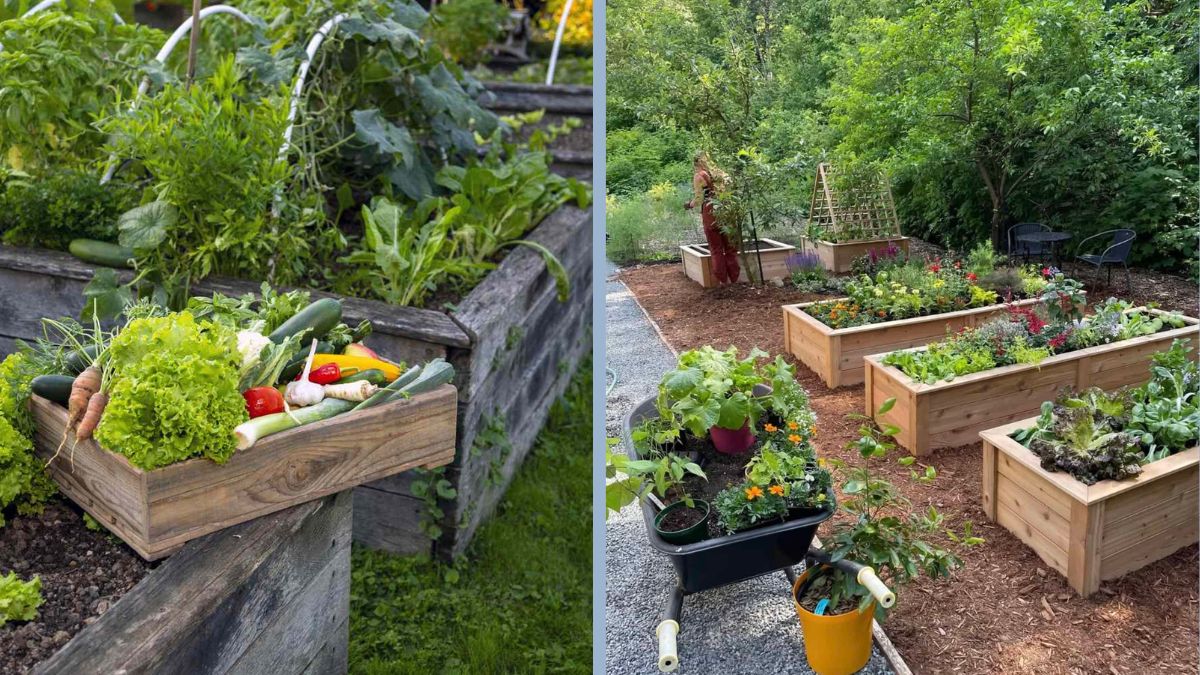
Raised garden beds have become increasingly popular among home gardeners and urban growers, and for good reason. By elevating the growing space above ground level, raised beds offer better soil drainage, improved root health, and greater control over nutrients. They also make gardening more comfortable by reducing bending and kneeling, while creating an organized, aesthetic look in any backyard or balcony.
One of the biggest advantages of raised beds is their suitability for a wide variety of vegetables. Certain crops adapt especially well to this system, producing abundant harvests in a relatively small area. This article explores ten vegetables that thrive in raised garden beds, providing detailed growing tips for each so you can maximize your harvest and enjoy a steady supply of fresh, chemical-free produce.
1. Lettuce

Lettuce is one of the easiest and fastest-growing vegetables, making it ideal for raised garden beds.
- Why it thrives: Lettuce has shallow roots that do well in the loose, nutrient-rich soil of raised beds. Good drainage prevents root rot and bitterness.
- Growing tips:
- Sow seeds directly in rows or scatter for cut-and-come-again harvesting.
- Keep soil consistently moist for tender leaves.
- Partial shade in summer prevents bolting.
- Harvest: Baby leaves in 25–30 days; full heads in 50–60 days.
2. Carrots
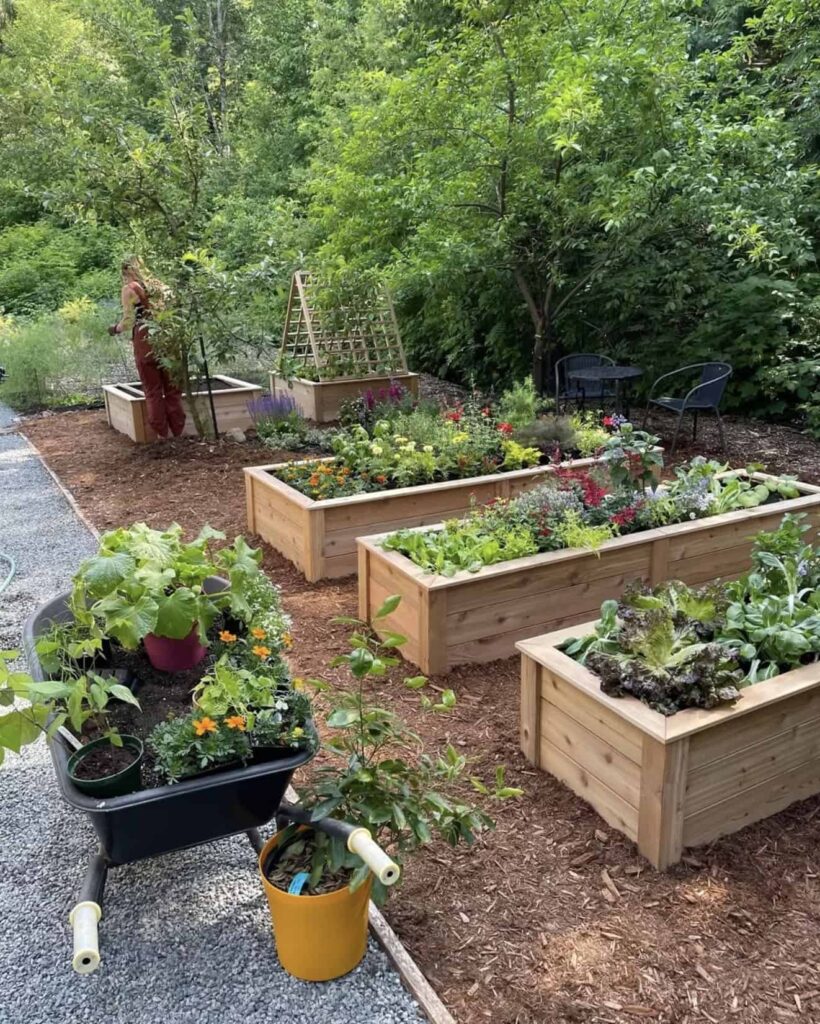
Carrots grow straight and uniform in raised beds, where the soil is loose and stone-free.
- Why it thrives: The deep, fluffy soil in raised beds prevents stunted or forked roots.
- Growing tips:
- Sow seeds thinly and cover lightly with soil.
- Keep soil moist until germination, which may take 10–14 days.
- Thin seedlings to avoid overcrowding.
- Harvest: Baby carrots in 30 days; mature roots in 60–75 days.
3. Tomatoes

Tomatoes are a favorite among gardeners and perform exceptionally well in raised beds.
- Why it thrives: Raised beds warm up quickly in spring, encouraging faster growth and stronger root systems.
- Growing tips:
- Plant seedlings deeply, burying two-thirds of the stem to promote root development.
- Use cages or stakes for support.
- Water consistently to prevent blossom-end rot.
- Harvest: Depending on the variety, 60–85 days after transplanting.
4. Peppers
Both sweet and hot peppers flourish in raised beds with proper warmth and nutrients.
- Why it thrives: Warm, well-drained soil in raised beds accelerates growth and fruiting.
- Growing tips:
- Plant in full sun with plenty of organic matter.
- Water regularly but avoid waterlogging.
- Mulch to retain soil warmth and moisture.
- Harvest: Green peppers in 60–70 days; red or fully ripe peppers in 80–90 days.
5. Cucumbers
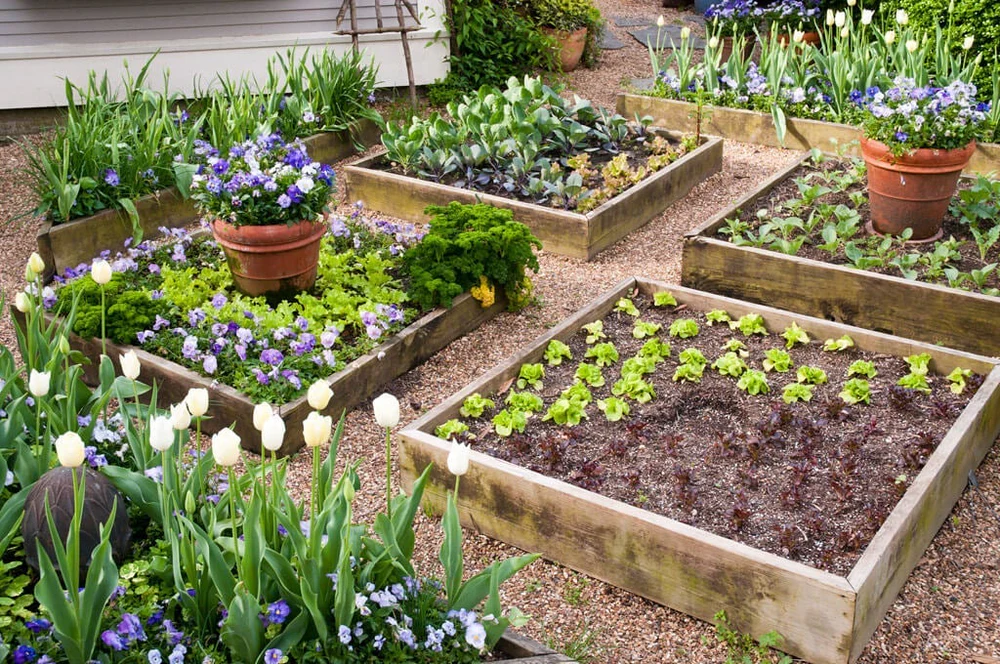
Cucumbers are vigorous climbers that grow efficiently in raised beds when provided with vertical support.
- Why it thrives: Loose, nutrient-rich soil supports vigorous root growth, while trellises maximize space.
- Growing tips:
- Plant seedlings or direct-sow after frost danger passes.
- Provide trellises to keep fruits clean and off the soil.
- Water consistently to prevent bitterness.
- Harvest: Pick slicing cucumbers at 6–8 inches long; pickling types at 3–4 inches.
6. Kale
Kale is a hardy leafy green that grows year-round in many climates.
- Why it thrives: Raised beds offer rich, well-drained soil that encourages tender, flavorful leaves.
- Growing tips:
- Sow seeds directly or transplant seedlings.
- Harvest baby leaves regularly to encourage new growth.
- Protect from pests like cabbage worms with row covers.
- Harvest: Baby leaves in 25–30 days; mature leaves in 50–60 days.
7. Radishes
Radishes are one of the fastest-growing crops and are perfect for beginners.
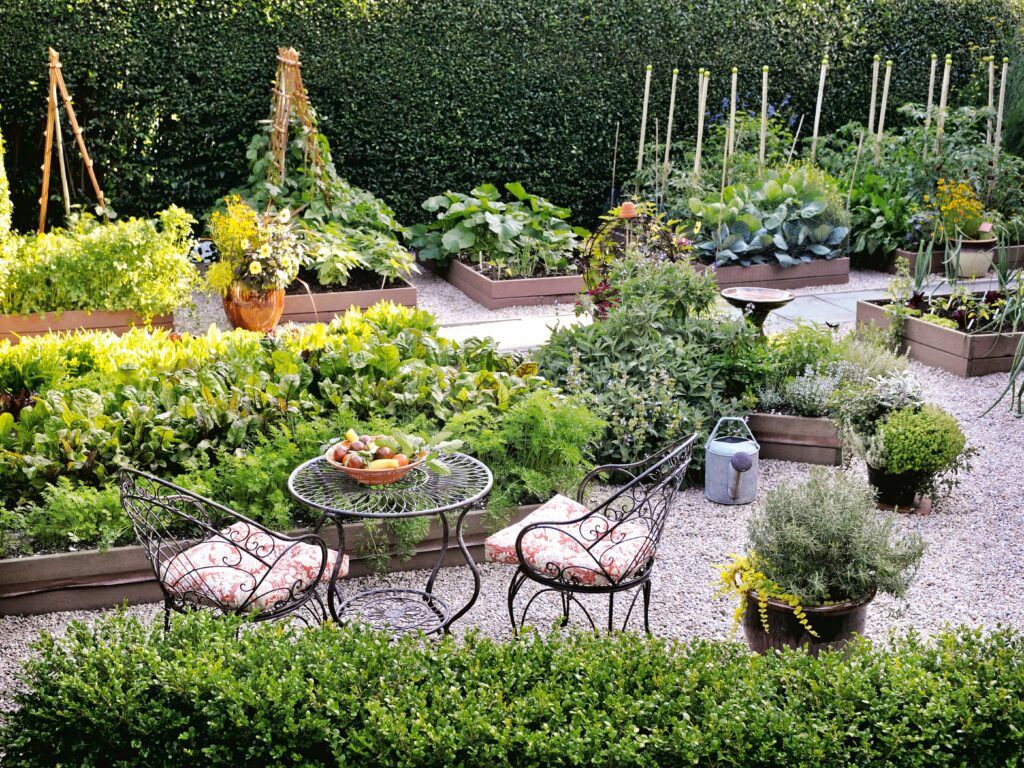
- Why it thrives: Raised beds allow loose soil for quick root development.
- Growing tips:
- Sow seeds directly, spacing 2–3 inches apart.
- Water evenly to prevent cracking.
- Harvest promptly to avoid woody texture.
- Harvest: Ready in just 25–30 days.
8. Spinach
Spinach is a nutrient-packed leafy green that thrives in cooler weather.
- Why it thrives: The fertile, moist soil of raised beds helps spinach grow rapidly before bolting in hot weather.
- Growing tips:
- Sow seeds directly in rows.
- Keep soil consistently moist.
- Provide partial shade in warm climates.
- Harvest: Baby leaves in 25–30 days; full size in 40–50 days.
9. Beans
Bush beans and pole beans both do exceptionally well in raised beds.
- Why it thrives: Beans enrich the soil by fixing nitrogen, which benefits companion crops.
- Growing tips:
- Sow seeds directly after frost has passed.
- Bush beans require less support, while pole beans need trellises or poles.
- Harvest frequently to encourage continuous production.
- Harvest: Bush beans in 50–60 days; pole beans in 60–70 days.
10. Beets
Beets provide both edible roots and leafy greens, making them a double-harvest crop.
- Why it thrives: Raised beds with loose, fertile soil allow roots to develop evenly.
- Growing tips:
- Sow seeds directly, thinning seedlings to 3–4 inches apart.
- Water regularly to keep roots tender.
- Harvest greens early while waiting for roots to mature.
- Harvest: Baby beets in 40 days; mature roots in 60–70 days.
Additional Tips for Raised Bed Success
- Soil preparation: Replenish beds each season with compost or organic matter to maintain fertility.
- Crop rotation: Rotate vegetables each year to reduce pests and soil-borne diseases.
- Succession planting: Plant fast growers like lettuce or radishes in between slower crops like tomatoes to maximize space.
- Companion planting: Pair crops that benefit each other, such as basil with tomatoes or carrots with lettuce.
- Mulching: Apply mulch to retain moisture, suppress weeds, and regulate soil temperature.
Nutritional Benefits of Raised Bed Vegetables
Homegrown vegetables from raised beds are fresher and richer in nutrients compared to store-bought produce. Here’s a quick glance at their health contributions:
- Lettuce & Spinach: High in vitamins A, C, and folate.
- Carrots & Beets: Rich in beta-carotene and antioxidants.
- Tomatoes & Peppers: Packed with vitamin C and lycopene for heart health.
- Kale: Loaded with calcium, vitamin K, and iron.
- Radishes & Cucumbers: Refreshing, hydrating, and good for digestion.
- Beans: A great source of plant-based protein and fiber.
All these vegetables fit seamlessly into a vegetarian diet, ensuring balanced nutrition while promoting sustainable living.
Conclusion
Raised garden beds provide the perfect environment for a wide range of vegetables. The ten crops highlighted—lettuce, carrots, tomatoes, peppers, cucumbers, kale, radishes, spinach, beans, and beets—are particularly well-suited to this growing method. With proper soil preparation, consistent care, and smart gardening practices, these vegetables will reward you with abundant harvests season after season.
Beyond convenience and productivity, raised bed gardening also fosters a closer connection with nature, encourages healthy eating, and promotes eco-friendly living. Whether you have a spacious backyard or a compact balcony, raised beds offer a versatile and efficient way to grow your own food.
By incorporating these thriving vegetables into your raised garden beds, you can create a sustainable, vibrant, and nourishing food source right at home—one that supports both your health and the environment.