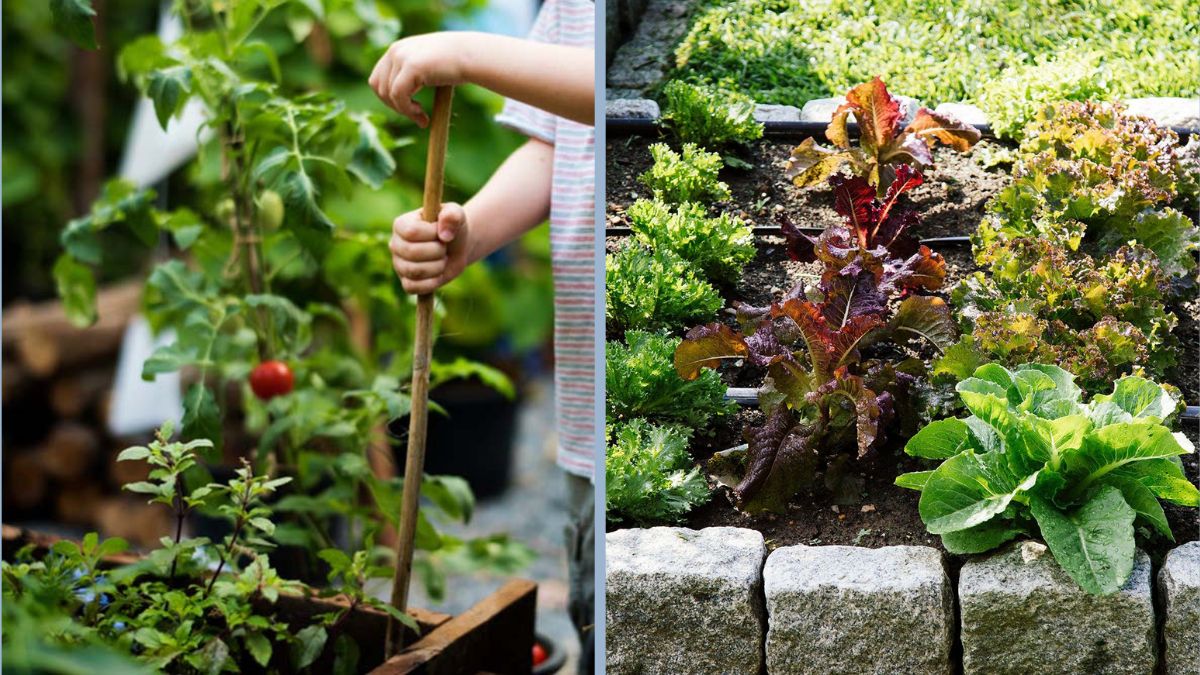
Growing vegetables year-round in a kitchen garden is both a sustainable lifestyle choice and a rewarding personal endeavor. With the right planning, tools, and seasonal understanding, you can enjoy fresh produce every month of the year—even in limited spaces like backyards, terraces, and balconies. This article provides a complete guide to help you cultivate vegetables throughout all seasons without relying on any non-vegetarian or animal-based amendments.
1. Planning the Kitchen Garden Layout
Before planting, design a layout that fits your space. Even small areas can be productive with smart planning.
Key layout tips:
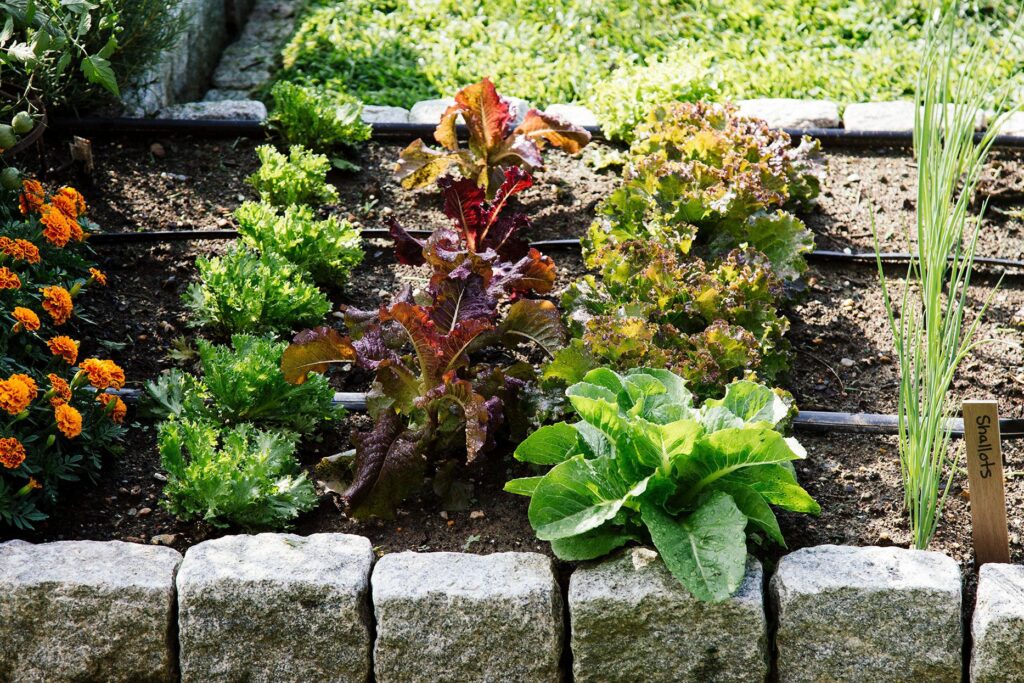
- Raised beds: Ideal for better drainage and soil control. Great for root vegetables and leafy greens.
- Vertical gardening: Utilize trellises, hanging pots, and wall planters for climbers like beans, cucumbers, and gourds.
- Container gardening: Buckets, grow bags, wooden crates, or recycled planters are suitable for patios and balconies.
- Companion planting: Mix vegetables that support each other’s growth—for example, grow tomatoes with basil or spinach with carrots.
Creating zones for seasonal crops will help maintain a continuous harvest.
2. Understanding Seasonal Crop Cycles
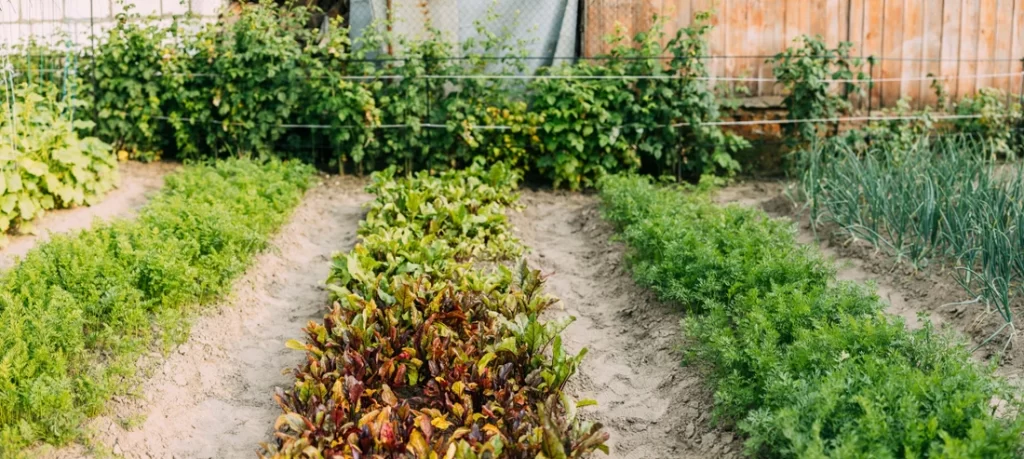
To harvest year-round, your planting plan should follow seasonal patterns. Choose crops based on climate and their growing needs.
Spring (Mild Temperatures)
- Lettuce
- Spinach
- Carrots
- Beetroot
- Peas
- Radishes
These vegetables germinate quickly and set the stage for later crops.
Summer (Warm to Hot Months)
- Tomatoes
- Cucumbers
- Okra
- Green beans
- Eggplants
- Bottle gourd
Grow heat-tolerant vegetables and provide mulch to retain soil moisture.
Monsoon (Wet Season)
- Amaranth
- Ridge gourd
- Bitter gourd
- Chilies
- Ladyfinger (okra)
Ensure proper drainage to avoid waterlogging and fungal diseases.
Autumn / Early Winter
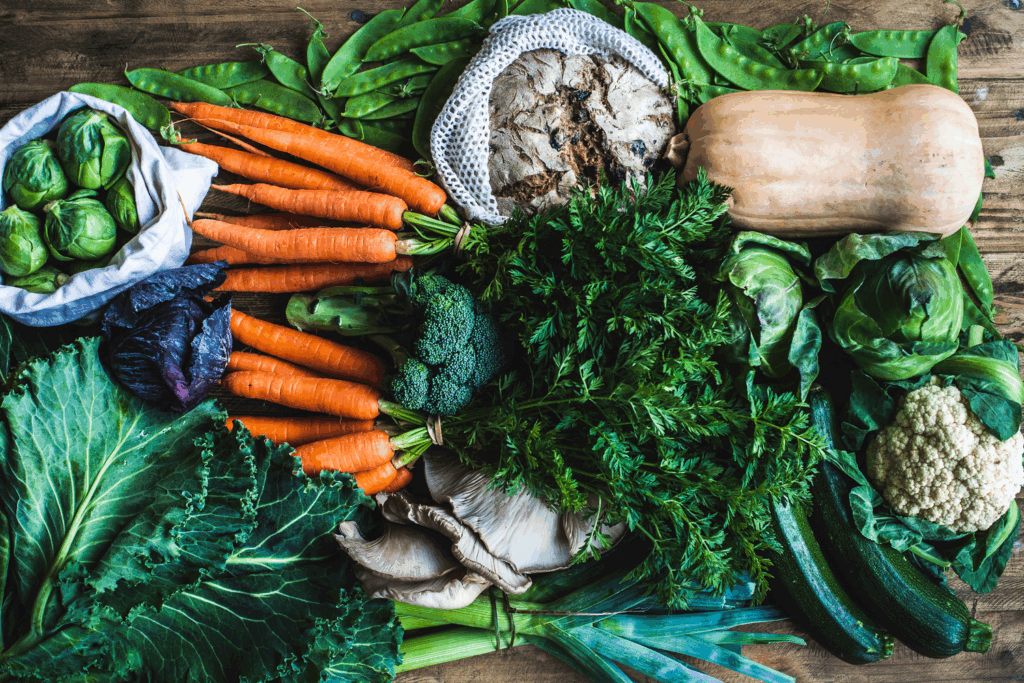
- Cauliflower
- Cabbage
- Turnips
- Coriander
- Fenugreek
- Broccoli
Transitional crops keep garden beds active between cooler and colder months.
Winter
- Mustard greens
- Kale
- Garlic
- Onions
- Green peas
- Lettuce (cold-tolerant varieties)
If temperatures drop very low in your region, cover beds with frost cloths or use small greenhouses/domes for protection.
3. Soil Preparation and Maintenance (Vegetarian-Friendly)
Soil is the foundation of a healthy garden. Use plant-based and organic sources to improve fertility.
Soil Enrichment Options (Non-veg free):
- Compost: Use kitchen scraps (vegetable peels, fruit waste), dry leaves, shredded paper, and grass clippings.
- Vermicompost: Worm-based compost enriches soil naturally—no animal waste needed.
- Green manure: Grow legumes (like moong or cowpea) and mix back into the soil to boost nitrogen.
- Cocopeat and leaf mold: Improve aeration and water retention in pots and beds.
Maintain soil by rotating crops and adding compost every season.
4. Watering Techniques for Year-Round Productivity
Proper watering is essential for consistent yield.
- Drip irrigation: Delivers water directly to roots, preventing waste.
- Mulching: Use straw, dry leaves, or coconut husk around plants to keep soil moist and cool.
- Watering schedule: Water early morning or late evening to reduce evaporation.
- Rainwater harvesting: Store rainwater for use during dry months.
Avoid overwatering—too much moisture can attract pests and cause root rot.
5. Sunlight and Temperature Management
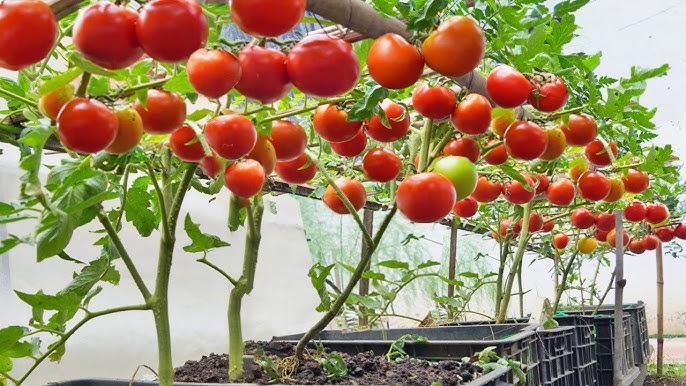
Most vegetables need 5–7 hours of sunlight daily. Plan placements carefully:
- Place sun-loving plants (like tomatoes or chilies) on the sunniest side.
- Grow shade-tolerant crops (like spinach and coriander) where light is filtered.
- In peak summers, use shade nets or place taller plants to shelter others.
- During winter, transparent plastic sheets or mini greenhouses help retain warmth and protect frost-prone plants.
6. Organic Pest and Disease Control (No Non-Veg Inputs)
A year-round garden must stay pest-resistant naturally.
Non-chemical control options:
- Neem oil spray: Effective for aphids, mites, and whiteflies.
- Garlic-chili spray: Repels common pests.
- Soap-water spray: Useful for soft-bodied insects when used sparingly.
- Marigold and basil: Plant around beds to deter nematodes and insects naturally.
- Manual removal: Regular inspection helps catch pests early.
Encourage beneficial insects like ladybugs by growing flowering herbs.
7. Indoor and Controlled Environment Gardening
For regions with extreme weather or limited outdoor space, indoor growing ensures year-round production.
Options include:
- Windowsill planters: Perfect for herbs like mint, parsley, and chives.
- Grow lights: LED grow lights support winter growth of lettuce, microgreens, and leafy veggies.
- Hydroponics: Soil-free growing using nutrient solutions—ideal for greens and herbs.
- Mini greenhouses: Retain heat and encourage seedling growth.
Controlled environments allow staggered planting and continuous harvesting.
8. Staggered Sowing and Succession Planting
To ensure nonstop harvests, plan sowing cycles carefully.
- Stagger planting every 2–3 weeks for greens like spinach, lettuce, and coriander.
- Intercropping: Combine fast-growing crops with slow-growing ones—for example, radish with cauliflower.
- Replace harvested plants quickly with the next seasonal crop.
This strategy keeps beds productive and reduces pest build-up.
9. Seed Saving and Storage
Saving seeds ensures sustainability and year-round readiness.
- Choose mature, disease-free plants for seed collection.
- Dry seeds thoroughly before storing.
- Use labeled, airtight containers or paper envelopes.
- Store in cool, dry, dark areas.
Examples: Okra, tomatoes, beans, chili, and coriander seeds are easy to save and regrow.
10. Year-Round Maintenance Practices
Consistency is vital to ongoing success.
Weekly tasks:
- Inspect plants for pests and diseases.
- Trim dead leaves and prune excess growth.
- Check moisture levels in soil and containers.
Monthly tasks:
- Refresh mulch.
- Add compost or organic fertilizer.
- Rotate crops or replant where needed.
Keeping a planting calendar or journal helps track what grows best in specific conditions.
11. Vegetables That Thrive All Year (Based on Climate)
Some vegetables adapt well across multiple seasons with minimal adjustments:
- Spinach
- Coriander
- Fenugreek
- Radish
- Green onions
- Amaranth
- Tomato (with support in colder or wetter months)
- Chilies
- Beans
- Cucumber (with trellising and winter cover)
Try regional varieties that are hardy and locally adapted.
12. Using Natural, Plant-Based Fertilizers
Avoid chemical fertilizers and non-veg inputs by using plant-origin boosters:
- Banana peel water: Rich in potassium, supports flowering vegetables.
- Rice water: Adds mild nutrients to soil for leafy crops.
- Compost tea: A liquid fertilizer made from soaked compost.
- Diluted jaggery solution: Encourages microbial activity in the soil.
Apply these every few weeks to maintain fertility.
13. Creative Use of Small Spaces
Even apartment dwellers can grow vegetables year-round:
- Railings and balcony racks: Ideal for beans, tomatoes, or chilies in pots.
- Wall-mounted planters: For leafy greens and herbs.
- Hanging baskets: Great for strawberries, cherry tomatoes, and lettuce.
- Stacked planters or tiered stands: Maximize vertical room.
Make use of sunlight direction and rotate pots occasionally for even growth.
14. Harvesting and Replanting Strategy
Harvesting correctly ensures regrowth and better yield.
- Cut-and-come-again vegetables: Spinach, lettuce, fenugreek, and coriander can be pruned at the base and regrown.
- Root vegetables: Harvest radish, carrot, and beetroot once mature and replace the soil with compost before replanting.
- Climbers: Regular picking of fruits like beans and gourds encourages more production.
Always clear out old roots and check soil health before replanting.
Conclusion
With thoughtful planning, a mix of techniques, and consistent maintenance, growing vegetables all year in your kitchen garden is entirely achievable. By choosing seasonal crops, optimizing small spaces, improving soil naturally, and using eco-friendly pest management, you create a sustainable system that supports fresh, chemical-free, vegetarian produce every month. Whether you have a large backyard or a compact balcony, your kitchen garden can provide nourishment, beauty, and fulfillment throughout the year.
If you’d like this adapted into thesis chapters, formatted as a paper, or customized for your region or garden size, just let me know!