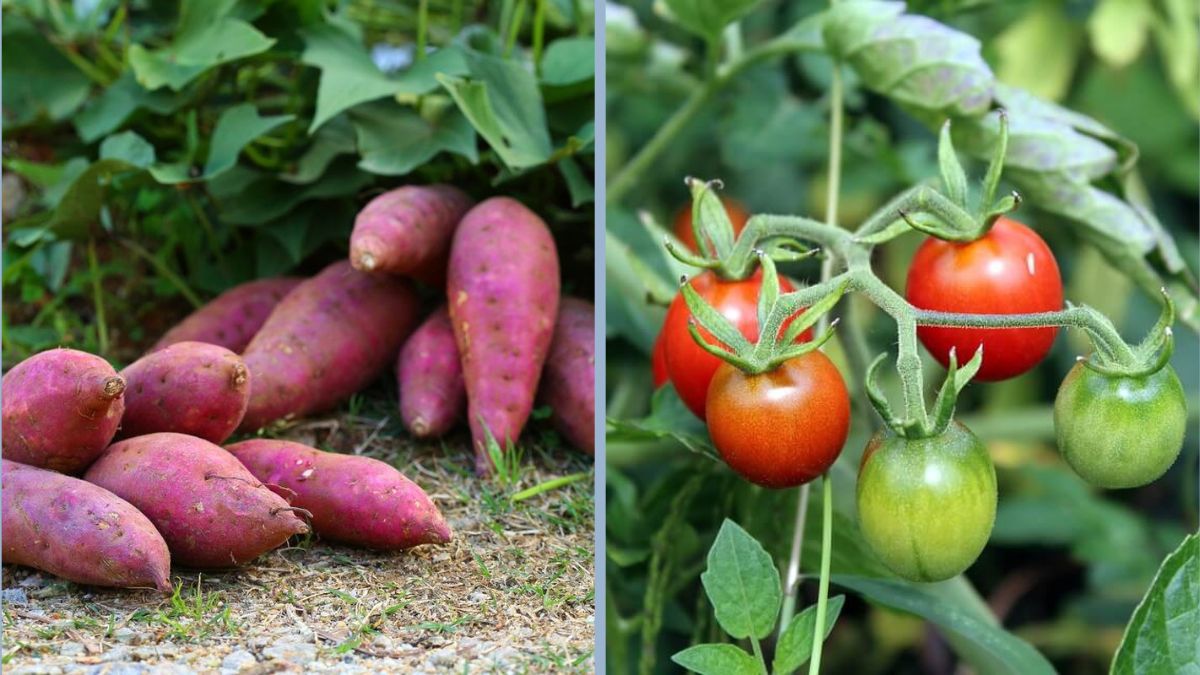
The rainy season can present both opportunities and challenges for vegetable growers. While regular rainfall supports plant growth and reduces the need for irrigation, excessive moisture can cause root rot, fungal infections, nutrient leaching, and pest infestations. Growing vegetables successfully during the rainy season requires strategic planning, proper selection of crops, effective drainage management, and eco-friendly plant care practices. This article explores how to cultivate vegetables during wet climates using only plant-based methods and materials, ensuring sustainability and productivity without relying on non-vegetarian inputs.
Understanding Challenges of Rainy Season Cultivation
Before planting, it is essential to understand the common issues associated with excessive rainfall:
- Waterlogging: Soaked soil restricts oxygen flow to roots, leading to stunted growth or root decay.
- Fungal Diseases: High humidity encourages mildew, blight, and mold.
- Nutrient Leaching: Rain can wash away vital nutrients from the soil.
- Limited Sunlight: Cloudy conditions slow photosynthesis and growth.
- Increased Pest Activity: Moist conditions attract snails, slugs, and certain insects.
By anticipating these problems, growers can plan effective solutions.
Selecting the Right Vegetables for Rainy Seasons
Choosing crops that tolerate moisture and humid environments is crucial. Some of the best vegetables for rainy climates include:
- Ladyfinger (Okra)
- Spinach
- Amaranth
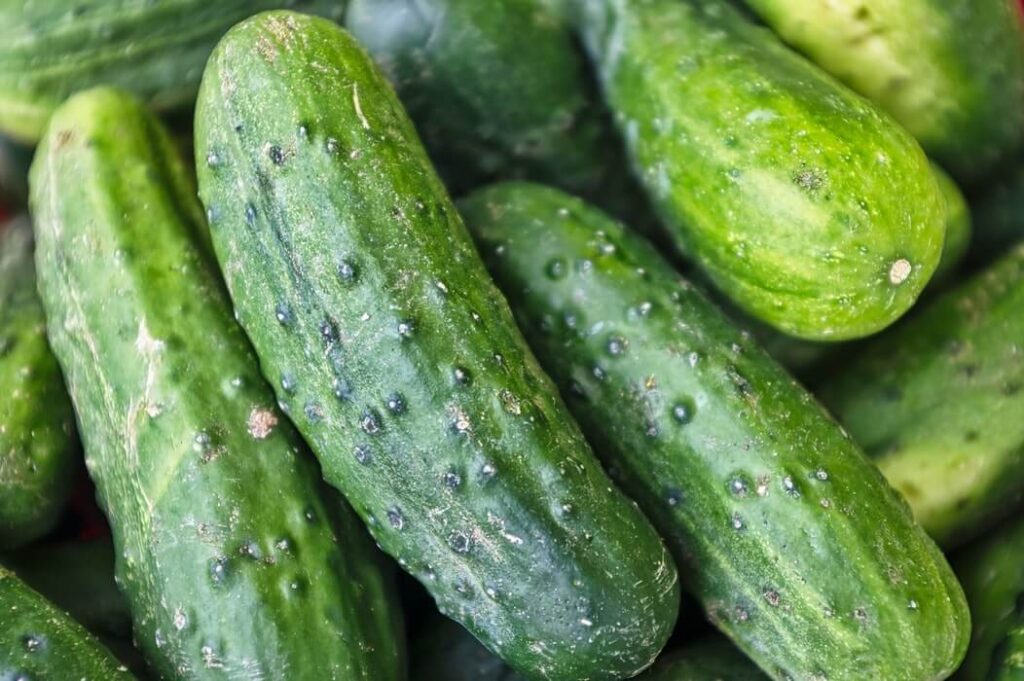
- Cucumber
- Bottle Gourd
- Chili Peppers
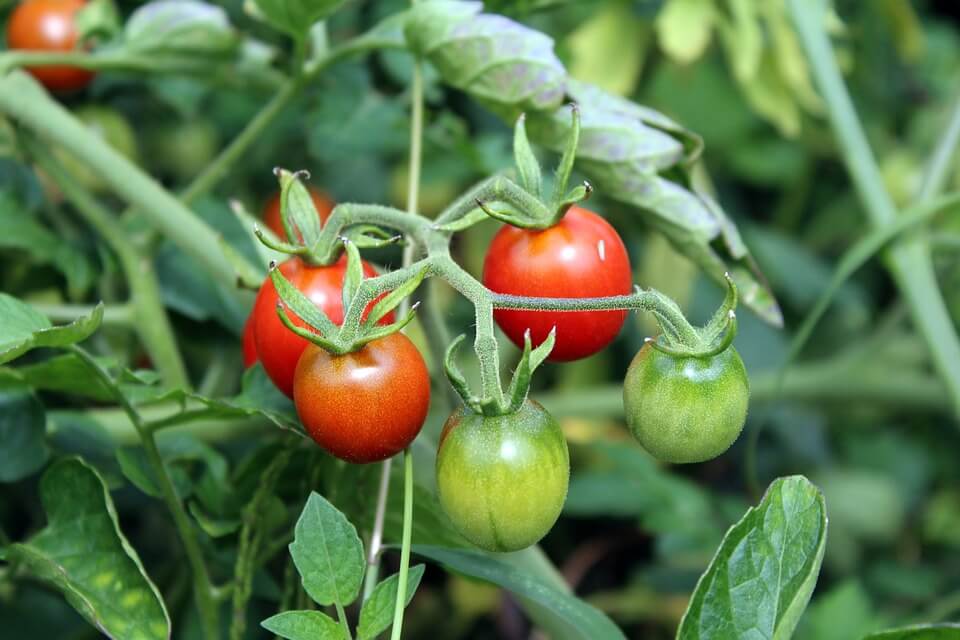
- Tomatoes (under cover)
- Green Beans
- Taro (Arbi)
- Eggplant (Brinjal)
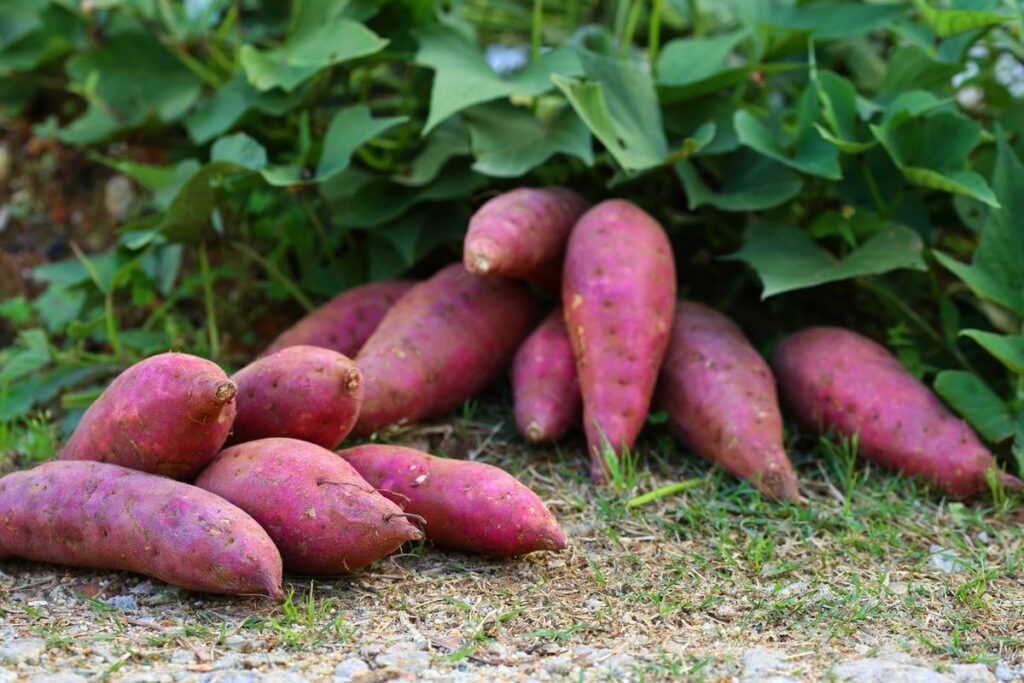
Leafy greens, gourds, and certain root crops adapt well to wet soil if drainage is managed properly.
Site Selection and Soil Preparation
Rain-ready gardening begins with smart planning.
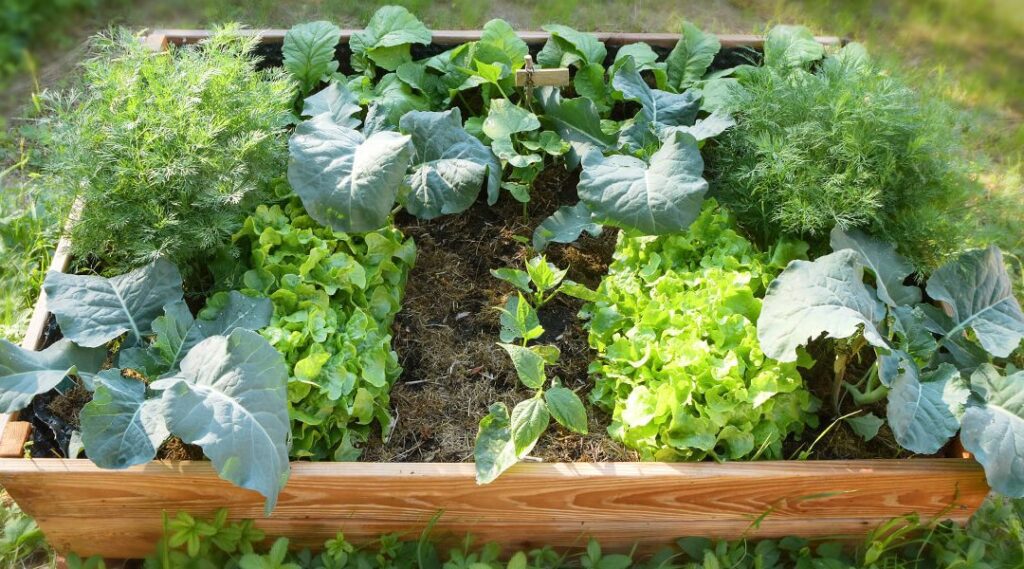
1. Choose Elevated Beds
Raised beds improve drainage and prevent roots from sitting in water. Beds can be constructed using bricks, wood, coconut husk borders, or mounds of soil.
2. Use Well-Draining Soil
A mixture that includes:
- Loamy soil
- Compost from plant-based matter
- Sand or cocopeat
will prevent compaction and water retention.
3. Soil Amendment
Adding organic compost, decomposed leaves, and biochar strengthens soil structure without depending on any animal-based fertilizer.
Creating Efficient Drainage Systems
Water accumulation is the biggest threat during rainy seasons. Effective drainage methods include:
- Slope Design: Slightly tilt beds so water flows away from roots.
- Drainage Channels: Dig small trenches or furrows around beds to redirect excess water.
- Perforated Pipes: Can be installed underground to move water out.
- Mulch for Moisture Balance: Plant-based mulch reduces soil splash and helps maintain ideal moisture levels.
Mulching with Plant-Based Materials
Mulch plays a dual role during rainy weather by insulating soil and preventing erosion. Suitable vegan-friendly mulching materials include:
- Straw
- Shredded leaves
- Coconut coir
- Grass clippings (dried)
- Pine needles
- Rice husk
Place mulch around plants rather than directly on stems to avoid fungal growth.
Raised Beds, Containers, and Vertical Gardening
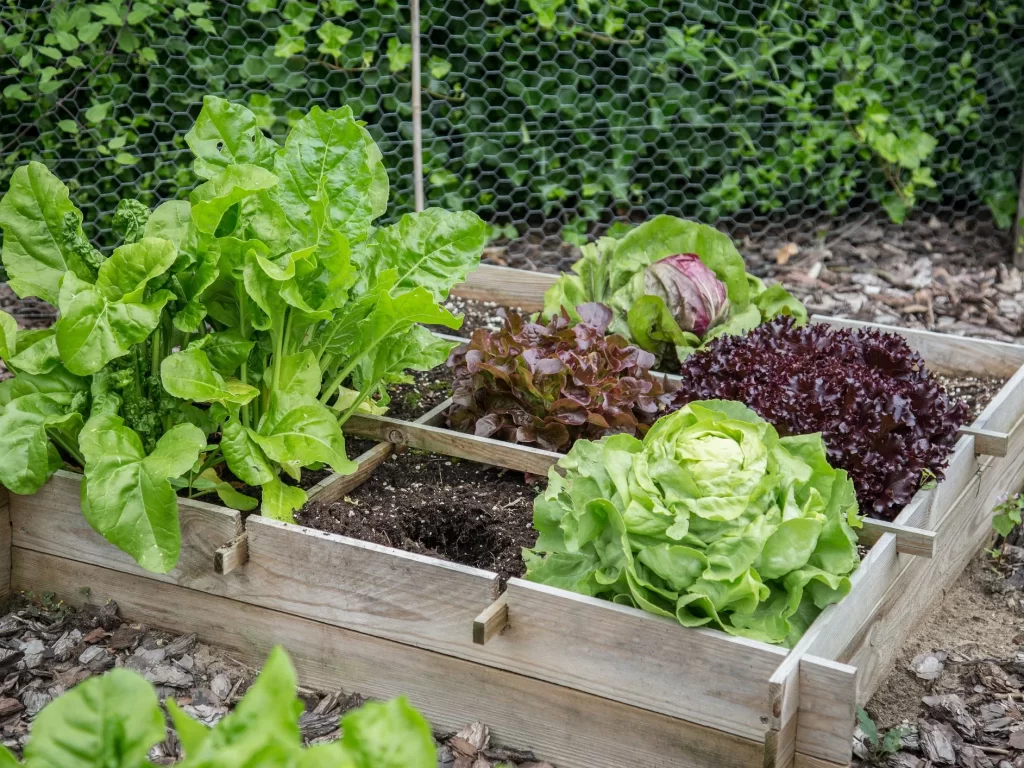
To protect plants from waterlogging:
- Raised Beds
- Improve aeration and root health.
- Easy to cover during heavy rainfall.
- Container Gardening
- Buckets, grow bags, and recycled pots with proper drainage holes are ideal.
- Place containers on stands or bricks to avoid water pooling.
- Vertical Gardening
- Reduces ground moisture exposure.
- Ideal for tomatoes, gourds, beans, and creepers.
Protective Structures for Excess Rain Control
Managing rainfall exposure helps prevent overwatering and disease.
- Polyhouse or Greenhouse Tunnels: Shield sensitive crops like tomatoes and chilies.
- Transparent Roof Covers: Made of polycarbonate, plastic, or recycled sheets.
- Shade Netting: Regulates humidity while allowing ventilation.
These structures prevent soil oversaturation and leaf wetting.
Seed Selection and Sowing Technique
During the rainy season, seeds must be protected from flooding and fungal attacks.
- Use disease-resistant and quick-maturing varieties.
- Avoid sowing seeds too deep.
- Start seedlings in trays or sheltered nurseries before transplanting.
- Apply natural seed treatments like neem powder or turmeric to prevent rot.
Managing Fungal and Pest Issues Naturally
Fungal outbreaks are common in wet weather. Prevent and control diseases using vegan-friendly methods:
Natural Fungicides:
- Neem oil spray
- Baking soda and water solution
- Ginger-garlic extract
- Turmeric powder mixed with water
Pest Management:
- Sand barriers around plants to deter slugs
- Ash-water spray to repel insects
- Companion plants like marigold, basil, and lemongrass
Avoid chemical pesticides that may harm beneficial organisms.
Nutrient Management Without Animal Inputs
Rain can wash away nutrients. To restore soil fertility naturally:
- Use compost tea from plant waste
- Apply liquid seaweed solution
- Add green manure crops like sunhemp or clover
- Use bio-fertilizers made from fermented fruits and vegetable scraps
These boost plant growth organically.
Staking and Support Systems
Heavy rainfall and strong winds can damage tall or vine crops. Use supportive structures like:
- Bamboo stakes
- Trellises
- Jute rope ties
- Mesh frames
These prevent stem breakage and improve air circulation.
Weeding and Aeration
Weeds thrive in rainy seasons and compete for nutrients. Regular removal is essential. Additionally:
- Loosen soil occasionally to enhance oxygen flow.
- Avoid working the soil when it is waterlogged to prevent compaction.
Monitoring Sunlight and Spacing
Cloudy skies reduce photosynthesis. Proper spacing allows better airflow and light penetration.
- Maintain wider spacing for leafy crops.
- Trim excess foliage when necessary.
- Position containers or beds in sunlit areas when clouds clear.
Harvesting Strategies
Harvest vegetables promptly to avoid rot, especially leafy and fruiting types. Root crops can be partially harvested as needed.
After harvesting:
- Dry produce gently
- Store in ventilated baskets or cloth bags
- Avoid airtight containers which trap moisture
Common Mistakes to Avoid
- Overcrowding plants
- Poor drainage planning
- Ignoring early signs of fungal infection
- Using heavy soil mixtures
- Allowing mulch to touch plant stems
Preventing these mistakes significantly improves survival and yield.
Conclusion
Growing vegetables during the rainy season is entirely achievable with thoughtful planning and sustainable practices. By selecting moisture-tolerant crops, improving drainage, using raised beds, employing plant-based mulches, and maintaining proper spacing, one can overcome the challenges posed by heavy rainfall. Natural disease control, compost-based nutrition, container gardening, and simple protective structures further support growth without relying on non-vegetarian inputs.
With the right strategies, the rainy season can transform into a productive growing period that enriches both soil health and home harvests. A proactive approach ensures fresh, chemical-free produce even under challenging climatic conditions.