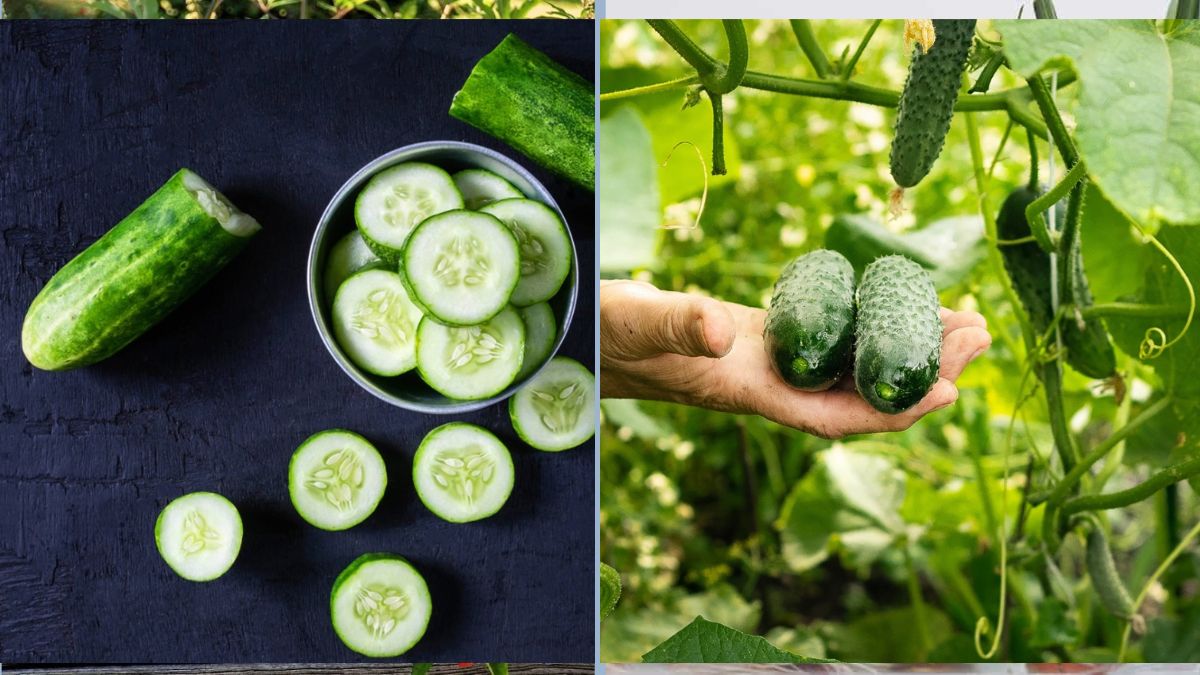
Bitterness in cucumbers is a common concern among home gardeners, farmers, and consumers. While a fresh cucumber is expected to taste mild and refreshing, a sharp bitter flavor can make it unpalatable. Understanding the reasons behind this bitterness is essential not only for quality produce but also for academic research focused on plant physiology, stress management, and sustainable cultivation. This article provides a detailed, thesis-appropriate examination of why cucumbers become bitter and how to prevent it using only vegetarian and plant-based solutions.
1. The Science Behind Cucumber Bitterness
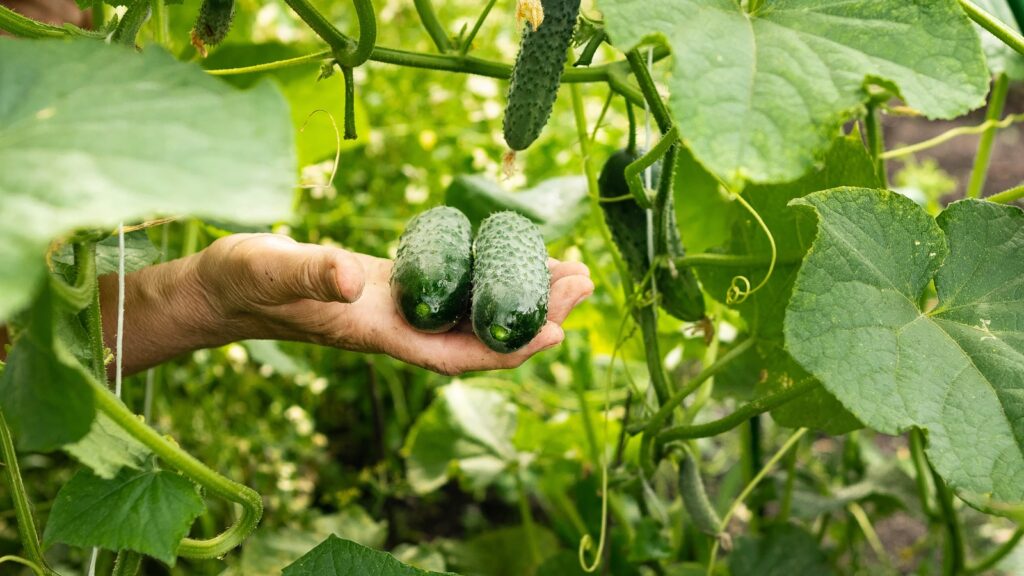
Cucumbers (Cucumis sativus) naturally produce compounds called cucurbitacins, particularly cucurbitacin B and C. These chemicals, found mainly in the leaves, stems, and roots, act as defense mechanisms against pests. Ideally, they remain in low concentrations in the fruit. However, certain stressors increase their production, causing cucurbitacins to move into the edible parts of the cucumber.
Bitterness typically concentrates at:
- The stem end of the fruit
- The peel or outer skin
- Occasionally, the entire fruit if stress is severe
Understanding what triggers cucurbitacin formation is key to preventing bitterness.
2. Environmental Stress: A Primary Trigger
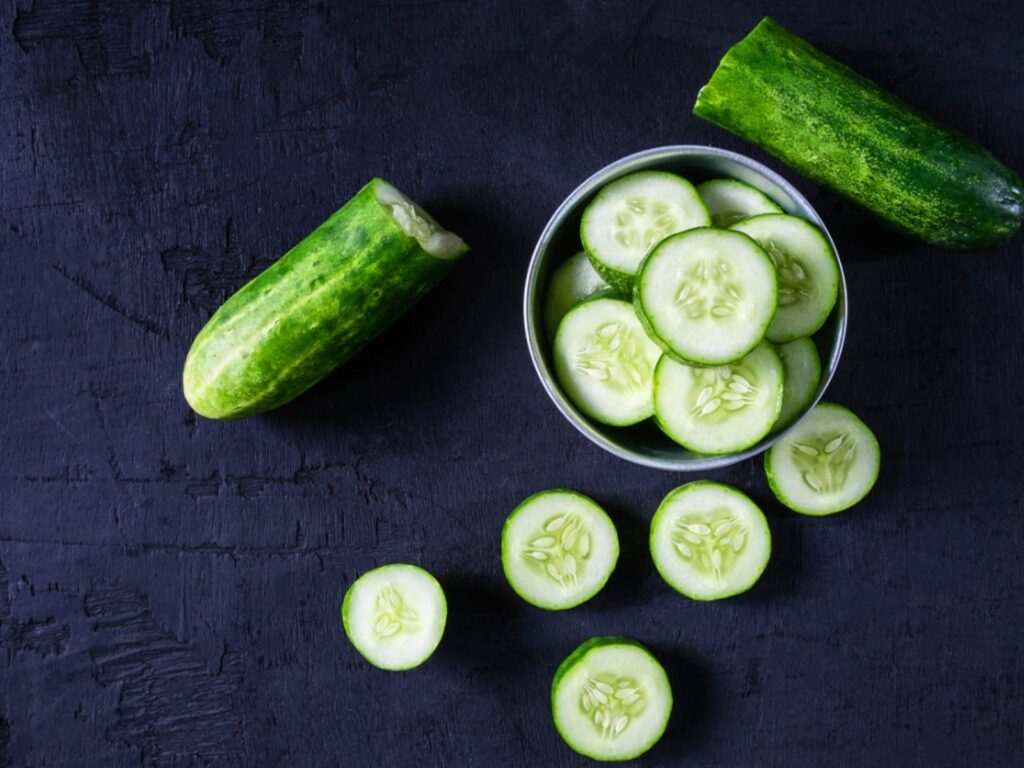
Environmental conditions significantly influence the biochemical responses of cucumber plants.
a. Temperature Stress
- High temperatures (above 32°C) can accelerate cucurbitacin production.
- Sudden temperature fluctuations between day and night increase plant stress.
Prevention Tips:
- Use shade nets or lightweight row covers during heat waves.
- Practice mulching with straw, dry leaves, or grass clippings to regulate soil temperature.
b. Irregular Watering
Both overwatering and underwatering can lead to bitterness.
- Underwatering causes dehydration, which enhances cucurbitacin buildup.
- Overwatering results in oxygen deprivation in roots, stressing the plant.
Sustainable Corrections:
- Water deeply but less frequently.
- Keep the soil consistently moist—not soggy—using mulch.
- Install drip irrigation systems or use terracotta pot irrigation for controlled moisture.
3. Soil Quality and Nutrient Imbalance
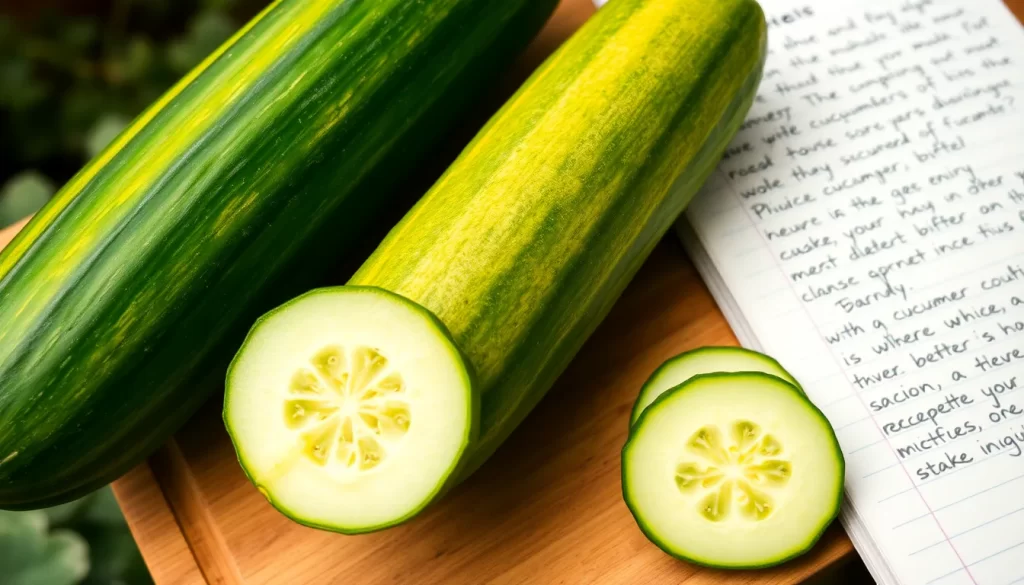
Healthy soil directly influences cucumber flavor and growth.
a. Imbalanced Nutrients
A deficiency or excess of essential nutrients disrupts normal plant function:
- Nitrogen deficiency leads to poor growth and stress.
- Potassium deficiency affects flavor, water retention, and resistance.
- Calcium and magnesium imbalances contribute to overall physiological stress.
Plant-Based Nutrient Solutions:
- Apply compost made from vegetable scraps and leaf mold.
- Use banana peel compost tea for potassium correction.
- Add wood ash sparingly to enhance potassium and trace minerals.
- Use Epsom salt (magnesium sulfate) diluted in water for magnesium support.
- Rotate crops to maintain soil fertility naturally.
b. Poor Soil Drainage
Waterlogged soil restricts oxygen movement, leading to plant stress.
Prevention:
- Add compost, coco peat, or perlite to improve structure.
- Grow cucumbers on raised beds or mounds in high-rainfall regions.
4. Sunlight and Planting Conditions
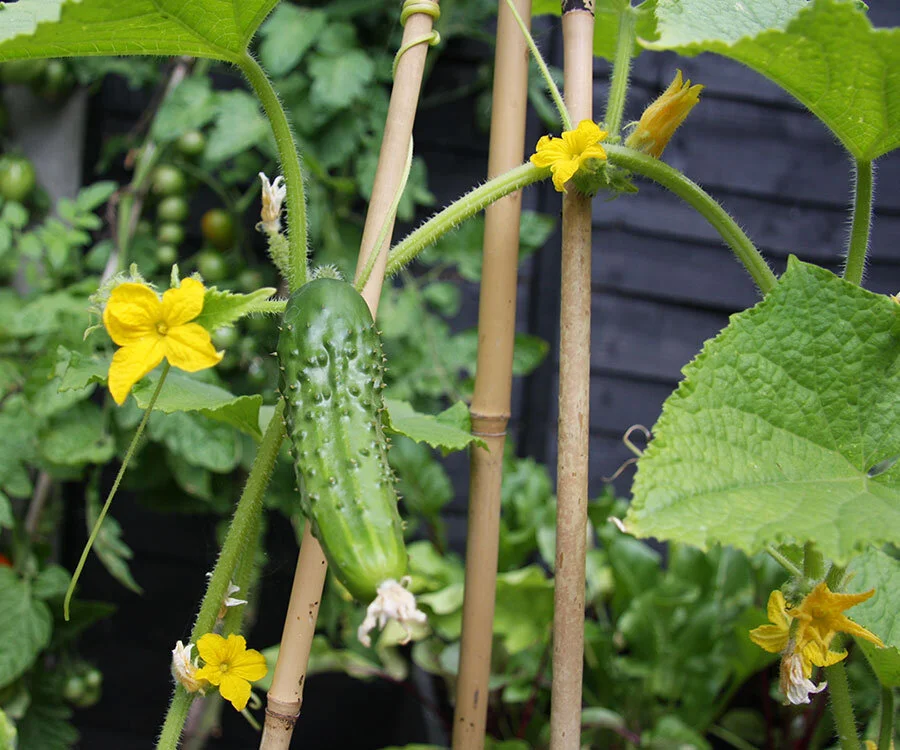
Cucumbers require balanced sunlight for proper growth.
- Too much direct sunlight without soil moisture increases stress.
- Too little light slows photosynthesis and weakens plants.
Optimal Approach:
- Allow six to eight hours of sunlight daily.
- Provide partial shade during extremely hot afternoons.
- Use companion crops like corn or beans to offer natural shade.
5. Genetics and Cultivar Selection
Some cucumber varieties are naturally more prone to bitterness due to higher baseline cucurbitacin levels.
Recommended Bitter-Resistant Varieties:
- Marketmore
- Poinsett 76
- Diva
- Sweet Success
- Fanfare
Choosing modern hybrid varieties significantly reduces the risk of bitterness.
6. Pest and Disease Stress
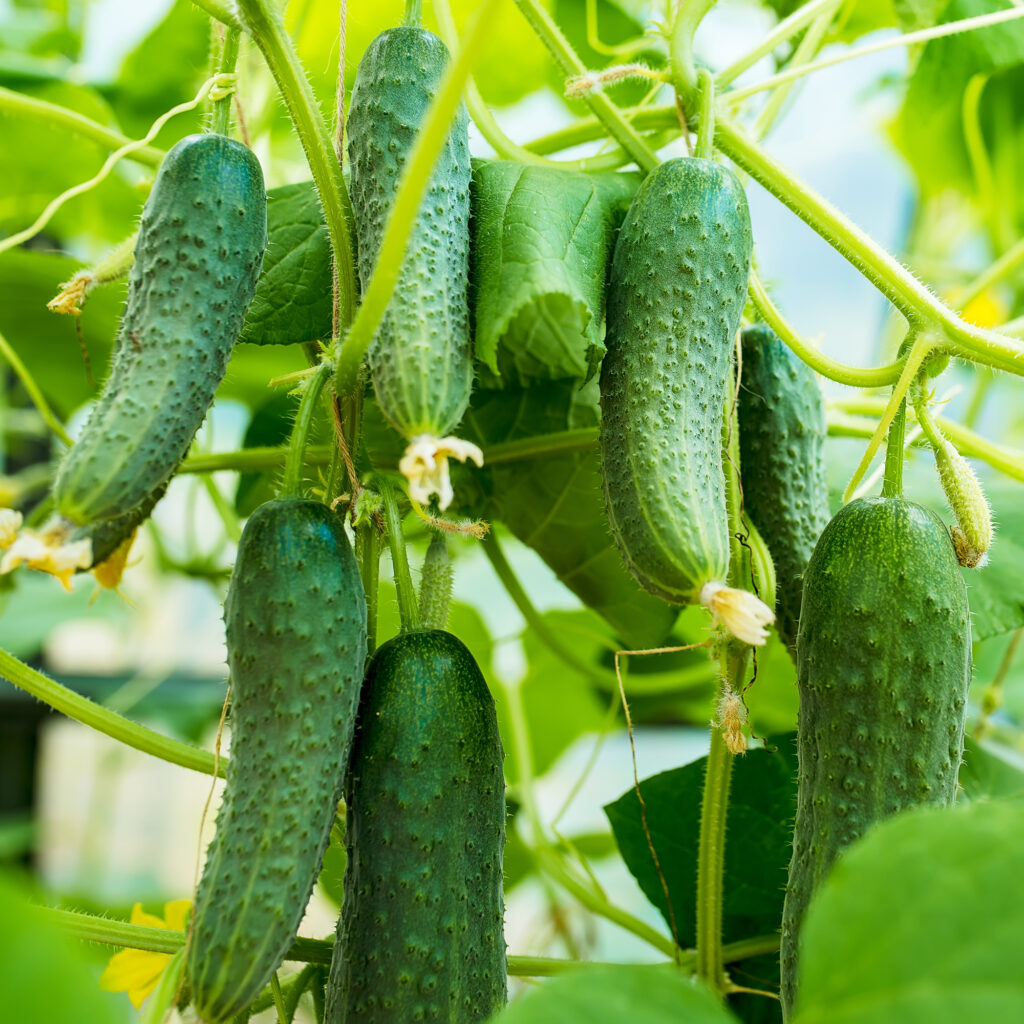
Pests and fungal diseases can increase plant stress and reduce fruit quality.
a. Common Pests
- Aphids
- Whiteflies
- Spider mites
- Cucumber beetles
These sap-sucking insects weaken the plant, causing physiological stress.
Plant-Based Pest Management:
- Spray neem oil diluted in water.
- Use garlic-chili extract or mild soap solution.
- Introduce marigolds or basil as companion plants to deter pests.
b. Diseases
Powdery mildew, root rot, and fungal leaf spots can also contribute to stress.
Natural Remedies:
- Use baking soda solution (1 teaspoon per liter of water) as a preventive spray.
- Apply aerated compost tea to enhance plant immunity.
- Ensure adequate spacing for airflow.
7. Improper Harvesting and Handling
Even if cucumbers grow well, poor harvesting practices can result in bitterness.
a. Late Harvesting
Overripe cucumbers:
- Become seedy
- Turn yellowish
- Develop bitterness from accumulated cucurbitacins
Solution:
Harvest cucumbers when they are:
- Firm
- Bright green
- Uniform in color
- Typically 10–15 cm for pickling types and 15–20 cm for slicing types
b. Fruit Maturity Stress
Leaving mature fruits on the vine diverts energy and stresses the plant.
Correction:
Harvest regularly to encourage new growth and reduce stress.
8. Mulching and Moisture Management
Mulching is one of the most effective plant-based solutions for preventing stress-induced bitterness.
Suitable Mulch Options:
- Dry leaves
- Coconut husk fiber
- Straw
- Shredded newspaper (ink-free)
- Grass clippings (dried)
Benefits include:
- Temperature regulation
- Moisture retention
- Soil enrichment
- Reduced weed growth
9. Pruning and Vine Management
Uncontrolled vine growth forces the plant to divide resources among too many fruits and leaves, causing stress.
Best Practices:
- Train vines using stakes, trellises, or nets.
- Remove yellowed, damaged, or overcrowded leaves.
- Pinch off lateral shoots to support healthy fruit development.
10. Companion Planting for Stress Reduction
Companion planting not only prevents pests but also improves growth and flavor.
Good Companions:
- Basil – Enhances leaf health and deters pests.
- Beans – Enrich soil with nitrogen.
- Marigold – Repels nematodes and insects.
- Sunflower – Acts as a natural trellis and shade provider.
Avoid planting cucumbers near:
- Potatoes
- Strong-scented herbs like sage
These can increase stress or hinder growth.
11. Seed Stress and Germination Issues
Low-quality or stressed seeds can produce bitter fruits. Seeds exposed to drought, poor storage, or disease carry metabolic imbalances.
Preventive Measures:
- Use certified, fresh seeds.
- Soak seeds in aloe vera water or compost tea before sowing.
- Germinate seeds in nutrient-rich, well-drained soil mixes.
12. Post-Harvest Freshness and Storage Impact
Even after harvest, cucumbers can develop bitterness if stored improperly.
Storage Tips:
- Keep cucumbers at 12–15°C, not under 10°C.
- Avoid storing near apples, potatoes, or tomatoes, which release ethylene gas.
- Refrigerate in a breathable bag or cloth wrapping.
13. Removing Bitterness from Harvested Cucumbers
If slight bitterness remains:
- Trim the stem end, as it contains the highest cucurbitacin concentration.
- Peel the skin, especially in older fruits.
- Rub the cut end in circular motion to draw out bitter sap (traditional practice).
Conclusion
Bitterness in cucumbers is a multifactorial issue rooted in biochemical responses to stress, environmental fluctuations, genetics, and cultivation practices. Cucurbitacin production, while naturally occurring, increases dramatically under unfavorable conditions. By focusing on sustainable, plant-based strategies—such as balanced nutrition, mulching, proper watering, pest management, and varietal selection—gardeners and researchers can effectively prevent bitterness.